Vulcan Metals Shanghai Co., Ltd. — Supplier
About Vulcan Metals Shanghai Co., Ltd. - Steel Products Supplier in China
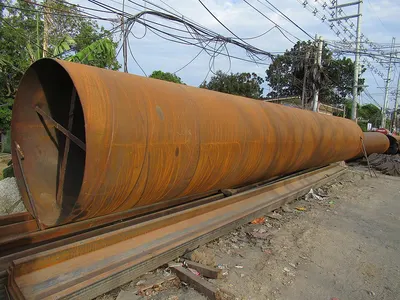
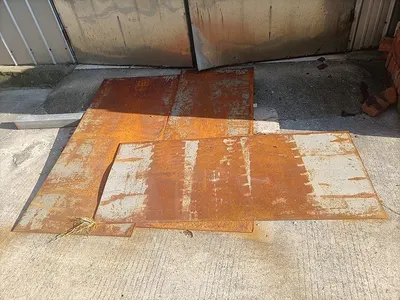
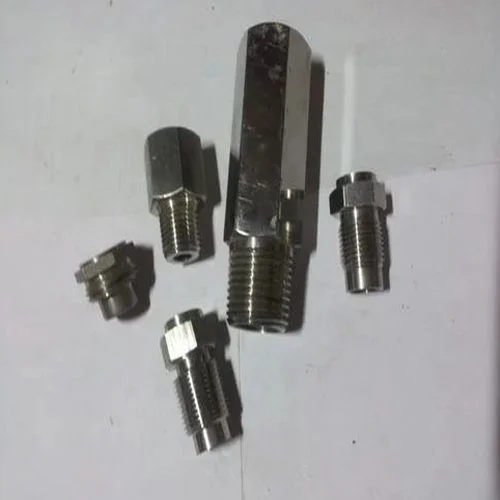
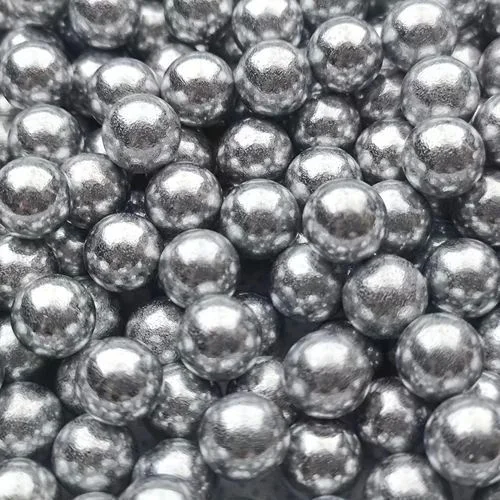
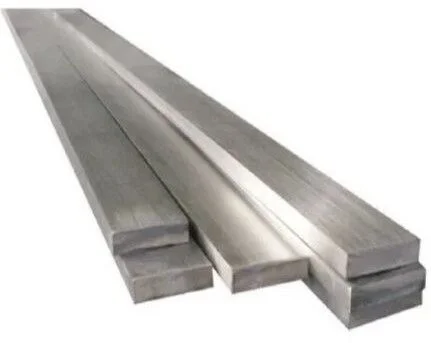
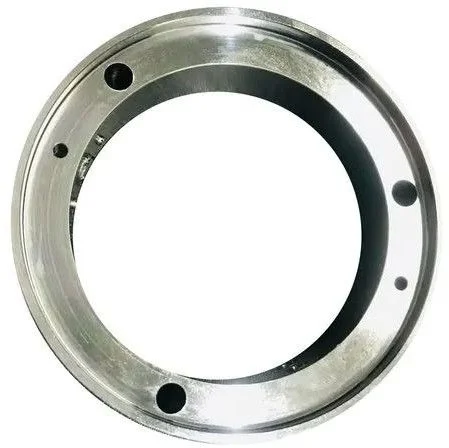
Vulcan Metals Shanghai Co., Ltd. is based in China and currently lists 14 separate steel product entries in its catalogue. The listed items cover a spectrum of pipe, fitting, and structural steel categories, each identified with an HS‑code family such as 7304 for pipes and tubes, 7307 for flanges and fittings, 7208 for plates, and 7216 for structural shapes. The catalogue explicitly names welded LSAW pipe, carbon steel seamless pipe, stainless steel seamless pipe, various flange types, steel plates, balls, H‑beams, angles, channels, forged tube and pipe prefabrication services. All entries include material specifications ranging from carbon steel grades (e.g., API 5L X42‑X80, ASTM A106 Gr B) to stainless steel grades (304, 316L, duplex) and structural steel grades (A36, Q235, Q345).
The product list also records HS codes for each item where applicable, for example 7304.11 for welded LSAW pipe, 7304.19 for carbon steel seamless pipe, 7307.99 for generic flanges, and 7216.61 for channel steel. Materials are described with internationally recognised standards such as ASTM A105 for carbon steel flanges and ASTM A106 for seamless pipe, providing clear reference points for buyers. No additional corporate claims or financial data are supplied in the source information, and the entry does not mention any held certifications.
Product Range and Specialties of Vulcan Metals Shanghai Co., Ltd.
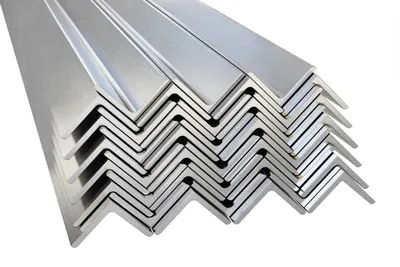
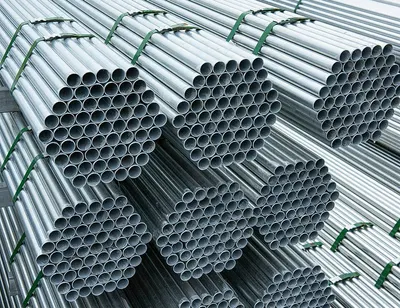
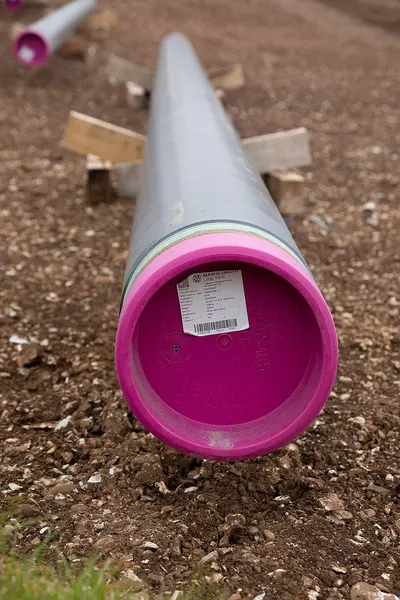
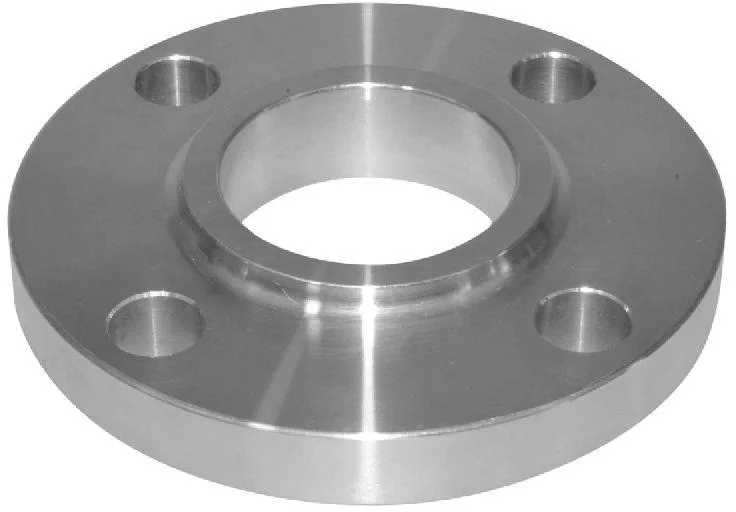
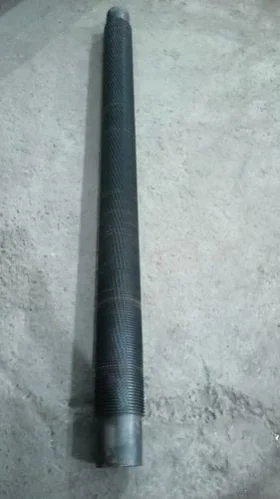
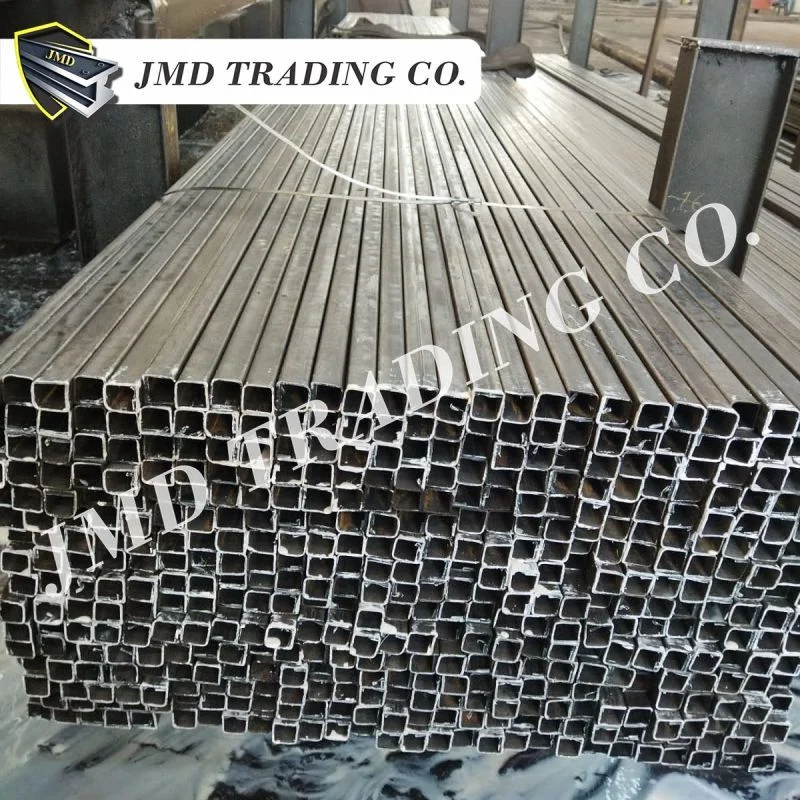
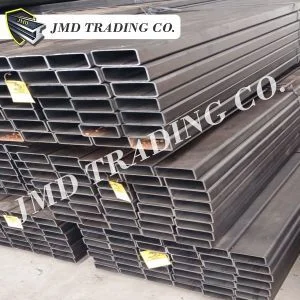
The catalogue groups products into three main families: pipe and tube products (welded LSAW, seamless carbon and stainless steel pipe, forged tube, pipe prefabrication), flanges and fittings (standard flanges, ASME B16.5 classified flanges, large‑diameter flanges, pipe fittings), and structural steel items (plates, balls, H‑beams, angles, channels). In the pipe segment, API 5L grades X42 to X80 and ASTM A106 Grade B are typical specifications, while stainless options commonly use 304, 316L or duplex grades to meet corrosion‑resistant requirements. Flange offerings follow ASME B16.5 dimensions and pressure classes, with carbon steel ASTM A105 or ASTM A350 LF2 and stainless steel 304/316 materials. Structural steel items such as plates, H‑beams, angles and channels are supplied in common Chinese standards like Q235, Q345, SS400 and S355, which correspond to international grades A36 and S355.
Trade and Export Information - Vulcan Metals Shanghai Co., Ltd.
China is a global exporter of carbon and stainless steel products, and shipments of pipe, flange and structural steel from the country typically target oil‑and‑gas projects in the Middle East, petrochemical complexes in Southeast Asia, shipbuilding yards in Europe and infrastructure contracts in Africa. HS‑code chapter 73 (iron and steel) governs most of the listed items, and customs authorities often require EN 10204 mill test reports, API inspection certificates for pipe, and conformity to ASME B16.5 for flanges. Buyers usually request ISO 9001 quality‑management certification from Chinese steel suppliers, although the specific supplier’s certification status is not disclosed in the facts. Standard export logistics involve loading items onto 20‑ft or 40‑ft containers, wood‑palletised steel plates and H‑beams, and bundled pipe bundles, with Incoterms such as FOB Shanghai or CIF destination commonly applied.
Sourcing from Vulcan Metals Shanghai Co., Ltd. - Buyer Guidance
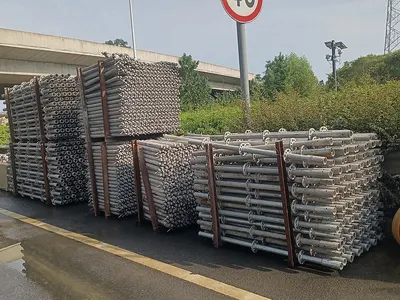
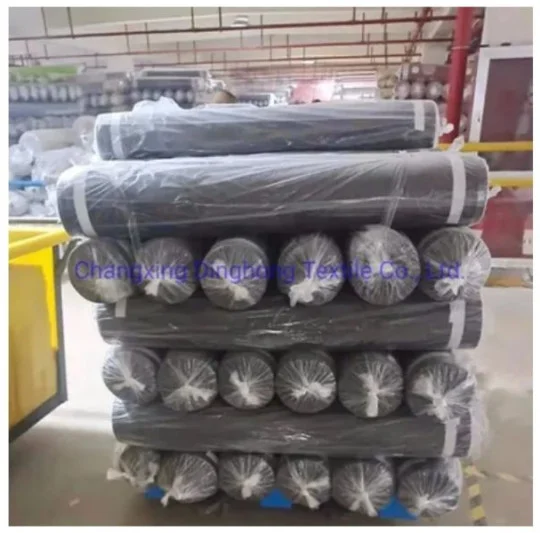
When sourcing from this supplier, buyers should obtain a current mill test report (MTR) that details chemical composition, mechanical properties and heat‑treatment for each steel grade. For pipe and flange orders, request API 5L conformity certificates, ASME B16.5 dimension verification, and EN 10204 3.1 or 3.2 test reports to confirm pressure‑class compliance. Verify packaging details - e.g., steel plates wrapped in anti‑rust film and palletised, pipe bundles banded and secured - and confirm that the supplier can provide inspection photos or third‑party inspection reports before loading.
Frequently Asked Questions About Vulcan Metals Shanghai Co., Ltd.
What pipe grades are available in the Vulcan Metals catalogue?
The catalogue lists welded LSAW pipe made to API 5L grades X42‑X80 and carbon‑steel seamless pipe to API 5L Grade B / ASTM A106 Grade B. Stainless‑steel seamless pipe is offered in 304, 316L and duplex grades.
Which HS codes apply to the flanges offered?
Flanges are classified under HS 7307.99 for generic carbon and stainless steel flanges, HS 7307.21 for ASME B16.5 forged flanges, and HS 7307.91 for large‑diameter flanges ranging from 26" to 60".
Are there standard certifications buyers should request for these steel products?
Typical certifications include API 5L certificates for pipe, ASME B16.5 compliance documentation for flanges, EN 10204 3.1/3.2 test reports for all steel grades, and ISO 9001 quality‑management certification from the supplier.
What are the common packaging methods for steel plates and structural shapes?
Steel plates are usually wrapped in anti‑corrosion film, palletised on wooden pallets and loaded in containers. H‑beams, angles and channels are bundled, banded and also palletised or crated depending on dimensions.
What lead time is typical for a bulk order of carbon‑steel pipe?
Lead times for carbon‑steel pipe shipments from China generally range from 4 to 8 weeks, depending on order size, grade availability and any required heat‑treatment or inspection procedures.
What minimum order quantities (MOQ) apply to the pipe fittings?
MOQs vary by fitting size and material but commonly start at 500 kg per size for carbon‑steel ASTM A105 fittings and 300 kg for stainless‑steel 304/316 fittings.
How can a buyer obtain a sample before placing a full order?
Buyers can request a sample of the specific grade and dimension; the supplier typically ships a single piece or a small bundle under the buyer’s chosen Incoterm, accompanied by the relevant mill test report.
Which regions most often import these types of steel products from China?
Major import destinations include the Middle East for oil‑and‑gas pipelines, Southeast Asia for petrochemical plants, Europe for shipbuilding and infrastructure projects, and Africa for construction and mining equipment.




 , China