Agriculture›
 Apparel and fashion accessories›
 Construction & real estate›💡Electronic & Electrical›🍎Food & Beverages›🛋️Home furnishing & supplies›⚗️Industrial goods & chemical›🪨Minerals & metals›📦Miscellaneous›Agriculture›Apparel and fashion accessories›Construction & real estate›💡Electronic & Electrical›🍎Food & Beverages›🛋️Home furnishing & supplies›⚗️Industrial goods & chemical›🪨Minerals & metals›📦Miscellaneous›
VRV International Inc. Product Catalog




About VRV International Inc. - Petroleum By Products Supplier in Canada
Canada hosts VRV International Inc., which lists 22 active products across petroleum, LPG/LNG, and fertilizer categories. The catalogue includes DI Ammonium Phosphate (DAP), NPK blended fertilizers, various diesel grades, aviation kerosene, gasoline octane series, petroleum coke, bitumen, several fuel‑oil CST grades, LNG, LPG (50 % propane/50 % butane), and Russian export blend crude oil. These items belong to HS Chapter 27 (petroleum oils and oils derived from bitumen) and HS Chapter 31 (fertilizers), the standard tariff headings used in international trade. The supplier’s product list reflects a mix of bulk fuels, specialty chemicals, and solid mineral fertilizers that are commonly traded in bulk carriers, ISO tanks, and bulk bags.
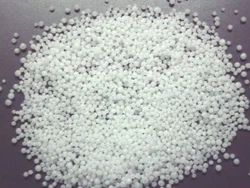
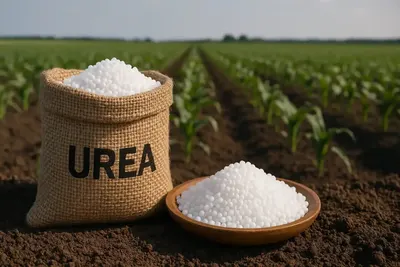
The listed products cover both energy and agricultural inputs, with diesel specifications ranging from standard D2 gasoil to ultra‑low‑sulphur variants at 10 ppm, 50 ppm and 500 ppm, and fuel‑oil grades CST 180, 280 and 380 used in marine and industrial boilers. Fertilizer items such as DAP and NPK are typical nitrogen‑phosphate blends, while prilled and granular urea are offered under the N 46 grade. The bitumen range is described as “all grade,” indicating suitability for paving, roofing and insulation applications. LNG and LPG are provided in standard liquefied forms for bulk or truck‑loaded transport, and the gasoline octane series (87‑95) targets motor fuel markets.
Product Range and Specialties of VRV International Inc.
VRV International Inc.’s catalogue groups products into three broad sectors: refined fuels (diesel, gasoline, kerosene, fuel oil, bitumen, petroleum coke), gaseous fuels (LPG, LNG) and nitrogen‑based fertilizers (DAP, NPK, urea). In the fuel sector, diesel grades such as D2 and ultra‑low‑sulphur variants typically meet Euro V/VI standards, with sulphur limits of 10 ppm or lower and cetane numbers above 50. Aviation kerosene (Jet A‑1) conforms to ASTM D1655 specifications, while gasoline octane ratings (87‑95) align with EN 228 requirements. Bitumen grades in Canada are often classified by penetration (e.g., 60/70, 80/100) and viscosity, used in road surfacing and roofing. LPG blends of 50 % propane/50 % butane are standard for heating and automotive applications, and LNG exported from Canada generally meets ISO 13628‑1 composition limits (methane > 90 %). Fertilizer products follow common grades: DAP with an N‑P₂O₅‑K₂O ratio of 18‑46‑0, NPK blends such as 15‑15‑15, and urea at 46 % nitrogen, all measured by weight.
Frequently Asked Questions About VRV International Inc.
What diesel grades does VRV International Inc. offer and what are their typical specifications?
The catalogue lists standard D2 diesel, plus ultra‑low‑sulphur variants at 10 ppm, 50 ppm and 500 ppm sulphur. These grades generally meet Euro V/VI standards, have a cetane number of 50 or higher, and a density around 0.84 kg/L.
Which certifications should a buyer request for the petroleum products?
Buyers should ask for ISO 9001 quality‑management certificates, ISO 14001 environmental certificates, and API product specifications. Third‑party inspection reports from SGS or Bureau Veritas are also common practice.
What are the typical HS codes for the listed fuels and fertilizers?
Petroleum fuels such as diesel, gasoline and fuel oil fall under HS 2710‑2711, aviation kerosene under 2712, bitumen under 2713, LPG/LNG under 2710‑2711, and urea‑based fertilizers under 3105.
What documentation is required for the LPG (50 % propane/50 % butane) shipment?
A Certificate of Analysis showing propane and butane percentages, a vapor‑pressure test report, a Certificate of Origin, and a Canadian export licence are standard documents.
How is bitumen typically packaged for export?
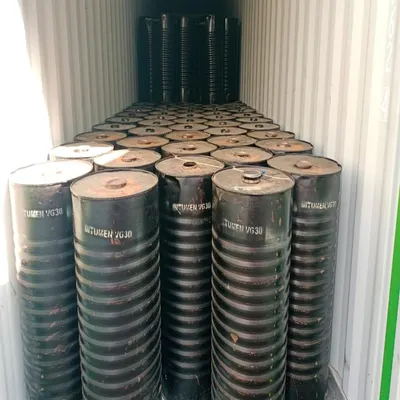
Bitumen is usually shipped in bulk tanker vessels or in insulated containers, and may be loaded into 20 ft or 40 ft ISO tanks for smaller volumes. The product is classified under HS 2713.
 Canada
Related Suppliers & Products
Explore similar suppliers, related products and trending categories