Vision Global — Verified Supplier
About Vision Global - Other Ores & Minerals Supplier in India
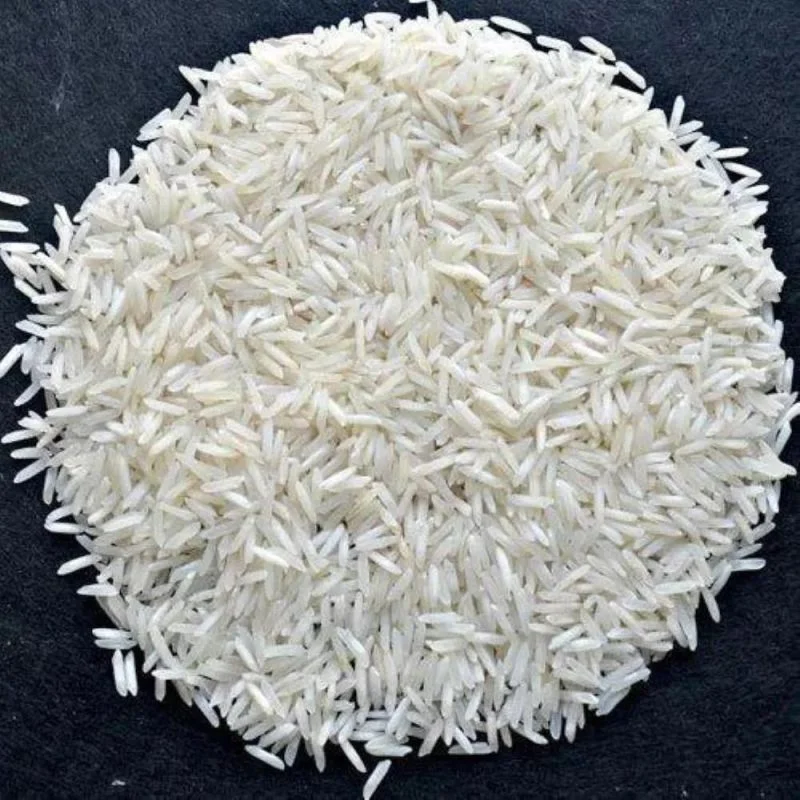
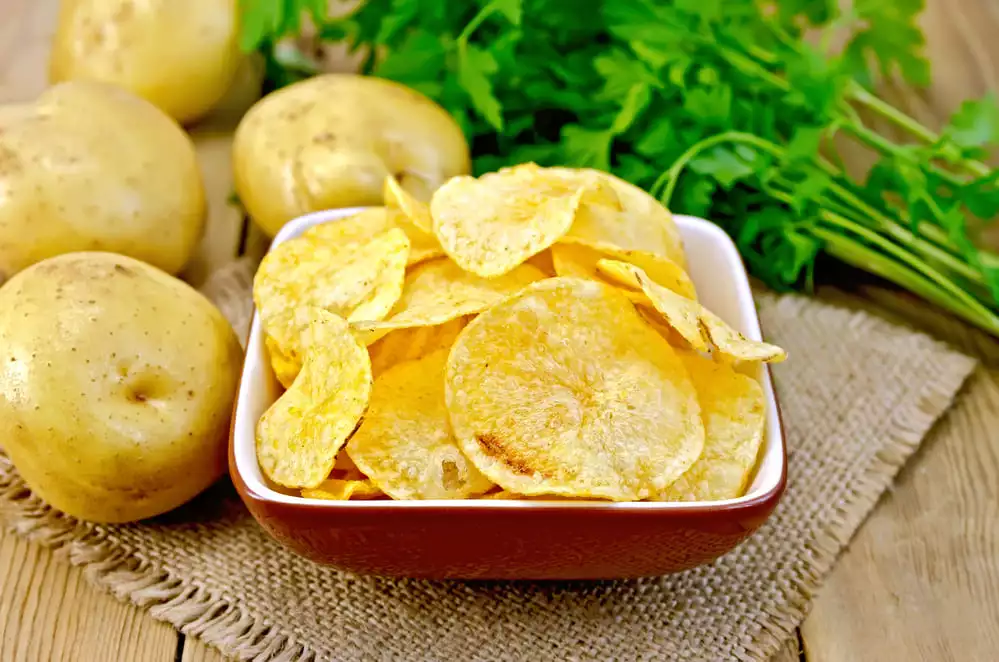
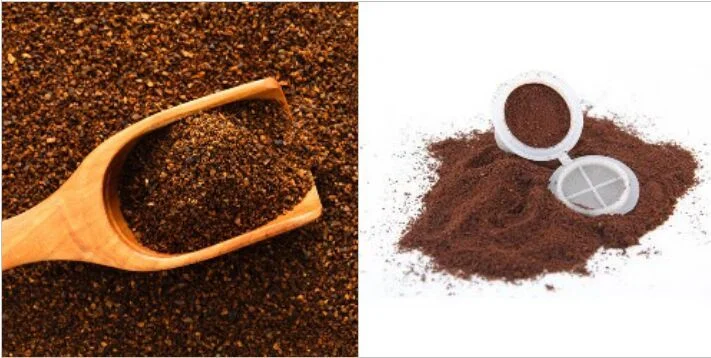
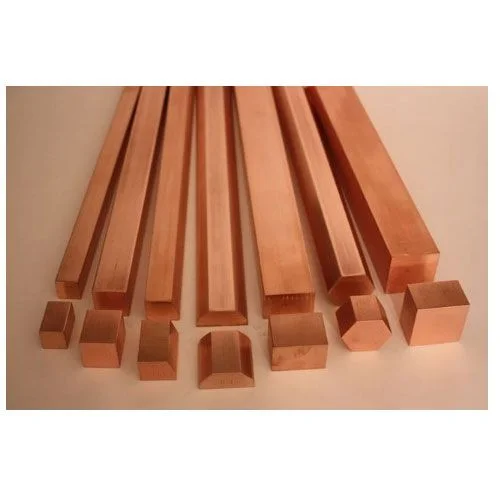
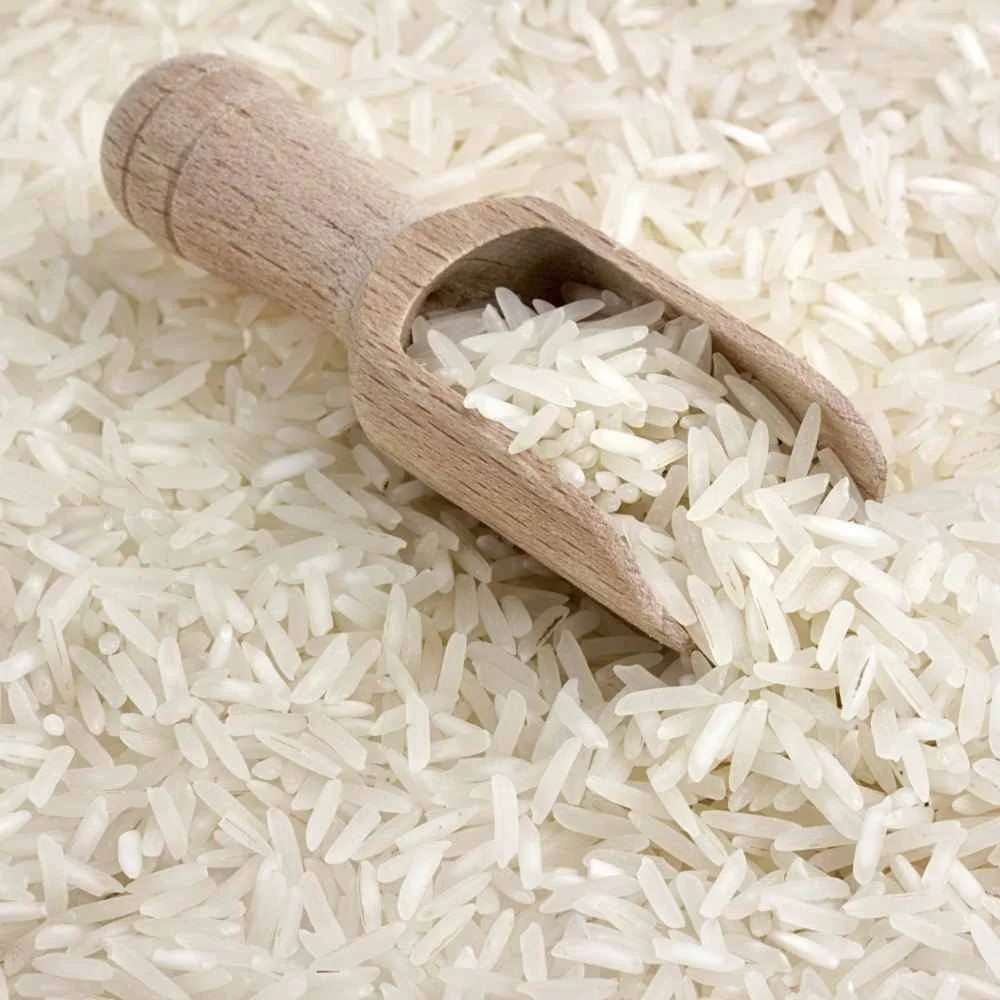
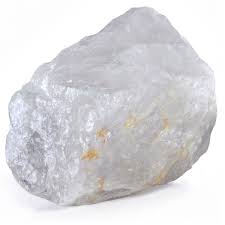
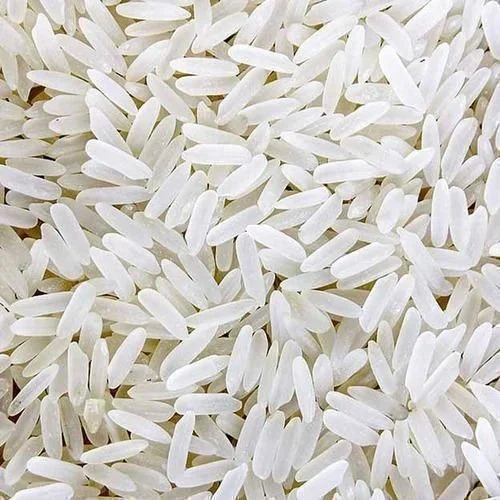
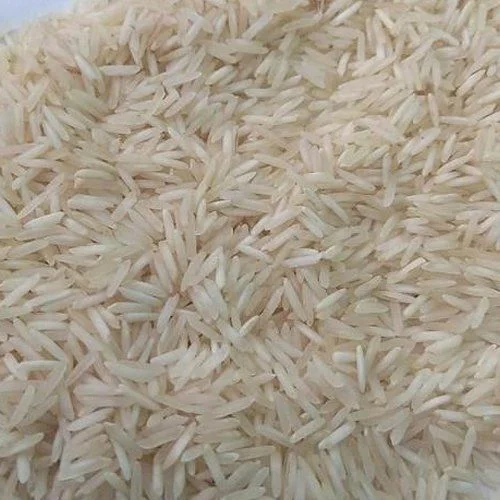
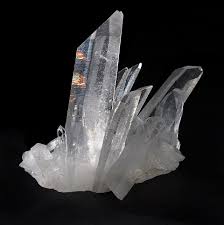
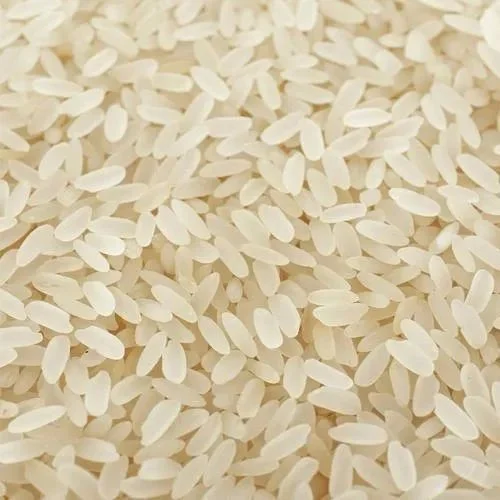
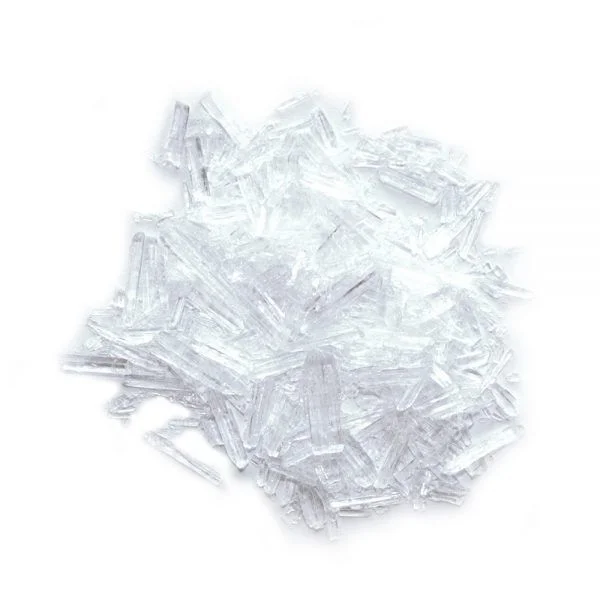
India is the source country for Vision Global, which currently lists 17 active products spanning mineral, agricultural and food segments. The catalogue includes barite in lump and powder form (HS 2511.10), dolomite powder (HS 2518.10), talc powder (HS 2526.20), electrolytic copper cathodes (HS 7403.11), and a freeze‑dried 3‑in‑1 coffee product (HS 2101.12). In addition the supplier offers bulk staples such as rice, sugar, wheat, refined cooking oil, red onions and a variety of coffee blends, nuts, tea, a hot‑potato snack and a parboiled rice grade (IR 64).
The product list reflects typical Indian export lines: mineral concentrates for industrial use, high‑volume food grains for milling, edible oils for processing, and ready‑to‑drink coffee formulations for consumer markets. Each item is identified by its HS‑code family where provided, enabling buyers to verify customs classification and tariff treatment. No additional company history, employee numbers or revenue figures are supplied in the source data.
Product Range and Specialties of Vision Global
Vision Global’s catalogue groups its offerings into three broad families: mineral concentrates (barite, dolomite, talc, copper), staple food grains (rice, sugar, wheat, parboiled IR 64 rice), and processed food items (cooking oil, red onions, coffee blends, nuts, tea and a hot‑potato snack). In the mineral sector, barite is commonly graded by specific gravity (typically 4.2 - 4.5) and purity (>99 % BaSO₄) for drilling fluids, while dolomite powder is specified by calcium‑magnesium ratio (usually 1:1) and moisture content (<1 %). Talc for industrial use often meets FDA‑grade specifications with magnesium silicate purity above 99 % and low iron content. Copper cathodes are normally supplied at 99.99 % purity (Grade A) and measured in metric tonnes. Food grains from India are usually classified by IRRI standards (e.g., IR 64 rice with moisture ≤14 % and amylose content around 24 %). Refined cooking oil is typically free‑fatty‑acid <0.1 % and conforms to Codex standards, while coffee products are graded by bean size, moisture (<12 %) and caffeine content.
Trade and Export Information - Vision Global
India is a major exporter of both mineral concentrates and agricultural commodities. Barite, dolomite and talc are frequently shipped to oil‑field service companies in the Middle East, North Africa and Southeast Asia, often under HS 2511, 2518 and 2526 chapters that require SGS inspection and a Certificate of Origin. Copper cathodes (HS 7403) are exported to electronics manufacturers in China, Europe and the United States, where ISO 9001 quality management and third‑party assay reports are standard. Food grains such as rice, wheat and sugar are shipped in bulk containers to Asian, African and Gulf Cooperation Council markets; buyers usually request FSSAI compliance, phytosanitary certificates and a Certificate of Analysis. Processed foods like refined cooking oil, coffee blends and snack items are packed in 20‑ft or 40‑ft containers, labelled according to Codex Alimentarius, and often require HACCP audit reports. Typical Incoterms for Indian exporters include FOB Indian ports (e.g., Mumbai, Nhava Sheva) or CIF to major destination ports.
Sourcing from Vision Global - Buyer Guidance
When sourcing from Vision Global, buyers should request a full set of product documentation before placing an order. For mineral products, request an SGS inspection report, a Certificate of Analysis confirming purity and specific gravity, and a Certificate of Origin for customs clearance. For food items, ask for an FSSAI license copy, a phytosanitary certificate (for rice, wheat and onions), a Certificate of Analysis showing moisture, ash and pesticide residues, and, where applicable, a HAC HACCP audit report. Verify that the HS code provided matches the intended end‑use and that packaging specifications (e.g., 20‑kg bags for barite powder, 25‑kg bulk bags for dolomite, 25‑tonne bulk containers for copper) meet the buyer’s logistics plan. Samples should be obtained for each category to confirm grade, particle size distribution (for powders) or sensory quality (for coffee and snack products).
Frequently Asked Questions About Vision Global
What mineral products does Vision Global export and what HS codes apply?
The supplier offers barite in lump and powder form (HS 2511.10), dolomite powder (HS 2518.10), talc powder (HS 2526.20) and electrolytic copper cathodes (HS 7403.11). Each product is listed with its corresponding HS‑code for customs classification.
Are certifications such as ISO 9001 or SGS inspection available for the minerals?
The facts do not list any certifications held by Vision Global. Buyers should request an SGS inspection report and confirm whether the supplier operates under ISO 9001 quality management as part of their due‑diligence.
What are the typical quality specifications for barite supplied by Vision Global?
Barite is generally graded by specific gravity (4.2 - 4.5) and BaSO₄ purity (>99 %). Buyers should request a Certificate of Analysis that includes these parameters before shipment.
Which food products are listed and what standards should buyers verify?
The catalogue includes rice (including IR 64 parboiled rice), sugar, wheat, refined cooking oil, red onions, various coffee blends, nuts and a hot‑potato snack. Buyers should verify FSSAI compliance, phytosanitary certificates for grains and onions, and a Certificate of Analysis showing moisture, ash and pesticide limits.
What packaging formats are used for the bulk food grains?
Indian grain exporters typically pack rice, wheat and sugar in 20‑kg polypropylene bags or 25‑tonne bulk containers for sea freight. Specific packaging details should be confirmed with the supplier.
What are the common minimum order quantities (MOQ) and lead times?
MOQs vary by product: mineral powders often start at 5 tonnes, copper cathodes at 10 tonnes, while food grains may be ordered from 1 tonne upward. Lead times range from 15 days for packaged food items to 30‑45 days for bulk mineral shipments, subject to production scheduling and shipping arrangements.
Which markets does Vision Global primarily serve?
The supplied data does not name target markets. Generally, Indian mineral exports serve the Middle East, Africa and Southeast Asia, while food grains and processed foods are shipped to Asian, African and Gulf Cooperation Council countries.




 , India