Agriculture›
 Apparel and fashion accessories›
 Construction & real estate›💡Electronic & Electrical›🍎Food & Beverages›🛋️Home furnishing & supplies›⚗️Industrial goods & chemical›🪨Minerals & metals›📦Miscellaneous›Agriculture›Apparel and fashion accessories›Construction & real estate›💡Electronic & Electrical›🍎Food & Beverages›🛋️Home furnishing & supplies›⚗️Industrial goods & chemical›🪨Minerals & metals›📦Miscellaneous›
Vision 2050 FBR Timber
⚓ Harbor , United StatesNew supplier / no reviews yet
Vision 2050 FBR Timber Product Catalog
About Vision 2050 FBR Timber - Timber Supplier in United States
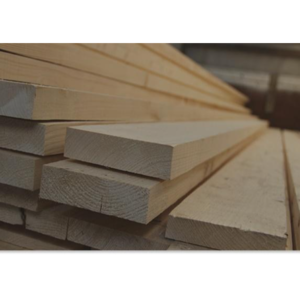
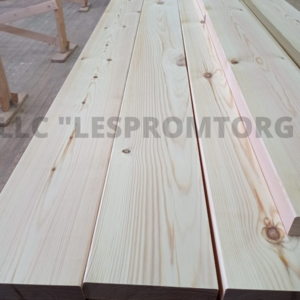
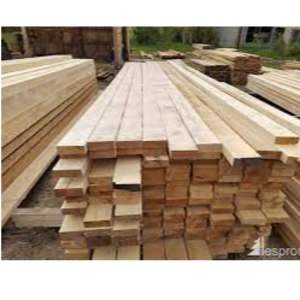
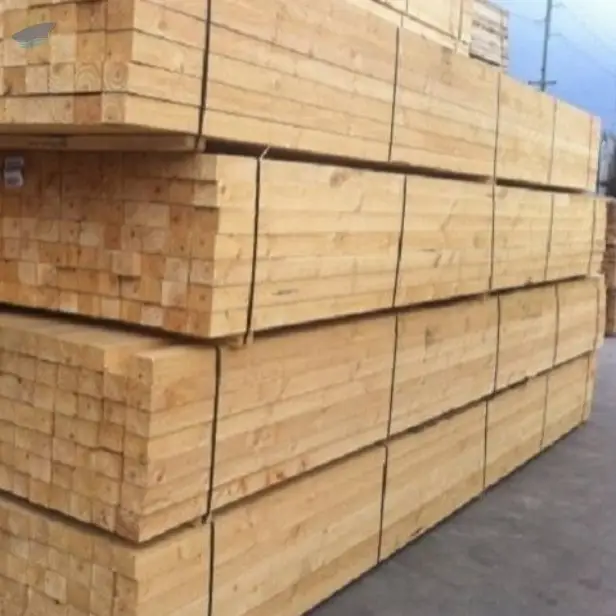
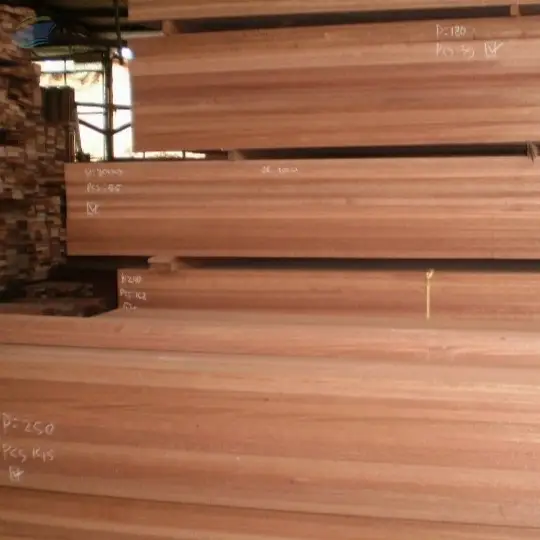
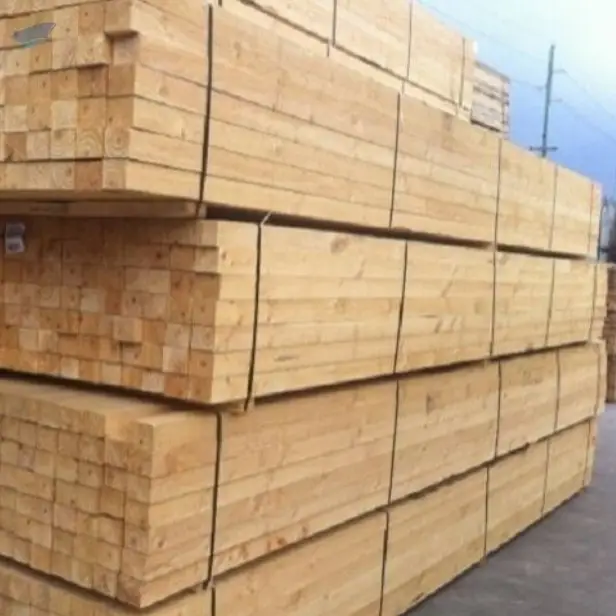
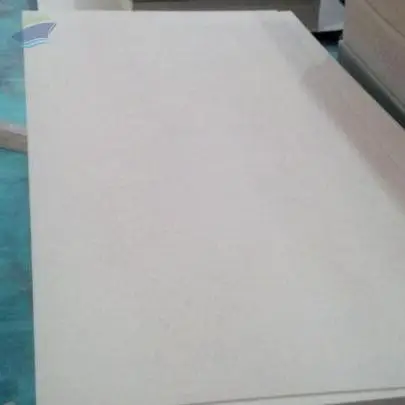
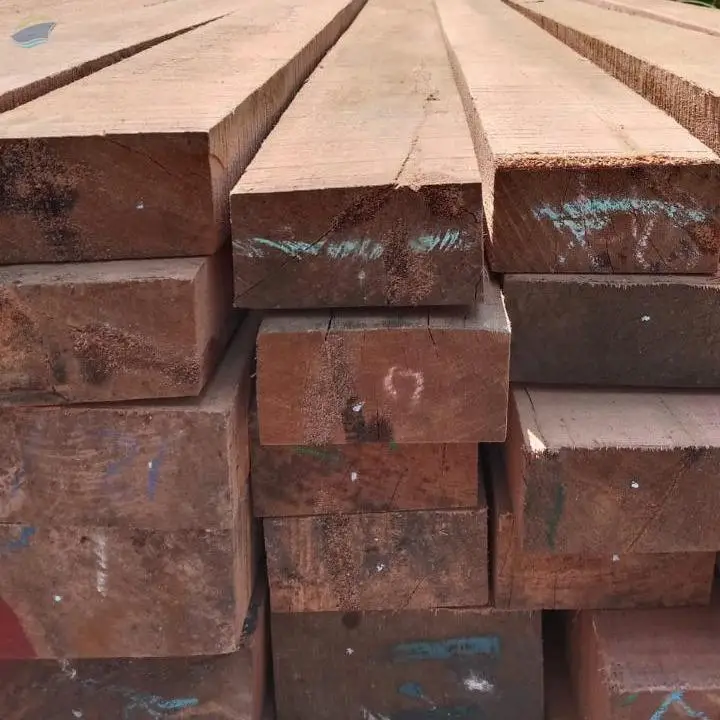
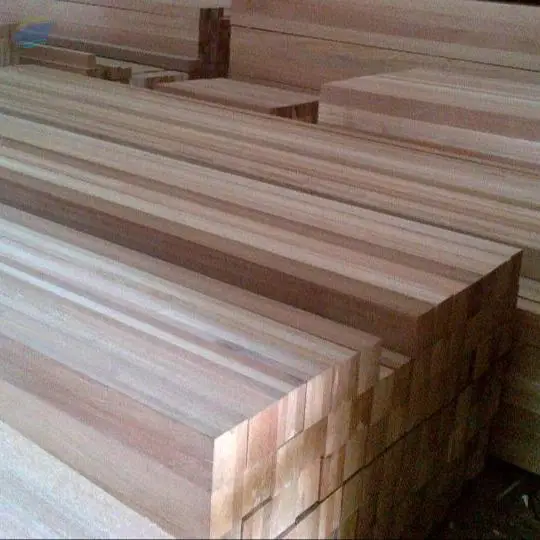
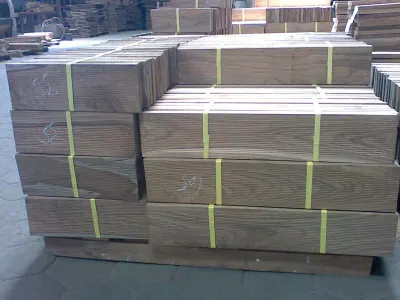
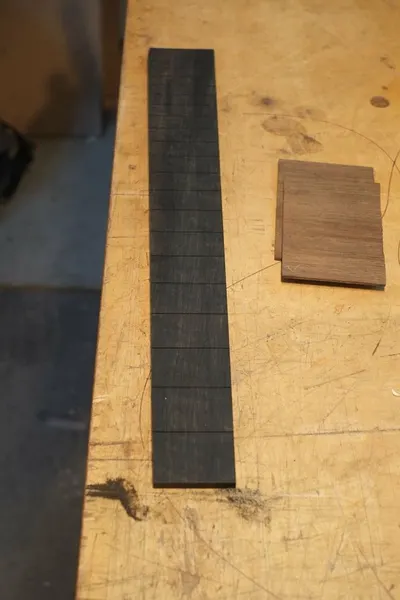
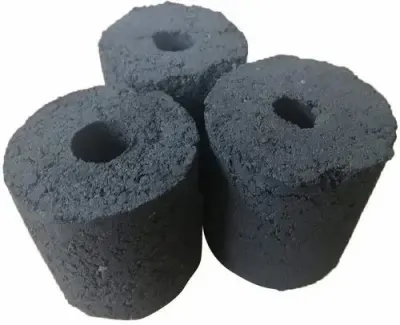
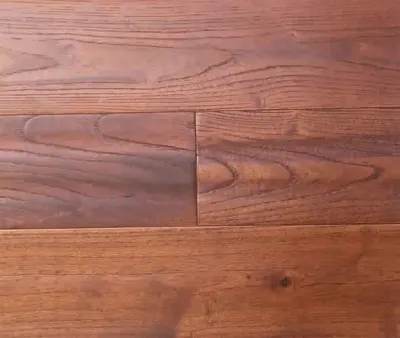
Vision 2050 FBR Timber is registered in the United States (2020) and operates from California. The supplier lists eight active products that cover hardwood logs, engineered flooring and charcoal briquettes, all sourced from plantation timber grown in Ghana under a collaborative arrangement with Vision 2050 Forestry GH. Export licences are held from the Ghana Forestry Commission, allowing legal shipment of processed timber to the United States and worldwide. The catalogue includes Cedrela clean‑cut square logs, Papao‑Afzelia flooring, teak, tali and rosewood flooring and strips, as well as charcoal briquette products.
The product portfolio groups under the categories Teak Wood, Cedar Wood, Wooden & Bamboo Flooring, Timber, Rose Wood, Charcoal Briquette and Teak Wood Logs. Each entry specifies a material form - for example, “Teak Clean Cut And Square Logs” or “Teak - Strips” - that aligns with standard hardwood grading systems used in international trade. The supplier’s focus on both solid timber and processed flooring reflects typical supply chains that move raw logs to sawmills and then to finish‑floor manufacturers. No additional product types beyond those eight are indicated in the supplied data.
Product Range and Specialties of Vision 2050 FBR Timber
The catalogue lists Cedrela clean‑cut square logs, Papao‑Afzelia flooring panels, combined teak‑tali‑rosewood flooring, separate tali and rosewood strips, teak strips (both generic and specific), and charcoal briquettes. In the hardwood market, logs of this type are commonly graded by moisture content (typically 8‑12 %), dimensional tolerances (e.g., 2 m length, 150 mm × 50 mm cross‑section for strips), and visual defects such as knots or splits. Flooring panels are usually supplied in lengths of 2 m to 3 m, thicknesses of 12‑20 mm, and a surface finish meeting ISO 1302 for roughness. Charcoal briquettes are generally produced in standardized sizes of 0.5 kg to 1 kg per unit, with a bulk density around 0.55 t m‑3 and a moisture level below 12 %.
Industry practice for hardwood from West Africa includes FSC or PEFC chain‑of‑custody certification, class I or II timber grading, and compliance with the International Plant Protection Convention (IPPC) treatment standards for wood packaging. Buyers often request mill test reports that detail density, bending strength (MPa), and dimensional stability. For flooring, the common quality grades are “Select” and “Premium,” with ICUMSA‑type colour grading applied to tropical hardwoods. Charcoal briquettes are frequently evaluated for calorific value (≈ 30 MJ kg‑1) and ash content (≤ 5 %).
Frequently Asked Questions About Vision 2050 FBR Timber
What types of timber does Vision 2050 FBR Timber offer?
The supplier lists Cedrela clean‑cut square logs, teak logs, teak strips, tali and rosewood strips, as well as combined teak‑tali‑rosewood flooring panels.
Does Vision 2050 FBR Timber provide certifications for its wood products?
The facts do not state any specific certifications held; buyers should request FSC, PEFC or other sustainability certificates and verify the Ghana Forestry Commission export licence.
What HS code family applies to the timber products?
Timber and wood products fall under HS Chapter 44, which covers logs, sawn timber and wood in the rough.
How is the charcoal briquette packaged for export?
Charcoal briquettes are typically bagged in woven polypropylene sacks, a common practice for bulk charcoal shipments to maintain moisture control.
What quality parameters should a buyer check for the flooring panels?
Buyers should check panel dimensions (length 2‑3 m, thickness 12‑20 mm), moisture content (8‑12 %), surface roughness per ISO 1302 and the visual grade (Select or Premium).
United StatesRelated Suppliers & Products
Explore similar suppliers, related products and trending categories