Vimal Exports — Verified Supplier
About Vimal Exports - Fresh Vegetables Supplier in India
India is a major exporter of horticultural produce and Vimal Exports lists 47 active products in its catalogue. The supplier’s portfolio spans fresh vegetables, fresh fruits and dried beans, with top categories that include fresh onion, cucumber, bitter gourd, avocado and banana. Exportable items are classified under HS chapter 07 for vegetables and dried legumes and chapter 08 for fresh fruits, reflecting standard customs coding practice for Indian produce exporters.
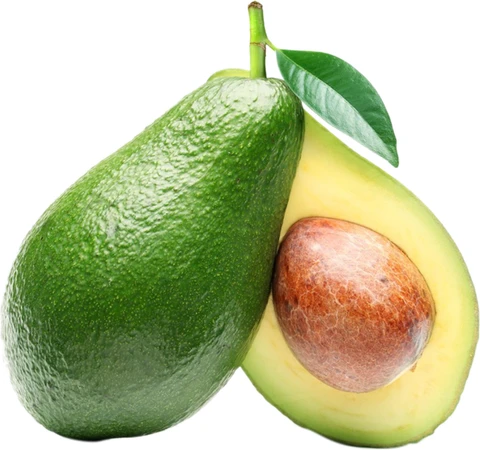
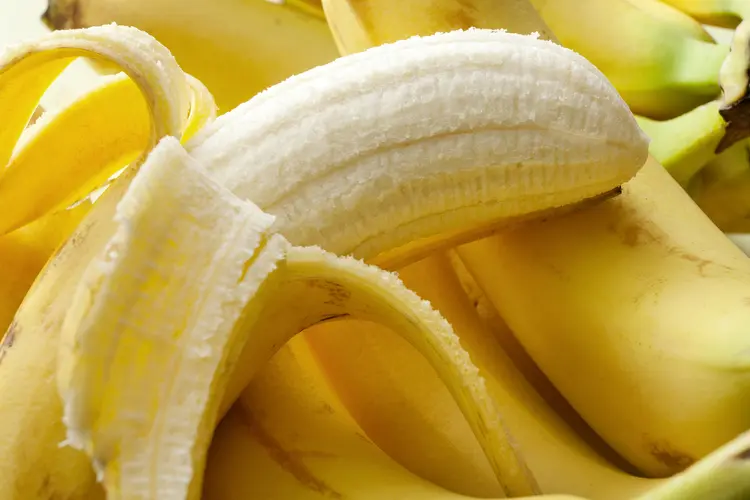
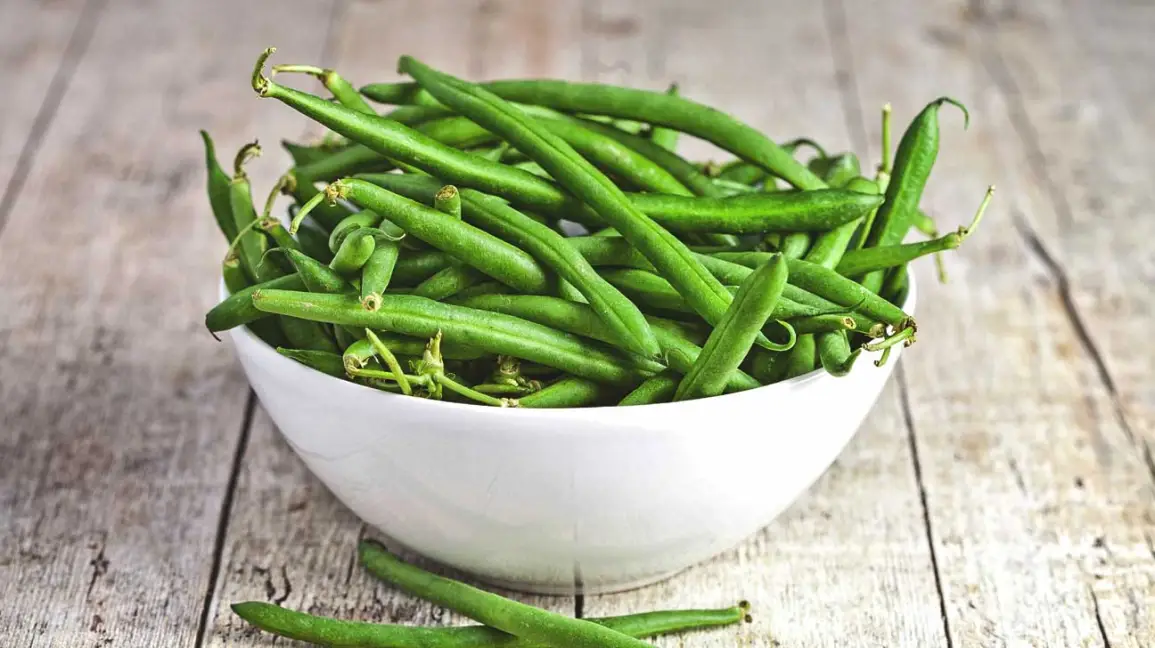
The product list includes fresh onion, lady finger, drumstick, eggplant, cucumber, bitter gourd, beetroot, potato, ash gourd, tomato, snake gourd, red onion, ridge gourd, beans (HS 0713.33, dried kidney beans), cabbage, carrot, cauliflower, chilli, broad beans (HS 0713.39, dried broad beans), bottle gourd, small onion, broccoli, gooseberry, curry leaves, guava, jackfruit, kiwi, lemon, avocado (HS 0804.40, fresh Hass avocado) and banana (HS 0803.90, fresh Cavendish AAA). Each entry follows the HS code families for fresh produce (07 and 08) or dried legumes (07.13).
Product Range and Specialties of Vimal Exports
Vimal Exports’ catalogue covers a wide spectrum of Indian horticulture: leafy and fruiting vegetables, various gourds, two grades of dried beans and selected tropical fruits. In the fresh‑vegetable segment buyers typically assess size (e.g., cucumber 15‑20 cm length), firmness and moisture content above 90 %, while dried beans are graded as “U.S. No. 1” or “U.S. No. 2” with moisture below 12 % and must meet Codex limits for aflatoxins. Avocado shipments are commonly classified as “Extra” or “Grade A” based on skin blemish count and flesh firmness (8‑10 kg per fruit), and bananas follow the “AAA” standard with uniform length (18‑22 cm) and Brix 20‑22. Typical packaging includes ventilated cardboard boxes of about 10 kg for fresh vegetables and moisture‑proof 25 kg polypropylene bags for dried beans.
Trade and Export Information - Vimal Exports
India’s fresh‑produce industry supplies the Middle East, European Union and North American markets, with refrigerated sea freight being the norm for perishable items. HS 07 products such as onion and beans are often subject to phytosanitary certification and must comply with EU maximum residue limits for pesticides, while HS 08 fruits like avocado and banana usually require a GlobalGAP audit, FSSC 22000 or ISO 22000 food‑safety system and a phytosanitary certificate. Export logistics typically involve 20‑ft or 40‑ft refrigerated containers (reefers) set to 0‑4 °C for leafy vegetables and 8‑12 °C for bananas, and transactions are quoted on FOB or CIF terms. Indian exporters commonly work with customs brokers to ensure accurate HS‑code declaration and adherence to destination‑country inspection regimes.
Sourcing from Vimal Exports - Buyer Guidance
Buyers should request a recent phytosanitary certificate, a laboratory test report for pesticide residues and, where applicable, a moisture analysis for dried beans before confirming an order. For fresh fruits, a GlobalGAP compliance statement and a temperature‑controlled shipping plan are standard verification items. It is advisable to obtain a sample batch to evaluate size, firmness and visual defects against the typical grade specifications described above. Confirm that the HS code matches the product description (e.g., 0713.33 for dried kidney beans) and ask for packaging details such as box dimensions and ventilation to ensure product integrity during transit.
Frequently Asked Questions About Vimal Exports
What fresh vegetables are available from Vimal Exports?
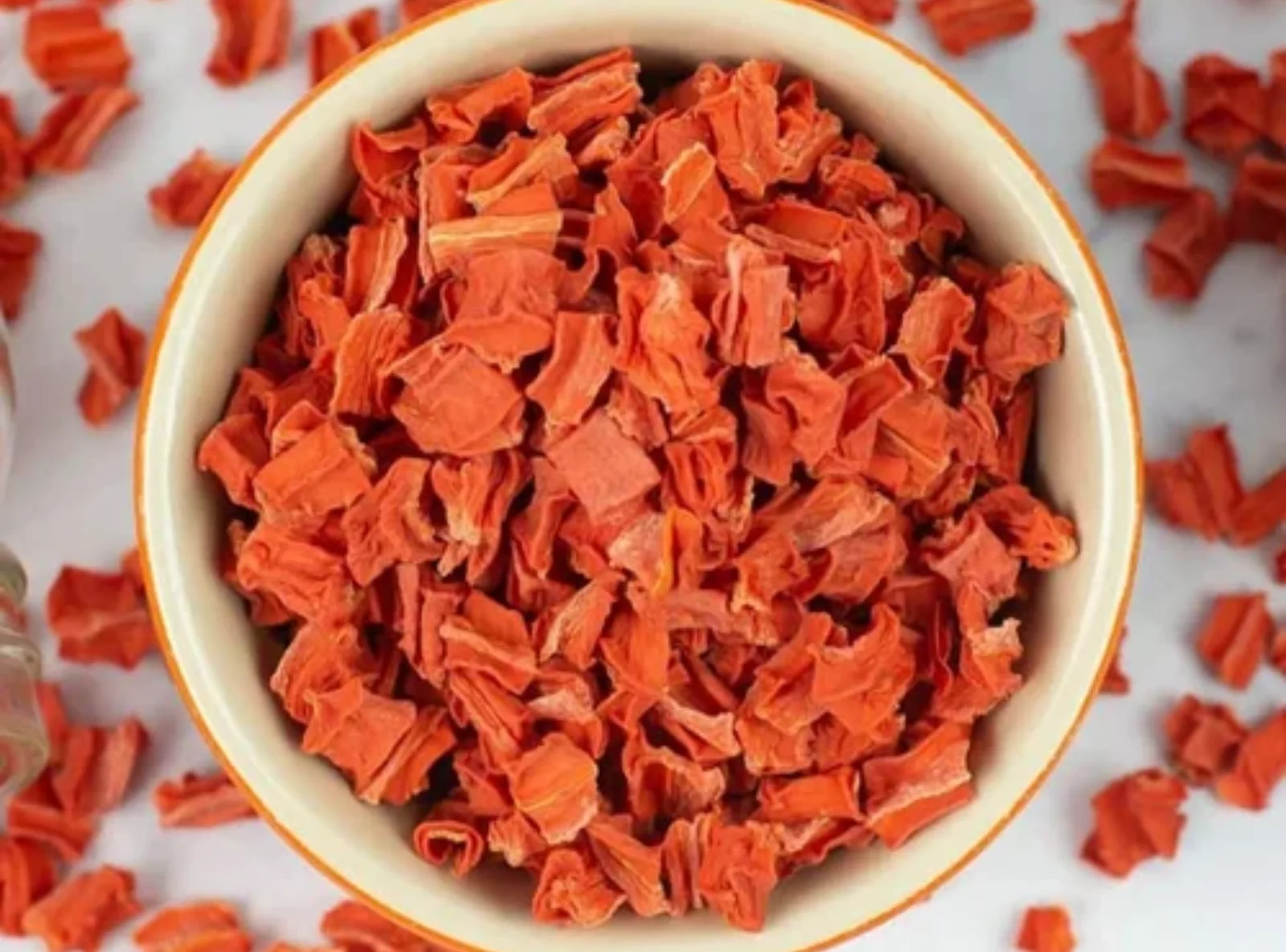
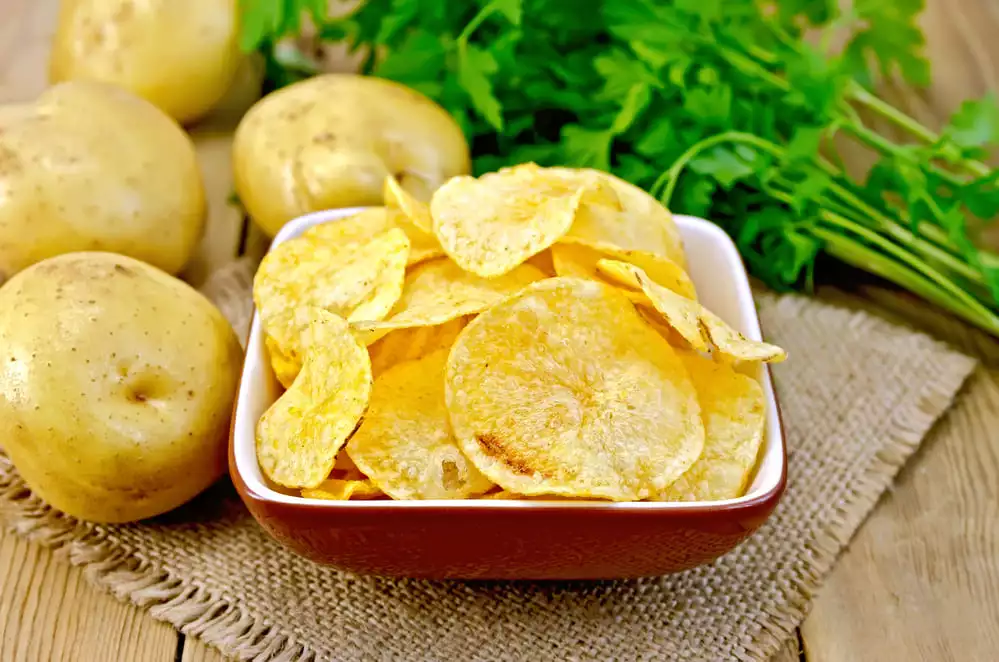
The supplier lists fresh onion, lady finger, drumstick, eggplant, cucumber, bitter gourd, beetroot, potato, ash gourd, tomato, snake gourd, red onion, ridge gourd, cabbage, carrot, cauliflower, chilli, bottle gourd, small onion, broccoli and gooseberry.
Which bean products are included and what HS codes apply?
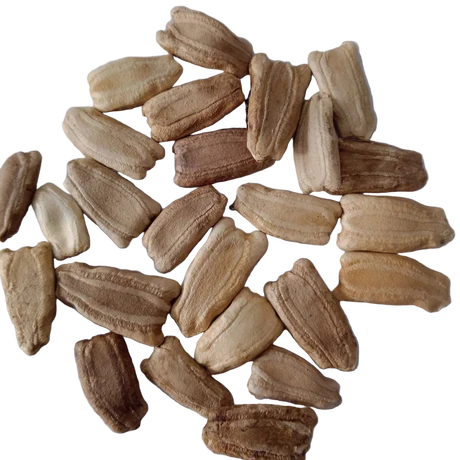
Vimal Exports offers dried kidney beans (Phaseolus vulgaris) under HS 0713.33 and dried broad beans (Vicia faba) under HS 0713.39; both fall under the dried legume sub‑heading of Chapter 07.
What fruit varieties does the catalogue contain and their typical HS codes?
The fruit range includes avocado (HS 0804.40, fresh Hass avocado) and banana (HS 0803.90, fresh Cavendish AAA), both classified in Chapter 08 fresh‑fruit headings.
What certifications are typically required for these Indian horticultural exports?
Buyers usually request a phytosanitary certificate, GlobalGAP audit results and a food‑safety system certificate such as FSSC 22000 or ISO 22000; specific certifications held by the supplier are not listed in the provided facts.
What are the common packaging methods for fresh vegetables and dried beans?
Fresh vegetables are packed in ventilated cardboard boxes of approximately 10 kg each, while dried beans are placed in moisture‑proof polypropylene bags of about 25 kg, both suitable for container loading.
What are typical shipment terms and container types for these products?
Exporters from India generally use FOB or CIF terms and ship perishable goods in 20‑ft or 40‑ft refrigerated containers (reefers) set to 0‑4 °C for leafy items and 8‑12 °C for bananas and avocado.
What quality parameters should a buyer verify before ordering?
Verify size and firmness standards (e.g., cucumber length 15‑20 cm, avocado flesh firmness 8‑10 kg), moisture content below 12 % for dried beans, and ensure pesticide residue levels meet Codex or destination‑country MRLs, supported by laboratory test reports.




 , India