Agriculture›
 Apparel and fashion accessories›
 Construction & real estate›💡Electronic & Electrical›🍎Food & Beverages›🛋️Home furnishing & supplies›⚗️Industrial goods & chemical›🪨Minerals & metals›📦Miscellaneous›Agriculture›Apparel and fashion accessories›Construction & real estate›💡Electronic & Electrical›🍎Food & Beverages›🛋️Home furnishing & supplies›⚗️Industrial goods & chemical›🪨Minerals & metals›📦Miscellaneous›
Universal Trading Corporation Product Catalog
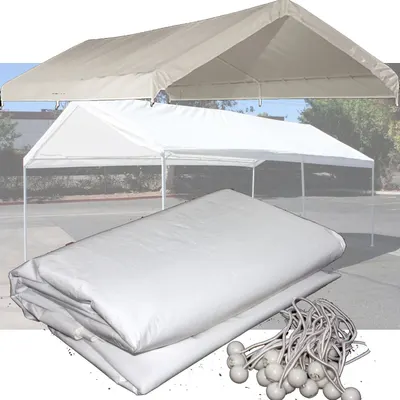
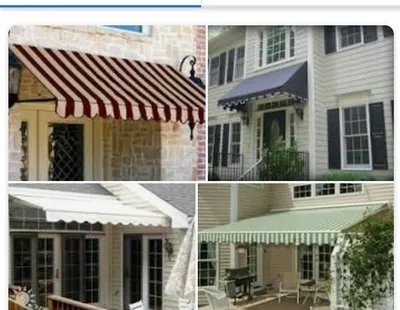
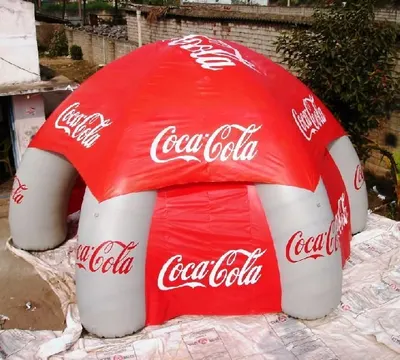
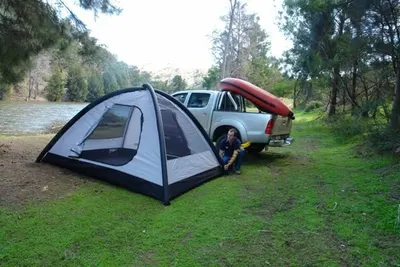
About Universal Trading Corporation - Tents Supplier in Pakistan
Pakistan is a notable source of textile‑based temporary structures, and Universal Trading Corporation lists 23 distinct tent models in its catalogue. The product list includes Relief round/bell tents, UNHCR double‑roof tents, Norwegian L‑type tents, steel‑frame winterized tents and a variety of marquee and deluxe designs. All items fall under HS chapter 63, most commonly classified with HS code 6306 for tents and awnings. The supplier is recorded as an imported tier with a harbor trust tier, indicating it operates through established import channels. The catalogue also mentions a combined entry “Tents , mops”, reflecting the breadth of items the supplier handles.
Product Range and Specialties of Universal Trading Corporation
The catalogue covers a spectrum of tent types: relief and emergency tents (e.g., Relief round/bell tent, Relief tents), double‑roof humanitarian tents (UNHCR tent double roof), military‑grade Army Tent, ceremonial and party tents (Baroque frame tent, Party fancy tent), and high‑end deluxe marquee options such as Kuwati deluxe marquee and Swiss deluxe tent double pole. Materials typically used for these categories include PVC‑coated polyester canvas, woven cotton canvas, and aluminum or galvanized steel frames, with fire‑retardant treatments applied to meet safety standards. Standard industry grades for emergency tents range from water‑column resistance of 1500 mm to wind‑load ratings of 80 km/h, while deluxe marquee tents often feature reinforced stitching and higher UV‑stability. Sizes vary from small single‑pole units of 3 × 3 m to large central‑pole structures exceeding 12 × 12 m, matching the diverse applications listed in the supplier’s inventory.
Frequently Asked Questions About Universal Trading Corporation
What tent models are listed by Universal Trading Corporation?
The supplier lists 23 models, including Relief round/bell tent, UNHCR double‑roof tent, Norwegian L‑type tent, Frame tent, Bath tent single fly, Turkish double‑roof tent, Store tent, Kuwati deluxe marquee, Swiss cottage tent, Winterized steel‑frame tent, Swiss deluxe double‑pole tent, Universal shelter tent, Party fancy tent, Winterized central‑pole tent, Ceremonial tent, Baroque single‑fly frame tent, Relief tents, Round Bell Tent, Army Tent, Deluxe single‑pole tent, Winter Tent and a combined entry “Tents , mops".
Which material grades are typical for the tents offered?
Industry practice for these tent types uses PVC‑coated polyester canvas with a fabric weight of 180‑250 g/m², fire‑retardant treatments meeting EN 13501‑1, and frames of aluminium or galvanized steel with powder‑coat finishes for corrosion resistance.
What HS code is generally applied to these products?
Tents and awnings are usually classified under HS chapter 63, with the specific code 6306 used for most of the items listed in the catalogue.
Which certifications should a buyer request before purchasing?
Buyers should ask for ISO 9001 quality‑management certification, CE fire‑safety declaration, and any relevant test reports such as waterproofness (ISO 9001‑2015 water‑column) and wind‑load resistance (EN 12195).
What are the typical packaging and shipping methods for these tents?
Tents are commonly folded, packed in moisture‑resistant poly‑bags, grouped in palletized bundles and loaded into 20‑ft or 40‑ft containers. FOB Karachi and CIF Gulf ports are the standard Incoterms used for Pakistani tent exporters.
 Pakistan
Related Suppliers & Products
Explore similar suppliers, related products and trending categories

.jpg.png)