Travifa Co. — Supplier
About Travifa Co. - Basa Fish Supplier in Viet Nam
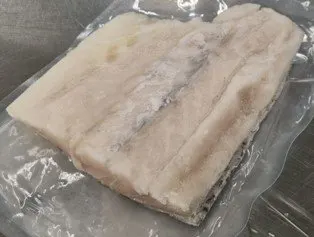
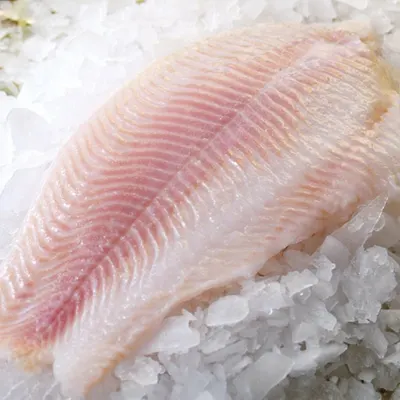
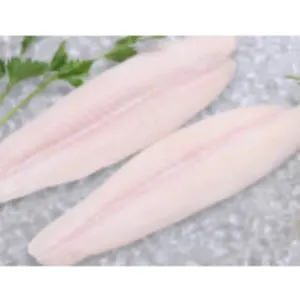
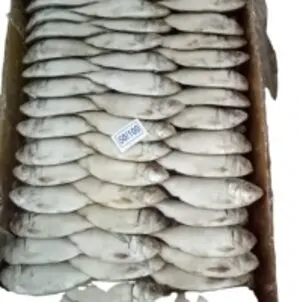
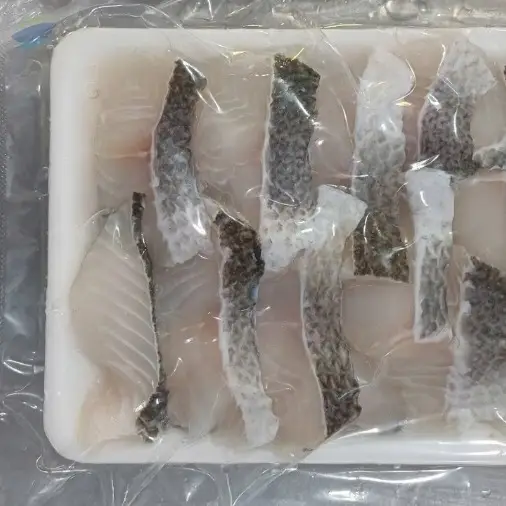
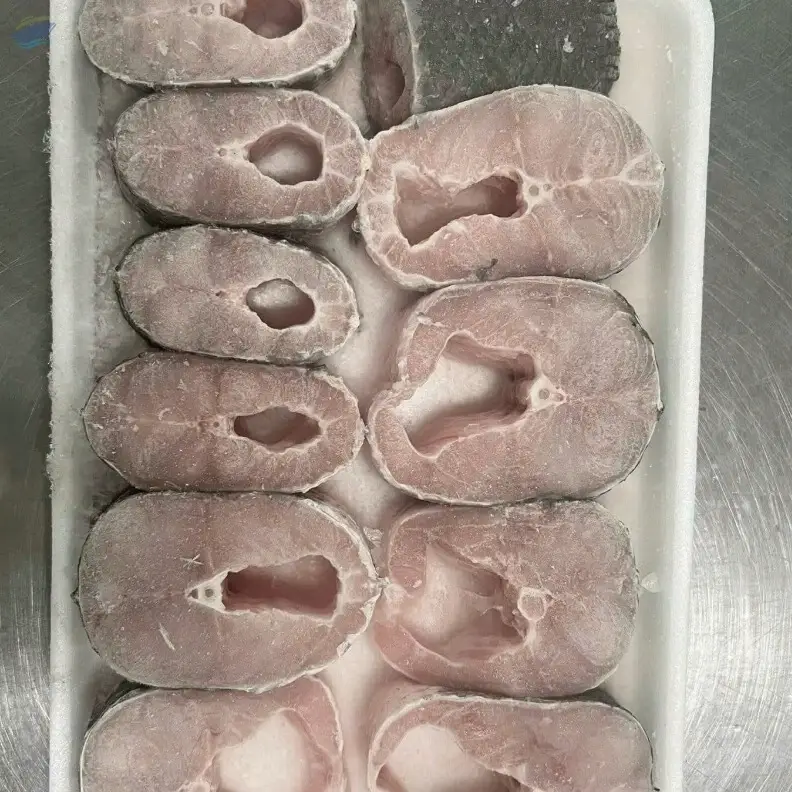
Travifa Co. is based in Viet Nam, a major aquaculture hub in the Mekong Delta region, and currently lists six active pangasius (basa) products. The supplier’s catalogue covers both fresh and frozen basa fish, which appear under the top categories “Fresh Basa Fish” and “Frozen Basa Fish”. The six listed items include Pangasius whole round, whole round gutted, frozen whole round, frozen Pangasius HGT, Pangasius fillet and Pangasius fillet broken. Each entry reflects a specific processing stage that is commonly differentiated in international trade of pangasius products.
The product set spans whole fish forms (round and gutted) as well as value‑added cuts such as fillets and broken fillets, with a separate frozen line that includes head‑gutted‑tail (HGT) units. In the global market, pangasius of this type is typically sized between 30 cm and 45 cm in length, with fillet thickness ranging from 12 mm to 20 mm. Moisture content for frozen whole rounds usually stays below 75 % to ensure thaw quality, while fresh fillets are often required to have a minimum flesh yield of 55 % of live weight. These specifications are standard references used by importers when evaluating supplier offers.
Product Range and Specialties of Travifa Co.
Travifa Co.’s catalogue lists six distinct pangasius products, all derived from the Pangasius hypophthalmus species cultivated in Vietnam’s freshwater ponds. The items include whole round fish, gutted whole round, frozen whole round, frozen head‑gutted‑tail (HGT) units, whole fillets and broken fillet pieces. In the broader industry, whole round basa is normally graded by size (e.g., 30‑35 cm, 35‑40 cm, 40‑45 cm) and by visual quality such as skin integrity and absence of bruising. Gutted fish are assessed for clean cavity, while HGT units are evaluated for intact tail and minimal bone fragments. Fillet products are commonly classified by thickness (thin, medium, thick) and by flesh yield, with typical moisture limits of 70‑75 % for frozen fillets and 65‑70 % for fresh fillets. Buyers also look for consistent packaging, usually vacuum‑sealed polyethylene bags placed in insulated cartons for frozen items, or ice‑slurry packed trays for fresh fish.
Trade and Export Information - Travifa Co.
Vietnam is one of the world’s largest exporters of pangasius, supplying primarily the European Union, the United States, the Middle East and North Africa. Export shipments are usually loaded in 20‑foot or 40‑foot refrigerated containers, with each container holding up to 12 metric tons of frozen whole fish or up to 10 metric tons of fillets, depending on packaging density. Importers commonly require certifications such as HACCP, BAP (Best Aquaculture Practices) or ASC (Aquaculture Stewardship Council) to meet food safety regulations in target markets, as well as compliance with EU IFS or US FDA standards. Typical documentation includes a commercial invoice, packing list, Certificate of Origin, health certificate, and, where required, a sanitary inspection report issued by Vietnamese authorities. Freight terms frequently used are FOB Ho Chi Minh City or CIF destination port, with ice‑slurry or dry ice used to maintain the cold chain for fresh products.
Sourcing from Travifa Co. - Buyer Guidance
When sourcing pangasius from Travifa Co., buyers should request a product specification sheet that details size grades, moisture content, flesh yield and any residual bone percentage. Samples should be accompanied by microbiological test results (e.g., total plate count, coliforms), heavy‑metal analysis (lead, mercury) and pesticide residue reports to verify compliance with EU/US limits. Because the supplier’s catalogue does not list specific certifications, buyers are advised to ask for copies of HACCP, BAP or ASC certificates before confirming orders. Verification of packaging integrity - such as vacuum‑seal strength for frozen fillets or ice‑slurry temperature logs for fresh fish - helps ensure product quality throughout transit.
Frequently Asked Questions About Travifa Co.
What forms of pangasius does Travifa Co. offer?
The supplier lists six forms: whole round fish, whole round gutted, frozen whole round, frozen head‑gutted‑tail (HGT) units, whole fillets and broken fillet pieces.
Are the pangasius products fresh, frozen, or both?
Both fresh and frozen formats are present. Whole round and gutted fish are offered fresh, while frozen whole round, frozen HGT and frozen fillets are listed as frozen items.
What size grades are typical for the whole round fish?
Industry practice grades pangasius whole round by length, commonly in 30‑35 cm, 35‑40 cm and 40‑45 cm ranges, with visual checks for skin integrity and bruising.
Which certifications should I request from Travifa Co.?
Buyers should request food‑safety certifications such as HACCP, BAP or ASC, as well as any export health certificates required by the destination country.
What are the usual packaging methods for frozen pangasius?
Frozen pangasius is typically vacuum‑sealed in polyethylene bags, placed in insulated cartons, and loaded in refrigerated containers with dry ice or gel packs to maintain temperature.
What is the typical minimum order quantity (MOQ) for fillet shipments?
In the pangasius trade, frozen fillet shipments often start at a single 20‑foot refrigerated container, roughly 10 metric tons, which is the practical MOQ for most exporters.
How long does it take to ship frozen pangasius from Vietnam to Europe?
Transit time for a refrigerated container from Ho Chi Minh City to major European ports usually ranges from 25 to 35 days, depending on the shipping line and routing.
What documentation accompanies a pangasius export?
Standard documents include a commercial invoice, packing list, Certificate of Origin, health certificate, and any required sanitary inspection reports issued by Vietnamese authorities.




 , Viet Nam