TradingXZ LLC — Verified Suppliers
About TradingXZ LLC - Lead Ingots Supplier in United States
TradingXZ LLC is based in Atlanta, Georgia, United States, and lists seven active products in its catalogue. The company’s offerings span several HS code families, including 44 for wooden packaging, 07 for fresh vegetables, 02 for meat products, 74 for copper‑brass alloys, and 78 for lead alloys. The catalogue includes wood pallets (HS 4415.20), onion (HS 0712.20), pork (HS 0203.21), brass ingot (HS 7403.21), lead ingot (HS 7801.11), lead ingot alloy (HS 7801.99) and a second lead‑antimony alloy entry (HS 7801.11). Each product is described with its principal material, such as wood, vegetable, pork, brass alloy (Cu‑Zn 30‑40 %), and soft lead or lead‑antimony alloys (Pb‑Sb 3‑6 %).
The listed items represent bulk commodities that are commonly traded internationally. Wood pallets serve as standard shipping platforms, while fresh onions and chilled pork are typical food commodities requiring temperature control. Metal products such as brass and lead ingots are supplied in unwrought form for downstream processing in casting, machining or battery manufacture. No additional corporate history or performance metrics are provided beyond the catalogue data.
Product Range and Specialties of TradingXZ LLC
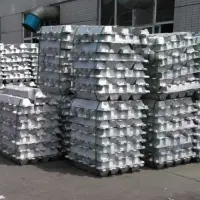
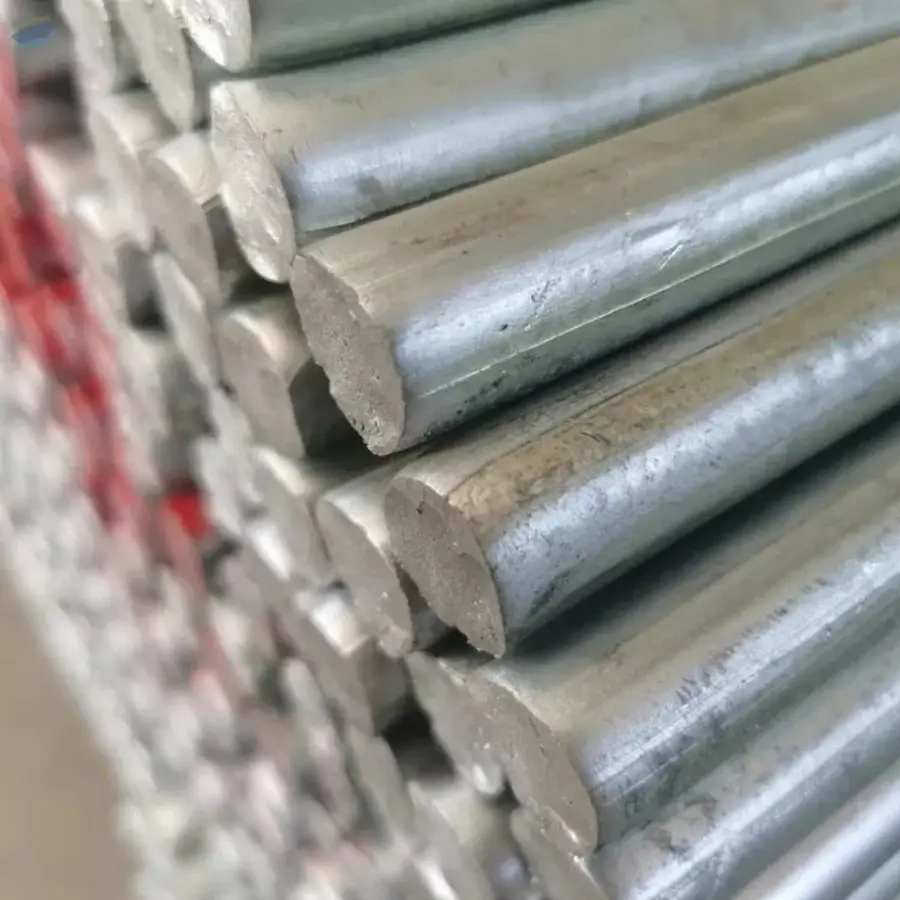
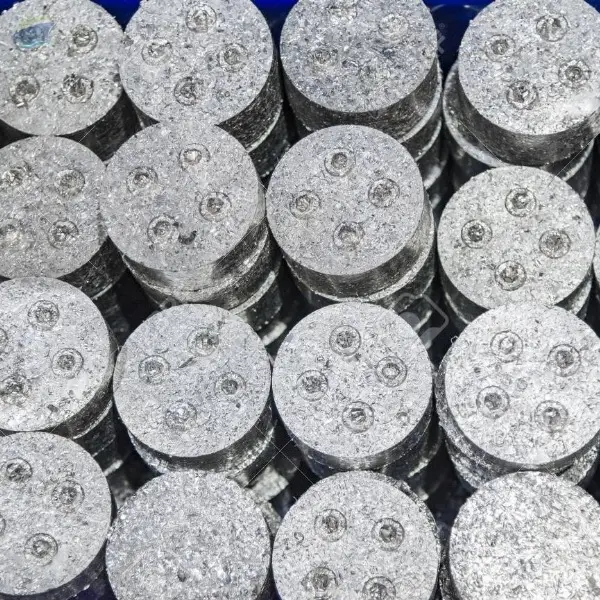
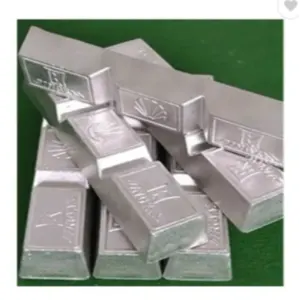
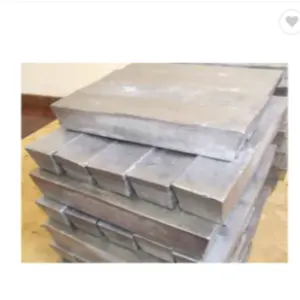
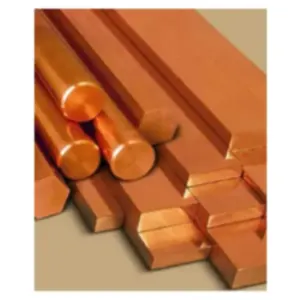
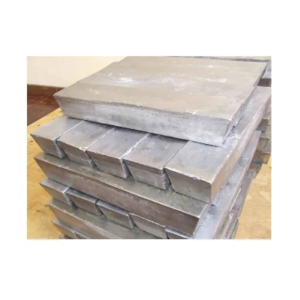
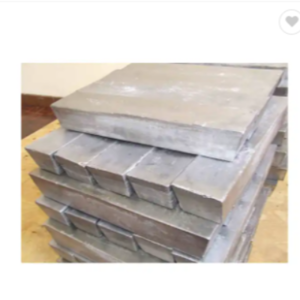
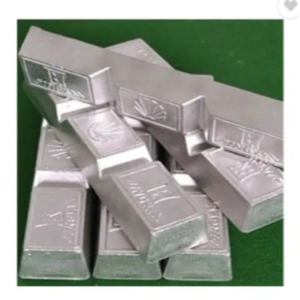
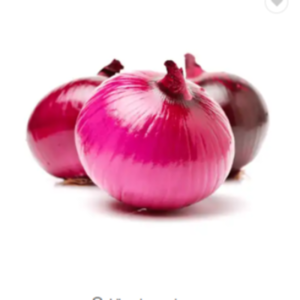
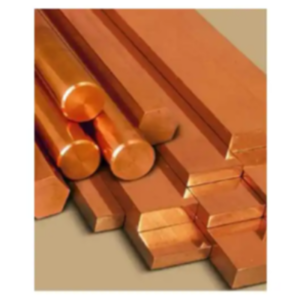
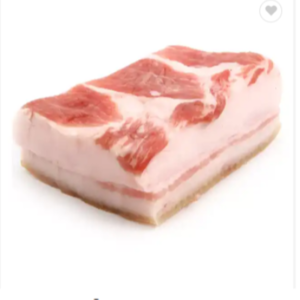
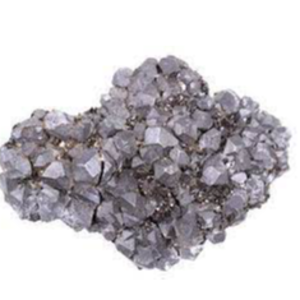
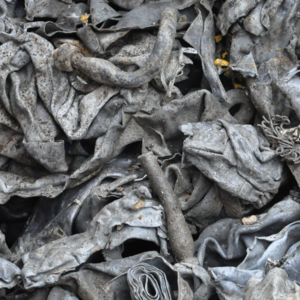
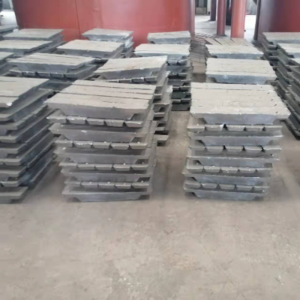
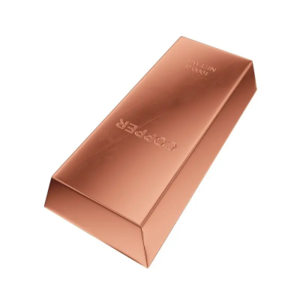
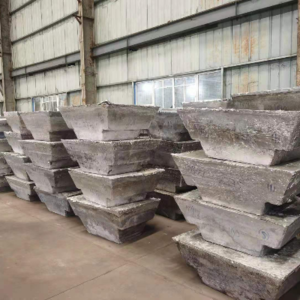
The catalogue covers three distinct groups: wooden packaging (WOOD PALLET, HS 4415.20), food products (Onion, HS 0712.20; Pork, HS 0203.21) and unwrought metal ingots (Brass IGNOT, HS 7403.21; LEAD IGNOTS, LEAD IGNOT ALLOY and lead antimony alloy ingot, HS 7801.11/7801.99). In the wood segment, pallets are typically 1 200 × 1 000 × 145 mm, heat‑treated to meet ISPM 15, and have a moisture content not exceeding 20 %. Fresh onions are usually sized 40‑60 mm, packed in ventilated mesh bags of 25 kg, and must meet moisture limits below 85 %. Chilled pork is shipped at 0‑4 °C in vacuum‑sealed cartons and requires USDA‑FSIS inspection. Brass ingots are Cu‑Zn alloys with 30‑40 % zinc, conforming to ASTM B36/ISO 2103, and are supplied in standard ingot dimensions up to 1 m length with chemical tolerance ±0.5 %. Lead ingots are described as soft lead with 99.97‑99.99 % purity or lead‑antimony alloys containing 3‑6 % antimony, usually cast into 500 kg ingots and wrapped in moisture‑resistant film.
Typical industry grades for these categories include ISO‑9001 quality management for metal alloys, HACCP compliance for pork, and phytosanitary certification for both wood pallets and onions. Buyers often request material test reports for brass (copper and zinc percentages) and lead (purity and antimony content), as well as assay certificates that verify the stated composition.
Trade and Export Information - TradingXZ LLC
United States exporters of wood pallets must comply with ISPM 15 heat‑treatment standards and provide a phytosanitary certificate for the wooden material. Onion shipments also require a phytosanitary certificate and a certificate of origin, while pork exports need a USDA export health certificate, HACCP documentation and temperature monitoring records. Metal ingots classified under HS 7403 and 7801 are subject to customs declaration, EPA lead‑handling rules, and may need to meet REACH or EU RoHS limits when destined for European markets. Typical destination regions for these goods include the European Union, the Middle East and Southeast Asia, where buyers import pallets for logistics, food items for processing, and metal ingots for manufacturing.
Logistically, wooden pallets and metal ingots are usually loaded in 20‑ft or 40‑ft containers on a palletized basis, while onions and pork are packed in bulk bags or cartons that fit within the same container types. Common incoterms used by US bulk exporters are FOB (Free on Board) and CIF (Cost, Insurance and Freight), allowing buyers to arrange import clearance and inland transport in their own markets.
Sourcing from TradingXZ LLC - Buyer Guidance
When sourcing wood pallets, buyers should request the ISPM 15 heat‑treatment certificate, moisture content test results and a phytosanitary inspection report. For onion purchases, a recent phytosanitary certificate, size grading report and moisture analysis are standard verification documents. Pork orders should be accompanied by a USDA export health certificate, HACCP compliance statement and a temperature log confirming the chilled condition throughout transit.
For metal ingots, buyers are advised to obtain a material test report that details the exact copper‑zinc ratio for brass and the lead‑antimony percentages for lead alloys, together with an assay certificate that confirms purity levels. An MSDS for lead products and any applicable REACH compliance declaration should also be reviewed before shipment. Verifying that the HS code on the commercial invoice matches the product description helps avoid customs delays, and confirming container sealing procedures ensures the integrity of bulk shipments.
Frequently Asked Questions About TradingXZ LLC
What HS code does TradingXZ LLC use for its wood pallet product?
The wood pallet is listed under HS code 4415.20, which covers wooden packaging materials such as pallets and crates.
Which certifications should a buyer request for the onion shipment?
Buyers should ask for a phytosanitary certificate, a certificate of origin, and a recent quality inspection report confirming compliance with the 0712.20 vegetable classification.
How is the pork product classified and what documentation is required?
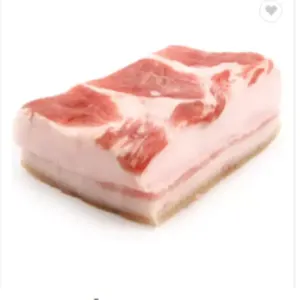
Pork is classified under HS 0203.21 for chilled fresh pork. Required documents typically include a USDA export health certificate, a HACCP compliance statement, and a certificate of origin.
What are the typical specifications for the brass ingot offered?
The brass ingot is a Cu‑Zn alloy with 30‑40 % zinc, falling under HS 7403.21. Standard specifications include chemical composition within ±0.5 % tolerance, dimensions up to 1 m length, and an assay report meeting ASTM B36 standards.
What purity levels are expected for the lead ingot products?
Lead ingots are described as soft lead with 99.97 % - 99.99 % purity, while lead‑antimony alloys contain 3 % - 6 % antimony, matching the HS 7801.11 and 7801.99 classifications.
Which export documentation is commonly required for lead alloy shipments from the United States?
Typical documents include a commercial invoice, a material safety data sheet (MSDS), a lead‑content assay certificate, and compliance statements for EPA and REACH regulations.
What packaging and container options are typical for these bulk commodities?
Wood pallets are loaded in 20‑ft or 40‑ft containers; onions are packed in ventilated mesh bags; pork is vacuum‑sealed in temperature‑controlled cartons; metal ingots are wrapped in moisture‑resistant film and palletized for container loading.
What incoterms are frequently used for TradingXZ LLC’s shipments?
FOB (Free on Board) and CIF (Cost, Insurance, and Freight) are the most common incoterms employed for the company’s bulk exports from the United States.




 , United States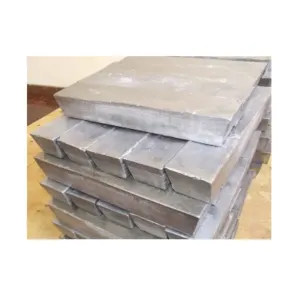






.jpg.png)