Agriculture›
 Apparel and fashion accessories›
 Construction & real estate›💡Electronic & Electrical›🍎Food & Beverages›🛋️Home furnishing & supplies›⚗️Industrial goods & chemical›🪨Minerals & metals›📦Miscellaneous›Agriculture›Apparel and fashion accessories›Construction & real estate›💡Electronic & Electrical›🍎Food & Beverages›🛋️Home furnishing & supplies›⚗️Industrial goods & chemical›🪨Minerals & metals›📦Miscellaneous›
Top G Trading LLC Product Catalog


About Top G Trading LLC - Fruit Juices Supplier in Bulgaria
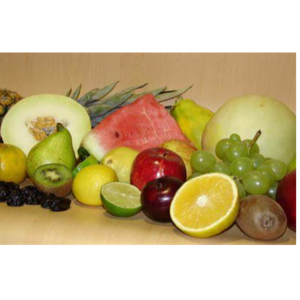
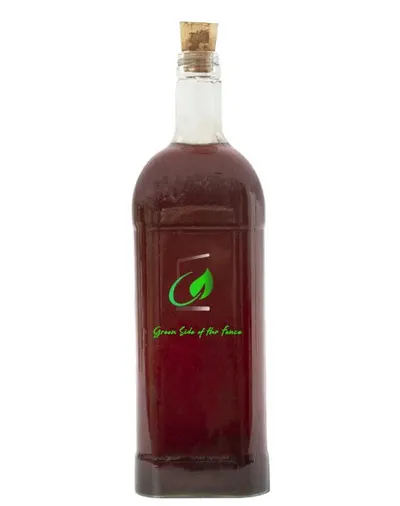
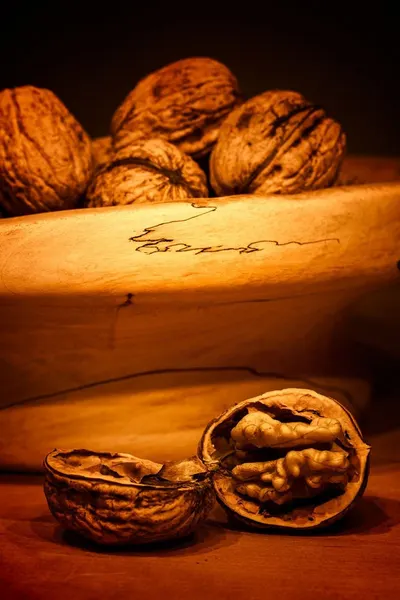
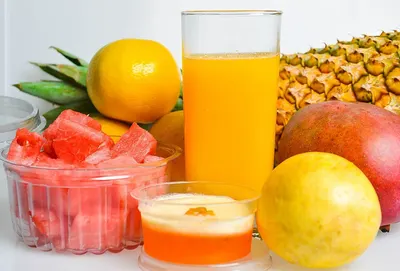
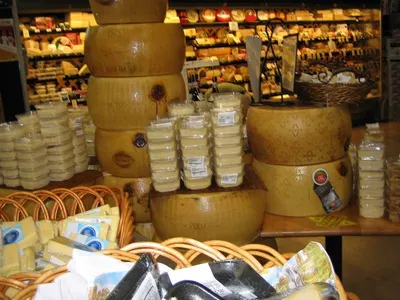
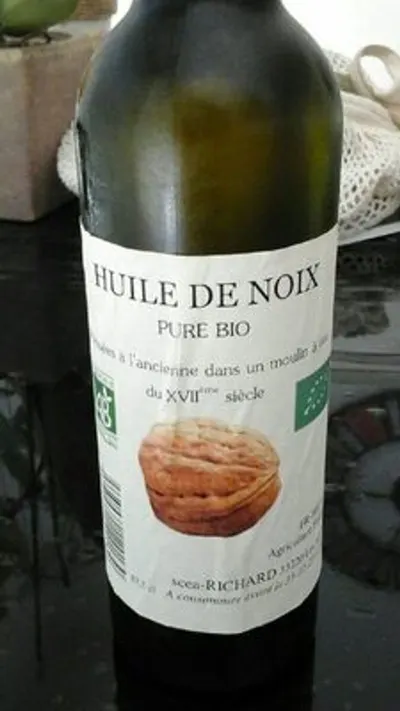
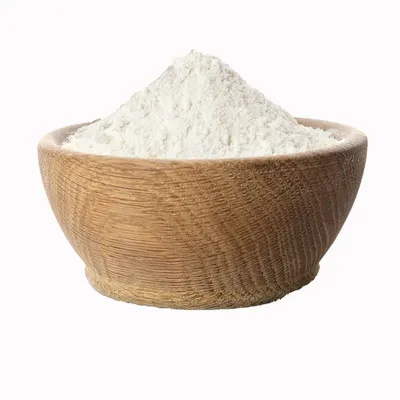
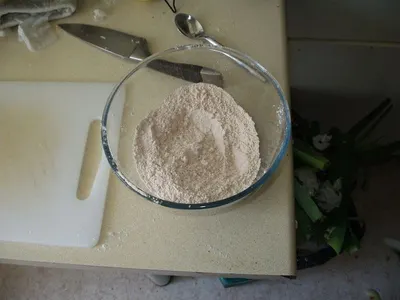
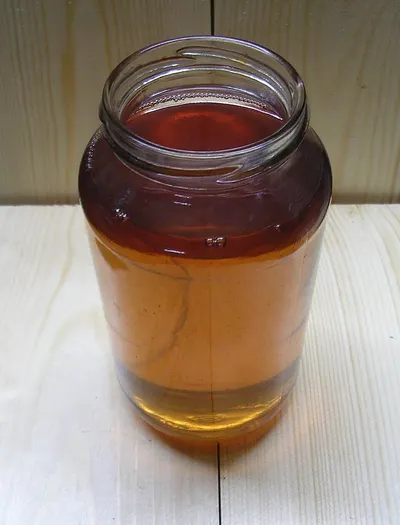
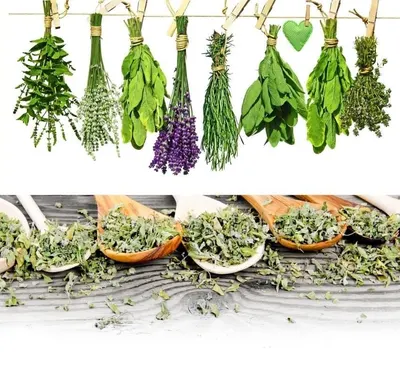
Top G Trading LLC operates from Bulgaria and currently lists 13 active products across several food and natural product categories. The catalogue spans fruit juices, nut oils, flours, honey, herbs, snacks and related items, reflecting HS chapter 20 for edible nuts, chapter 21 for fruits and nuts, and chapter 30 for preparations of beverages. Products include Organic Walnut Oil, Organic Hazelnut Oil, Walnut and Hazelnut Flours, Rose Honey, Organic Herbs, French Fries, Green Beans, Goat Cheese, Fresh Fruit Juice, Cold‑Pressed Apple Juice, Peeled Walnuts in vacuum packaging and Beeswax. The supplier’s portfolio therefore covers both liquid extracts and solid food ingredients that are commonly classified under HS 2008‑2009 for nuts and HS 2009 for fruit juices. Each item is presented as an organic or natural variant, matching typical export listings from Bulgaria.
Bulgarian exporters of these categories often target EU markets, the Middle East and North Africa, where demand for organic and natural food ingredients remains strong. The fruit juice items such as Fresh Fruit Juice and Cold‑Pressed Apple Juice fall under HS 2009 and are usually subject to EU food safety regulations, including traceability and pesticide residue limits. Walnut and hazelnut oils are classified under HS 1509 and are evaluated for free fatty acid content and peroxide value. Honey and beeswax are covered by HS 0409 and are typically required to meet moisture and purity specifications. The snack items, French Fries and Green Beans, belong to HS 2005 for prepared vegetables and are often shipped in frozen or chilled containers.
Product Range and Specialties of Top G Trading LLC
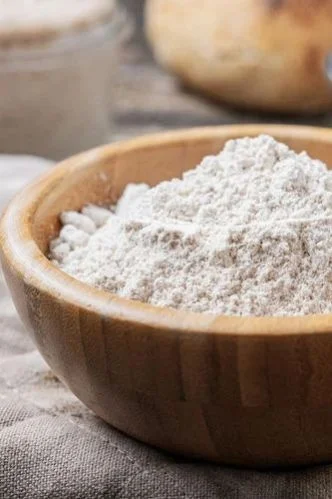
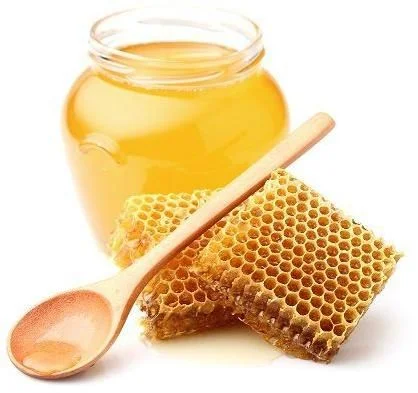
Top G Trading LLC’s catalogue lists organic walnut and hazelnut oils, corresponding flours, rose‑flavored honey, a range of dried herbs, frozen French fries, green beans, goat cheese, fresh fruit juice, cold‑pressed apple juice, vacuum‑packed peeled walnuts and pure beeswax. In the nut oil segment, buyers usually require cold‑pressed oils with free fatty acid (FFA) levels below 0.5 % and peroxide values under 10 meq O₂/kg, while organic certification is verified through EU organic standards. Walnut and hazelnut flours are typically milled to a particle size of 150 - 250 µm and marketed for bakery or confectionery applications with moisture content below 12 %. Honey marketed as “rose” often carries a moisture content under 20 % and diastase activity above 8 Schmidt units. Fruit juices destined for EU markets are generally pasteurised, with Brix values between 10 - 12 % for apple juice and a shelf‑life of 12 months in PET bottles. Frozen snack vegetables such as French fries and green beans are usually packed in 20 kg cartons for container loading and must meet EU frozen food hygiene standards.
Frequently Asked Questions About Top G Trading LLC
What product categories does Top G Trading LLC offer?
The supplier lists organic walnut and hazelnut oils, walnut and hazelnut flours, rose‑flavored honey, a range of dried organic herbs, frozen French fries, green beans, goat cheese, fresh fruit juice, cold‑pressed apple juice, vacuum‑packed peeled walnuts and pure beeswax. These items span liquid extracts, solid food ingredients and snack products.
Which HS codes are applicable to the main products?
Nut oils and flours fall under HS 1509 (vegetable oils) and HS 2008‑2009 (nuts and kernels). Honey and beeswax are classified under HS 0409, while fruit juices use HS 2009. Frozen vegetable snacks such as French fries and green beans are covered by HS 2005, and vacuum‑packed peeled walnuts also use HS 2008.
What quality specifications are typical for the walnut and hazelnut oils?
Buyers usually require cold‑pressed oil with free fatty acid content below 0.5 % and peroxide value under 10 meq O₂/kg. The oils must comply with EU organic standards and be accompanied by a shelf‑life statement of at least 12 months. Laboratory certificates confirming these parameters are standard practice.
How is the honey quality verified?
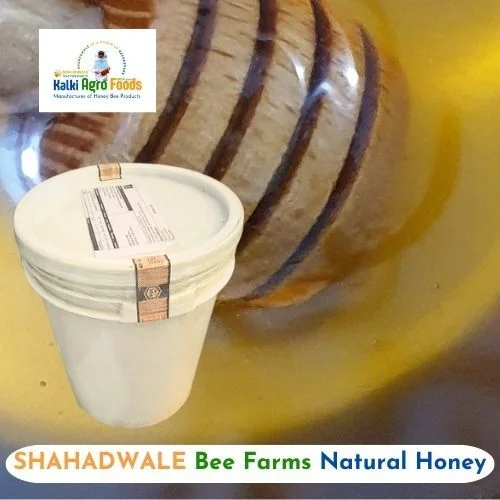
Standard checks include moisture content not exceeding 20 %, diastase activity above 8 Schmidt units and a laboratory report confirming the absence of pesticide residues. A phytosanitary certificate is also required for many import markets. Documentation of the floral source (rose) is often requested for traceability.
What documentation should a buyer request for fruit juice shipments?
Typical documents are a product specification sheet (Brix, pH, pasteurisation parameters), a HACCP compliance statement and an EU health certificate issued by Bulgarian authorities. A commercial invoice indicating HS 2009 and a certificate of origin are also customary.
 Bulgaria
Related Suppliers & Products
Explore similar suppliers, related products and trending categories