Tone Dealings Private Limited — Supplier

About Tone Dealings Private Limited - Cocopeat & Grow Bags Supplier in India

India hosts Tone Dealings Private Limited, which currently lists 51 active products across several categories such as cocopeat, grow bags, coir products and related horticultural items. The catalogue mentions items ranging from "Instant Cup Sambrani" to "Cocopeat Grow Bag" and includes multiple products with specific HS codes, for example HS 6307.90 for a non‑woven polypropylene grow bag, HS 5305.90 for a tomato grow bag, HS 5305.00 for a 85 × 12 × 10 cm grow‑bag slab, HS 3824.99 for a grow‑bag slab of coco peat, HS 0602.90 for compressed coco coir slabs and HS 5305.19 for a poly grow bag. Each entry specifies the material, most often coconut coir, coco peat or a polypropylene non‑woven fabric filled with coconut fibre. The supplier’s top categories also include suitcases, soil conditioners and fragrances, but the dominant product set relates to horticultural substrates and containers. The listing does not provide any corporate history, employee numbers or revenue figures, focusing solely on the product inventory.

The product set concentrates on horticultural substrates derived from coconut fibre, commonly known as cocopeat or coir pith, and on grow‑bag containers that combine polypropylene non‑woven fabric with that substrate. HS‑code families appearing in the catalogue belong to Chapter 53 (horticultural and agricultural products) and Chapter 63 (other made‑up textile articles) as well as Chapter 06 for compressed coir slabs. The supplier also references generic items such as "Manufacturer And Exporter Of Coir Products" and "Low‑Price Grow Bags" without additional HS classification. No certifications are listed for the company, so buyers should verify standard industry certifications separately. The catalogue’s breadth indicates the supplier targets bulk buyers needing large‑volume horticultural media and reusable grow‑bag solutions.

Product Range and Specialties of Tone Dealings Private Limited

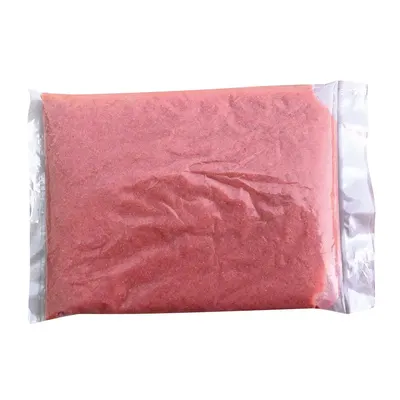
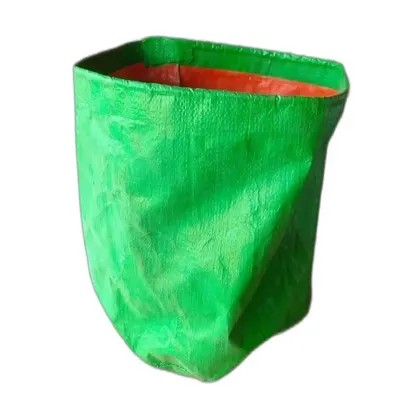
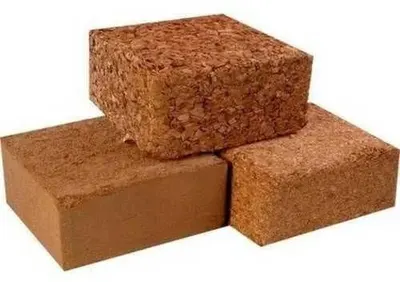
Tone Dealings Private Limited lists a variety of cocopeat‑based products, including bulk coco blocks, 2 kg coco peat bags, pelletised coco peat, and compressed coir slabs for strawberry cultivation (HS 0602.90). In the horticultural substrate market, cocopeat is typically graded by moisture content (usually 10‑12 %), pH (5.5‑6.5), electrical conductivity (<2 dS m⁻¹) and bulk density (150‑250 kg m⁻³). Buyers also look for certifications such as ISO 9001, phytosanitary certificates and compliance with the EU REACH regulation for organic substrates. The grow‑bag line includes polypropylene non‑woven fabric bags (HS 6307.90) filled with coco peat, tomato‑specific bags (HS 5305.90) and poly grow bags (HS 5305.19). Industry standards for these bags specify fabric tensile strength of 200‑300 MPa, UV‑stabilised material, and capacities ranging from 10 L to 100 gallon containers. Typical packaging is in 20‑ft or 40‑ft containers, with each bag often wrapped in polyethylene film to preserve moisture.

Trade and Export Information - Tone Dealings Private Limited

India is a major exporter of coconut‑derived horticultural substrates, with the majority of shipments destined for the United States, the European Union, the Middle East and Southeast Asian markets. HS 5305‑series codes (e.g., 5305.90, 5305.00, 5305.19) are classified under Chapter 53, which commonly requires a phytosanitary certificate and, for EU destinations, compliance with the EU Plant Health Regulation. Polypropylene non‑woven grow bags (HS 6307.90) fall under Chapter 63 and are subject to textile import regulations, including labelling of fibre content and material safety data sheets. Typical logistics involve FOB or CIF terms, with container loading optimized for 1 000 kg per cubic metre, allowing up to 30 tonnes of bulk cocopeat per 20‑ft container. Export documentation usually includes a commercial invoice, packing list, certificate of origin, and, where required, a fumigation or heat‑treatment certificate for organic substrates.

Sourcing from Tone Dealings Private Limited - Buyer Guidance

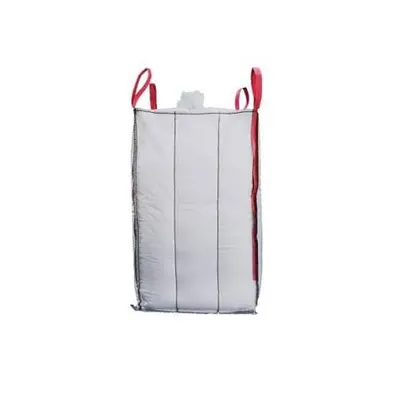
When sourcing cocopeat or grow‑bag products from Tone Dealings, buyers should request a recent laboratory analysis covering moisture, pH, EC, bulk density and any residual pesticide levels. A phytosanitary certificate confirming the product is free from soil‑borne pests is standard for horticultural imports, and ISO 9001 or ISO 14001 compliance can be asked for to assess quality management. Verify the HS code on the commercial invoice matches the product description (e.g., HS 5305.90 for tomato grow bags) to avoid customs delays. Samples of the polypropylene fabric should be examined for tensile strength and UV resistance, while cocopeat samples should be checked for uniform particle size (typically 2‑5 mm) and low salt content. Confirm packaging details - most bulk cocopeat is shipped in woven sacks of 25 kg or in bulk bags, whereas grow bags are usually packed in cartons or shrink‑wrapped pallets - to ensure compatibility with your warehouse handling.

Frequently Asked Questions About Tone Dealings Private Limited

What horticultural substrate products does Tone Dealings Private Limited provide?

The supplier lists bulk coco blocks, 2 kg coco peat bags, pelletised coco peat, compressed coir slabs (HS 0602.90) and organic coir pith, all derived from coconut fibre.

Which grow‑bag types are available and what are their HS codes?

Grow bags include a non‑woven polypropylene bag (HS 6307.90), a tomato‑specific bag (HS 5305.90), a poly grow bag (HS 5305.19) and a generic grow‑bag slab (HS 5305.00).

What specifications should a buyer verify for cocopeat?

Typical specifications include moisture content 10‑12 %, pH 5.5‑6.5, EC below 2 dS m⁻¹, bulk density 150‑250 kg m⁻³ and particle size 2‑5 mm.

Are any certifications required for importing these products?

Buyers usually require a phytosanitary certificate, and may request ISO 9001 or ISO 14001 compliance, as well as REACH conformity for EU shipments.

What packaging formats are used for bulk cocopeat shipments?

Bulk cocopeat is commonly shipped in 25 kg woven sacks, bulk bags or directly in containers, while grow bags are often packed in shrink‑wrapped pallets or cartons.

What are the typical lead times and minimum order quantities?

Lead times for cocopeat substrates range from 2‑4 weeks after order confirmation, with minimum orders often starting at 5 tonnes; grow‑bag orders typically require a MOQ of 1 000 units per size.

Which regions most frequently import these Indian coir products?

The United States, European Union countries, the Middle East and Southeast Asian nations are the primary import markets for Indian cocopeat and coir‑based grow bags.

How should a buyer request a sample before placing a bulk order?

Buyers can request a 5‑kg sample of cocopeat or a single unit of the desired grow bag, accompanied by the latest lab test report and a phytosanitary certificate.


Featured Products from this Supplier

Other Suppliers in Primary Category

Top Trusted Suppliers

Related Products

Trending in Parent Category

More Suppliers in Category

Related Products

Other Suppliers

EximNext
7.1K+ live requirements
Register Free🎁 Reach global buyers
Post Requirement
🌍 Trusted by 225K+ businesses in 200+ countries|
7.1K+ active requirements right now
✉️ [email protected]
|
Sell on EximNextPost Requirement
EximNext
AgricultureApparelConstructionElectronicFoodHomeIndustrialMineralsMiscellaneous
🔥 Deals|✨ AI Match|🏭 Suppliers|📋 Buy Leads|💰 Trade Finance
7.1K+ live RFQs·194.8K+ suppliers
🎁 Reach global buyers →
EximNext
EximNext
Register Free
🎁 Reach global buyers
Sign In
📋Post Requirement💬Get Quotes✨AI Match📋RFQ Marketplace
All Categories
Services & Tools
🏭Supplier Directory🔥Today's Deals💰Trade Finance
Sell on EximNext →
AboutContactBlogHelp
Apparel & Home  ·  India
51
products listed

Tone Dealings Private Limited

⚓ Harbor
Country flag , IndiaNew supplier / no reviews yet
🛡️
77/100
Trust Score

Tone Dealings Private Limited Product Catalog

Showing 12 of 51 products
View all products →
Coco Peat Planter Bags
⚓ Harbor
Coco Peat Planter Bags
Contact
MOQ: 1 Unit
Perfect Cushion Coco Peat For Horses
⚓ Harbor
Perfect Cushion Coco Peat For Horses
Contact
MOQ: 1 Unit
Grow Bag Slab100 X 20 X 16
⚓ Harbor
Grow Bag Slab100 X 20 X 16
Contact
MOQ: 1 Unit
Grow Bag Slab 100 X 20 X 14
⚓ Harbor
Grow Bag Slab 100 X 20 X 14
Contact
MOQ: 1 Unit
Grow Bag Slab 100 X 20 X 10
⚓ Harbor
Grow Bag Slab 100 X 20 X 10
Contact
MOQ: 1 Unit
Grow Bag Slab 100 X 10 X 10
⚓ Harbor
Grow Bag Slab 100 X 10 X 10
Contact
MOQ: 1 Unit
Coco Slab / Coco Peat Slab
⚓ Harbor
Coco Slab / Coco Peat Slab
Contact
MOQ: 1 Unit
Cococnut Coir Price Growbags
⚓ Harbor
Cococnut Coir Price Growbags
Contact
MOQ: 1 Unit
Flowers Wholesale Grow Bags
⚓ Harbor
Flowers Wholesale Grow Bags
Contact
MOQ: 1 Unit
Coco Peat
⚓ Harbor
Coco Peat
Contact
MOQ: 1 Unit
Coir Growbags For Vegetable Production
⚓ Harbor
Coir Growbags For Vegetable Production
Contact
MOQ: 1 Unit
Manufacturers, Suppliers & Exporters Cocopeat
⚓ Harbor
Manufacturers, Suppliers & Exporters Cocopeat
Contact
MOQ: 1 Unit

About Tone Dealings Private Limited - Cocopeat & Grow Bags Supplier in India

India hosts Tone Dealings Private Limited, which currently lists 51 active products across several categories such as cocopeat, grow bags, coir products and related horticultural items. The catalogue mentions items ranging from "Instant Cup Sambrani" to "Cocopeat Grow Bag" and includes multiple products with specific HS codes, for example HS 6307.90 for a non‑woven polypropylene grow bag, HS 5305.90 for a tomato grow bag, HS 5305.00 for a 85 × 12 × 10 cm grow‑bag slab, HS 3824.99 for a grow‑bag slab of coco peat, HS 0602.90 for compressed coco coir slabs and HS 5305.19 for a poly grow bag. Each entry specifies the material, most often coconut coir, coco peat or a polypropylene non‑woven fabric filled with coconut fibre. The supplier’s top categories also include suitcases, soil conditioners and fragrances, but the dominant product set relates to horticultural substrates and containers. The listing does not provide any corporate history, employee numbers or revenue figures, focusing solely on the product inventory.

The product set concentrates on horticultural substrates derived from coconut fibre, commonly known as cocopeat or coir pith, and on grow‑bag containers that combine polypropylene non‑woven fabric with that substrate. HS‑code families appearing in the catalogue belong to Chapter 53 (horticultural and agricultural products) and Chapter 63 (other made‑up textile articles) as well as Chapter 06 for compressed coir slabs. The supplier also references generic items such as "Manufacturer And Exporter Of Coir Products" and "Low‑Price Grow Bags" without additional HS classification. No certifications are listed for the company, so buyers should verify standard industry certifications separately. The catalogue’s breadth indicates the supplier targets bulk buyers needing large‑volume horticultural media and reusable grow‑bag solutions.

Product Range and Specialties of Tone Dealings Private Limited

Tone Dealings Private Limited lists a variety of cocopeat‑based products, including bulk coco blocks, 2 kg coco peat bags, pelletised coco peat, and compressed coir slabs for strawberry cultivation (HS 0602.90). In the horticultural substrate market, cocopeat is typically graded by moisture content (usually 10‑12 %), pH (5.5‑6.5), electrical conductivity (<2 dS m⁻¹) and bulk density (150‑250 kg m⁻³). Buyers also look for certifications such as ISO 9001, phytosanitary certificates and compliance with the EU REACH regulation for organic substrates. The grow‑bag line includes polypropylene non‑woven fabric bags (HS 6307.90) filled with coco peat, tomato‑specific bags (HS 5305.90) and poly grow bags (HS 5305.19). Industry standards for these bags specify fabric tensile strength of 200‑300 MPa, UV‑stabilised material, and capacities ranging from 10 L to 100 gallon containers. Typical packaging is in 20‑ft or 40‑ft containers, with each bag often wrapped in polyethylene film to preserve moisture.

Trade and Export Information - Tone Dealings Private Limited

India is a major exporter of coconut‑derived horticultural substrates, with the majority of shipments destined for the United States, the European Union, the Middle East and Southeast Asian markets. HS 5305‑series codes (e.g., 5305.90, 5305.00, 5305.19) are classified under Chapter 53, which commonly requires a phytosanitary certificate and, for EU destinations, compliance with the EU Plant Health Regulation. Polypropylene non‑woven grow bags (HS 6307.90) fall under Chapter 63 and are subject to textile import regulations, including labelling of fibre content and material safety data sheets. Typical logistics involve FOB or CIF terms, with container loading optimized for 1 000 kg per cubic metre, allowing up to 30 tonnes of bulk cocopeat per 20‑ft container. Export documentation usually includes a commercial invoice, packing list, certificate of origin, and, where required, a fumigation or heat‑treatment certificate for organic substrates.

Sourcing from Tone Dealings Private Limited - Buyer Guidance

When sourcing cocopeat or grow‑bag products from Tone Dealings, buyers should request a recent laboratory analysis covering moisture, pH, EC, bulk density and any residual pesticide levels. A phytosanitary certificate confirming the product is free from soil‑borne pests is standard for horticultural imports, and ISO 9001 or ISO 14001 compliance can be asked for to assess quality management. Verify the HS code on the commercial invoice matches the product description (e.g., HS 5305.90 for tomato grow bags) to avoid customs delays. Samples of the polypropylene fabric should be examined for tensile strength and UV resistance, while cocopeat samples should be checked for uniform particle size (typically 2‑5 mm) and low salt content. Confirm packaging details - most bulk cocopeat is shipped in woven sacks of 25 kg or in bulk bags, whereas grow bags are usually packed in cartons or shrink‑wrapped pallets - to ensure compatibility with your warehouse handling.

Frequently Asked Questions About Tone Dealings Private Limited

What horticultural substrate products does Tone Dealings Private Limited provide?

The supplier lists bulk coco blocks, 2 kg coco peat bags, pelletised coco peat, compressed coir slabs (HS 0602.90) and organic coir pith, all derived from coconut fibre.

Which grow‑bag types are available and what are their HS codes?

Grow bags include a non‑woven polypropylene bag (HS 6307.90), a tomato‑specific bag (HS 5305.90), a poly grow bag (HS 5305.19) and a generic grow‑bag slab (HS 5305.00).

What specifications should a buyer verify for cocopeat?

Typical specifications include moisture content 10‑12 %, pH 5.5‑6.5, EC below 2 dS m⁻¹, bulk density 150‑250 kg m⁻³ and particle size 2‑5 mm.

Are any certifications required for importing these products?

Buyers usually require a phytosanitary certificate, and may request ISO 9001 or ISO 14001 compliance, as well as REACH conformity for EU shipments.

What packaging formats are used for bulk cocopeat shipments?

Bulk cocopeat is commonly shipped in 25 kg woven sacks, bulk bags or directly in containers, while grow bags are often packed in shrink‑wrapped pallets or cartons.

What are the typical lead times and minimum order quantities?

Lead times for cocopeat substrates range from 2‑4 weeks after order confirmation, with minimum orders often starting at 5 tonnes; grow‑bag orders typically require a MOQ of 1 000 units per size.

Which regions most frequently import these Indian coir products?

The United States, European Union countries, the Middle East and Southeast Asian nations are the primary import markets for Indian cocopeat and coir‑based grow bags.

How should a buyer request a sample before placing a bulk order?

Buyers can request a 5‑kg sample of cocopeat or a single unit of the desired grow bag, accompanied by the latest lab test report and a phytosanitary certificate.

About Tone Dealings Private Limited - Cocopeat & Grow Bags Supplier in India

India hosts Tone Dealings Private Limited, which currently lists 51 active products across several categories such as cocopeat, grow bags, coir products and related horticultural items. The catalogue mentions items ranging from "Instant Cup Sambrani" to "Cocopeat Grow Bag" and includes multiple products with specific HS codes, for example HS 6307.90 for a non‑woven polypropylene grow bag, HS 5305.90 for a tomato grow bag, HS 5305.00 for a 85 × 12 × 10 cm grow‑bag slab, HS 3824.99 for a grow‑bag slab of coco peat, HS 0602.90 for compressed coco coir slabs and HS 5305.19 for a poly grow bag. Each entry specifies the material, most often coconut coir, coco peat or a polypropylene non‑woven fabric filled with coconut fibre. The supplier’s top categories also include suitcases, soil conditioners and fragrances, but the dominant product set relates to horticultural substrates and containers. The listing does not provide any corporate history, employee numbers or revenue figures, focusing solely on the product inventory.

The product set concentrates on horticultural substrates derived from coconut fibre, commonly known as cocopeat or coir pith, and on grow‑bag containers that combine polypropylene non‑woven fabric with that substrate. HS‑code families appearing in the catalogue belong to Chapter 53 (horticultural and agricultural products) and Chapter 63 (other made‑up textile articles) as well as Chapter 06 for compressed coir slabs. The supplier also references generic items such as "Manufacturer And Exporter Of Coir Products" and "Low‑Price Grow Bags" without additional HS classification. No certifications are listed for the company, so buyers should verify standard industry certifications separately. The catalogue’s breadth indicates the supplier targets bulk buyers needing large‑volume horticultural media and reusable grow‑bag solutions.

Product Range and Specialties of Tone Dealings Private Limited

Tone Dealings Private Limited lists a variety of cocopeat‑based products, including bulk coco blocks, 2 kg coco peat bags, pelletised coco peat, and compressed coir slabs for strawberry cultivation (HS 0602.90). In the horticultural substrate market, cocopeat is typically graded by moisture content (usually 10‑12 %), pH (5.5‑6.5), electrical conductivity (<2 dS m⁻¹) and bulk density (150‑250 kg m⁻³). Buyers also look for certifications such as ISO 9001, phytosanitary certificates and compliance with the EU REACH regulation for organic substrates. The grow‑bag line includes polypropylene non‑woven fabric bags (HS 6307.90) filled with coco peat, tomato‑specific bags (HS 5305.90) and poly grow bags (HS 5305.19). Industry standards for these bags specify fabric tensile strength of 200‑300 MPa, UV‑stabilised material, and capacities ranging from 10 L to 100 gallon containers. Typical packaging is in 20‑ft or 40‑ft containers, with each bag often wrapped in polyethylene film to preserve moisture.

Trade and Export Information - Tone Dealings Private Limited

India is a major exporter of coconut‑derived horticultural substrates, with the majority of shipments destined for the United States, the European Union, the Middle East and Southeast Asian markets. HS 5305‑series codes (e.g., 5305.90, 5305.00, 5305.19) are classified under Chapter 53, which commonly requires a phytosanitary certificate and, for EU destinations, compliance with the EU Plant Health Regulation. Polypropylene non‑woven grow bags (HS 6307.90) fall under Chapter 63 and are subject to textile import regulations, including labelling of fibre content and material safety data sheets. Typical logistics involve FOB or CIF terms, with container loading optimized for 1 000 kg per cubic metre, allowing up to 30 tonnes of bulk cocopeat per 20‑ft container. Export documentation usually includes a commercial invoice, packing list, certificate of origin, and, where required, a fumigation or heat‑treatment certificate for organic substrates.

Sourcing from Tone Dealings Private Limited - Buyer Guidance

When sourcing cocopeat or grow‑bag products from Tone Dealings, buyers should request a recent laboratory analysis covering moisture, pH, EC, bulk density and any residual pesticide levels. A phytosanitary certificate confirming the product is free from soil‑borne pests is standard for horticultural imports, and ISO 9001 or ISO 14001 compliance can be asked for to assess quality management. Verify the HS code on the commercial invoice matches the product description (e.g., HS 5305.90 for tomato grow bags) to avoid customs delays. Samples of the polypropylene fabric should be examined for tensile strength and UV resistance, while cocopeat samples should be checked for uniform particle size (typically 2‑5 mm) and low salt content. Confirm packaging details - most bulk cocopeat is shipped in woven sacks of 25 kg or in bulk bags, whereas grow bags are usually packed in cartons or shrink‑wrapped pallets - to ensure compatibility with your warehouse handling.

Frequently Asked Questions About Tone Dealings Private Limited
What horticultural substrate products does Tone Dealings Private Limited provide?
The supplier lists bulk coco blocks, 2 kg coco peat bags, pelletised coco peat, compressed coir slabs (HS 0602.90) and organic coir pith, all derived from coconut fibre.
Which grow‑bag types are available and what are their HS codes?
Grow bags include a non‑woven polypropylene bag (HS 6307.90), a tomato‑specific bag (HS 5305.90), a poly grow bag (HS 5305.19) and a generic grow‑bag slab (HS 5305.00).
What specifications should a buyer verify for cocopeat?
Typical specifications include moisture content 10‑12 %, pH 5.5‑6.5, EC below 2 dS m⁻¹, bulk density 150‑250 kg m⁻³ and particle size 2‑5 mm.
Are any certifications required for importing these products?
Buyers usually require a phytosanitary certificate, and may request ISO 9001 or ISO 14001 compliance, as well as REACH conformity for EU shipments.
What packaging formats are used for bulk cocopeat shipments?
Bulk cocopeat is commonly shipped in 25 kg woven sacks, bulk bags or directly in containers, while grow bags are often packed in shrink‑wrapped pallets or cartons.
What are the typical lead times and minimum order quantities?
Lead times for cocopeat substrates range from 2‑4 weeks after order confirmation, with minimum orders often starting at 5 tonnes; grow‑bag orders typically require a MOQ of 1 000 units per size.
Which regions most frequently import these Indian coir products?
The United States, European Union countries, the Middle East and Southeast Asian nations are the primary import markets for Indian cocopeat and coir‑based grow bags.
How should a buyer request a sample before placing a bulk order?
Buyers can request a 5‑kg sample of cocopeat or a single unit of the desired grow bag, accompanied by the latest lab test report and a phytosanitary certificate.

Tone Dealings Private Limited
Country flag India
⚓ HarborApparel & Home
77/100
Trust Score
51
Products
✓ Free to contact — no commission
✓ Escrow payment available
✓ Verified business identity
Compare more suppliers
Post a requirement — get 10 quotes free
Let verified suppliers compete for your business. Free, fast, no commitment.
Due Diligence
Verify this supplier's real shipping history.
Every shipment, every buyer, every port. Trade data that can't be faked.
Run due diligence →
Discover More

Related Suppliers & Products

Explore similar suppliers, related products and trending categories

Featured Products from this Supplier

Other Suppliers in Primary Category

Top Trusted Suppliers

Related Products

Trending in Parent Category

More Suppliers in Category

Stay ahead in global trade
Weekly market insights & new supplier alerts.
EximNext
Exim Next is a leading global B2B marketplace, connecting over 220,000 registered suppliers and buyers across 200+ countries. As a trusted import export marketplace, it serves as the essential B2B portal for businesses worldwide, empowering them to expand their international reach. With Exim Next, businesses can trade smarter and grow faster.
SECURE PAYMENTS
VISAMastercardPayPalSWIFTL/CEscrow
Follow us
© 2026 EximNext