Ton global enterprise — Verified Trader & Wholesale Supplier
About Ton global enterprise - Electronic Scrap Supplier in Australia
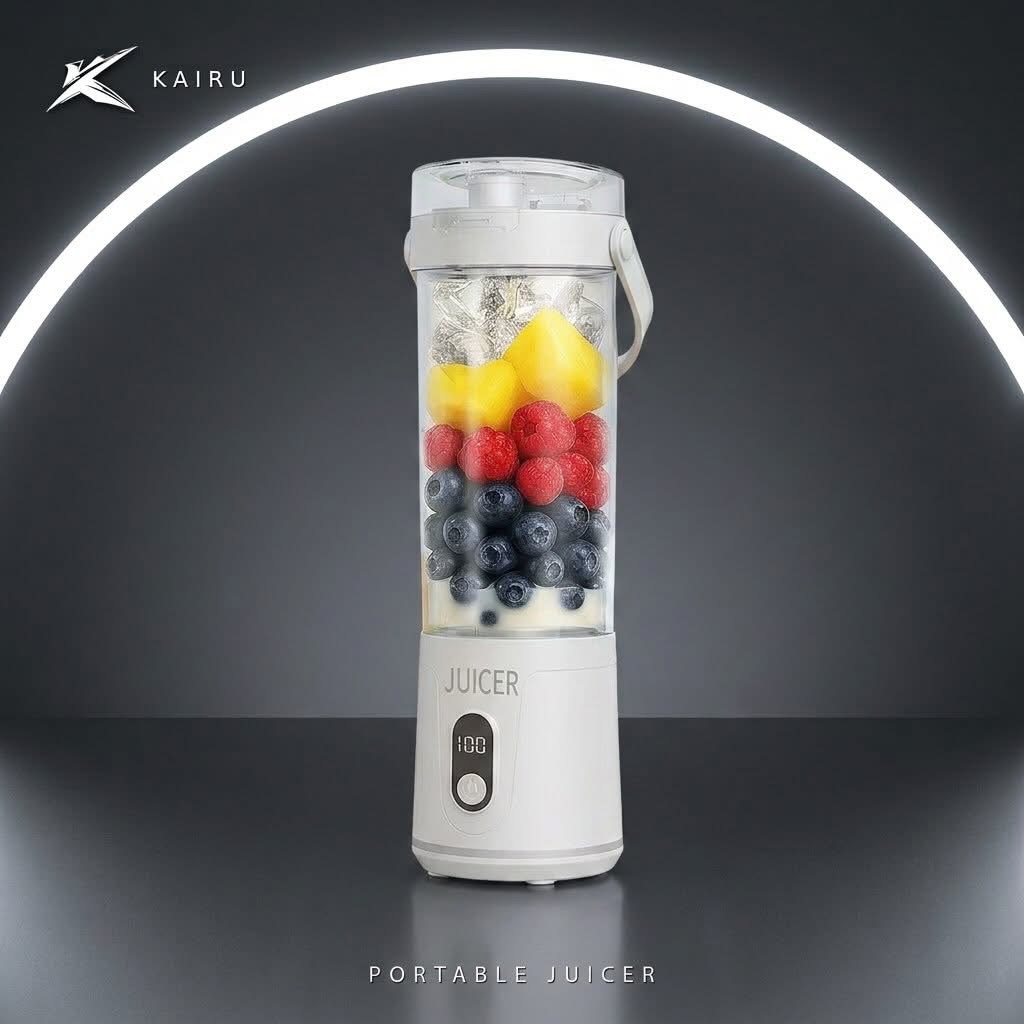
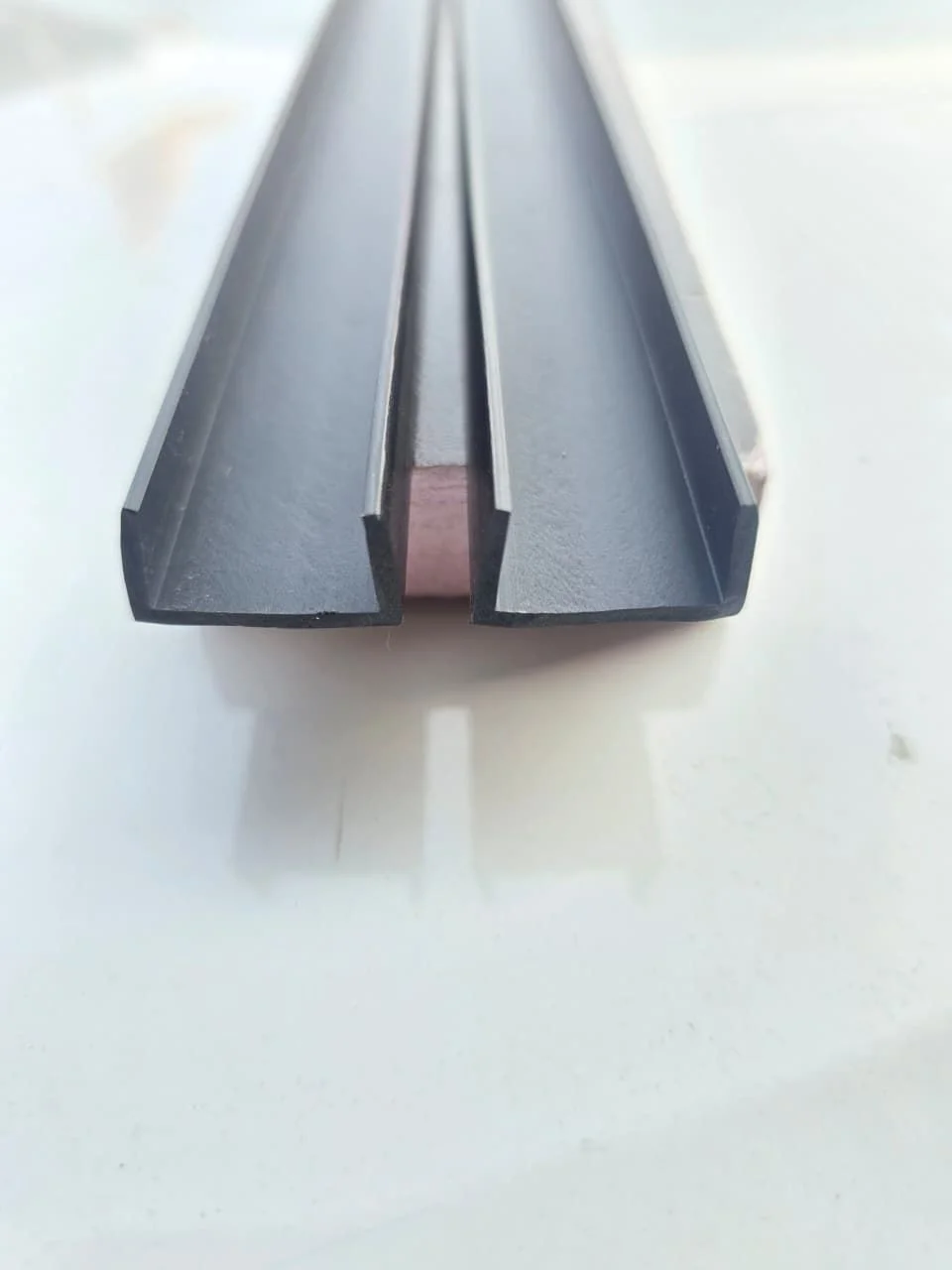
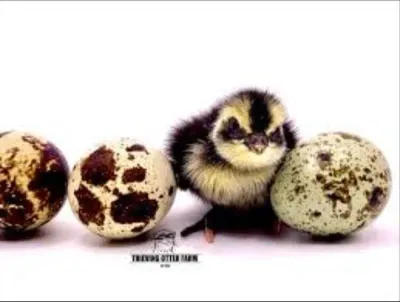
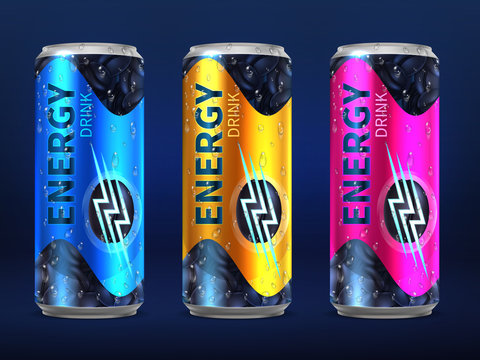
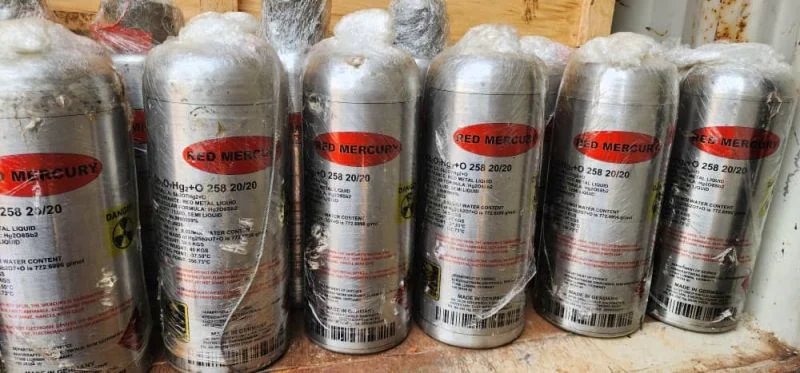
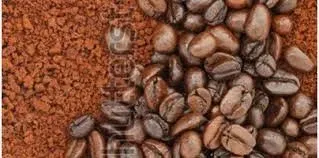
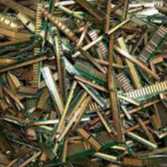
Australia, Morley, lists nine active products in its current catalogue. The catalogue includes rail track scrap (HS 7204.29) described as high‑speed steel or alloy steel, Arabica and Robusta coffee (HS 0901.11) classified under coffee, prime virgin mercury with 99.9 % purity, sodium cyanide briquettes 98 % (HS 2837.11), a range of energy drinks, parrot eggs, PVC, puppies and Grade A aluminium ingots (HS 7601.11). Each entry is paired with a material type as recorded in the supplier data, providing a clear view of the product families offered.
Product Range and Specialties of Ton global enterprise
The listed rail track scrap falls under the HS‑7204 family, which globally covers steel waste and scrap from railway equipment. Buyers typically request melt‑analysis reports showing carbon and alloy content, and the material is often re‑melted into structural steel. Coffee beans under HS‑0901 are graded by ICUMSA color values; specialty Arabica frequently targets ICUMSA 45 - 70 while Robusta may appear in the ICUMSA 80 - 120 range. Mercury, classified under HS‑7105, is traded in liquid form with purity certificates and must meet 99.9 % or higher specifications for electronic or medical use. Sodium cyanide (HS‑2837) is supplied as 98 % briquettes and is evaluated by cyanide content, moisture and particle size. Aluminium ingots (HS‑7601) are offered as Grade A, meaning a minimum of 99 % aluminium with standard alloying limits, and are shipped in 20‑ft containers or bulk bags. PVC (HS‑3914) and energy drinks (HS‑2202) follow typical polymer grading and beverage labeling standards respectively, while live animal products such as parrot eggs and puppies are subject to strict quarantine and health certification regimes.
Trade and Export Information - Ton global enterprise
Australian exporters of rail scrap commonly ship to steel recyclers in China, India and Japan, using FOB or CIF terms and complying with the International Maritime Dangerous Goods (IMDG) code for any residual hazardous residues. Coffee beans from Australia are often destined for specialty roasters in the Middle East, Europe and North America; they require phytosanitary certificates and may be inspected under the EU coffee import regime. Mercury trade is tightly regulated under the Basel Convention and the Australian Dangerous Goods (ADG) regulations, requiring a Material Safety Data Sheet (MSDS), a certificate of analysis and, for many destinations, an import permit. Sodium cyanide is classified as a Class 6.1 toxic substance, so shipments normally use sealed steel drums, accompanied by a Dangerous Goods Declaration and a test report confirming cyanide concentration. Aluminium ingots are exported to automotive and aerospace manufacturers in Southeast Asia and Europe, where HS‑7601 customs duties apply and buyers often request a chemical composition certificate and compliance with ISO 9001 or EN‑755‑2 standards. Energy drinks, PVC and live animal products each have their own regulatory pathways, with beverage labeling requirements, REACH compliance for polymers, and CITES or Australian quarantine clearances for animal‑derived items.
Sourcing from Ton global enterprise - Buyer Guidance
When sourcing rail scrap, request a recent melt‑analysis or assay report and confirm the alloy classification aligns with high‑speed steel specifications. For coffee, ask for an ICUMSA color report, moisture content, and a phytosanitary certificate; samples should be evaluated for bean size and defect count before bulk purchase. Mercury shipments must be accompanied by an MSDS, a certificate of analysis showing ≥99.9 % purity, and proof of compliance with both Australian export permits and the destination country’s hazardous material regulations. Sodium cyanide buyers should obtain a safety data sheet, a cyanide content test report, and verify that the packaging meets UN 1974 standards for toxic substances. Aluminium ingot purchasers typically request a chemical composition analysis, a mill test certificate, and confirmation that the ingots meet the Grade A tolerance of ≤0.05 % impurities. Energy drinks, PVC, parrot eggs and puppies each require product‑specific documentation: beverage ingredient lists and health warnings, REACH‑type declarations for PVC, a veterinary health certificate for eggs, and an import permit and quarantine clearance for live animals.
Frequently Asked Questions About Ton global enterprise
What HS codes are associated with Ton global enterprise’s rail scrap and aluminium ingots?
The rail track scrap is listed under HS 7204.29, which covers steel waste and scrap, while the Grade A aluminium ingots are classified under HS 7601.11 for primary aluminium products.
Does the supplier provide purity documentation for mercury?
The catalogue states mercury at 99.9 % purity; buyers should request a certificate of analysis and an MSDS to verify the stated purity before shipment.
Which certifications should a buyer request for the coffee products?
Typical coffee imports require an ICUMSA color report, moisture content analysis, a phytosanitary certificate and, where applicable, a compliance statement with the EU coffee import standards.
What packaging is used for sodium cyanide briquettes?
Sodium cyanide 98 % briquettes are usually packed in sealed steel drums that meet UN 1974 hazardous‑goods specifications, accompanied by a dangerous‑goods declaration.
Are there any special export permits needed for the energy drinks?
Energy drinks (HS 2202) must comply with food‑safety labeling regulations, and exporters normally provide a health certificate and ingredient list to satisfy the destination country’s food authority.
What documentation is required for importing the PVC product?
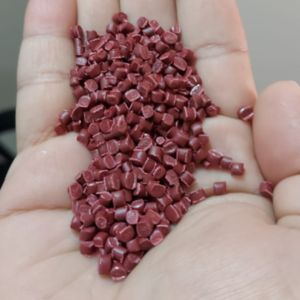
PVC (HS 3914) typically requires a REACH compliance declaration, a material safety data sheet and a test report confirming polymer grade and additives content.
How are live animal products such as parrot eggs and puppies handled?
Both categories need an official veterinary health certificate, quarantine clearance and, for international trade, compliance with CITES or the importing country’s animal‑import regulations.




 , Australia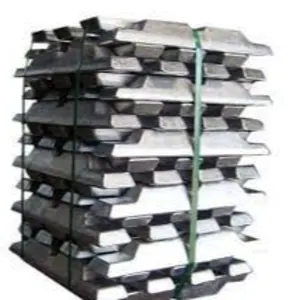



.jpg.png)