TIMBER WOODS GLOBAL LIMITED — Supplier
About TIMBER WOODS GLOBAL LIMITED - Timber Supplier in Papua New Guinea
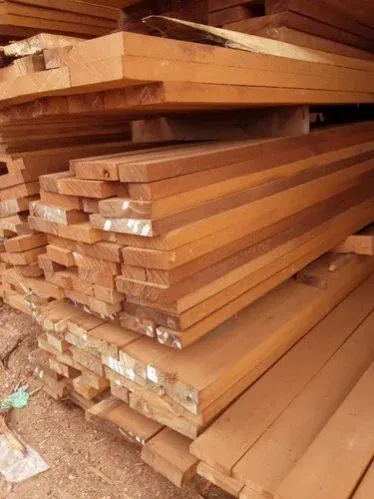
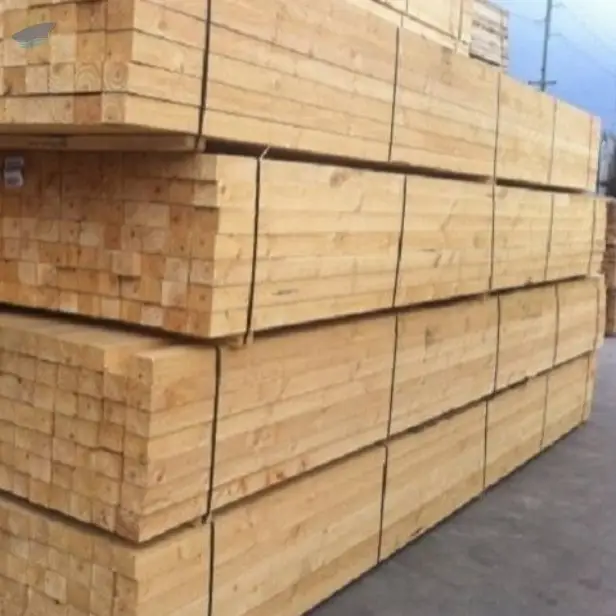
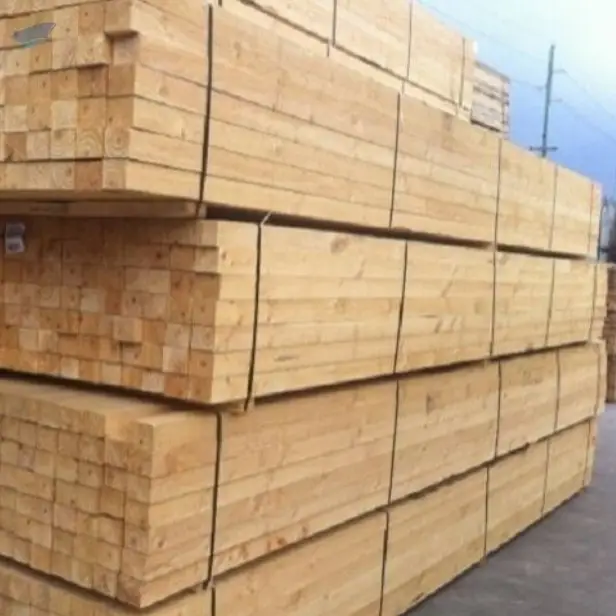
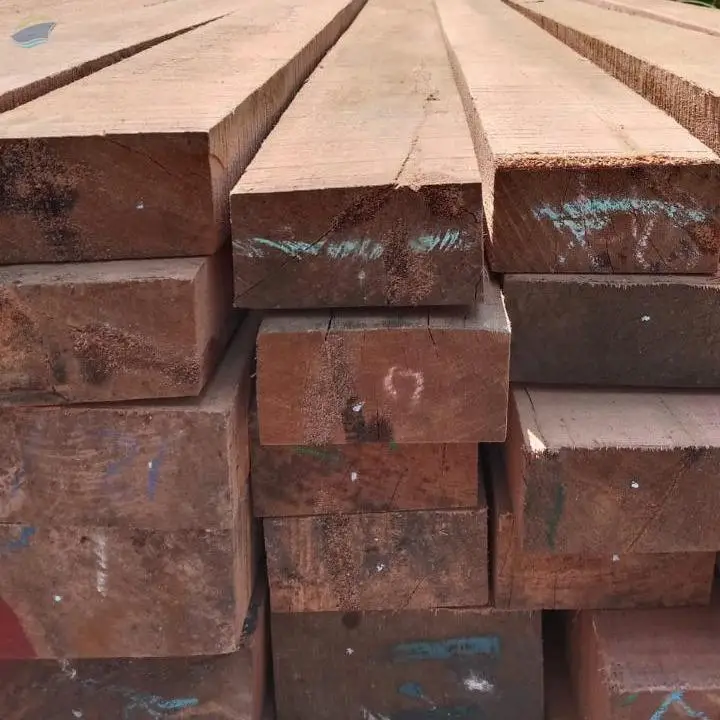
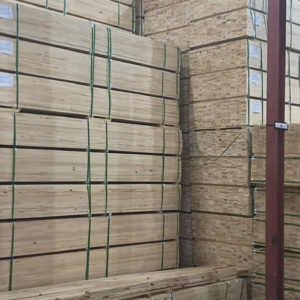
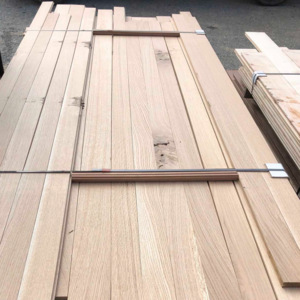
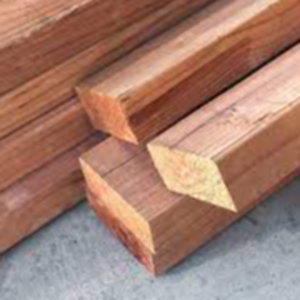
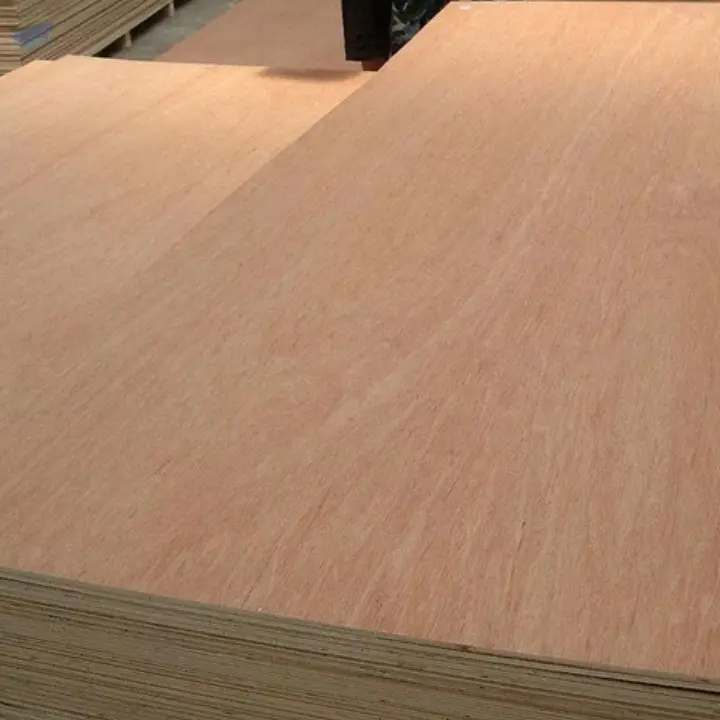
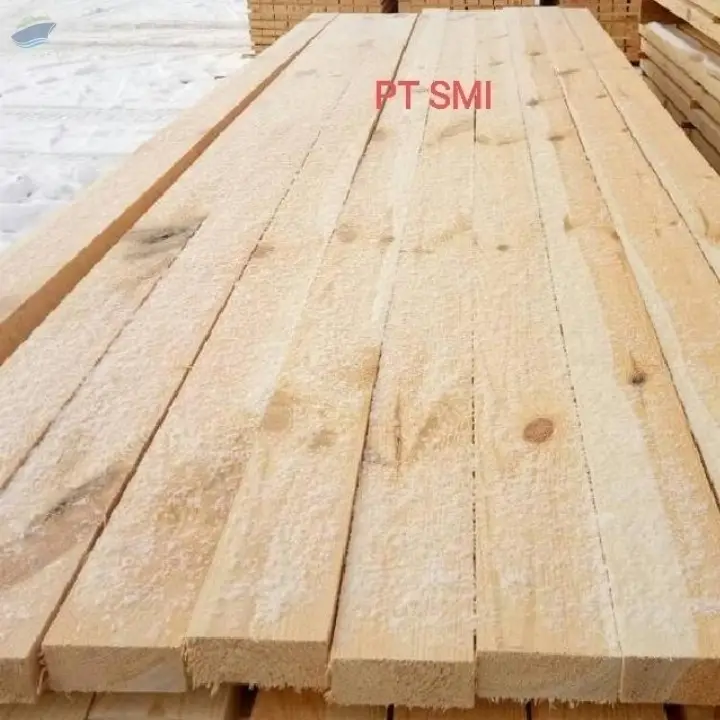
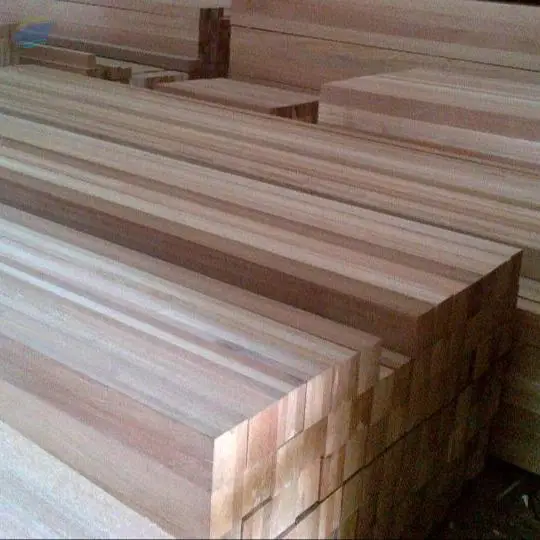
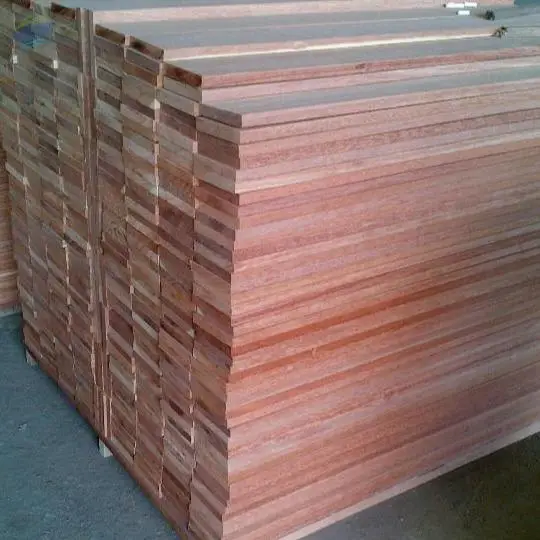
Papua New Guinea supplies five distinct wood products through TIMBER WOODS GLOBAL LIMITED. The catalogue includes Timber (HS 4407.99, mixed hardwood/softwood), Teak (HS 4403.99, tropical hardwood Tectona grandis), Thorn Wood (HS 4407.96, Fraxinus spp.), Rose Wood (HS 4407.29, Dalbergia species) and Kwila Wood (HS 4407.21, Merbau). All items are solid wood logs or sawn timber suitable for construction, furniture and interior finishes. The supplier classifies the goods under HS chapter 44, which covers forest products. Export volumes are routed from PNG ports such as Port Moresby.
The product list aligns with common timber categories used globally. Timber under HS 4407.99 typically conforms to moisture content below 20 % and grading based on knot density. Teak (4403.99) is often supplied in dimensions of 2 × 4 cm up to 30 cm thickness, with a natural oil content that provides durability. Thorn, Rose and Kwila woods are tropical hardwoods frequently graded by visual appearance and strength class (e.g., Class III for structural use). The catalogue does not specify certifications, so buyers should verify compliance with FSC or PEFC standards where required.
Product Range and Specialties of TIMBER WOODS GLOBAL LIMITED
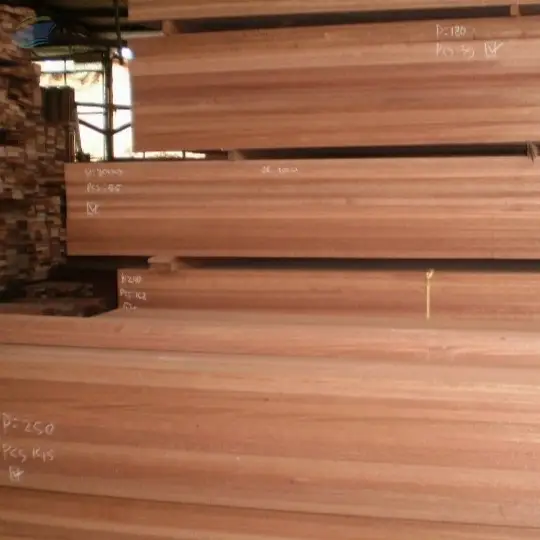
TIMBER WOODS GLOBAL LIMITED’s catalogue covers mixed‑species timber (HS 4407.99), premium teak (HS 4403.99), and three tropical hardwoods - thorn, rose and kwila - each identified by their specific HS codes. In the timber trade, mixed‑species lumber is commonly sorted into grades such as Select, Standard and Utility, with moisture limits of 12 - 18 % for kiln‑dried material. Teak is valued for its natural resistance to decay and is frequently offered in A‑grade (clear, minimal knots) and B‑grade (minor imperfections). Thorn and rose woods are used for high‑end furniture and are graded by heartwood proportion and colour consistency, while kwila (merbau) is a dense hardwood often specified for outdoor decking, typically meeting a Janka hardness of about 2,300 N. Buyers usually request dimensional tolerances of ±2 mm and documentation of botanical origin.
Trade and Export Information - TIMBER WOODS GLOBAL LIMITED
Papua New Guinea is a recognized exporter of tropical hardwoods, with primary markets in East Asia (China, Japan, South Korea), the European Union and the United States. HS chapter 44 products from PNG are subject to phytosanitary inspections under ISPM 15, and many importers require FSC or PEFC chain‑of‑custody certificates. Shipping is usually arranged on 20‑ft or 40‑ft containers, packed as bundled logs or palletized sawn timber, with FOB Port Moresby as a common Incoterm. Buyers often prefer CIF or DAP terms to manage inland transport in destination countries. The region’s timber export regulations mandate compliance with CITES for species such as Dalbergia (rose wood).
Sourcing from TIMBER WOODS GLOBAL LIMITED - Buyer Guidance
When sourcing wood from TIMBER WOODS GLOBAL LIMITED, buyers should request a mill test report that includes moisture content, density and grade classification for each product. For teak and other tropical hardwoods, a species verification certificate and, if applicable, a CITES permit should be confirmed before shipment. Samples cut to the intended dimensions help verify colour and grain consistency. Verify that the supplier can provide FSC or PEFC documentation if the buyer’s market mandates sustainable sourcing. Typical minimum order quantities range from one cubic metre for custom orders to full container loads for bulk timber, with lead times of 4‑6 weeks after order confirmation.
Frequently Asked Questions About TIMBER WOODS GLOBAL LIMITED
What wood products does TIMBER WOODS GLOBAL LIMITED offer?
The supplier lists five wood products - mixed‑species timber (HS 4407.99), teak (HS 4403.99), thorn wood (HS 4407.96), rose wood (HS 4407.29) and kwila (merbau) wood (HS 4407.21).
Which HS codes apply to the listed woods?
Timber is classified under 4407.99, teak under 4403.99, thorn wood under 4407.96, rose wood under 4407.29 and kwila wood under 4407.21, all within Chapter 44 for forest products.
What quality specifications are typical for these woods?
Buyers usually require moisture content below 20 % for kiln‑dried timber, visual grades (Select, Standard, Utility), and for teak a clear‑grade with minimal knots. Hardness values such as Janka 2,300 N are common for kwila, while rose wood is often graded by heartwood proportion.
Which certifications should a buyer request?
Since the catalogue does not list certifications, buyers should ask for FSC or PEFC chain‑of‑custody certificates, and for rose wood a CITES permit may be required due to Dalbergia species regulations.
What are the typical packaging and shipping methods?
Products are normally bundled or palletized for transport in 20‑ft or 40‑ft containers. Export shipments are commonly quoted FOB Port Moresby, with CIF or DAP options offered by freight forwarders.
What is the usual minimum order and lead time?
Minimum orders start at approximately one cubic metre for custom dimensions, while full container loads are preferred for bulk purchases. Lead times are generally 4 to 6 weeks after order confirmation, depending on processing and phytosanitary clearance.
How can a buyer obtain samples or test reports?
Buyers can request sample boards cut to the intended size, accompanied by a mill test report that documents moisture, density, grade and species verification.
Which markets commonly import PNG timber?
Major import regions include East Asian countries (China, Japan, South Korea), the European Union and North America, where the wood is used for furniture, construction and high‑end interior projects.




 , Papua New Guinea