Tianjin Huaxu Shengtai Technology Co., Ltd. — Verified Supplier
About Tianjin Huaxu Shengtai Technology Co., Ltd. - Irrigation Machinery, Equipments & Spare Parts Supplier in China
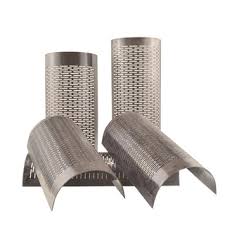
China, specifically the Tianjin region, hosts the supplier Tianjin Huaxu Shengtai Technology Co., Ltd., which lists nine active products across its catalogue. The company groups its offerings under the top categories of Irrigation Machinery, Equipments & Spare Parts, Tools & Instruments, and Industrial Machinery, reflecting a focus on agricultural water‑delivery technology. The catalogue includes a complete T‑Tape drip irrigation pipe production line, several types of pipe‑making machines such as PC and flat dripper machines, and a range of finished drip irrigation components including cylindrical and flat drippers, pressure‑compensating pipes and drippers. Each listed item corresponds to a distinct equipment or product type used in the manufacture or deployment of drip irrigation systems, without reference to specific HS codes in the source data.
The product list further details specialized machines for cylindrical and flat dripper production, as well as inlaid flat dripper pipe products that integrate the dripper directly into the pipe wall. Pressure‑compensating variants are highlighted, indicating the supplier’s capability to produce systems that maintain uniform flow despite elevation changes. The inclusion of both equipment (production lines, making machines) and finished components (drippers, pipes) suggests a vertically integrated offering for growers and system installers seeking to source complete drip irrigation solutions from a single Chinese manufacturer.
Product Range and Specialties of Tianjin Huaxu Shengtai Technology Co., Ltd.
The catalogue’s focus on drip‑irrigation pipe and dripper manufacturing aligns with industry standards that typically employ high‑density polyethylene (HDPE) or polypropylene (PP) grades such as PE100 for durability and UV resistance. Pressure‑compensating drippers are commonly rated for flow rates between 0.5 L/h and 4 L/h with a pressure range of 0.1 - 0.5 MPa, and they must meet uniformity tolerances of ±5 % as defined in ISO 22271. Production line capacities in the sector range from 10 000 m to 30 000 m of pipe per day, and machines are often specified by output speed (e.g., 30 - 60 m/min) and maximum pipe diameter (typically 16 - 20 mm). Buyers usually look for equipment that supports both flat and cylindrical dripper designs, in‑line insertion of drippers, and adjustable pressure‑compensation settings to suit varied field topographies.
Industry practice also demands that finished dripper‑integrated pipes comply with ISO 9001 quality management and, where water contact is a concern, ISO 22000 food‑safety standards. Common certifications requested by importers include CE marking for machinery and SGS or Intertek test reports confirming flow‑rate accuracy, pressure‑drop performance, and leaching limits. Material data sheets should specify melt flow index (MFI) values, tensile strength (≥ 20 MPa for HDPE), and water‑absorption rates below 0.1 % to ensure long‑term performance in agricultural settings.
Trade and Export Information - Tianjin Huaxu Shengtai Technology Co., Ltd.
China remains a leading exporter of drip‑irrigation equipment, supplying Asia, Africa, the Middle East and Latin America where water‑saving agriculture is a priority. Machinery such as pipe‑making lines and dripper inserters fall under HS Chapter 84 (e.g., 8424 for pipe‑making machines), while the finished polyethylene pipes and drippers are classified in Chapter 39 (e.g., 3917 for tubes, pipes and hoses). Importing countries typically require CE conformity for the machinery and ISO‑based test certificates for the plastic components, especially when projects are financed by development banks that stipulate compliance with ISO 9001 and ISO 14001 environmental standards. Logistics from Tianjin often use FOB Tianjin or CIF major ports; container loads are commonly packed in 20‑ft or 40‑ft containers with wooden crates for machinery and bulk bags or pallets for pipe products.
Regulatory regimes in destination markets may also call for phytosanitary certificates for agricultural inputs, and some regions (e.g., the European Union) demand REACH registration for plastic additives used in irrigation pipes. Export documentation therefore frequently includes a commercial invoice, packing list, certificate of origin, and any required test reports. Buyers should verify that the supplier can provide these documents in advance to avoid customs delays.
Sourcing from Tianjin Huaxu Shengtai Technology Co., Ltd. - Buyer Guidance
When sourcing from Tianjin Huaxu Shengtai, buyers should request detailed product data sheets that list material grade (e.g., PE100), pressure rating, flow‑rate specifications, and dimensional tolerances for each dripper type. Independent test reports confirming pressure‑compensation performance, UV‑stability and leaching limits are standard expectations and should be reviewed before confirming an order. It is advisable to ask for ISO 9001 and CE certificates for the production equipment, as well as any SGS or Intertek reports that validate the finished pipe and dripper specifications.
Sample orders of a limited length of pipe or a handful of drippers are common practice to verify flow uniformity and material quality. Buyers should also confirm packaging details - machinery is usually crated with shock‑absorbing materials, while pipes are bundled on pallets or in bulk bags - to ensure safe transit. Clarifying the minimum order quantity for a full production line (often a single turnkey system) and lead time (typically 30‑60 days after deposit) helps align procurement schedules with planting cycles.
Frequently Asked Questions About Tianjin Huaxu Shengtai Technology Co., Ltd.
What product categories does Tianjin Huaxu Shengtai offer?
The supplier lists equipment for drip‑irrigation pipe production, including a T‑Tape production line, PC and flat dripper making machines, and cylindrical dripper machines, as well as finished components such as flat drippers, cylindrical drippers, pressure‑compensating pipes and drippers.
Which HS codes are relevant for the supplier’s machinery?
The pipe‑making machines fall under HS Chapter 84, typically classified under code 8424, while the finished polyethylene pipes and drippers are classified under HS Chapter 39, commonly under code 3917 for tubes, pipes and hoses.
What material grades are typical for the dripper pipes?
Industry standards usually specify high‑density polyethylene (HDPE) grades such as PE100, which provide UV resistance, a tensile strength of at least 20 MPa and a melt flow index suitable for extrusion processes.
What certifications should a buyer request?
Buyers should request ISO 9001 quality‑management certification for the machinery, CE marking for compliance with EU safety directives, and independent test reports (e.g., SGS or Intertek) that verify flow‑rate accuracy, pressure‑compensation performance and material safety.
How are the finished pipes typically packaged for export?
Finished pipes are generally bundled on pallets or placed in bulk bags, with protective wrapping to prevent damage, while larger machinery is crated with wooden supports and shock‑absorbing material.
What are common lead times for a complete production line?
Lead times for a turnkey drip‑irrigation pipe production line from Chinese manufacturers usually range from 30 to 60 days after receipt of a deposit, depending on configuration and component availability.
What sample size is practical for testing drippers?
A sample batch of 10‑20 meters of pipe or a set of 20‑30 individual drippers provides enough material for flow‑rate, pressure‑drop and uniformity testing before a full order is placed.
Which regions most often import these products?
Major import destinations include Southeast Asian countries, Sub‑Saharan Africa, the Middle East and Latin American markets, where drip‑irrigation technology supports water‑efficient agriculture.




 , China