Agriculture›
 Apparel and fashion accessories›
 Construction & real estate›💡Electronic & Electrical›🍎Food & Beverages›🛋️Home furnishing & supplies›⚗️Industrial goods & chemical›🪨Minerals & metals›📦Miscellaneous›Agriculture›Apparel and fashion accessories›Construction & real estate›💡Electronic & Electrical›🍎Food & Beverages›🛋️Home furnishing & supplies›⚗️Industrial goods & chemical›🪨Minerals & metals›📦Miscellaneous›
Ti Anode Fabricators Pvt. Ltd.
⚓ Harbor , IndiaNew supplier / no reviews yet
Ti Anode Fabricators Pvt. Ltd. Product Catalog
About Ti Anode Fabricators Pvt. Ltd. - Electrodes Supplier in India
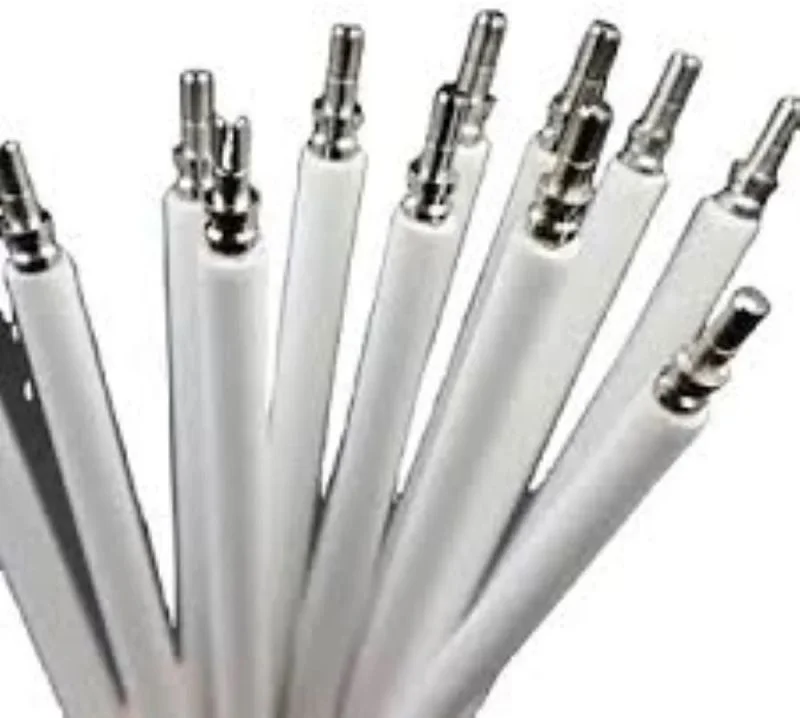
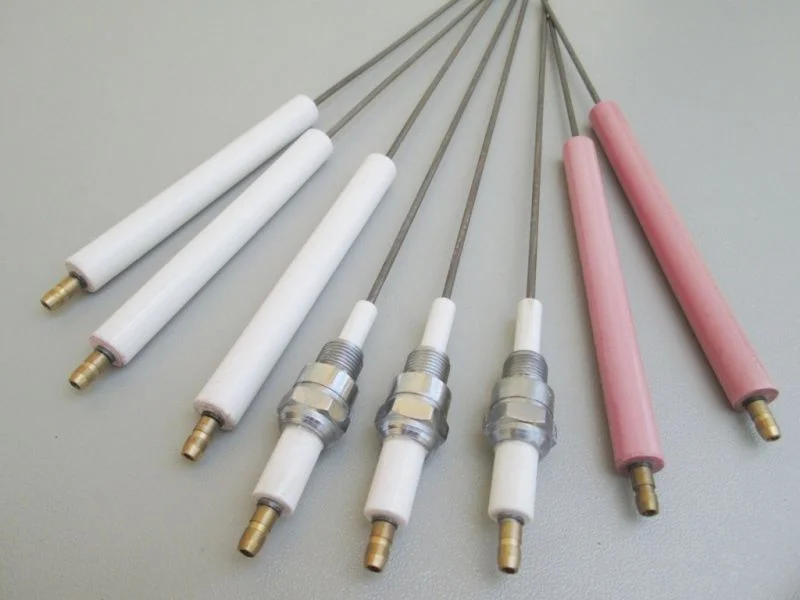
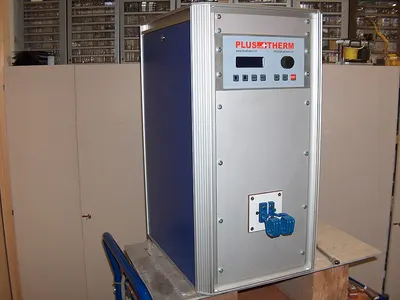
India hosts Ti Anode Fabricators Pvt. Ltd., which lists five active products in its catalogue. All five items are classified under HS code 8543.30, the chapter for electrical machinery and parts, and are described as electrodes or electrolyzer modules. The catalogue includes a Denora electrolyzer, a desalination electrode, a fresh‑water electrolyzer, a power‑plant electrolyzer for stations, and a swimming‑pool electrolyzer. Each entry specifies the substrate material - such as Titanium Grade 2, Ti‑6Al‑4V alloy, or nickel‑coated steel - and the catalyst coating, for example RuO₂/IrO₂, mixed‑metal‑oxide (MMO) blends, or platinum‑group catalysts on polymer membranes. The product focus is on the conductive substrate and the precious‑metal oxide layer that enables chlorine or oxygen evolution in water treatment applications. The supplier’s catalogue therefore concentrates on high‑performance electrode assemblies used in industrial electro‑chemical processes.
Product Range and Specialties of Ti Anode Fabricators Pvt. Ltd.
The five listed products cover two main electrode technologies. Titanium Grade 2 substrates coated with RuO₂/IrO₂ oxide are typical for chlorine‑generation cells, offering corrosion resistance in brine up to 30 % NaCl and operating temperatures around 80 °C. Mixed‑metal‑oxide (MMO) coatings that incorporate RuO₂, IrO₂ and Ta₂O₅ extend service life and allow higher current densities (up to 5 kA m⁻²) for desalination and fresh‑water electrolyzers. The power‑plant electrolyzer uses a nickel‑coated steel substrate combined with a platinum‑group catalyst on a polymer‑electrolyte membrane (PEM), a design common in high‑efficiency hydrogen production where cell voltages of 1.8 - 2.0 V at 1000 A are targeted. The swimming‑pool unit employs Ti‑6Al‑4V alloy with Ru‑Ir oxide coating, a grade chosen for its higher strength‑to‑weight ratio while maintaining the same electro‑chemical performance as Grade 2. Industry standards often reference IEC 60745 for safety and IEC 60335 for performance, while coating thicknesses are typically 5 - 15 µm measured by gravimetric methods.
Frequently Asked Questions About Ti Anode Fabricators Pvt. Ltd.
What types of electrode substrates does Ti Anode Fabricators Pvt. Ltd. offer?
The catalogue lists titanium Grade 2, titanium Ti‑6Al‑4V alloy, and nickel‑coated steel as substrate materials, each paired with a specific precious‑metal oxide or polymer‑membrane catalyst.
Which HS code covers the products listed by the supplier?
All five products are classified under HS code 8543.30, which pertains to parts of electrical machinery and apparatus.
What coating technologies are used on the desalination and fresh‑water electrodes?
Both the desalination and fresh‑water electrodes use mixed‑metal‑oxide (MMO) coatings that combine RuO₂, IrO₂ and Ta₂O₅ to enhance corrosion resistance and allow higher current densities.
Can I obtain a performance test report for the power‑plant electrolyzer?
Buyers should request a test report that includes cell voltage, current density (up to 1 kA m⁻²), and durability data at operating temperatures typical for power‑station applications.
What certifications should I ask for before placing an order?
Typical certifications for electrode imports include ISO 9001 quality‑management, ISO 14001 environmental, and IEC safety standards; the supplier does not list any held certifications, so they should be requested explicitly.
IndiaRelated Suppliers & Products
Explore similar suppliers, related products and trending categories