The Global Development Partnership — Verified Supplier
About The Global Development Partnership - Agriculture Supplier in United Kingdom
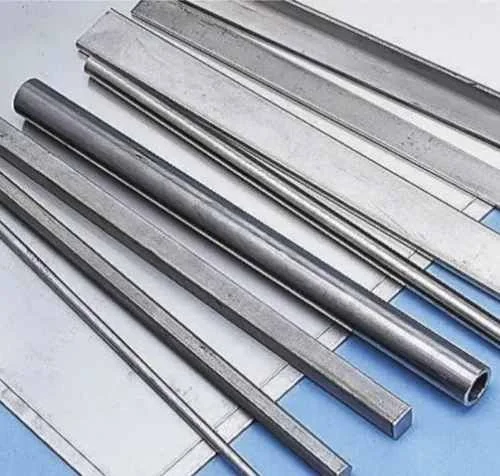
The United Kingdom based The Global Development Partnership lists eight active products in its online catalogue. The portfolio covers a mix of electronics accessories, used cooking oil, ferrous metal ingots, steel scrap, manganese ore, urea fertilizer, N95 carbon face masks and Indonesian coal. Two items carry explicit HS classifications: Iron Ingot is recorded under HS code 7201.10 as pig iron, a carbon‑based ferrous alloy, and Used Rails (all grades) are listed under HS code 7204.29 as ferrous steel alloy scrap. The remaining products are identified by their generic names without HS codes in the supplied data. Each entry reflects a distinct commodity that is commonly traded on global B2B platforms.
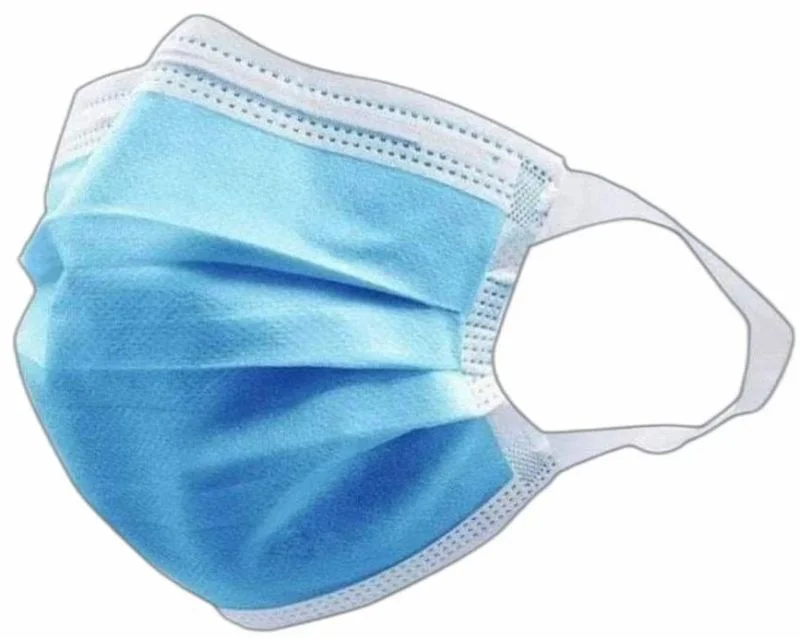
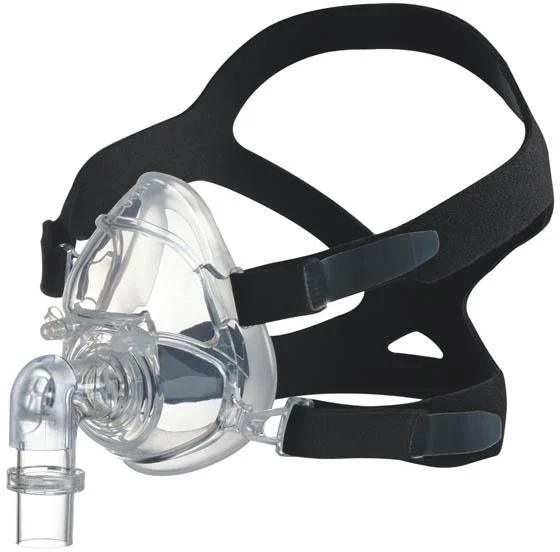
The catalogue also includes Mobile & Tablet Complete Protection, a consumer electronics accessory, and N95 Carbon Face Masks, a personal protective equipment item that meets the N95 filtration standard. The supplier’s active product count of eight demonstrates a focus on bulk commodities and a limited selection of high‑volume items rather than an exhaustive product line. All products are sourced or sourced through the United Kingdom, positioning the company within a major export market for industrial raw materials and finished protective goods.
Product Range and Specialties of The Global Development Partnership
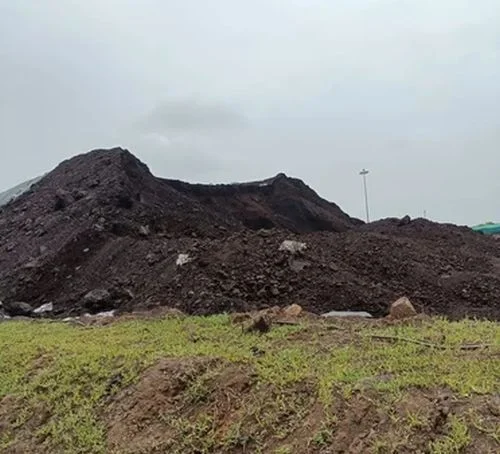
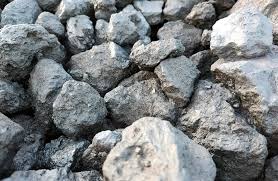
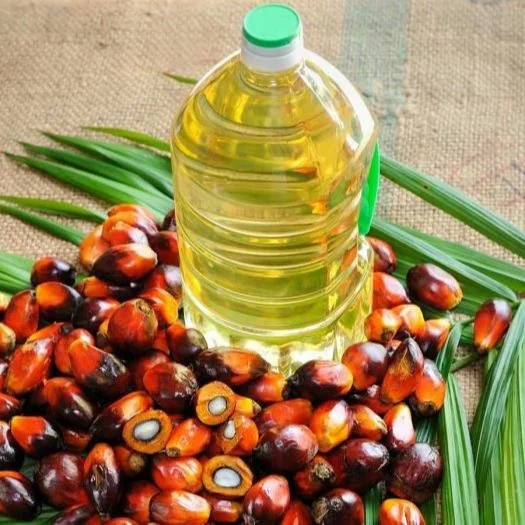
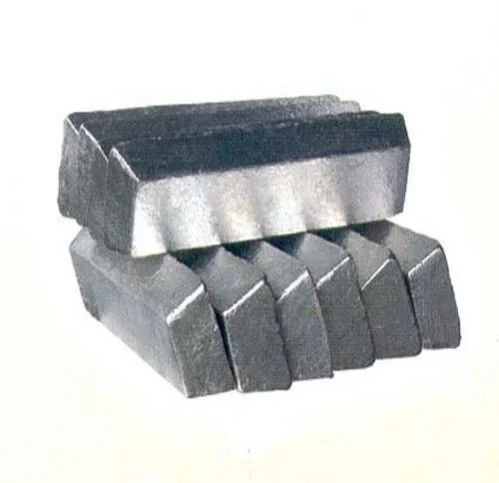
The listed commodities align with well‑defined industry specifications. Used cooking oil is typically graded by free‑fatty‑acid (FFA) content, moisture level and iodine value, with commercial buyers often requiring FFA < 1 % and moisture < 0.5 %. Iron ingots under HS 7201.10 are usually supplied in grades such as 200, 250 or 300, defined by carbon content (3‑4 %) and tensile strength (≈ 350‑400 MPa). The steel scrap category (HS 7204.29) is commonly classified by steel type - carbon, manganese or chromium alloy - and by contamination limits for copper, aluminum and other non‑ferrous metals. Manganese ore is generally evaluated by Mn % (typically 44‑48 %) and impurity limits for iron, silica and phosphorus. Urea fertilizer is traded in granular or prilled form with nitrogen content around 46 % and particle size of 2‑4 mm. N95 carbon face masks must meet a 95 % filtration efficiency for particles ≥ 0.3 µm and are often certified to ISO 13485 or CE standards. Indonesian coal is usually described by calorific value (≈ 5 000‑6 000 kcal/kg), ash content (< 15 %) and moisture level (< 10 %).
Trade and Export Information - The Global Development Partnership
United Kingdom exporters of iron ingots and steel scrap frequently ship to construction‑heavy regions such as the Middle East, South‑East Asia and Eastern Europe, using container or bulk rail services under Incoterms CIF or FOB. Buyers of used cooking oil are typically located in biodiesel‑producing countries in the EU, India and Southeast Asia, and they often request laboratory analysis reports confirming FFA and moisture levels. Manganese ore is a key input for steelmaking and is most often exported from western ports to China, Japan and India, where HS chapter 26 covers manganese ores and concentrates. Urea fertilizer from the UK is directed to agricultural markets in Africa and South Asia, with customs authorities commonly checking nitrogen content certificates and compliance with the EU fertilizer regulation. N95 carbon face masks are subject to health‑product regulations; importers in North America and the EU usually require CE marking, FDA 510(k) clearance or equivalent test reports. Indonesian coal, while sourced from Indonesia, may be re‑exported by UK traders to power‑generation customers in Europe and the Middle East, with HS code 2701 covering hard coal and standard shipping in 20‑ft or 40‑ft containers. Typical certifications requested across these categories include ISO 9001 quality management, SGS inspection reports and, where relevant, REACH compliance for chemical safety.
The UK’s robust logistics infrastructure supports containerised loading at ports such as Felixstowe and Southampton, enabling efficient sea freight to target markets. For bulk metal products, rail or short‑sea shipping to continental Europe is common, while high‑value items like N95 masks are often air‑freighted under DAP terms to meet rapid delivery cycles.
Sourcing from The Global Development Partnership - Buyer Guidance
When sourcing used cooking oil from this supplier, request a recent laboratory report showing free‑fatty‑acid, moisture and iodine values, and verify that the oil complies with biodiesel feedstock standards such as ASTM D6751 or EN 14214. For iron ingots, ask for a chemical analysis certificate confirming carbon, silicon and manganese percentages, as well as a tensile‑strength test report that matches the grade advertised. Steel scrap inquiries should include a composition breakdown, a contamination‑level statement (copper < 0.1 %, aluminum < 0.2 %) and a third‑party inspection report, commonly issued by SGS or Bureau Veritas. Manganese ore buyers normally request assay results indicating Mn % and impurity levels, together with a moisture‑content certificate. Urea purchases benefit from a nitrogen‑content certificate, particle‑size distribution data and proof of compliance with the EU fertilizer directive. For N95 carbon face masks, obtain the CE Declaration of Conformity, a filtration efficiency test report (e.g., TNI‑EN 149) and, if shipping to the United States, FDA 510(k) clearance documentation. Coal shipments should be accompanied by a calorific‑value test, ash‑content analysis and a moisture‑percentage certificate, all verified by an independent lab before loading. In all cases, confirm the supplier’s Incoterm preferences, container specifications (e.g., 20‑ft for bulk chemicals, 40‑ft for metal ingots) and any required pre‑shipment inspections.
Before placing an order, verify that the supplier can provide the requested test reports within a reasonable timeframe (typically 7‑10 days) and that the documentation aligns with the buyer’s import‑regulation checklist. Requesting a small pre‑shipment sample can further confirm compliance with grade specifications and reduce risk.
Frequently Asked Questions About The Global Development Partnership
What commodity codes are associated with The Global Development Partnership’s metal products?
The iron ingot is listed under HS code 7201.10 and the used rails (steel scrap) are under HS code 7204.29, both falling within the chapter 72 classification for iron and steel products.
Which certifications should a buyer request for the N95 carbon face masks?
Buyers should request a CE Declaration of Conformity, a filtration‑efficiency test report meeting N95 standards (≥ 95 % at 0.3 µm), and, for U.S. imports, FDA 510(k) clearance or an equivalent certification.
How is used cooking oil typically graded for export?
Exporters grade used cooking oil by free‑fatty‑acid (usually < 1 %), moisture content (typically < 0.5 %), and iodine value; buyers often ask for a recent lab analysis confirming these parameters.
What quality data are standard for manganese ore shipments?
Standard data include manganese content (generally 44‑48 % Mn), impurity levels for iron, silica and phosphorus, and a moisture‑content certificate, all verified by an independent assay laboratory.
What packaging is common for iron ingots and steel scrap?
Iron ingots are usually shipped in bulk on open‑top containers or in wooden crates, while steel scrap is commonly loaded in 20‑ft or 40‑ft containers, sometimes with a moisture‑proof liner to prevent rust during transit.
Which markets typically import urea fertilizer from the United Kingdom?
Urea exported from the UK is most often destined for agricultural regions in Africa, South Asia and the Middle East, where the nitrogen‑content certificate and compliance with EU fertilizer regulations are required.
What documentation is needed for Indonesian coal re‑exported by this supplier?
Buyers should obtain a calorific‑value test report, ash‑content analysis, moisture‑percentage certificate and a SGS inspection certificate, along with the appropriate HS code 2701 declaration for hard coal.
What Incoterms are commonly used for the supplier’s bulk commodities?
Typical Incoterms include FOB for metal ingots and scrap, CIF for coal and manganese ore, and DAP for N95 masks and used cooking oil, reflecting the logistics and risk preferences of both parties.




 , United Kingdom