The Cloud Coir Exports — Verified Supplier
About The Cloud Coir Exports - Coco Peat & Coir Pith Supplier in India
India hosts The Cloud Coir Exports, an imported‑tier supplier that currently lists five distinct horticultural products. The catalogue is organized under the Coco Peat & Coir Pith category, which includes both bulk media and containerised solutions for plant cultivation. Each item is presented with its generic product name without additional branding or proprietary claims. The supplier’s profile indicates a focus on organic‑derived growing media rather than synthetic alternatives. Market listings show the company targeting buyers who require environmentally friendly substrate options.
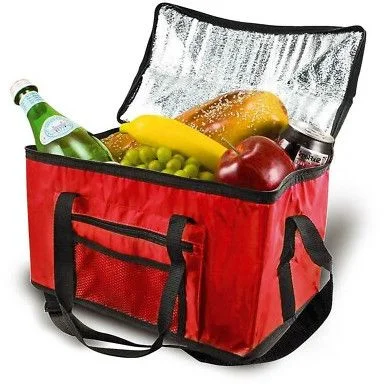
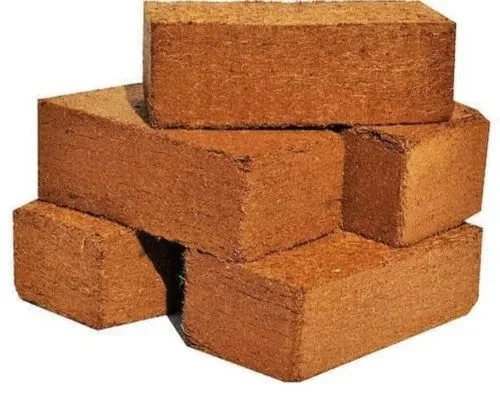
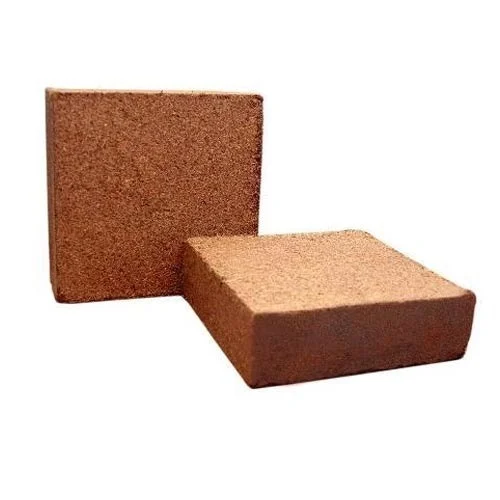
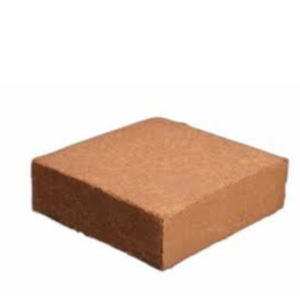
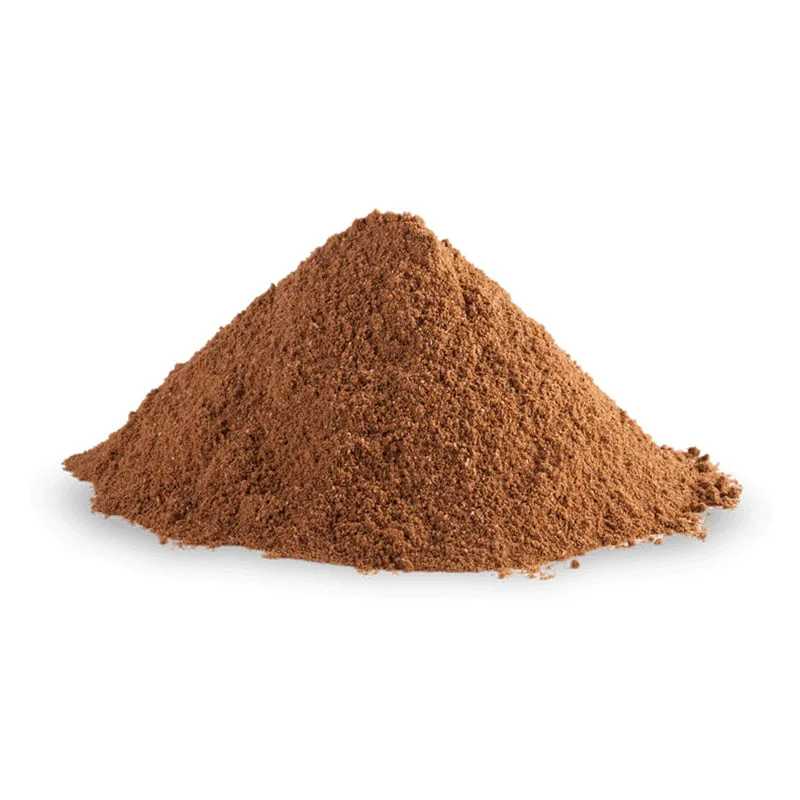
The product list comprises Open Top Grow Bags, standard Coco Peat, pressed Coco Peat Bricks, Coco Grow Bags and Coco Husk Chips Blocks. Open Top Grow Bags and Coco Grow Bags are typically made of woven polypropylene and designed for easy filling and drainage. Coco Peat is supplied as loose, finely milled fiber with typical moisture content around 40‑45 %. Coco Peat Bricks are compressed blocks that expand when soaked, facilitating transport and storage. Coco Husk Chips Blocks consist of larger chip fragments used for aeration and moisture retention in potting mixes.
Product Range and Specialties of The Cloud Coir Exports
The catalogue’s five items cover the core segments of the coconut coir market. Loose Coco Peat is usually graded by particle size (e.g., 0‑4 mm) and by moisture and pH specifications (pH 5.5‑6.5, EC < 0.5 mS cm‑1). Pressed Coco Peat Bricks are measured by expansion ratio (typically 1 kg expands to 5‑7 kg of loose peat) and bulk density (≈ 200 kg m‑3). Grow Bags, both Open Top and standard Coco variants, are offered in common capacities such as 10 L, 20 L and 50 L, with wall thickness around 120‑150 µm for durability. Coco Husk Chips Blocks are classified by chip length (6‑12 mm) and bulk density (≈ 150 kg m‑3), attributes that affect aeration and water retention in mixed substrates.
Trade and Export Information - The Cloud Coir Exports
India is a major exporter of coconut‑derived horticultural media, with shipments commonly routed to Europe, North America, the Middle East and Southeast Asian greenhouse sectors. Products such as coco peat and coir bags fall under HS Chapter 1213 (coconut, other than oil) and are subject to phytosanitary inspection in most importing countries. Buyers typically request ISO 9001 quality management certification or equivalent documentation for consistent product grading, as well as a phytosanitary certificate confirming freedom from pests. Packing for bulk coco peat often uses 20‑ft containers with polypropylene liners, while grow bags are shipped in cardboard cartons or bulk pallets. Freight terms frequently employ CIF or FOB, with moisture content and bulk density listed on the commercial invoice to satisfy customs valuation.
Sourcing from The Cloud Coir Exports - Buyer Guidance
When sourcing from The Cloud Coir Exports, buyers should request a recent test report covering moisture content, pH, electrical conductivity and bulk density for each product type. For grow bags, confirm material specifications (polypropylene gauge, UV‑stabilised) and ask for a sample bag to assess seam strength and drainage holes. Phytosanitary certificates and any available ISO or SGS inspection reports should be obtained before finalising orders. Verify the expansion ratio of Coco Peat Bricks to ensure the expected volume increase after soaking. Typical minimum order quantities in the industry range from 500 kg of loose coco peat to 2 000 units of grow bags, with lead times of 15‑30 days after sample approval.
Frequently Asked Questions About The Cloud Coir Exports
What are the typical specifications for the loose Coco Peat offered?
Loose Coco Peat is usually supplied with a moisture content of 40‑45 %, pH between 5.5 and 6.5, and an electrical conductivity below 0.5 mS cm‑1. Particle size is generally 0‑4 mm, which provides good water retention for seedling trays.
How does a Coco Peat Brick expand after soaking?
A standard 1 kg Coco Peat Brick expands to approximately 5‑7 kg of loose peat when fully hydrated, with an expansion ratio of 5‑7 times the original weight.
What material are the Open Top Grow Bags made from and what sizes are available?
Open Top Grow Bags are woven polypropylene with a wall thickness of 120‑150 µm. Common capacities include 10 L, 20 L and 50 L, each featuring a reinforced opening for easy filling.
What quality documents should a buyer request before purchasing?
Buyers should ask for recent laboratory test reports (moisture, pH, EC, bulk density), a phytosanitary certificate and any available ISO 9001 or SGS inspection reports.
What is the typical packaging and shipping method for Coco Husk Chips Blocks?
Coco Husk Chips Blocks are usually bulk‑packed in 20‑ft containers with moisture‑proof liners. They are palletised on standard 1 m × 1.2 m pallets and secured with stretch film.
What lead time and minimum order quantity are common for these products?
Lead times in the industry range from 15 to 30 days after sample approval. Minimum order quantities often start at 500 kg for loose coco peat and 2 000 units for grow bags, depending on the product.
Are there any standard certifications buyers typically require for coir products?
Buyers frequently require a phytosanitary certificate and may request ISO 9001 or SGS inspection reports to confirm consistent quality and compliance with import regulations.
How should a buyer verify the durability of the Coco Grow Bags?
Request a sample bag and test seam strength by applying a load of at least 20 kg. Verify UV‑stability by exposing the sample to sunlight for 48 hours and checking for material degradation.




 , India