Agriculture›
 Apparel and fashion accessories›
 Construction & real estate›💡Electronic & Electrical›🍎Food & Beverages›🛋️Home furnishing & supplies›⚗️Industrial goods & chemical›🪨Minerals & metals›📦Miscellaneous›Agriculture›Apparel and fashion accessories›Construction & real estate›💡Electronic & Electrical›🍎Food & Beverages›🛋️Home furnishing & supplies›⚗️Industrial goods & chemical›🪨Minerals & metals›📦Miscellaneous›
Suzhou Chanxan Laser Technology Co., Ltd.
⚓ Harbor , ChinaNew supplier / no reviews yet
Suzhou Chanxan Laser Technology Co., Ltd. Product Catalog
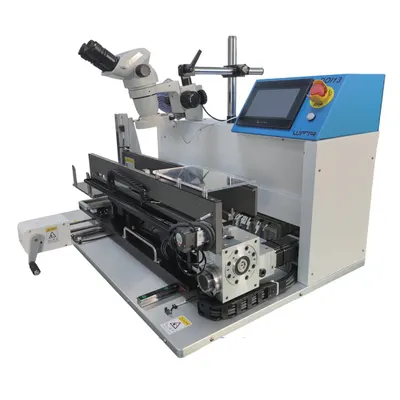
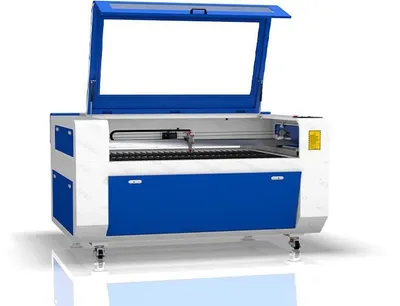
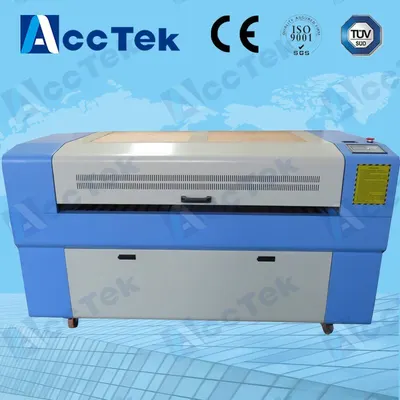
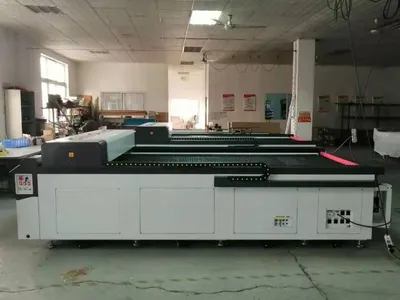
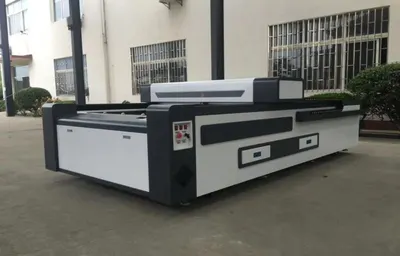
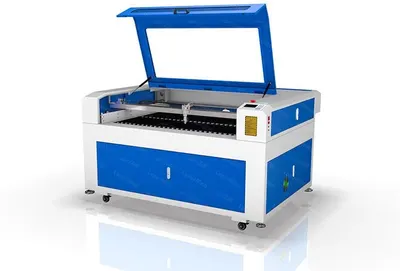
About Suzhou Chanxan Laser Technology Co., Ltd. - Laser Equipments & Products Supplier in China
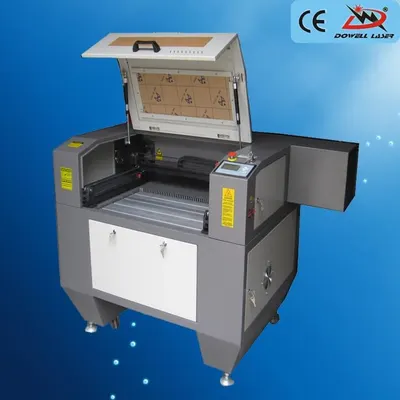
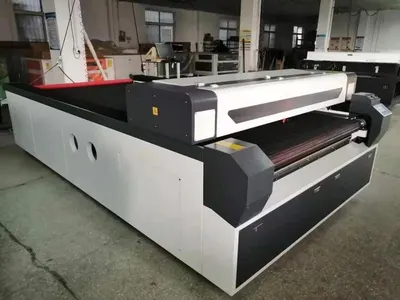
Suzhou Chanxan Laser Technology Co., Ltd. operates out of Suzhou, China and lists 16 distinct laser cutting and marking machines. The catalogue covers acrylic, bamboo, fabric and stainless‑steel cutting machines as well as RF, UV and CO2 laser marking devices. Products fall under the HS‑code family 8479 for laser apparatus and related marking equipment, which is the standard classification for such machinery. The company’s top categories include Agriculture, Laser Equipments & Products, and Industrial Machinery, indicating applications from material processing to agricultural product customization. Each entry is identified by a model code that reflects head count, power source or intended material type.
The product list includes the CW‑1310 Acrylic Laser Cutting Machine, CW‑1610TT Multi‑head Laser Cutting Machine and CW‑6040 Bamboo Crafts Laser Cutting Machine, showing capability across a range of sheet thicknesses from a few millimetres to several centimetres. Marking devices such as the CX‑100S RF Nonmetal Laser Marking Machine, CX‑08Z High Precision UV Laser Marking Machine and CX‑30G Laser Marking Machine for Metal address both non‑metal and metal substrates. Additional models like the CX‑20GP Portable Laser Marking Machine and the Laser Welders Chanxan Soldering Machine extend the portfolio to mobile marking and welding operations. All models are presented with specific series identifiers that differentiate power levels, head configurations and intended industrial use.
Product Range and Specialties of Suzhou Chanxan Laser Technology Co., Ltd.
The catalogue spans CO₂, fiber‑RF and UV laser technologies. In the cutting segment, Chinese manufacturers typically offer machines with laser sources ranging from 500 W to 6 kW, capable of processing materials such as acrylic sheets (up to 30 mm thickness), bamboo panels (up to 20 mm) and fabric layers (up to 10 mm) with positioning accuracy of ±0.1 mm. Marking machines commonly use wavelengths of 10.6 µm for CO₂, 1064 nm for fiber/RF and 355 nm for UV, delivering spot sizes from 0.05 mm to 0.2 mm and complying with IEC 60825‑1 safety classes. Typical specifications buyers request include laser power, maximum work‑area dimensions (e.g., 1300 mm × 1000 mm for the CW‑1310), repeatability, and material‑specific speed ranges. Standard industry certifications for such equipment are CE marking, RoHS compliance and ISO 9001 quality management, which signal conformity to European and global safety and environmental standards.
Frequently Asked Questions About Suzhou Chanxan Laser Technology Co., Ltd.
What types of laser sources are available in the supplier’s cutting machines?
The cutting machines include CO₂ laser sources for non‑metal materials and fiber/RF sources for metal and conductive substrates. Power levels typically range from 500 W to 6 kW, matching industry standards for sheet‑metal and acrylic processing.
Can the marking machines handle both metal and non‑metal surfaces?
Yes, models such as the CX‑30G are designed for metal marking, while the CX‑100S RF and CX‑08Z UV units target non‑metal and delicate materials. Each machine complies with IEC 60825‑1 safety classes for the respective wavelength.
What documentation should a buyer request before placing an order?
Buyers should ask for a CE Declaration of Conformity, RoHS compliance test report, ISO 9001 certificate (if available) and a detailed technical data sheet that lists laser power, work‑area size and material limits.
What are the typical lead times for these laser systems?
Standard lead times for fully assembled cutting or marking machines from Chinese manufacturers range from 30 to 60 days after receipt of a purchase order and required certifications.
Is there a minimum order quantity (MOQ) for individual machine models?
Most models are sold on a unit‑by‑unit basis with no strict MOQ; however, custom configurations or bulk accessory kits may have a minimum of 2 - 3 units.
ChinaRelated Suppliers & Products
Explore similar suppliers, related products and trending categories