Sunrise Company Limited — Verified Supplier
About Sunrise Company Limited - Diverse Commodity Supplier in Thailand
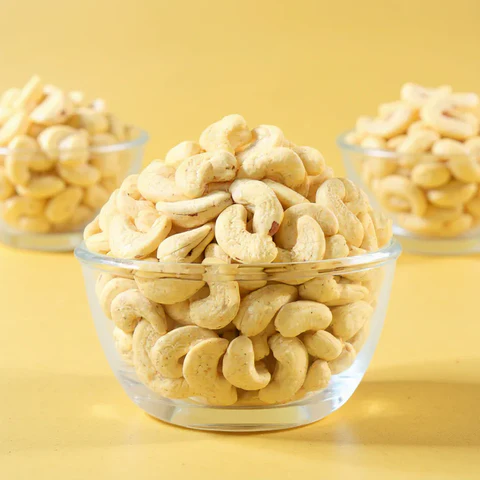
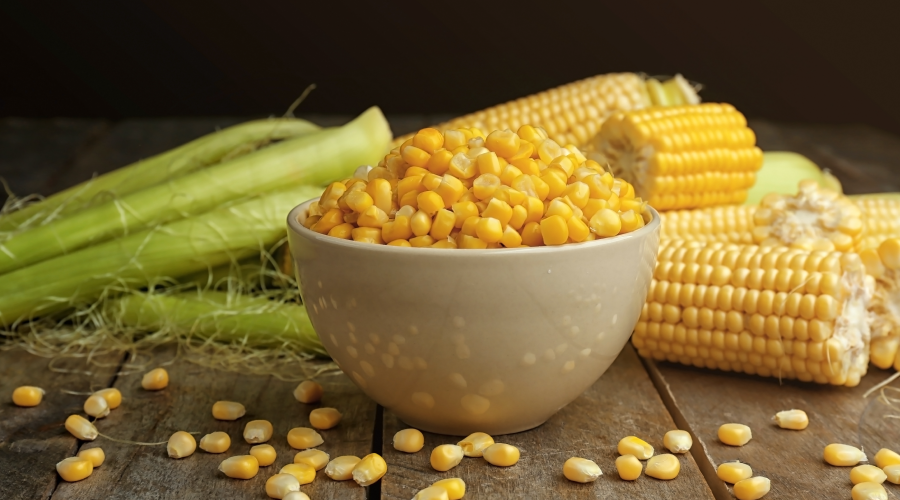
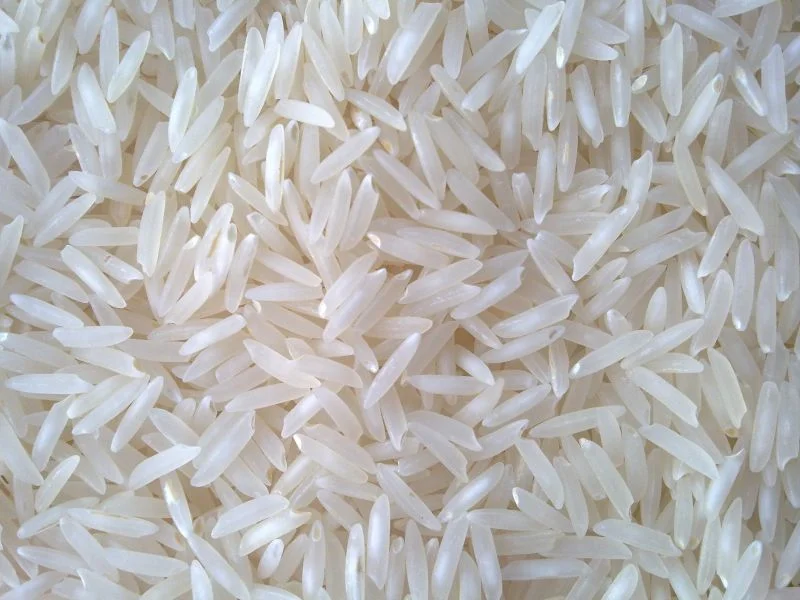
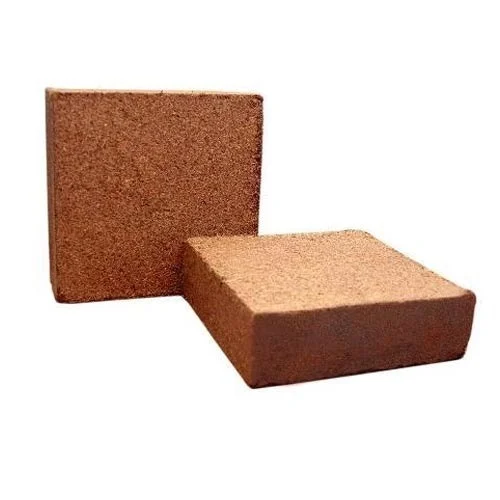
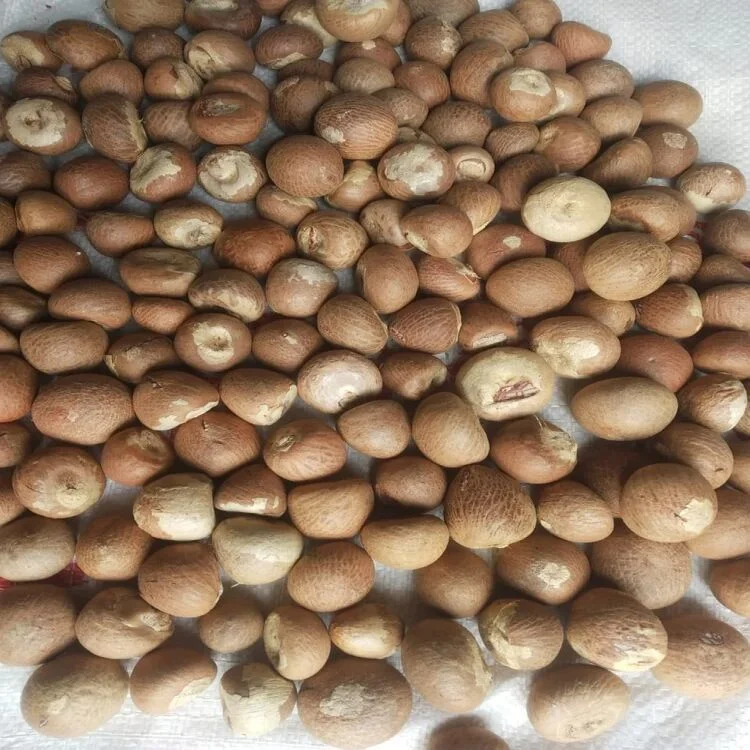
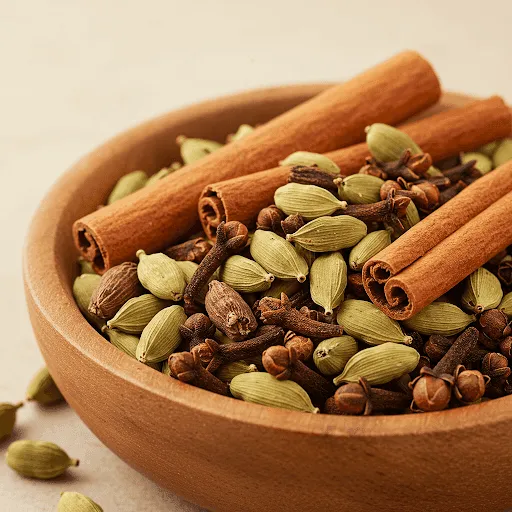
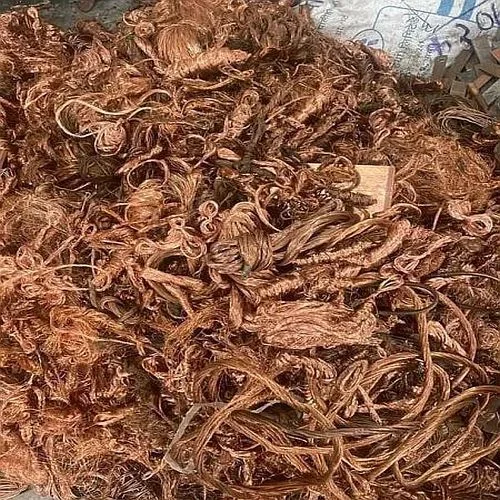
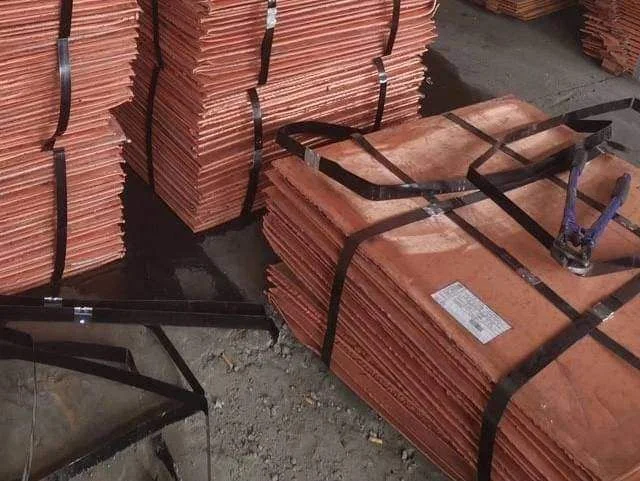
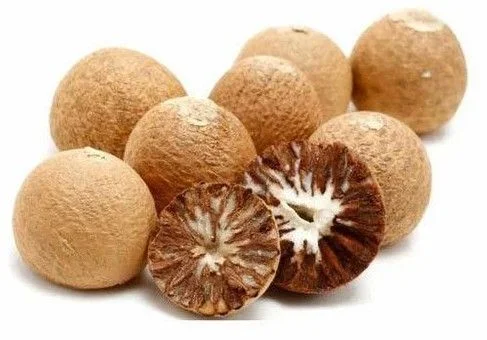
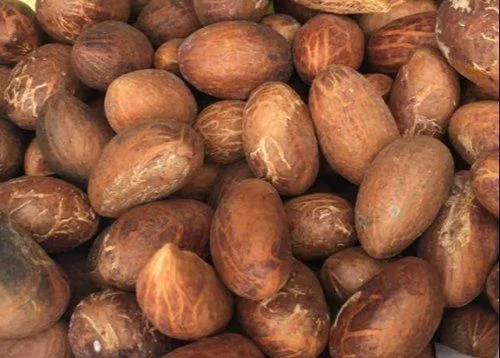
Thailand‑based Sunrise Company Limited lists fifteen distinct products in its current catalogue. The portfolio includes Betel Nut (HS 0802.80, dried areca nut), Cardamom, Tapioca Starch, Copper Scrap Wire (HS 7404.00, millberry copper 99.78 % - 99.99 %), Copper Cathodes (HS 7403.11, electrolytic copper ≥99.97 %), Wheat Grains, White Sugar, Refined Sunflower Oil, Coco peat, Soybean Oil, Long Grain White Rice, Kidney Beans, Yellow Corn, Peanut and Cashew Nuts. Each entry specifies the material type where available, such as copper purity for the scrap and cathode products or the dried nut form for betel nut. The HS‑code families span Chapter 08 (edible nuts and fruits) and Chapter 74 (copper products), reflecting the mix of agricultural and metal commodities offered by the supplier.
The catalogue does not include any textile, chemical or electronic items, focusing instead on bulk foodstuffs, edible oils, agricultural by‑products and base metal raw materials. Sunrise Company Limited’s product count of fifteen demonstrates a diversified but targeted commodity set that can be container‑shipped in standard 20‑ft or 40‑ft units, with typical bulk packaging such as jute bags for grains, fiber drums for oils and steel bundles for copper scrap. The supplier’s listed items are commonly traded under the cited HS codes, enabling straightforward customs classification for international buyers.
Product Range and Specialties of Sunrise Company Limited
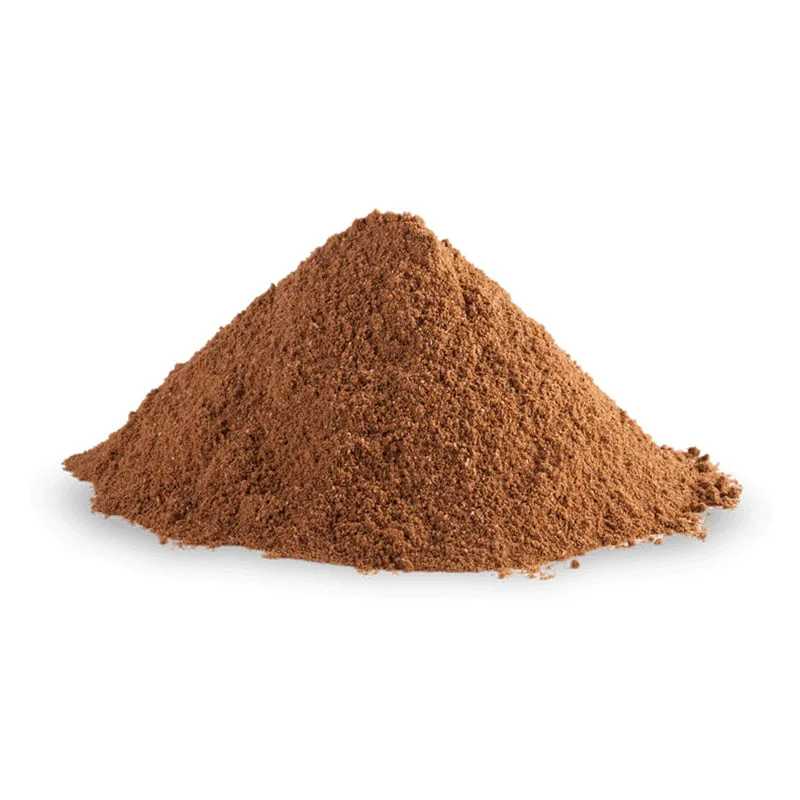
Sunrise Company Limited’s current offering covers three broad commodity groups: agricultural produce (Betel Nut, Cardamom, Wheat, White Sugar, Long Grain White Rice, Kidney Beans, Yellow Corn, Peanut, Cashew Nuts), edible oils and starches (Refined Sunflower Oil, Soybean Oil, Tapioca Starch, Coco peat) and base‑metal raw material (Copper Scrap Wire and Copper Cathodes). In the nut and spice segment, buyers typically look for ICUMSA 45‑grade sugar, 100 % pure betel nut without moisture excess, and Cardamom graded as “large‑fruited” with essential oil content above 5 %. Starch suppliers usually specify moisture ≤ 12 % and viscosity ranges (e.g., 150 - 200 cP at 25 °C for tapioca starch). Copper scrap is normally classified by purity (99.5 % - 99.99 %) and copper content, while cathodes are assessed on minimum Cu 99.97 % and dimensions (e.g., 1 mm thickness). Standard packaging includes 1‑ton polypropylene bags for grains, 25 kg drums for oils, and steel bundles or wooden crates for copper products, all compatible with container loading.
Trade and Export Information - Sunrise Company Limited
Thailand is a major exporter of both agricultural commodities and base‑metal scrap. Grain and oil shipments from Thailand regularly flow to the Middle East, North Africa and Southeast Asian processing hubs, while copper scrap and cathodes are primarily shipped to China, South Korea and European smelting facilities. HS 0802.80 (Betel Nut) and other Chapter 08 codes often require phytosanitary certificates and fumigation statements for entry into the EU and US markets. Copper products under HS 7403‑7404 are subject to customs declarations of metal content and may need a Certificate of Origin to qualify for preferential tariffs under ASEAN‑China agreements. Typical Incoterms used by Thai exporters are FOB Bangkok Port or CIF Shanghai, with containers packed in accordance with ISO 9001‑aligned handling procedures. Buyers should verify that the supplier can provide the necessary export permits, sanitary certificates for food items and metal analysis reports for copper shipments.
Sourcing from Sunrise Company Limited - Buyer Guidance
When sourcing from Sunrise Company Limited, buyers should request product specifications that match industry standards: ICUMSA grade for sugar, moisture and particle‑size analysis for starch, oil purity (FFA ≤ 0.1 %) and peroxide value for refined oils, and assay reports confirming copper purity for scrap and cathodes. A phytosanitary certificate is essential for Betel Nut, Cardamom and other plant‑derived goods, while a metal analysis certificate (e.g., ASTM B115) is standard for copper products. Samples in sealed, tamper‑evident packaging help verify quality before large orders. Buyers are advised to confirm the supplier’s ability to meet container loading plans (e.g., 20‑ft for grains, 40‑ft for oils) and to clarify the preferred Incoterm to align with their logistics network.
Frequently Asked Questions About Sunrise Company Limited
What HS codes does Sunrise Company Limited use for its copper products?
Copper Scrap Wire is classified under HS 7404.00 and Copper Cathodes under HS 7403.11, both falling within Chapter 74 for copper articles.
Which certifications should a buyer request for the agricultural items?
Buyers should ask for a phytosanitary certificate, a certificate of origin, and, where applicable, ISO 22000 or HACCP documentation for food safety compliance.
What quality parameters are typical for the refined oils listed?
Refined Sunflower Oil and Soybean Oil are normally required to meet free‑fatty‑acid levels of ≤ 0.1 % and peroxide values below 10 meq O₂/kg, with moisture content under 0.1 %.
How is Tapioca Starch usually packaged for export?
Tapioca Starch is commonly packed in 25 kg polypropylene bags, moisture‑controlled to ≤ 12 % and placed on pallets for 20‑ft container loading.
What minimum copper purity is expected for the copper scrap?
The catalogue specifies a purity range of 99.78 % to 99.99 % copper, which aligns with standard specifications for secondary copper feedstock.
Which markets commonly import the wheat and rice products from Thailand?
Wheat grains and Long Grain White Rice from Thailand are frequently shipped to the Middle East, North Africa and East Asian processing industries under HS 1001 and HS 1006 respectively.
What documentation is needed for Betel Nut shipments?
Betel Nut exports require a phytosanitary certificate, a certificate of origin, and a laboratory analysis confirming moisture content below 12 %.
What are the typical container sizes for the supplier’s bulk commodities?
Standard 20‑ft containers accommodate roughly 20 tons of grains or beans, while 40‑ft containers are used for larger volumes of oils and copper bundles, depending on packaging dimensions.




 , Thailand