Soft Systems — Supplier
About Soft Systems - Mixed Category Supplier in India
Soft Systems is based in India and currently lists eight active products in its catalogue. The product set spans three primary categories: Spices, Evening Wear, and Curtains, with individual items such as Handicrafts gifts, Fashion jewellery, Kurtis, Denium jeans, Salwar suit and Wedding decoration curtains. Each listing is identified by its generic product name without further technical specifications in the source data. The supplier is classified as an imported tier with a harbor trust tier, indicating a moderate level of verified reliability in B2B platforms.
The catalogue reflects a mix of consumable and textile goods, allowing buyers to source both food‑grade spices and finished apparel or home‑textile items from a single Indian source. While the source does not provide HS codes, the product families correspond to standard customs headings for spices (Chapter 09), apparel (Chapters 61‑62) and textile home goods (Chapter 63). The eight‑product portfolio gives buyers a concise selection to evaluate against their import requirements.
Product Range and Specialties of Soft Systems
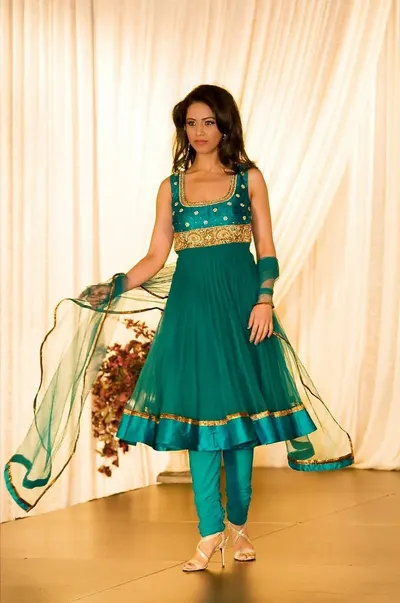
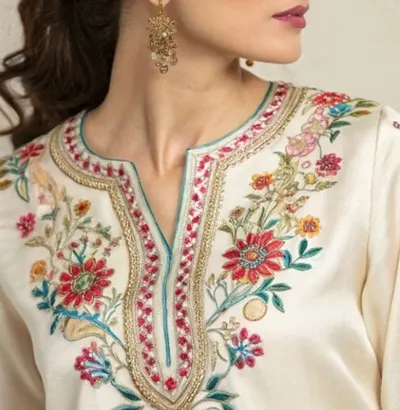
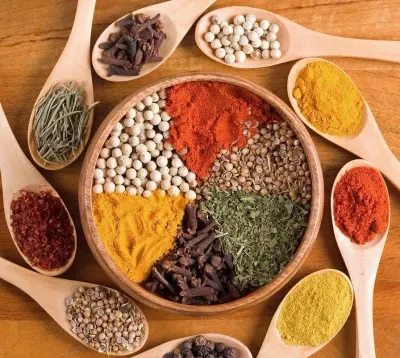
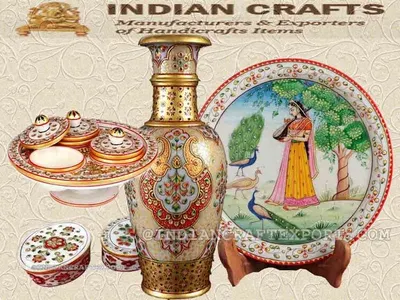
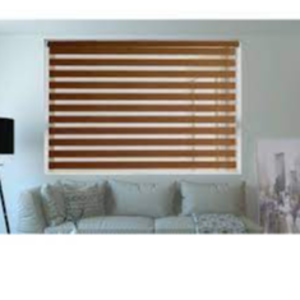
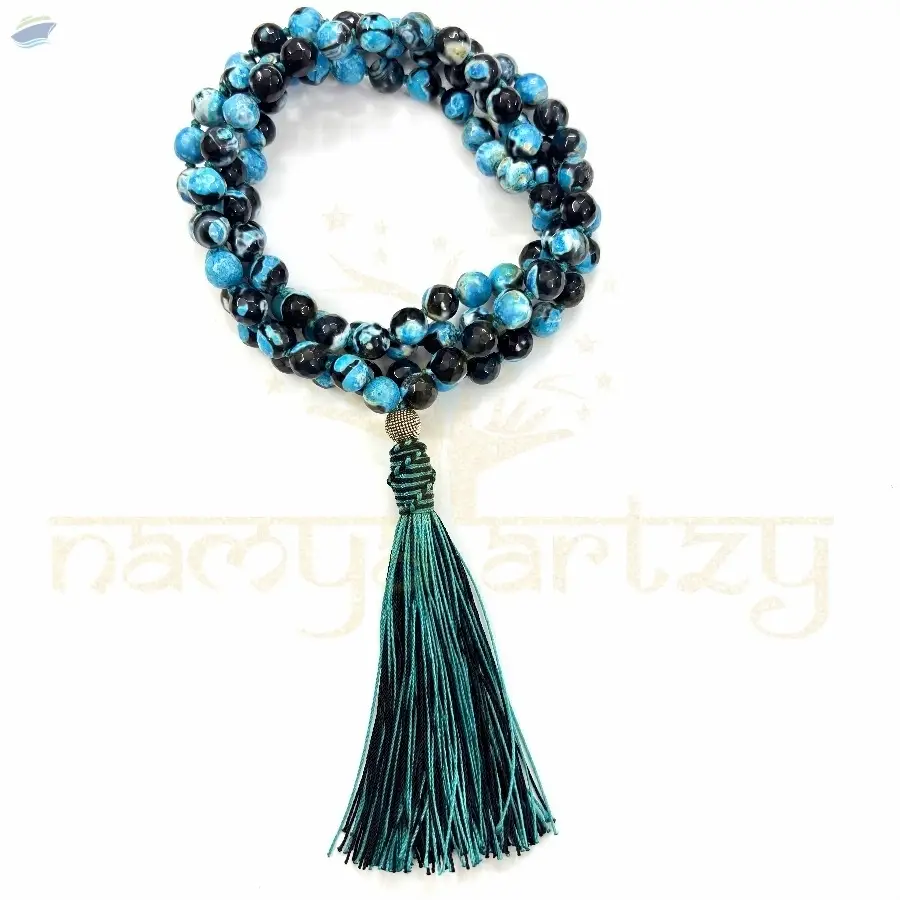
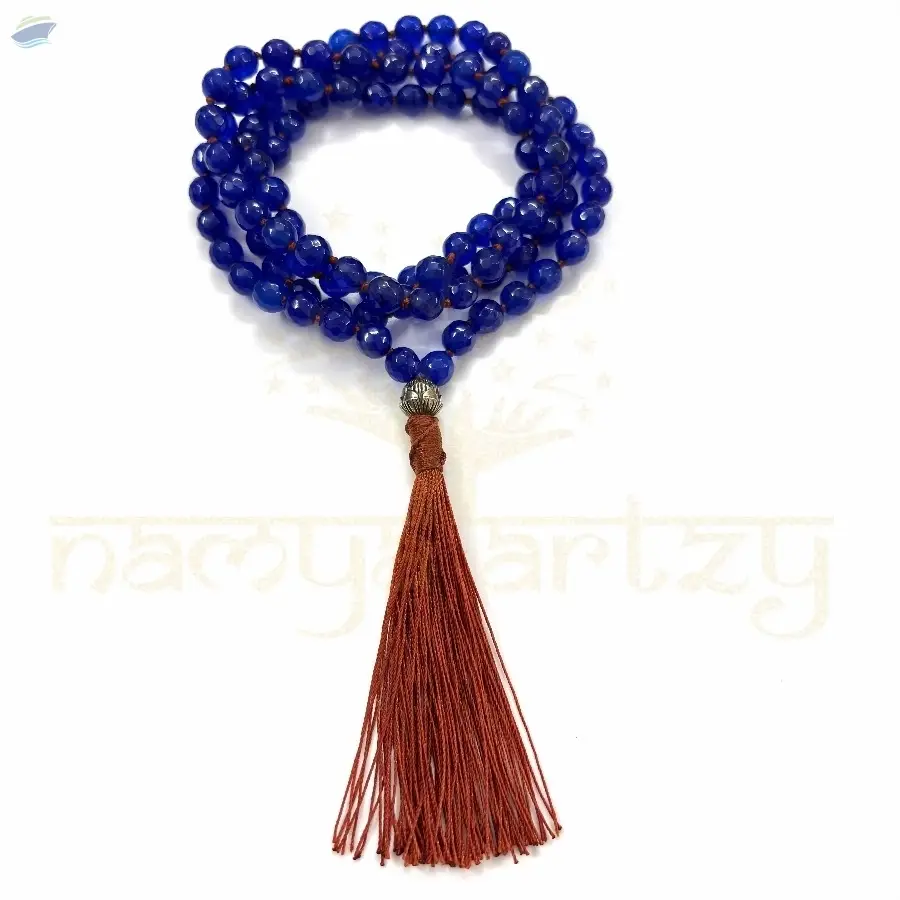
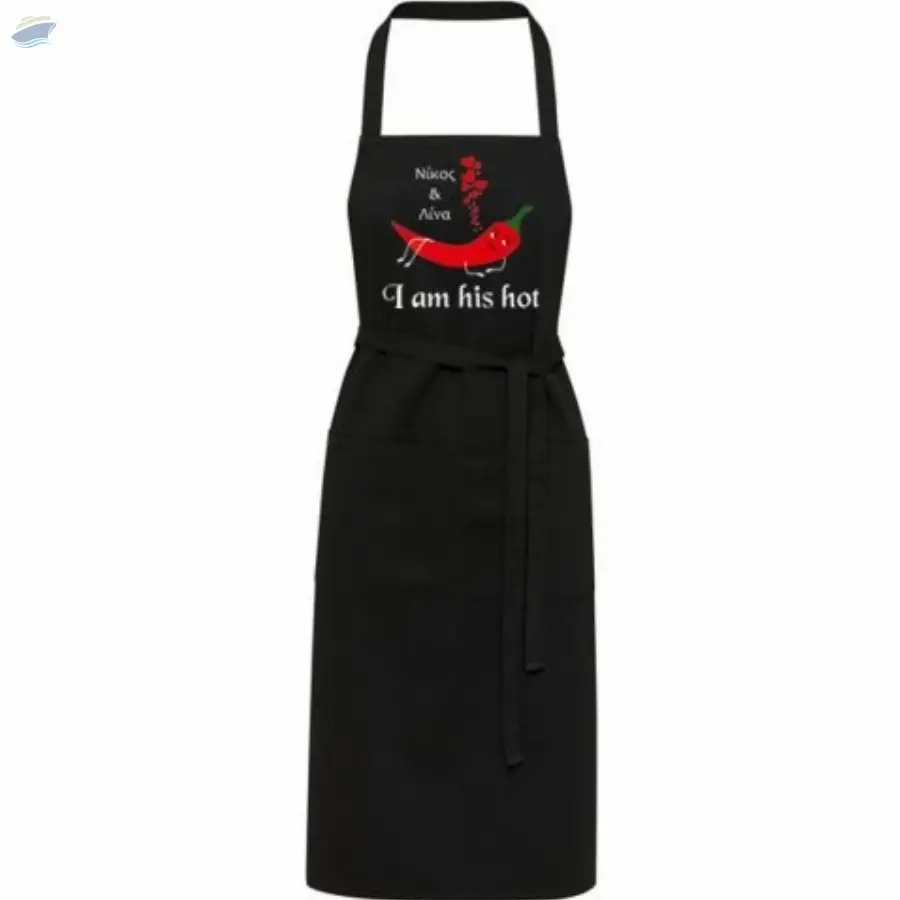
The listed items include Handicrafts gifts, a broad term that often covers wooden, metal or textile souvenirs, and a dedicated Spices line that typically covers whole or ground varieties such as turmeric, cumin or cardamom. In the apparel segment, Soft Systems offers Fashion jewellery, Kurtis, Denium jeans, Evening wear and Salwar suits, all of which fall under ready‑made garments made from cotton, polyester blends or denim fabrics. The Curtains entry is described as Wedding decoration curtains, a niche textile product usually produced from polyester‑cotton blends with decorative prints or embroidery. Industry standards for these categories include spice moisture limits of 12 % or lower, microbial limits defined by FSSAI or ISO 22000, and textile specifications such as fabric weight between 150‑250 g m‑2 for kurtis, denim 12‑14 oz for jeans, and curtain GSM of 180‑250 depending on opacity.
Trade and Export Information - Soft Systems
India ranks among the top global exporters of spices, supplying the EU, United States and Middle East under HS 0901‑0905 headings. Exporters of Indian apparel and home textiles typically ship to Europe, North America and GCC markets, using 20‑foot and 40‑foot containers with standard poly‑bag or carton packing. Buyers usually request certifications such as ISO 9001 for quality management, FSSAI or ISO 22000 for food safety on spice shipments, and Oeko‑Tex or ISO 14001 for textile products. Customs inspections often verify country of origin markings, weight declarations and compliance with the relevant HS chapters. Shipping terms commonly employed are FOB or CIF, with freight forwarders handling palletized cartons for garments and bulk bags or crates for spice bulk.
Sourcing from Soft Systems - Buyer Guidance
When sourcing spices from Soft Systems, request a recent laboratory analysis report showing moisture content, ash, and microbial limits, as well as a certificate of analysis that matches the product label. For apparel and curtains, ask for fabric swatches, GSM measurements, colourfastness test results (AATCC 61/62) and any applicable social compliance documents such as WRAP or SA8000. Verify that the supplier can provide the required HS code declaration on the commercial invoice and that packaging meets the buyer’s import container specifications. Early confirmation of these documents reduces the risk of customs delays and helps align the shipment with the buyer’s quality assurance protocol.
Frequently Asked Questions About Soft Systems
What product categories does Soft Systems list in its catalogue?
The catalogue includes Handicrafts gifts, Spices, Fashion jewellery, Kurtis, Denium jeans, Evening wear, Salwar suit and Wedding decoration curtains, covering both consumable and textile segments.
How many distinct products are active on Soft Systems' platform?
Eight active products are listed, each corresponding to one of the items in the catalogue.
Which HS chapters are typically relevant for Soft Systems' product range?
Spices fall under Chapter 09, ready‑made garments under Chapters 61‑62, and home‑textile curtains under Chapter 63 of the HS nomenclature.
What certifications should a buyer request for the spice products?
Buyers should request a current FSSAI registration or ISO 22000 food‑safety certificate, along with a laboratory analysis report showing moisture, ash and microbial limits.
What textile specifications are common for the Kurtis and Denium jeans offered?
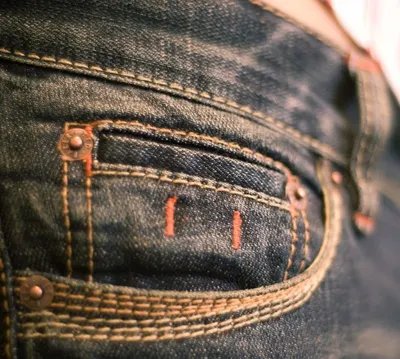
Kurtis are usually made from cotton or cotton‑blend fabrics with a weight of 150‑250 g m‑2, while Denium jeans are typically denim of 12‑14 oz (approximately 340‑380 g m‑2) with a 100 % cotton or cotton‑spandex composition.
What packaging format is standard for exporting the wedding decoration curtains?
Exporters generally pack curtains in rolled form inside reinforced cardboard tubes or flat‑packed cartons, with dimensions suitable for 20‑foot or 40‑foot containers and clear labeling of material composition.
Which markets commonly import Indian spices and textiles?
Major import markets include the European Union, the United States, Canada and the Gulf Cooperation Council countries, where buyers often require the standard certifications mentioned above.
What documentation is essential for customs clearance of Soft Systems' shipments?
A commercial invoice with correct HS codes, a packing list, any requested certificates of origin, and the relevant quality or safety certificates (e.g., ISO 9001, FSSAI) are typically required for smooth customs clearance.




 , India