Sofrens Exim — Verified Supplier
About Sofrens Exim - Pistachio Supplier in Romania
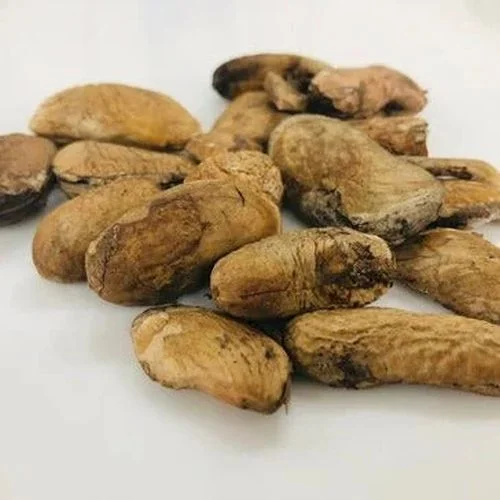
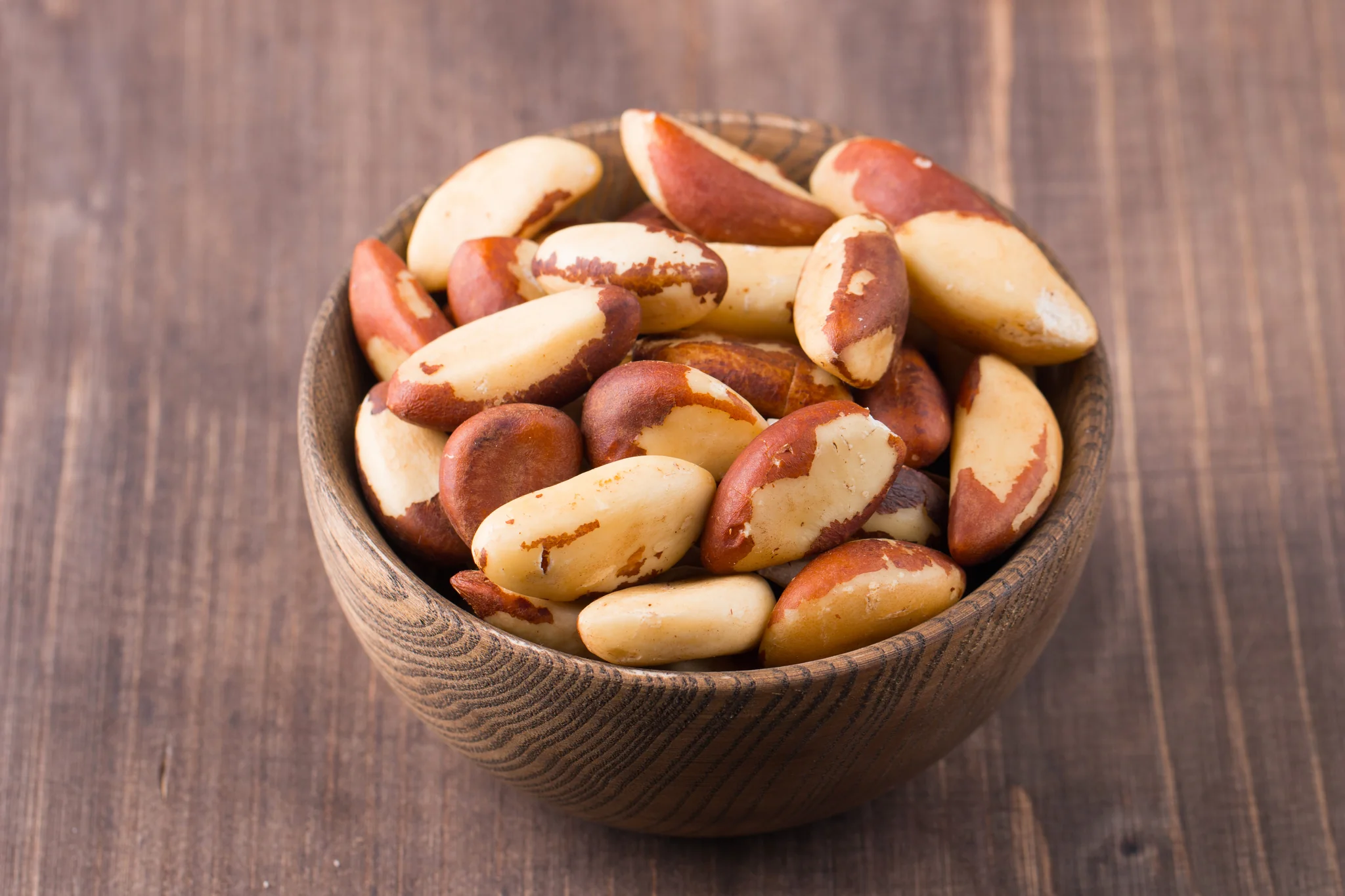
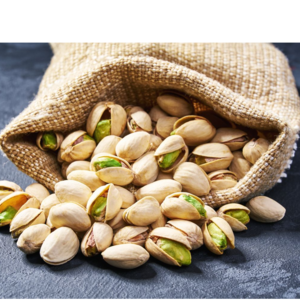
Romania‑based Sofrens Exim lists 26 active products across nuts, seeds, spices and refined sugars. The catalogue includes cashew kernels in three size grades (W210, W320, W240), multiple almond varieties identified under HS code 0802.12, raw and roasted pistachios, walnuts, chia seeds, turmeric roots, refined white and brown ICUMSA 45 sugar, and refined sunflower oil. Each entry is recorded under its appropriate commodity description without additional brand or client references. The supplier’s trust tier is listed as “harbor”, indicating a mid‑level verification status in the platform’s rating system.
The product list spans several HS‑code families: 0802 for almonds, cashews and pistachios; 1701 for refined cane sugar; 1206 for chia seeds; 0910 for turmeric; and 1515 for sunflower oil. Materials are described as natural kernels, raw nuts, and refined oils, matching standard commodity classifications used in global trade. No specific certifications are mentioned in the supplied data, so buyers should verify compliance documents independently.
Product Range and Specialties of Sofrens Exim
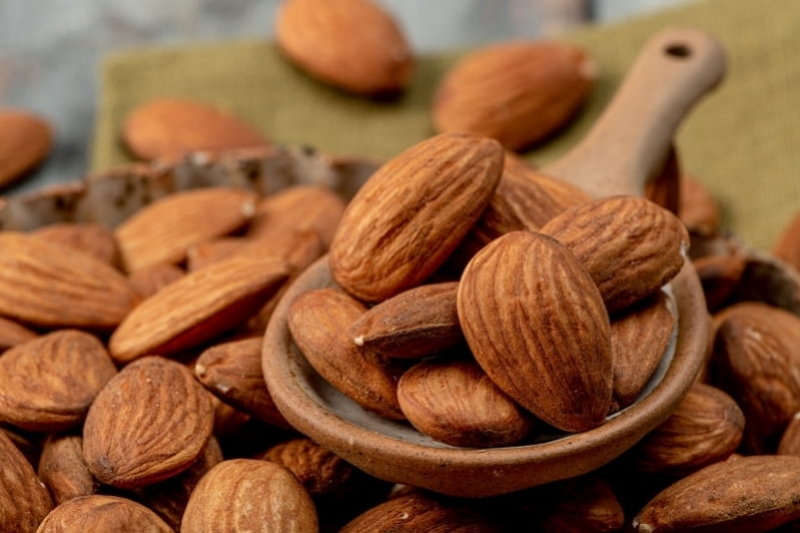
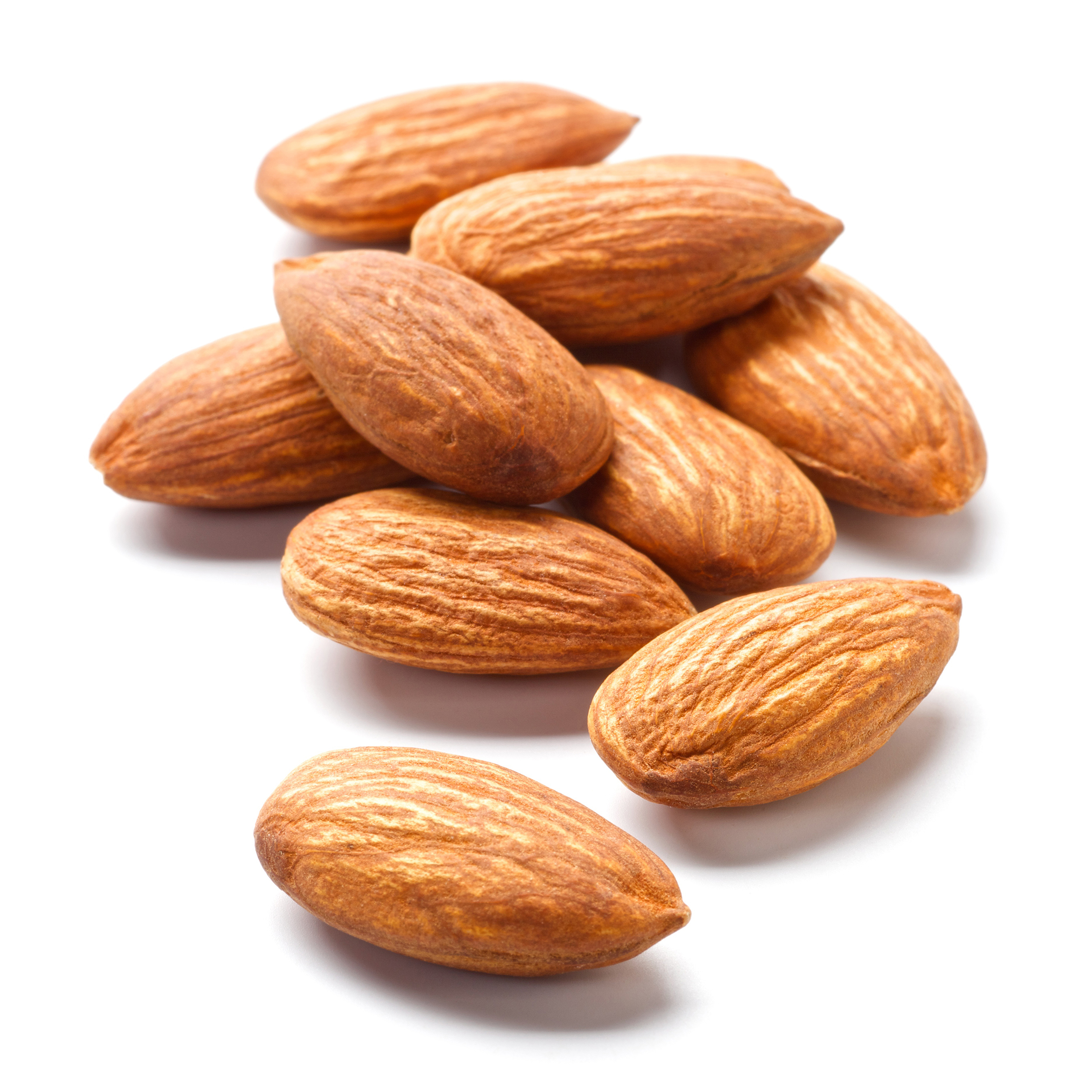
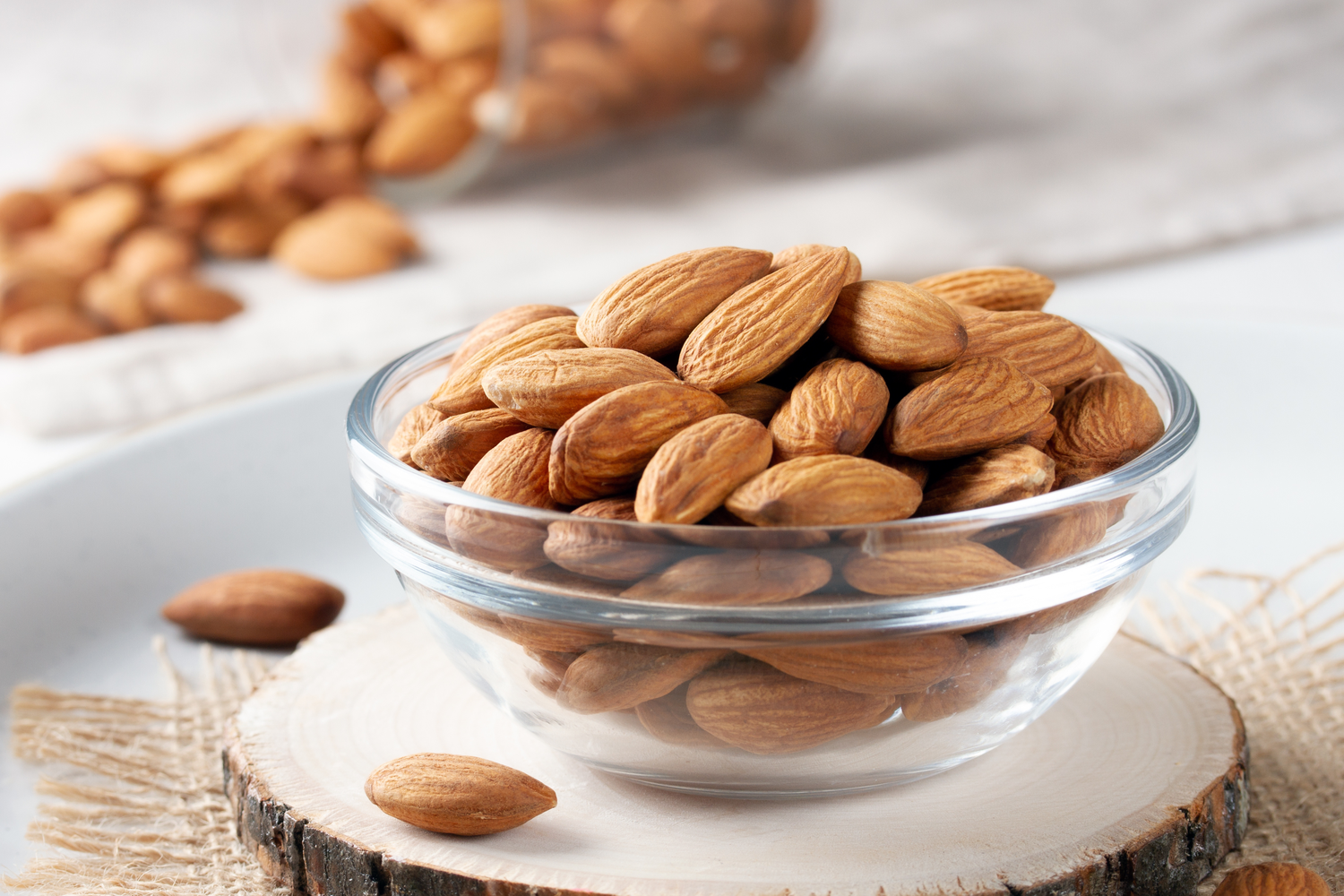
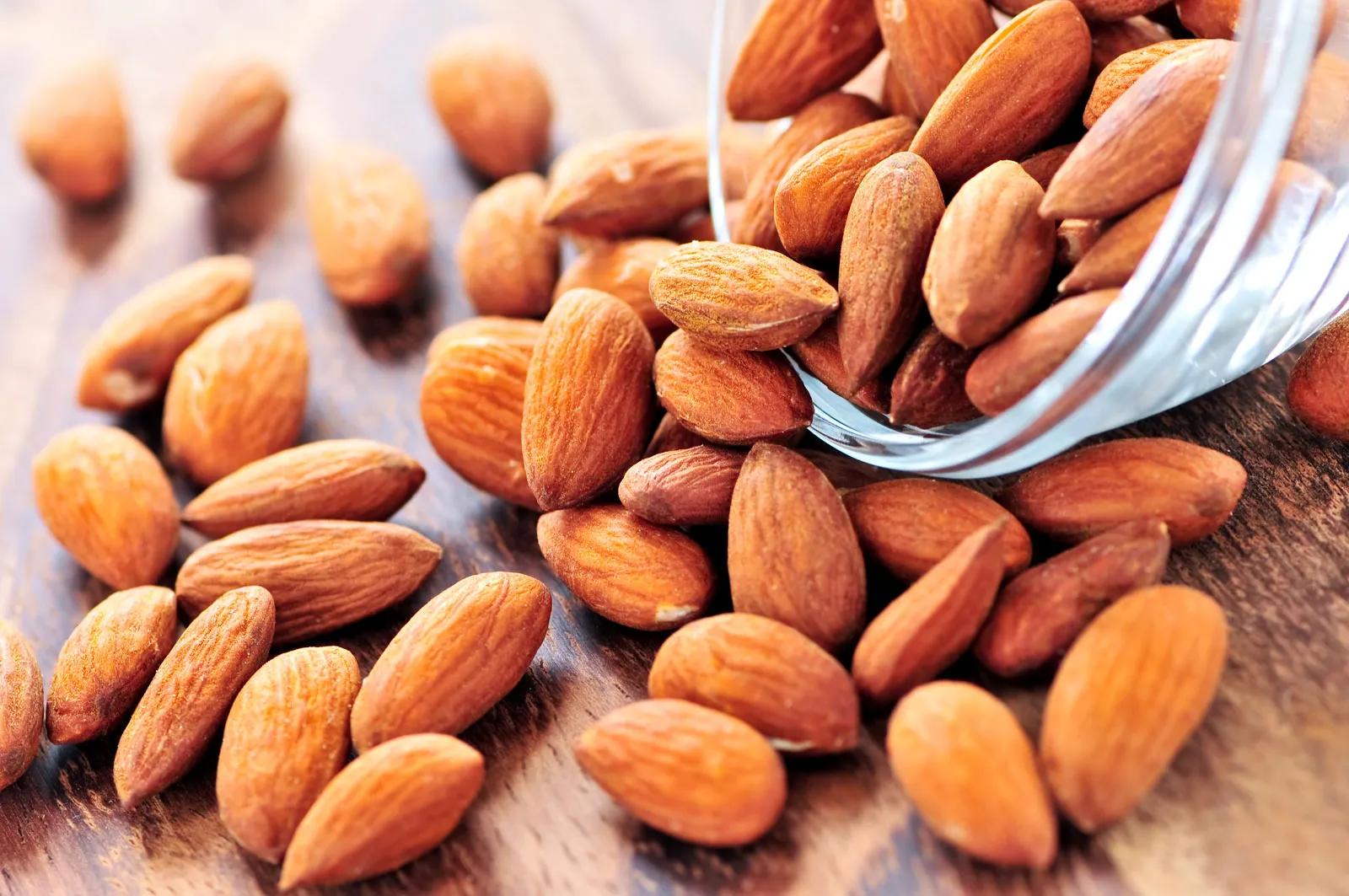
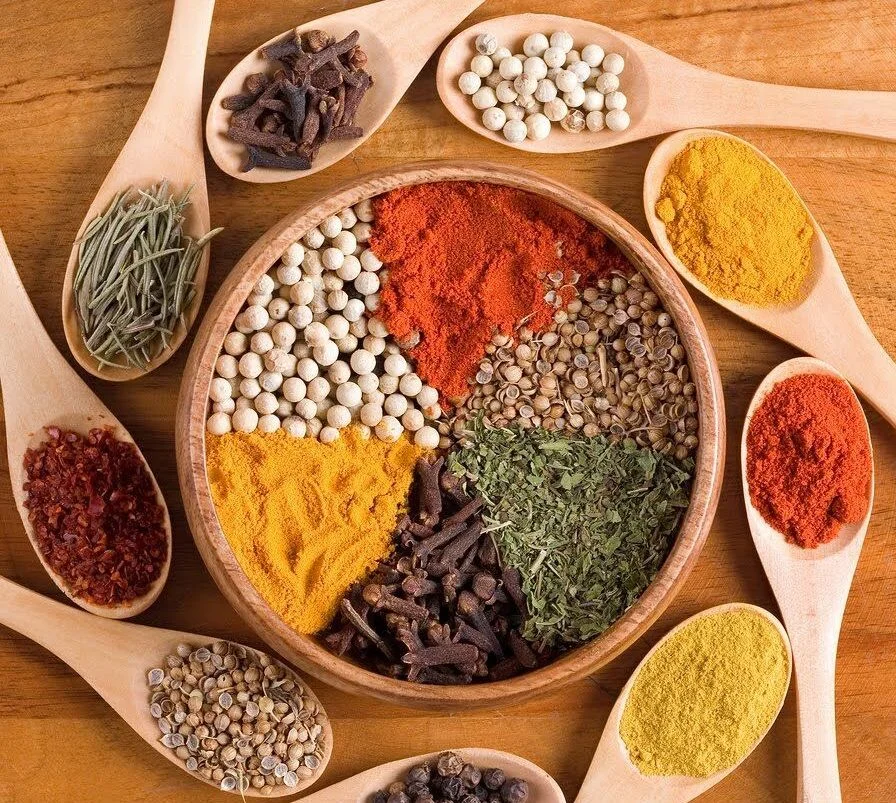
Sofrens Exim’s catalogue groups items by commodity type: tree nuts (cashew, almond, pistachio, walnut), oilseed (sunflower oil), spice (turmeric), seed (chia), and refined sugar. In the nut segment, size grades such as W210, W320 and W240 refer to kernel weight ranges commonly expressed in grams per 100 g batch, while “raw” versus “roasted and salted” indicates processing level. Almond entries are listed under HS 0802.12 and are described as sweet California varieties, a grade that typically meets moisture limits of ≤5 % and a shell‑removal rate above 95 %.
Industry standards for these commodities include ICUMSA 45 for white cane sugar (maximum ash 0.04 %, moisture ≤0.1 %), and for pistachios and cashews a typical grade of “Kernel Grade” with aflatoxin < 10 µg kg⁻¹. Sunflower oil is usually traded as refined, meeting EU edible‑oil specifications for free fatty acid ≤0.1 % and peroxide value ≤10 meq O₂ kg⁻¹. Chia seeds are commonly sold with a purity ≥98 % and moisture ≤10 %. These benchmarks help buyers compare Sofrens Exim’s offerings with global market expectations.
Trade and Export Information - Sofrens Exim
Romania exports nuts, seeds and refined food ingredients primarily to EU member states, the Middle East, North Africa and selected Asian markets. HS chapter 08 (edible fruits and nuts) and chapter 17 (sugar) are the main tariff lines, with typical duties ranging from 0‑5 % under EU preferential agreements. Buyers often require a phytosanitary certificate for nuts and a certificate of analysis (CoA) for sugar and oil to satisfy EU food‑safety regulations.
Common certifications requested for Romanian food exporters include ISO 22000, HACCP, and EU organic or conventional compliance, depending on the buyer’s market. For pistachios and cashews, a fumigation certificate and a mycotoxin test report are standard. Sunflower oil shipments are usually packed in 20 ft or 40 ft containers in food‑grade drums or bulk tanker trucks, with labeling that meets the EU Regulation 1169 on food information. Turmeric and chia seeds are subject to heavy‑metal testing and may need a GFSI‑aligned audit such as BRC or IFS for bulk buyers.
Sourcing from Sofrens Exim - Buyer Guidance
When sourcing from Sofrens Exim, request a recent Certificate of Analysis for each commodity, specifying moisture, oil content (for nuts), aflatoxin levels and, where applicable, ICUMSA grade for sugar. Verify the HS code declared in the pro‑forma matches the product description, especially for almond variants listed under 0802.12. Request a copy of the supplier’s phytosanitary certificate and, for oil, a free‑fatty‑acid test result to confirm refinement quality.
Confirm packaging details before order: nuts are typically shipped in 1 ton jute bags or 25 kg polypropylene sacks, sugar in 25 kg paper bags, and oil in 200 L food‑grade drums. Ask for the proposed Incoterm (CFR, CIF or DAP) and the estimated lead time, which for bulk nuts from Romania usually ranges from 30 to 45 days after order confirmation.
Frequently Asked Questions About Sofrens Exim
What HS codes does Sofrens Exim use for its almond products?
Almond items in the catalogue are recorded under HS code 0802.12, which covers raw and shelled almonds. The material description specifies sweet California almonds and raw almond kernels.
Are phytosanitary certificates required for the nuts?
Yes, EU and many Asian import regulations require a phytosanitary certificate for cashews, almonds, pistachios and walnuts. Buyers should request this document before shipment.
What quality grade is indicated for the white sugar?
The sugar is described as ICUMSA 45, the standard grade for refined white cane sugar with low ash and moisture content.
Which certifications are typically needed for sunflower oil?
Buyers normally ask for ISO 22000 or HACCP compliance, a free‑fatty‑acid test, and a CoA confirming peroxide value and oil purity.
How are pistachios packaged for export?
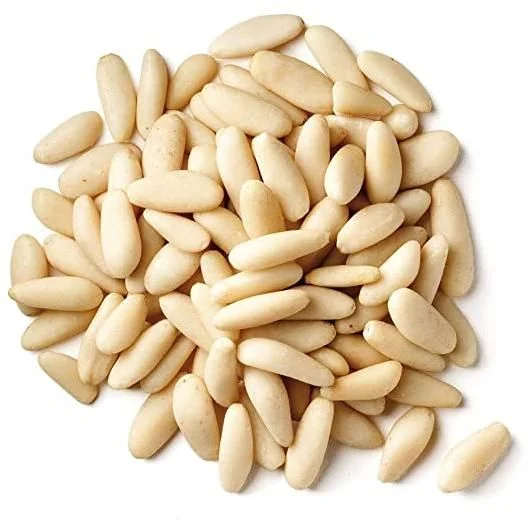
Bulk pistachios are commonly packed in 1 ton jute bags or 25 kg polypropylene sacks, with optional vacuum‑sealed inner liners for moisture protection.
What documentation should be requested for turmeric?
A certificate of analysis showing curcumin content, moisture level, and heavy‑metal limits, together with a phytosanitary certificate, is standard for turmeric exports.




 , Romania