Sng Lifesciences — Verified Supplier
About Sng Lifesciences - Saffron Supplier in India
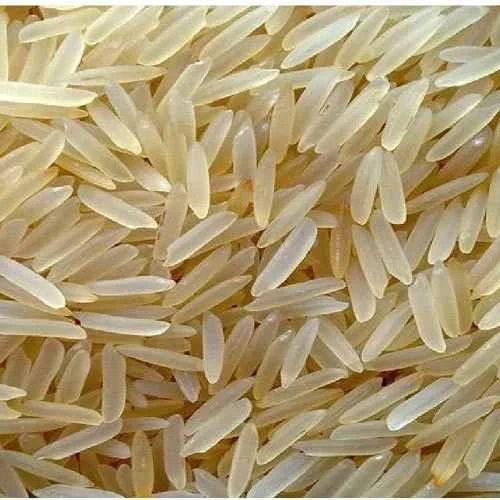
Sng Lifesciences, located in India, offers a diverse range of products, with 9 active products listed. The company's product catalogue includes Saffron, Basmati Rice, Black Cardamom, Coriander Seeds, Fresh Ginger, Medical Clothing, Sugar, Turmeric, Walnut, and Cashew. Notably, their Basmati Rice is classified under the HS code 1006.30, comprising Polished Long Grain Rice, Oryza sativa indica. Black Cardamom, on the other hand, falls under the HS code 0908.31, consisting of Black Cardamom Pods (Amomum subulatum).
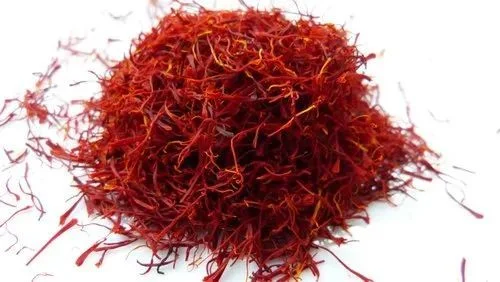
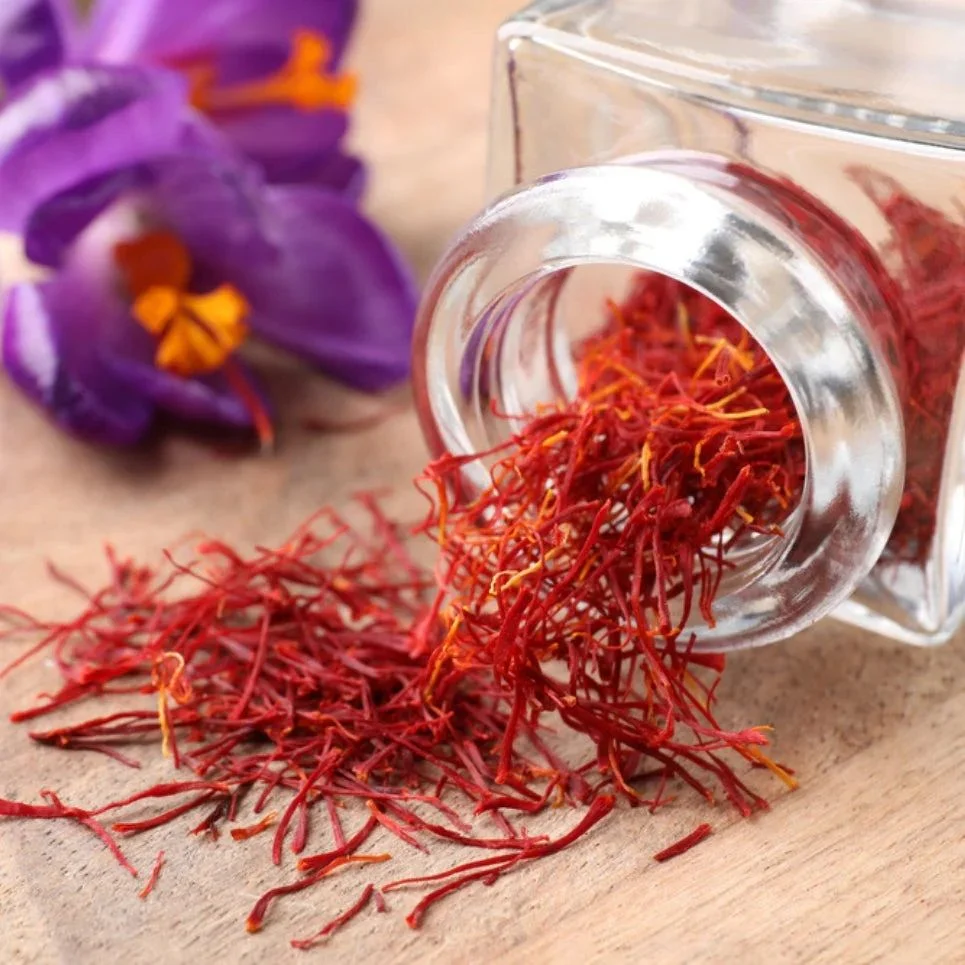
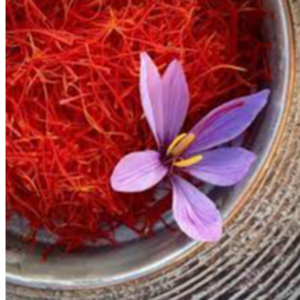
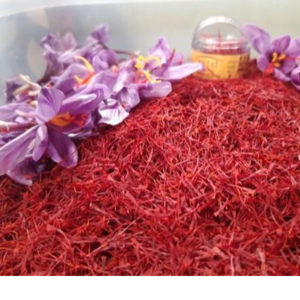
Buyers interested in sourcing from Sng Lifesciences can expect a variety of products, each with its own set of characteristics and classifications. For instance, Saffron, a key product, is known for its distinct quality and grading, such as the ICUMSA 45 standard, which buyers should verify when sourcing. The company's location in India, a significant producer and exporter of spices and grains, positions it well for trade with regions like the Middle East, Europe, and North America.
Product Range and Specialties of Sng Lifesciences
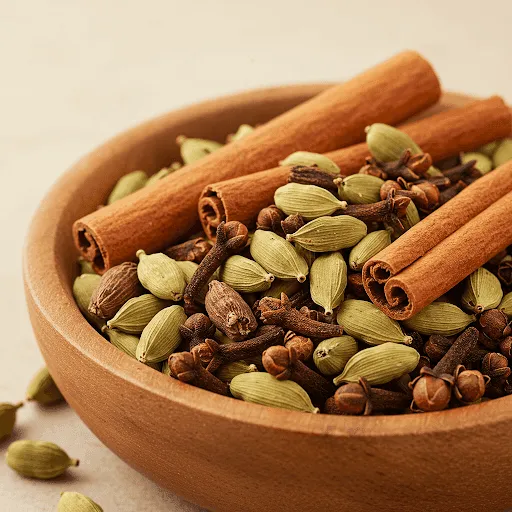
Sng Lifesciences' product range is enriched by understanding the typical grades and standards for each category. For example, Basmati Rice is often graded based on its grain length, with a minimum of 7.5 mm, and a maximum moisture content of 13%. Black Cardamom, a spice commonly used in baking and cooking, is usually sold in pods or ground form, with an essential oil content of around 2-3%. When sourcing from Sng Lifesciences, buyers should request specifications and test reports to ensure the products meet their required standards.
The company's listing of Medical Clothing adds a unique dimension to its product range, indicating a capacity to supply goods that require specific standards and certifications, such as ISO 13485 for medical devices. Buyers should confirm the applicable standards and certifications for these products.
Trade and Export Information - Sng Lifesciences
Exporters of spices and grains from India, like Sng Lifesciences, typically engage in trade with countries in the Middle East, Europe, and North America. The HS code families involved, such as 0908 for spices and 1006 for rice, are crucial for customs clearance and regulatory compliance. Buyers should be aware of the certifications commonly required for these goods, such as HACCP and ISO 22000 for food safety, and ensure that the supplier can provide these.
The logistics of exporting these goods involve consideration of packaging, with jute bags or polypropylene bags commonly used for spices and grains, and containerization, often in 20 ft or 40 ft containers. Incoterms like FOB or CIF are frequently used in such transactions. Understanding these norms and requirements is essential for smooth trade.
Sourcing from Sng Lifesciences - Buyer Guidance
When sourcing from Sng Lifesciences, buyers should request detailed specifications, samples, and test reports to verify the quality and authenticity of the products. For Saffron, for instance, buyers should ask for the saffron's coloring strength, measured in ISO units, and its moisture content. For Basmati Rice, the grain length, moisture content, and broken grain percentage are critical parameters.
Buyers should also verify the certifications and documents required for their specific market, such as phytosanitary certificates for plant products or certificates of origin for customs purposes. Confirming the Minimum Order Quantity (MOQ) and lead time is also crucial to plan the sourcing effectively.
Frequently Asked Questions About Sng Lifesciences
What is the significance of the HS code for Basmati Rice?
The HS code 1006.30 for Basmati Rice is crucial for customs clearance and determines the applicable tariffs and regulations. Buyers should ensure the supplier provides the correct HS code for each product.
How do I verify the quality of Saffron?
To verify the quality of Saffron, buyers should request the saffron's coloring strength in ISO units and its moisture content. They can also ask for third-party test reports or certifications like ISO 3632.
What packaging is commonly used for spices like Black Cardamom?
For spices like Black Cardamom, jute bags or polypropylene bags are commonly used, often in quantities of 25 kg or 50 kg per bag. Buyers should confirm the packaging with the supplier to ensure it meets their requirements.
What are the typical certifications required for Medical Clothing?
Medical Clothing typically requires certifications like ISO 13485 for medical devices and CE marking for compliance with EU health and safety regulations. Buyers should request these certifications from the supplier.
What is the significance of the origin country, India, for the export of spices and grains?
India is a significant producer and exporter of spices and grains, with a well-established regulatory framework. Buyers should understand the Indian export regulations and the applicable certifications required for their market.
How do I confirm the lead time and MOQ for products from Sng Lifesciences?
Buyers should directly confirm the lead time and Minimum Order Quantity (MOQ) with Sng Lifesciences for each product, as these can vary based on the product type, quantity, and destination.
What are the common Incoterms used in the trade of spices and grains?
Incoterms like FOB (Free on Board) and CIF (Cost, Insurance, and Freight) are commonly used in the trade of spices and grains. Buyers should understand the implications of each term on their costs and responsibilities.




 , India