Sis Organo Chemicals — Verified Supplier

About Sis Organo Chemicals - Fresh Produce and Seafood Exporter in India

Sis Organo Chemicals is an India-based supplier operating from the country, listing 27 active products across fresh vegetables, fish, and seafood categories on the B2B marketplace. Its catalogue spans freshwater and marine fish (Shrimps, Pomfret Fish under HS code 0302.89, and Rohu Fish under HS code 0302.19), a broad set of fresh vegetables including Fresh Lady Finger, Fresh Potato, Fresh Carrot, Fresh Cabbage, Cauliflower, Drum Sticks, Tomato, Brinjal, Green Chillies, and several gourds (Bottle Gourd, Ridge Gourd, Ash Gourd, Bitter Gourd, Ivy Gourd), plus Indian Red Onion, Semi Husk Coconut, Basmati Sella Rice, and Fresh Flat Lima Beans classified under HS code 0708.90. The combination of fresh produce, rice, and seafood in a single Indian supplier's catalogue reflects the diversified sourcing model common among Indian agro-commodity exporters serving both retail and foodservice buyers. India is one of the world's largest producers of fresh vegetables, second only to China, and ranks among the top exporters of Basmati rice and several seafood species including shrimps and pomfret. The supplier's product mix aligns with two major Indian export clusters: the vegetable belt supplying onions, potatoes, okra, and gourds (predominantly from Maharashtra, Gujarat, Madhya Pradesh, and Karnataka), and the seafood belt along the western coast (Gujarat, Maharashtra, Kerala) where marine catches of pomfret, shrimp, and sea cucumber are processed for export. Sis Organo Chemicals' listing of 27 active SKUs positions it within the small-to-mid tier of Indian agro-seafood exporters that aggregate produce from multiple growing regions rather than operating single-origin packhouses.

Product Range and Specialties of Sis Organo Chemicals

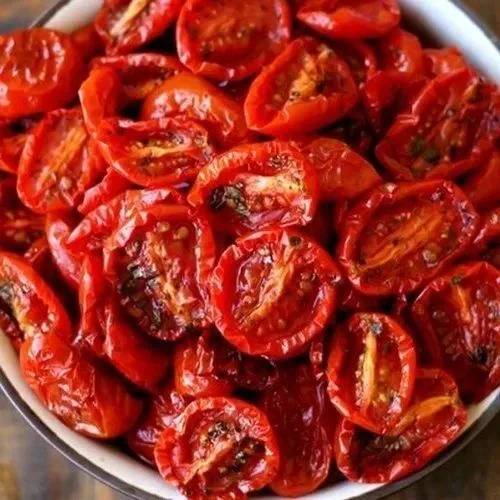
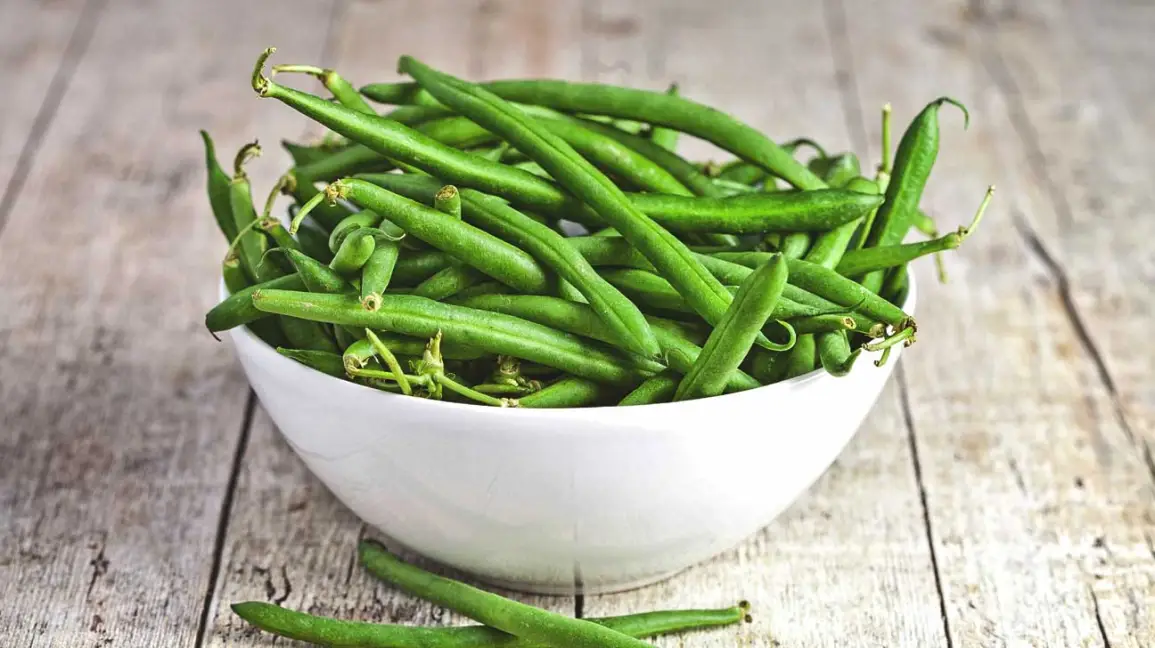
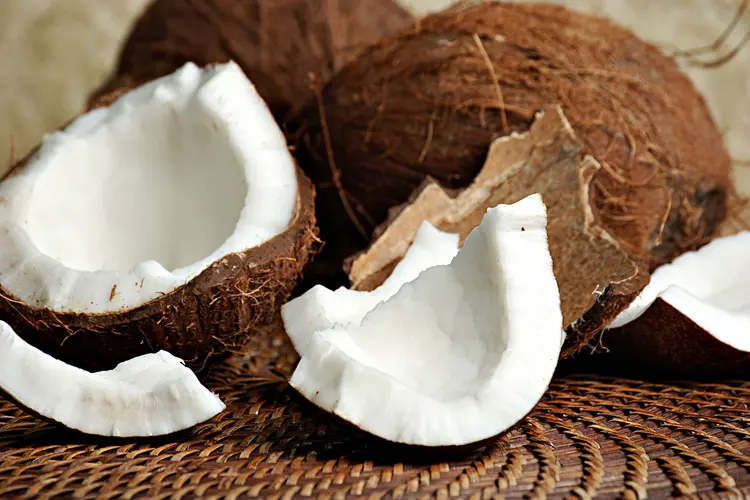
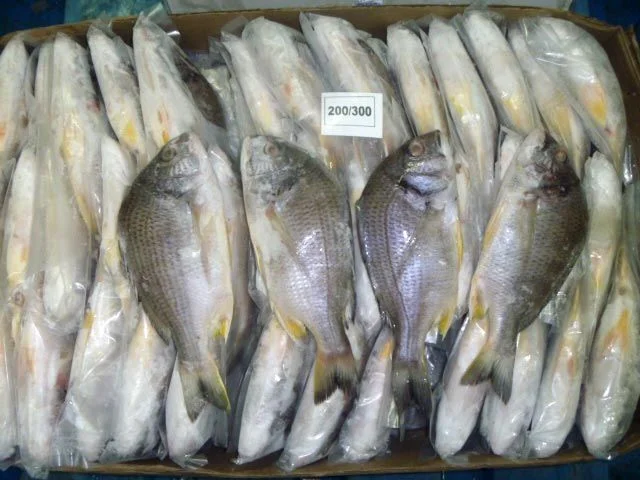
The catalogue covers three principal commodity groups. In seafood, Shrimps, Pomfret Fish (HS 0302.89, covering fresh and frozen Pampus and Trachurus species), Rohu Fish (HS 0302.19, the freshwater Labeo rohita, a high-protein white fish widely consumed in South Asia), and Sea Cucumber are listed. Indian seafood exporters typically grade shrimp by count per kilogram (e.g., 16/20, 21/25, 26/30, 31/40, 41/50), with the larger counts commanding premium prices in Japanese, EU, and US markets; pomfret is usually sold as whole gutted fish in size grades of 200-300 g, 300-500 g, 500-800 g, and 800 g+ per piece. Sea cucumber (beche-de-mer) is graded under international categories such as Class A (sandfish, lollyfish) and lower grades (bêche-de-mer grades 1-5) used in the Hong Kong and mainland China dried seafood trade. The vegetable section covers Indian Red Onion (typically Nashik or Lasalgaon origin, sorted into 25-40 mm, 40-55 mm, 55-70 mm, and 70+ mm diameter grades), Potato (commonly Kufri varieties, packed in 25 kg or 50 kg mesh bags or 10 kg cartons), Fresh Carrot (Nashik- and Ooty-sourced, sold in 5 kg or 10 kg cartons, often with tops trimmed), Cabbage, Cauliflower, Tomato (typically sorted into 25 mm, 35 mm, 45 mm, and 55+ mm size grades), Green Chillies, Brinjal, Drum Sticks (Moringa pods, 30-60 cm length grades), Lady Finger / Okra (often 5-9 cm and 9-12 cm length grades), and a range of gourds including Pointed Gourd (Parwal), Bottle Gourd (both long and round), Ridge Gourd, Ash Gourd, Bitter Gourd, Ivy Gourd, and Cucumber. Fresh Flat Lima Beans fall under HS 0708.90 (leguminous vegetables, shelled or unshelled). Completing the catalogue are Semi Husk Coconut (typically 400-600 g per nut, semi-dehusked for export) and Basmati Sella Rice (parboiled, with traditional and Pusa Basmati 1121 varieties, commonly exported in 25 kg and 50 kg PP bags or 5 kg consumer packs).

Trade and Export Information - Sis Organo Chemicals

Indian fresh vegetable exporters typically serve Gulf Cooperation Council (GCC) countries, the United Kingdom, Singapore, Malaysia, Sri Lanka, Bangladesh, and the European Union, with onions and potatoes forming the largest volume flows to the Middle East and South-East Asia. Indian seafood exports are dominated by frozen shrimp to the US, EU, Japan, and South-East Asia, while fresh pomfret, rohu, and sea cucumber are largely routed to the Middle East, Hong Kong, and ethnic South Asian grocery channels in the UK, Canada, and Australia. Basmati Sella rice exports from India primarily target Saudi Arabia, Iran, UAE, the US, and the UK. Relevant HS code families for this catalogue include HS 0302 (fresh or chilled fish), HS 0306/0307 (crustaceans and molluscs, including shrimp and sea cucumber), HS 0701-0709 (fresh or chilled vegetables, including HS 0708.90 for lima beans), HS 0801 (coconuts), and HS 1006 (rice). For perishable goods in these categories, buyers typically require APEDA registration (Agricultural and Processed Food Products Export Development Authority, mandatory for Indian scheduled products), FSSAI licensing for food safety, and EIA registration for seafood establishments exporting fish and fishery products. Marine products destined for the EU require EU-approved processing plant listing and HACCP-based controls; shipments to the US need HACCP compliance and FDA registration; seafood to Japan typically requires JAS or equivalent sanitary certification. Perishable produce is normally shipped under refrigerated reefer conditions at 0-4 °C for vegetables and -18 °C or lower for frozen seafood, with standard Incoterms being FOB Indian port, CFR, or CIF destination port. Phytosanitary certificates from the Plant Quarantine Authority of India are commonly required for fresh vegetable shipments, while seafood consignments require health certificates from the Export Inspection Council (EIC) or MPEDA. Packaging norms typically include 5-25 kg cartons for vegetables, 25-50 kg mesh or PP bags for onions and potatoes, 1 kg or 2 kg retail packs for premium Basmati, and 1 kg, 2 kg, or 5 kg frozen blocks for seafood.

Sourcing from Sis Organo Chemicals - Buyer Guidance

Buyers sourcing fresh produce and seafood from an Indian supplier should request key documents up front: APEDA registration, FSSAI license, and (for seafood) MPEDA/EIC registration and HACCP plan summary. For vegetables, ask for the latest phytosanitary certificate template, the specific growing region and variety (e.g., Nashik Red Onion, Kufri Pukhraj Potato, Pusa Basmati 1121), and post-harvest handling details including cold chain history. For seafood, request the species scientific name, catch method (wild-caught vs farmed), freezing method (block frozen vs IQF), glazing percentage, and the processing plant's approval status for the destination market (EU, US FDA, etc.). Before placing a volume order, it is advisable to request pre-shipment samples, third-party lab analysis (especially for pesticide residues on vegetables, antibiotics for farmed shrimp, and histamine/TVB-N for fish), and a clear proforma invoice stating Incoterm, packing, and shipment temperature requirements. Confirm the supplier's reefer or cold-store capacity, typical transit time from Indian port of loading (Nhava Sheva/JNPT, Mundra, Cochin, or Chennai), and the lead time from order confirmation to vessel departure. For Basmati Sella rice, request the aged rice certificate, grain length specification (traditional 7.0-7.4 mm or Pusa 1121 at 8.3 mm+), and confirm that the shipment meets the destination's maximum residue limits. For sea cucumber, confirm the dried product grade and moisture content (typically below 10%) given the high unit value and strict CITES-related documentation needs for certain species.

Frequently Asked Questions About Sis Organo Chemicals

What product categories does Sis Organo Chemicals supply?

The supplier lists 27 active products covering fresh vegetables (onion, potato, carrot, cabbage, okra/lady finger, tomato, cauliflower, brinjal, green chillies, and several gourds), seafood (shrimps, pomfret, rohu, sea cucumber), Basmati Sella rice, and semi-husk coconut. Items with explicit HS codes in the catalogue are Pomfret Fish (0302.89), Rohu Fish (0302.19), and Fresh Flat Lima Beans (0708.90).

Which Indian export documents should buyers request?

Buyers should ask for APEDA registration and FSSAI license for all goods, MPEDA/EIC registration for seafood, and a phytosanitary certificate from India's Plant Quarantine Authority for fresh vegetables. For shipments to the EU or US, confirm HACCP plan documentation and EU plant approval or FDA registration where applicable.

What quality parameters matter for Indian fresh onions and potatoes?

Red onions are typically graded by diameter (25-40 mm, 40-55 mm, 55-70 mm, 70+ mm), with Nashik/Lasalgaon origin most common. Potatoes are usually Kufri varieties packed in 25 kg or 50 kg mesh bags. Buyers should confirm variety, size grade, moisture, and that pesticide residue testing has been carried out for the destination market.

How is Indian seafood typically graded and packed?

Shrimp are graded by count per kilogram (commonly 16/20 to 41/50), pomfret by whole-fish weight (200-300 g up to 800 g+), and rohu by size class. Frozen product is normally shipped as IQF or block-frozen in 1 kg, 2 kg, or 5 kg packs at -18 °C or below, with glazing percentage stated on the label.

What should be confirmed for Basmati Sella rice shipments?

Confirm the variety (traditional 7.0-7.4 mm or Pusa Basmati 1121 at 8.3 mm+), aging period, and that the consignment meets the destination's maximum residue limits. Basmati Sella is parboiled, so buyers should request the typical pre-shipment analysis covering moisture (usually below 14%), broken grain percentage, and elongation ratio after cooking.

What is the typical MOQ and lead time for Indian fresh produce exports?

Fresh vegetable orders are commonly shipped in 20 ft reefer containers (roughly 20-24 tonnes depending on commodity) or 40 ft reefers, with lead times of 7-14 days from order confirmation to vessel loading at ports such as Nhava Sheva, Mundra, or Cochin. Specific MOQ should be confirmed with the supplier as it varies by commodity and destination.

Which certifications are typically required for Indian seafood exports?

Seafood shipments to the EU require EU-approved processing plant listing and HACCP, to the US need HACCP plus FDA registration, and to Japan typically require JAS or equivalent sanitary certification. Indian exporters are also expected to hold MPEDA registration and to source from approved aquaculture farms or registered fishing vessels.

How are sea cucumber exports documented?

Sea cucumber (beche-de-mer) is a high-value dried product usually graded under international categories (e.g., Class A sandfish, lollyfish, or lower grades 1-5). Buyers should request the species scientific name, country of origin, moisture content (typically below 10%), and CITES documentation where applicable for protected species such as Holothuria nobilis or H. fuscogilva.


Featured Products from this Supplier

Other Suppliers in Primary Category

Top Trusted Suppliers

Related Products

Trending in Parent Category

More Suppliers in Category

Related Products

Other Suppliers

EximNext
58.4K+ live requirements
Register Free🎁 5 free buy-lead credits
Post Requirement
🌍 Trusted by 224.4K+ businesses in 200+ countries|
58.4K+ active requirements right now
✉️ [email protected]
|
Sell on EximNextPost Requirement
EximNext
AgricultureApparelConstructionElectronicFoodHomeIndustrialMineralsMiscellaneous
🔥 Deals|✨ AI Match|🏭 Suppliers|📋 Buy Leads|💰 Trade Finance|⭐ Upgrade
58.4K+ live RFQs·194.5K+ suppliers
🎁 5 free credits →
EximNext
EximNext
Register Free
🎁 5 free buy-lead credits
Sign In
📋Post Requirement💬Get QuotesAI Match📋RFQ Marketplace
All Categories
Services & Tools
🏭Supplier Directory🔥Today's Deals💰Trade FinanceMembership
Sell on EximNext
AboutContactBlogHelp
🏭

Sis Organo Chemicals

Harbor
Country flag , India
🛡️
77/100
Trust Score

Sis Organo Chemicals Product Catalog

Showing 12 of 27 products
View all products →
Brinjal
Harbor
Brinjal
Contact
MOQ: 1 Unit
Green Chillies
Harbor
Green Chillies
Contact
MOQ: 1 Unit
Ivy Gourd
Harbor
Ivy Gourd
Contact
MOQ: 1 Unit
Bitter Gourd
Harbor
Bitter Gourd
Contact
MOQ: 1 Unit
Tomato
Harbor
Tomato
Contact
MOQ: 1 Unit
Fresh Flat Lima Beans
Harbor
Fresh Flat Lima Beans
Contact
MOQ: 1 Unit
Basmati Sella Rice
Harbor
Basmati Sella Rice
Contact
MOQ: 1 Unit
Semi Husk Coconut
Harbor
Semi Husk Coconut
Contact
MOQ: 1 Unit
Cucumber
Harbor
Cucumber
Contact
MOQ: 1 Unit
Round Bottle Gourd
Harbor
Round Bottle Gourd
Contact
MOQ: 1 Unit
Ridge Gourd
Harbor
Ridge Gourd
Contact
MOQ: 1 Unit
Drum Sticks
Harbor
Drum Sticks
Contact
MOQ: 1 Unit

About Sis Organo Chemicals - Fresh Produce and Seafood Exporter in India

Sis Organo Chemicals is an India-based supplier operating from the country, listing 27 active products across fresh vegetables, fish, and seafood categories on the B2B marketplace. Its catalogue spans freshwater and marine fish (Shrimps, Pomfret Fish under HS code 0302.89, and Rohu Fish under HS code 0302.19), a broad set of fresh vegetables including Fresh Lady Finger, Fresh Potato, Fresh Carrot, Fresh Cabbage, Cauliflower, Drum Sticks, Tomato, Brinjal, Green Chillies, and several gourds (Bottle Gourd, Ridge Gourd, Ash Gourd, Bitter Gourd, Ivy Gourd), plus Indian Red Onion, Semi Husk Coconut, Basmati Sella Rice, and Fresh Flat Lima Beans classified under HS code 0708.90. The combination of fresh produce, rice, and seafood in a single Indian supplier's catalogue reflects the diversified sourcing model common among Indian agro-commodity exporters serving both retail and foodservice buyers. India is one of the world's largest producers of fresh vegetables, second only to China, and ranks among the top exporters of Basmati rice and several seafood species including shrimps and pomfret. The supplier's product mix aligns with two major Indian export clusters: the vegetable belt supplying onions, potatoes, okra, and gourds (predominantly from Maharashtra, Gujarat, Madhya Pradesh, and Karnataka), and the seafood belt along the western coast (Gujarat, Maharashtra, Kerala) where marine catches of pomfret, shrimp, and sea cucumber are processed for export. Sis Organo Chemicals' listing of 27 active SKUs positions it within the small-to-mid tier of Indian agro-seafood exporters that aggregate produce from multiple growing regions rather than operating single-origin packhouses.

Product Range and Specialties of Sis Organo Chemicals

The catalogue covers three principal commodity groups. In seafood, Shrimps, Pomfret Fish (HS 0302.89, covering fresh and frozen Pampus and Trachurus species), Rohu Fish (HS 0302.19, the freshwater Labeo rohita, a high-protein white fish widely consumed in South Asia), and Sea Cucumber are listed. Indian seafood exporters typically grade shrimp by count per kilogram (e.g., 16/20, 21/25, 26/30, 31/40, 41/50), with the larger counts commanding premium prices in Japanese, EU, and US markets; pomfret is usually sold as whole gutted fish in size grades of 200-300 g, 300-500 g, 500-800 g, and 800 g+ per piece. Sea cucumber (beche-de-mer) is graded under international categories such as Class A (sandfish, lollyfish) and lower grades (bêche-de-mer grades 1-5) used in the Hong Kong and mainland China dried seafood trade. The vegetable section covers Indian Red Onion (typically Nashik or Lasalgaon origin, sorted into 25-40 mm, 40-55 mm, 55-70 mm, and 70+ mm diameter grades), Potato (commonly Kufri varieties, packed in 25 kg or 50 kg mesh bags or 10 kg cartons), Fresh Carrot (Nashik- and Ooty-sourced, sold in 5 kg or 10 kg cartons, often with tops trimmed), Cabbage, Cauliflower, Tomato (typically sorted into 25 mm, 35 mm, 45 mm, and 55+ mm size grades), Green Chillies, Brinjal, Drum Sticks (Moringa pods, 30-60 cm length grades), Lady Finger / Okra (often 5-9 cm and 9-12 cm length grades), and a range of gourds including Pointed Gourd (Parwal), Bottle Gourd (both long and round), Ridge Gourd, Ash Gourd, Bitter Gourd, Ivy Gourd, and Cucumber. Fresh Flat Lima Beans fall under HS 0708.90 (leguminous vegetables, shelled or unshelled). Completing the catalogue are Semi Husk Coconut (typically 400-600 g per nut, semi-dehusked for export) and Basmati Sella Rice (parboiled, with traditional and Pusa Basmati 1121 varieties, commonly exported in 25 kg and 50 kg PP bags or 5 kg consumer packs).

Trade and Export Information - Sis Organo Chemicals

Indian fresh vegetable exporters typically serve Gulf Cooperation Council (GCC) countries, the United Kingdom, Singapore, Malaysia, Sri Lanka, Bangladesh, and the European Union, with onions and potatoes forming the largest volume flows to the Middle East and South-East Asia. Indian seafood exports are dominated by frozen shrimp to the US, EU, Japan, and South-East Asia, while fresh pomfret, rohu, and sea cucumber are largely routed to the Middle East, Hong Kong, and ethnic South Asian grocery channels in the UK, Canada, and Australia. Basmati Sella rice exports from India primarily target Saudi Arabia, Iran, UAE, the US, and the UK. Relevant HS code families for this catalogue include HS 0302 (fresh or chilled fish), HS 0306/0307 (crustaceans and molluscs, including shrimp and sea cucumber), HS 0701-0709 (fresh or chilled vegetables, including HS 0708.90 for lima beans), HS 0801 (coconuts), and HS 1006 (rice). For perishable goods in these categories, buyers typically require APEDA registration (Agricultural and Processed Food Products Export Development Authority, mandatory for Indian scheduled products), FSSAI licensing for food safety, and EIA registration for seafood establishments exporting fish and fishery products. Marine products destined for the EU require EU-approved processing plant listing and HACCP-based controls; shipments to the US need HACCP compliance and FDA registration; seafood to Japan typically requires JAS or equivalent sanitary certification. Perishable produce is normally shipped under refrigerated reefer conditions at 0-4 °C for vegetables and -18 °C or lower for frozen seafood, with standard Incoterms being FOB Indian port, CFR, or CIF destination port. Phytosanitary certificates from the Plant Quarantine Authority of India are commonly required for fresh vegetable shipments, while seafood consignments require health certificates from the Export Inspection Council (EIC) or MPEDA. Packaging norms typically include 5-25 kg cartons for vegetables, 25-50 kg mesh or PP bags for onions and potatoes, 1 kg or 2 kg retail packs for premium Basmati, and 1 kg, 2 kg, or 5 kg frozen blocks for seafood.

Sourcing from Sis Organo Chemicals - Buyer Guidance

Buyers sourcing fresh produce and seafood from an Indian supplier should request key documents up front: APEDA registration, FSSAI license, and (for seafood) MPEDA/EIC registration and HACCP plan summary. For vegetables, ask for the latest phytosanitary certificate template, the specific growing region and variety (e.g., Nashik Red Onion, Kufri Pukhraj Potato, Pusa Basmati 1121), and post-harvest handling details including cold chain history. For seafood, request the species scientific name, catch method (wild-caught vs farmed), freezing method (block frozen vs IQF), glazing percentage, and the processing plant's approval status for the destination market (EU, US FDA, etc.). Before placing a volume order, it is advisable to request pre-shipment samples, third-party lab analysis (especially for pesticide residues on vegetables, antibiotics for farmed shrimp, and histamine/TVB-N for fish), and a clear proforma invoice stating Incoterm, packing, and shipment temperature requirements. Confirm the supplier's reefer or cold-store capacity, typical transit time from Indian port of loading (Nhava Sheva/JNPT, Mundra, Cochin, or Chennai), and the lead time from order confirmation to vessel departure. For Basmati Sella rice, request the aged rice certificate, grain length specification (traditional 7.0-7.4 mm or Pusa 1121 at 8.3 mm+), and confirm that the shipment meets the destination's maximum residue limits. For sea cucumber, confirm the dried product grade and moisture content (typically below 10%) given the high unit value and strict CITES-related documentation needs for certain species.

Frequently Asked Questions About Sis Organo Chemicals

What product categories does Sis Organo Chemicals supply?

The supplier lists 27 active products covering fresh vegetables (onion, potato, carrot, cabbage, okra/lady finger, tomato, cauliflower, brinjal, green chillies, and several gourds), seafood (shrimps, pomfret, rohu, sea cucumber), Basmati Sella rice, and semi-husk coconut. Items with explicit HS codes in the catalogue are Pomfret Fish (0302.89), Rohu Fish (0302.19), and Fresh Flat Lima Beans (0708.90).

Which Indian export documents should buyers request?

Buyers should ask for APEDA registration and FSSAI license for all goods, MPEDA/EIC registration for seafood, and a phytosanitary certificate from India's Plant Quarantine Authority for fresh vegetables. For shipments to the EU or US, confirm HACCP plan documentation and EU plant approval or FDA registration where applicable.

What quality parameters matter for Indian fresh onions and potatoes?

Red onions are typically graded by diameter (25-40 mm, 40-55 mm, 55-70 mm, 70+ mm), with Nashik/Lasalgaon origin most common. Potatoes are usually Kufri varieties packed in 25 kg or 50 kg mesh bags. Buyers should confirm variety, size grade, moisture, and that pesticide residue testing has been carried out for the destination market.

How is Indian seafood typically graded and packed?

Shrimp are graded by count per kilogram (commonly 16/20 to 41/50), pomfret by whole-fish weight (200-300 g up to 800 g+), and rohu by size class. Frozen product is normally shipped as IQF or block-frozen in 1 kg, 2 kg, or 5 kg packs at -18 °C or below, with glazing percentage stated on the label.

What should be confirmed for Basmati Sella rice shipments?

Confirm the variety (traditional 7.0-7.4 mm or Pusa Basmati 1121 at 8.3 mm+), aging period, and that the consignment meets the destination's maximum residue limits. Basmati Sella is parboiled, so buyers should request the typical pre-shipment analysis covering moisture (usually below 14%), broken grain percentage, and elongation ratio after cooking.

What is the typical MOQ and lead time for Indian fresh produce exports?

Fresh vegetable orders are commonly shipped in 20 ft reefer containers (roughly 20-24 tonnes depending on commodity) or 40 ft reefers, with lead times of 7-14 days from order confirmation to vessel loading at ports such as Nhava Sheva, Mundra, or Cochin. Specific MOQ should be confirmed with the supplier as it varies by commodity and destination.

Which certifications are typically required for Indian seafood exports?

Seafood shipments to the EU require EU-approved processing plant listing and HACCP, to the US need HACCP plus FDA registration, and to Japan typically require JAS or equivalent sanitary certification. Indian exporters are also expected to hold MPEDA registration and to source from approved aquaculture farms or registered fishing vessels.

How are sea cucumber exports documented?

Sea cucumber (beche-de-mer) is a high-value dried product usually graded under international categories (e.g., Class A sandfish, lollyfish, or lower grades 1-5). Buyers should request the species scientific name, country of origin, moisture content (typically below 10%), and CITES documentation where applicable for protected species such as Holothuria nobilis or H. fuscogilva.

About Sis Organo Chemicals - Fresh Produce and Seafood Exporter in India

Sis Organo Chemicals is an India-based supplier operating from the country, listing 27 active products across fresh vegetables, fish, and seafood categories on the B2B marketplace. Its catalogue spans freshwater and marine fish (Shrimps, Pomfret Fish under HS code 0302.89, and Rohu Fish under HS code 0302.19), a broad set of fresh vegetables including Fresh Lady Finger, Fresh Potato, Fresh Carrot, Fresh Cabbage, Cauliflower, Drum Sticks, Tomato, Brinjal, Green Chillies, and several gourds (Bottle Gourd, Ridge Gourd, Ash Gourd, Bitter Gourd, Ivy Gourd), plus Indian Red Onion, Semi Husk Coconut, Basmati Sella Rice, and Fresh Flat Lima Beans classified under HS code 0708.90. The combination of fresh produce, rice, and seafood in a single Indian supplier's catalogue reflects the diversified sourcing model common among Indian agro-commodity exporters serving both retail and foodservice buyers. India is one of the world's largest producers of fresh vegetables, second only to China, and ranks among the top exporters of Basmati rice and several seafood species including shrimps and pomfret. The supplier's product mix aligns with two major Indian export clusters: the vegetable belt supplying onions, potatoes, okra, and gourds (predominantly from Maharashtra, Gujarat, Madhya Pradesh, and Karnataka), and the seafood belt along the western coast (Gujarat, Maharashtra, Kerala) where marine catches of pomfret, shrimp, and sea cucumber are processed for export. Sis Organo Chemicals' listing of 27 active SKUs positions it within the small-to-mid tier of Indian agro-seafood exporters that aggregate produce from multiple growing regions rather than operating single-origin packhouses.

Product Range and Specialties of Sis Organo Chemicals

The catalogue covers three principal commodity groups. In seafood, Shrimps, Pomfret Fish (HS 0302.89, covering fresh and frozen Pampus and Trachurus species), Rohu Fish (HS 0302.19, the freshwater Labeo rohita, a high-protein white fish widely consumed in South Asia), and Sea Cucumber are listed. Indian seafood exporters typically grade shrimp by count per kilogram (e.g., 16/20, 21/25, 26/30, 31/40, 41/50), with the larger counts commanding premium prices in Japanese, EU, and US markets; pomfret is usually sold as whole gutted fish in size grades of 200-300 g, 300-500 g, 500-800 g, and 800 g+ per piece. Sea cucumber (beche-de-mer) is graded under international categories such as Class A (sandfish, lollyfish) and lower grades (bêche-de-mer grades 1-5) used in the Hong Kong and mainland China dried seafood trade. The vegetable section covers Indian Red Onion (typically Nashik or Lasalgaon origin, sorted into 25-40 mm, 40-55 mm, 55-70 mm, and 70+ mm diameter grades), Potato (commonly Kufri varieties, packed in 25 kg or 50 kg mesh bags or 10 kg cartons), Fresh Carrot (Nashik- and Ooty-sourced, sold in 5 kg or 10 kg cartons, often with tops trimmed), Cabbage, Cauliflower, Tomato (typically sorted into 25 mm, 35 mm, 45 mm, and 55+ mm size grades), Green Chillies, Brinjal, Drum Sticks (Moringa pods, 30-60 cm length grades), Lady Finger / Okra (often 5-9 cm and 9-12 cm length grades), and a range of gourds including Pointed Gourd (Parwal), Bottle Gourd (both long and round), Ridge Gourd, Ash Gourd, Bitter Gourd, Ivy Gourd, and Cucumber. Fresh Flat Lima Beans fall under HS 0708.90 (leguminous vegetables, shelled or unshelled). Completing the catalogue are Semi Husk Coconut (typically 400-600 g per nut, semi-dehusked for export) and Basmati Sella Rice (parboiled, with traditional and Pusa Basmati 1121 varieties, commonly exported in 25 kg and 50 kg PP bags or 5 kg consumer packs).

Trade and Export Information - Sis Organo Chemicals

Indian fresh vegetable exporters typically serve Gulf Cooperation Council (GCC) countries, the United Kingdom, Singapore, Malaysia, Sri Lanka, Bangladesh, and the European Union, with onions and potatoes forming the largest volume flows to the Middle East and South-East Asia. Indian seafood exports are dominated by frozen shrimp to the US, EU, Japan, and South-East Asia, while fresh pomfret, rohu, and sea cucumber are largely routed to the Middle East, Hong Kong, and ethnic South Asian grocery channels in the UK, Canada, and Australia. Basmati Sella rice exports from India primarily target Saudi Arabia, Iran, UAE, the US, and the UK. Relevant HS code families for this catalogue include HS 0302 (fresh or chilled fish), HS 0306/0307 (crustaceans and molluscs, including shrimp and sea cucumber), HS 0701-0709 (fresh or chilled vegetables, including HS 0708.90 for lima beans), HS 0801 (coconuts), and HS 1006 (rice). For perishable goods in these categories, buyers typically require APEDA registration (Agricultural and Processed Food Products Export Development Authority, mandatory for Indian scheduled products), FSSAI licensing for food safety, and EIA registration for seafood establishments exporting fish and fishery products. Marine products destined for the EU require EU-approved processing plant listing and HACCP-based controls; shipments to the US need HACCP compliance and FDA registration; seafood to Japan typically requires JAS or equivalent sanitary certification. Perishable produce is normally shipped under refrigerated reefer conditions at 0-4 °C for vegetables and -18 °C or lower for frozen seafood, with standard Incoterms being FOB Indian port, CFR, or CIF destination port. Phytosanitary certificates from the Plant Quarantine Authority of India are commonly required for fresh vegetable shipments, while seafood consignments require health certificates from the Export Inspection Council (EIC) or MPEDA. Packaging norms typically include 5-25 kg cartons for vegetables, 25-50 kg mesh or PP bags for onions and potatoes, 1 kg or 2 kg retail packs for premium Basmati, and 1 kg, 2 kg, or 5 kg frozen blocks for seafood.

Sourcing from Sis Organo Chemicals - Buyer Guidance

Buyers sourcing fresh produce and seafood from an Indian supplier should request key documents up front: APEDA registration, FSSAI license, and (for seafood) MPEDA/EIC registration and HACCP plan summary. For vegetables, ask for the latest phytosanitary certificate template, the specific growing region and variety (e.g., Nashik Red Onion, Kufri Pukhraj Potato, Pusa Basmati 1121), and post-harvest handling details including cold chain history. For seafood, request the species scientific name, catch method (wild-caught vs farmed), freezing method (block frozen vs IQF), glazing percentage, and the processing plant's approval status for the destination market (EU, US FDA, etc.). Before placing a volume order, it is advisable to request pre-shipment samples, third-party lab analysis (especially for pesticide residues on vegetables, antibiotics for farmed shrimp, and histamine/TVB-N for fish), and a clear proforma invoice stating Incoterm, packing, and shipment temperature requirements. Confirm the supplier's reefer or cold-store capacity, typical transit time from Indian port of loading (Nhava Sheva/JNPT, Mundra, Cochin, or Chennai), and the lead time from order confirmation to vessel departure. For Basmati Sella rice, request the aged rice certificate, grain length specification (traditional 7.0-7.4 mm or Pusa 1121 at 8.3 mm+), and confirm that the shipment meets the destination's maximum residue limits. For sea cucumber, confirm the dried product grade and moisture content (typically below 10%) given the high unit value and strict CITES-related documentation needs for certain species.

Frequently Asked Questions About Sis Organo Chemicals
What product categories does Sis Organo Chemicals supply?
The supplier lists 27 active products covering fresh vegetables (onion, potato, carrot, cabbage, okra/lady finger, tomato, cauliflower, brinjal, green chillies, and several gourds), seafood (shrimps, pomfret, rohu, sea cucumber), Basmati Sella rice, and semi-husk coconut. Items with explicit HS codes in the catalogue are Pomfret Fish (0302.89), Rohu Fish (0302.19), and Fresh Flat Lima Beans (0708.90).
Which Indian export documents should buyers request?
Buyers should ask for APEDA registration and FSSAI license for all goods, MPEDA/EIC registration for seafood, and a phytosanitary certificate from India's Plant Quarantine Authority for fresh vegetables. For shipments to the EU or US, confirm HACCP plan documentation and EU plant approval or FDA registration where applicable.
What quality parameters matter for Indian fresh onions and potatoes?
Red onions are typically graded by diameter (25-40 mm, 40-55 mm, 55-70 mm, 70+ mm), with Nashik/Lasalgaon origin most common. Potatoes are usually Kufri varieties packed in 25 kg or 50 kg mesh bags. Buyers should confirm variety, size grade, moisture, and that pesticide residue testing has been carried out for the destination market.
How is Indian seafood typically graded and packed?
Shrimp are graded by count per kilogram (commonly 16/20 to 41/50), pomfret by whole-fish weight (200-300 g up to 800 g+), and rohu by size class. Frozen product is normally shipped as IQF or block-frozen in 1 kg, 2 kg, or 5 kg packs at -18 °C or below, with glazing percentage stated on the label.
What should be confirmed for Basmati Sella rice shipments?
Confirm the variety (traditional 7.0-7.4 mm or Pusa Basmati 1121 at 8.3 mm+), aging period, and that the consignment meets the destination's maximum residue limits. Basmati Sella is parboiled, so buyers should request the typical pre-shipment analysis covering moisture (usually below 14%), broken grain percentage, and elongation ratio after cooking.
What is the typical MOQ and lead time for Indian fresh produce exports?
Fresh vegetable orders are commonly shipped in 20 ft reefer containers (roughly 20-24 tonnes depending on commodity) or 40 ft reefers, with lead times of 7-14 days from order confirmation to vessel loading at ports such as Nhava Sheva, Mundra, or Cochin. Specific MOQ should be confirmed with the supplier as it varies by commodity and destination.
Which certifications are typically required for Indian seafood exports?
Seafood shipments to the EU require EU-approved processing plant listing and HACCP, to the US need HACCP plus FDA registration, and to Japan typically require JAS or equivalent sanitary certification. Indian exporters are also expected to hold MPEDA registration and to source from approved aquaculture farms or registered fishing vessels.
How are sea cucumber exports documented?
Sea cucumber (beche-de-mer) is a high-value dried product usually graded under international categories (e.g., Class A sandfish, lollyfish, or lower grades 1-5). Buyers should request the species scientific name, country of origin, moisture content (typically below 10%), and CITES documentation where applicable for protected species such as Holothuria nobilis or H. fuscogilva.

🏭
Sis Organo Chemicals
Country flag , India
Harbor
77/100
Trust Score
📦
27
Products
Free to contact — no commission
Escrow payment available
Verified business identity
Compare more suppliers
Post a requirement — get 10 quotes free
Let verified suppliers compete for your business. Free, fast, no commitment.
EximNext Verified Supplier
Business identity verified
Physical address confirmed
Financial history checked
Certifications authenticated
Trade references validated
Due Diligence
Verify this supplier's real shipping history.
Every shipment, every buyer, every port. Trade data that can't be faked.
Run due diligence →
Discover More

Related Suppliers & Products

Explore similar suppliers, related products and trending categories

Featured Products from this Supplier

Other Suppliers in Primary Category

Top Trusted Suppliers

Related Products

Trending in Parent Category

More Suppliers in Category

Stay ahead in global trade
Weekly market insights & new supplier alerts.
EximNext
Exim Next is a leading global B2B marketplace, connecting over 205,000 verified suppliers and buyers across 200+ countries. As a trusted import export marketplace, it serves as the essential B2B portal for businesses worldwide, empowering them to expand their international reach. With Exim Next, businesses can trade smarter and grow faster.
SECURE PAYMENTS
VISAMastercardPayPalSWIFTL/CEscrow
Follow us
© 2026 EximNext