Sikefu wood co.,ltd — Supplier
About Sikefu wood co.,ltd - Veneer Supplier in China
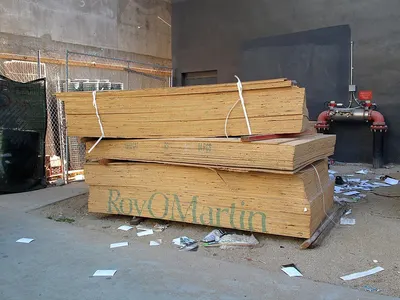
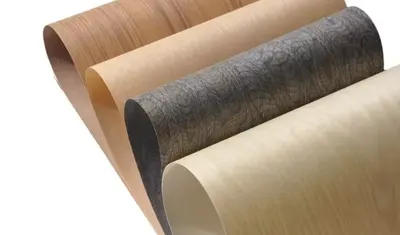
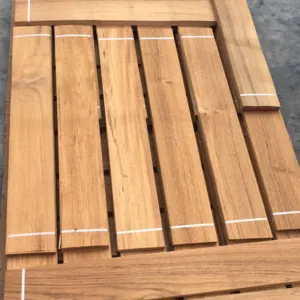
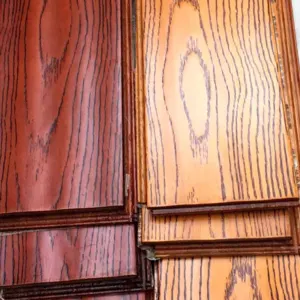
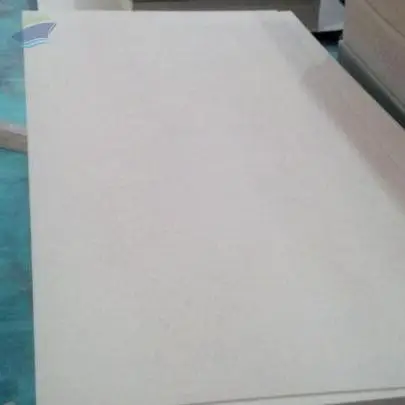
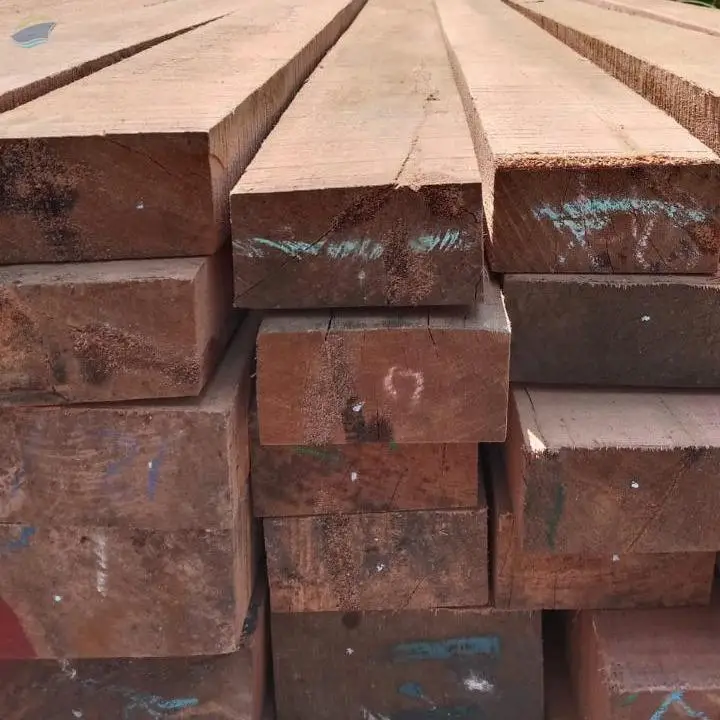
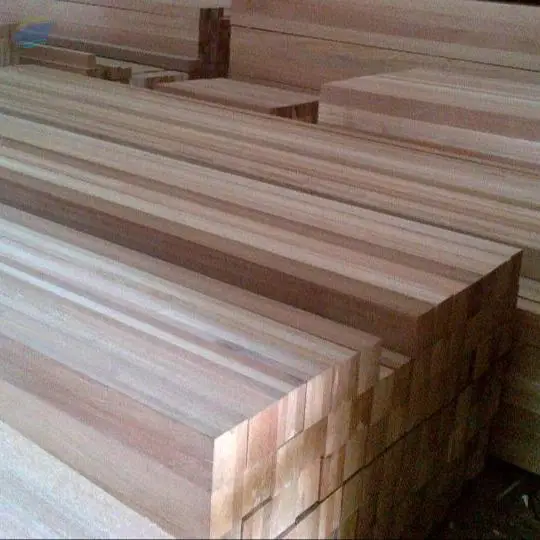
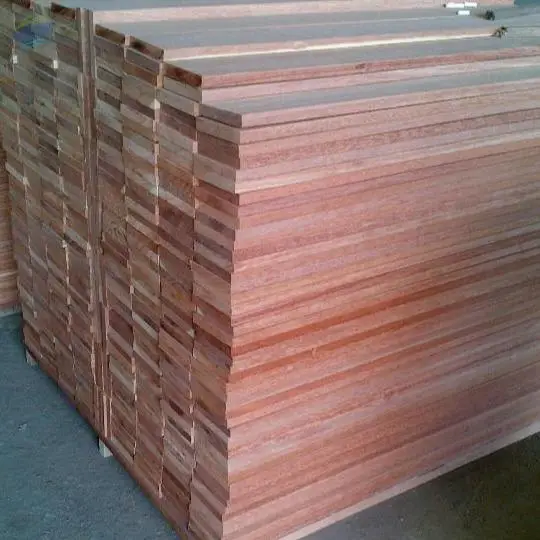
China, Guangdong province, hosts Sikefu wood co.,ltd, which currently lists five active products in its catalogue. The company focuses on wood veneer and related engineered wood items, offering flooring veneer, teak veneer, edge banding, wrapping veneer and a building plywood product used for templates and formwork. Each product is identified with an HS code: flooring veneer under 4408.31 for hardwood veneer, teak veneer and wrapping veneer under 4408.39, edge banding under 4409.29, and the plywood under 4412.31. The material descriptions include natural hardwood species such as oak, maple, walnut, ash, birch and teak, as well as a hardwood/poplar core plywood with phenolic film coating graded E1 for formaldehyde emissions. The catalogue therefore covers both decorative surface layers and structural sheet products.
The listed categories align with standard industry groups for wood veneers and plywood. Veneer products are classified in HS chapter 44, which governs wood and wood products, and are typically supplied in sheets sized 1220 mm × 2440 mm with thicknesses ranging from 0.4 mm to 2.0 mm. Edge banding is usually provided in rolls of 30‑100 mm width and thickness 0.2‑0.6 mm. The building plywood is a hardwood core panel meeting E1 formaldehyde emission standards, commonly available in grades such as BWR and BWRB for construction use. All five products are positioned for export to markets that require compliance with international wood product standards.
Product Range and Specialties of Sikefu wood co.,ltd
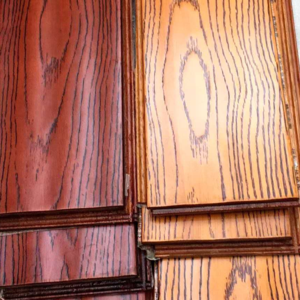
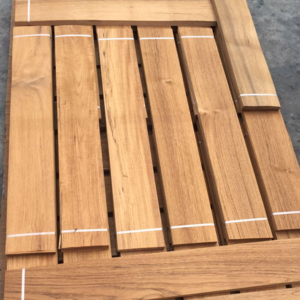
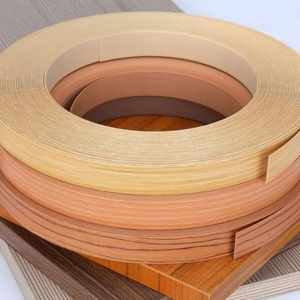
Sikefu wood co.,ltd’s catalogue includes flooring veneer (HS 4408.31) made from hardwood species like oak, maple and walnut, teak veneer (HS 4408.39) from Tectona grandis, edge banding (HS 4409.29) using a mix of ash, birch, oak, walnut, cherry, maple, acacia and paulownia, wrapping veneer (HS 4408.39) from various species, and a building plywood product (HS 4412.31) with a hardwood or poplar core and phenolic film coating, graded E1 for low formaldehyde emission.
In the global veneer market, hardwood veneers are commonly graded by visual appearance (A, B, C) and moisture content of 6‑9 %. Typical thicknesses are 0.6 mm for decorative flooring veneer and up to 1.5 mm for furniture applications. Teak veneers are valued for natural oil content and are often supplied with a moisture content below 8 % to prevent warping. Edge banding rolls are usually specified by width, thickness and finish (melamine or PVC). Plywood panels for construction are classified by grade (e.g., BWR, BWRB) and formaldehyde emission class (E0, E1). Buyers often look for FSC or PEFC chain‑of‑custody certificates and ISO 9001 quality management documentation for these products.
Trade and Export Information - Sikefu wood co.,ltd
China is a major exporter of wood veneers and plywood, with the Guangdong coastal region providing access to major ports such as Shenzhen and Guangzhou. HS chapter 44 products from China are typically shipped to Southeast Asian countries, the European Union, the United States and the Middle East, where demand for hardwood veneer and construction plywood remains strong. Export logistics commonly use 20‑ft or 40‑ft containers packed flat on wooden pallets, with moisture‑controlled packaging to meet international phytosanitary requirements.
Importers usually request phytosanitary certificates, FSC or PEFC chain‑of‑custody verification, and compliance with ISO 9001 or ISO 14001 environmental management systems. For veneer shipments, buyers often specify FOB Shanghai or FOB Guangzhou incoterms, with subsequent freight arranged to the destination port. Plywood destined for construction may also need to meet local building code standards such as EN 636 (Europe) or ASTM D 3043 (North America).
Sourcing from Sikefu wood co.,ltd - Buyer Guidance
When sourcing veneer or plywood from Sikefu wood co.,ltd, buyers should request material data sheets that list species, thickness, moisture content and visual grade. Samples of each veneer type, including a 1 m² cut, allow verification of colour match and surface finish. For edge banding, ask for roll width, thickness and surface coating details.
Buyers are advised to obtain test reports for formaldehyde emission (E1 compliance) on the plywood, as well as FSC or PEFC chain‑of‑custody certificates if sustainable sourcing is required. Confirm the packaging format (flat sheets on pallets, roll packaging for edge banding) and the container size (20 ft or 40 ft) before finalizing the order. Request a phytosanitary certificate and ensure the supplier can provide a declaration of compliance with ISO 9001 quality management.
Frequently Asked Questions About Sikefu wood co.,ltd
What are the typical dimensions and thicknesses for the flooring veneer offered by Sikefu wood co.,ltd?
Flooring veneer is supplied in the standard sheet size of 1,220 mm × 2,440 mm. Thicknesses typically range from 0.4 mm to 2.0 mm, selected according to the hardwood species and end‑use. The product is classified under HS code 4408.31.
Which hardwood species are included in the natural wood veneer product line?
The natural wood veneer product line includes species such as oak, maple, walnut, ash, birch, cherry, acacia and paulownia. Each veneer meets the HS classifications 4408 or 4409 depending on the specific material. The veneers are offered in typical hardwood grades used for decorative and structural applications.
What certification documents should a buyer request for the plywood product?
Buyers should request a formaldehyde emission test report confirming the E1 emission class for the plywood. Additional documentation includes a FSC or PEFC chain‑of‑custody certificate and an ISO 9001 quality management system certificate. These documents verify compliance with common sustainability and quality standards.
What HS codes are associated with the edge banding and wrapping veneer products?
Edge banding is classified under HS code 4409.29, which covers wood veneer strips and other wood products. Wrapping veneer uses HS code 4408.39, the same code applied to other natural wood veneers. Both codes fall within chapter 44 for wood and related articles.
What packaging and container options are typical for shipping the veneer products?
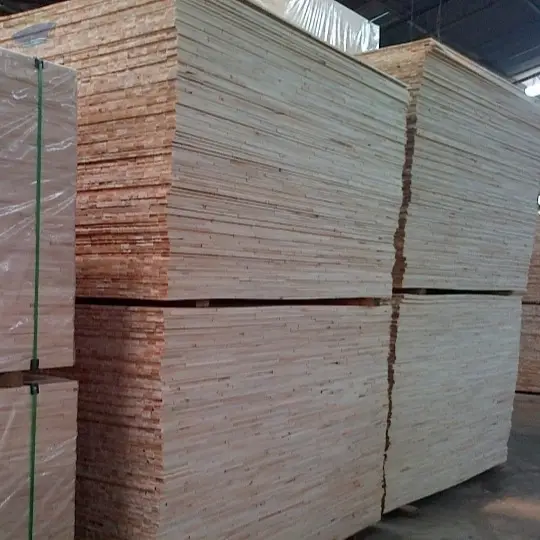
Veneer sheets are typically stacked flat on wooden pallets to prevent warping and then loaded into 20‑ft or 40‑ft containers. Edge banding rolls are coiled and palletized similarly, with moisture‑resistant wrapping. This packaging approach aligns with international shipping practices for wood products.
What standard tests are commonly required for hardwood veneers before import?
Importers commonly require a moisture content measurement between 6 % and 9 % for hardwood veneers. A visual grade assessment (A, B, or C) and a phytosanitary inspection certificate are also standard requirements. These tests ensure the veneer complies with quality and regulatory standards in the destination market.





 , China