Shree Salasar Balaji Food — Verified Supplier
About Shree Salasar Balaji Food - Wheat Flour Supplier in India
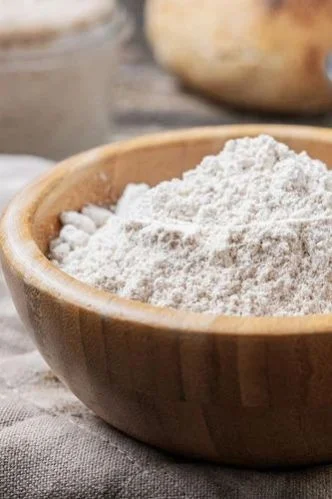
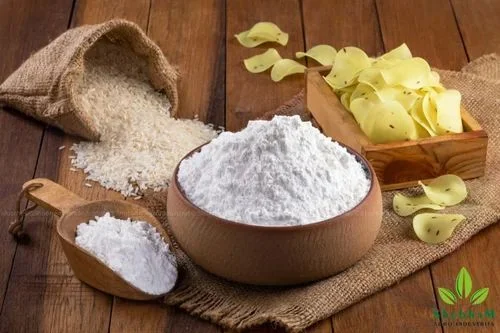
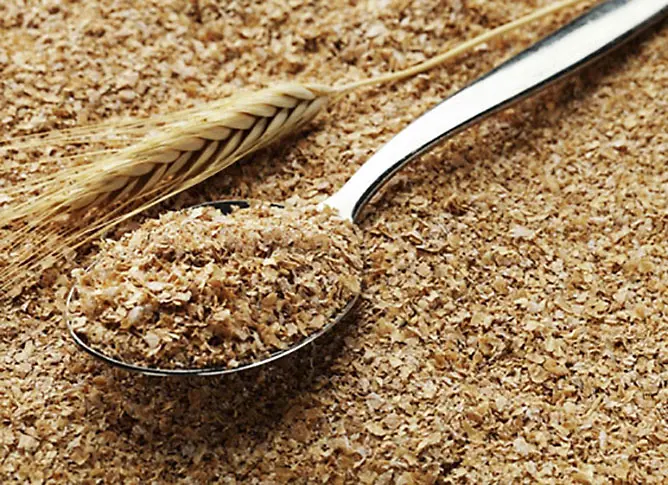
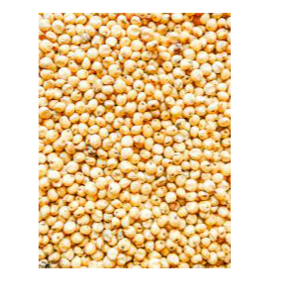
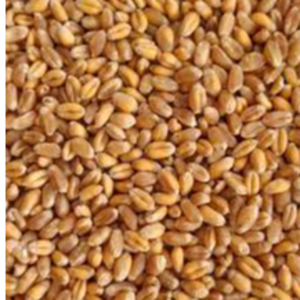
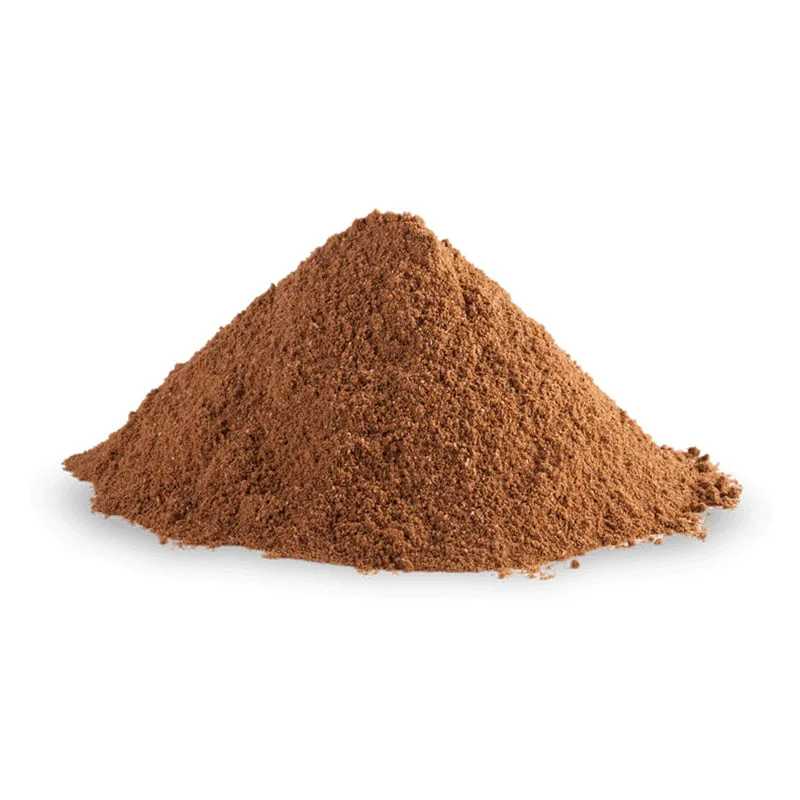
Shree Salasar Balaji Food is located in India and has an active product count of 5. The company lists a range of wheat-based products, including Flour (Atta), Wheat, Wheat Flour (Maida), Semolina (Sooji), and Wheat Bran (Choker). These products are commonly used in the food industry, particularly in the production of baked goods, pasta, and cereals. Exporters of wheat flour from India typically ship their goods to regions such as the Middle East, Africa, and Southeast Asia.
The company's product range includes various types of wheat flour, which are categorized based on their protein content, ash content, and moisture levels. For example, Wheat Flour (Maida) is typically used for making cakes, pastries, and other baked goods, while Semolina (Sooji) is used for making pasta and couscous. Buyers of these products usually require certifications such as ISO 22000 and HACCP to ensure food safety and quality.
Product Range and Specialties of Shree Salasar Balaji Food
Shree Salasar Balaji Food's catalogue includes a range of wheat-based products, each with its own unique characteristics and uses. For instance, Flour (Atta) is commonly used for making chapatis, naan bread, and other traditional Indian flatbreads. Wheat Flour (Maida), on the other hand, is used for making a variety of baked goods, such as cakes, pastries, and biscuits. Semolina (Sooji) is often used for making pasta, couscous, and other Mediterranean dishes.
Buyers of these products should be aware of the typical grades and standard specifications for wheat flour, such as protein content, ash content, and moisture levels. For example, wheat flour with a protein content of 10-12% is typically used for making bread, while wheat flour with a protein content of 12-14% is used for making pasta. The common materials used for packaging these products include jute bags, polypropylene bags, and paper bags.
Trade and Export Information - Shree Salasar Balaji Food
Exporters of wheat flour from India, such as Shree Salasar Balaji Food, typically export their goods to regions such as the Middle East, Africa, and Southeast Asia. The HS code for wheat flour is 1101.00.10, and the common certifications required for the category include ISO 22000 and HACCP. The regulatory context for wheat flour exports from India includes compliance with the Food Safety and Standards Authority of India (FSSAI) and the Agricultural and Processed Food Products Export Development Authority (APEDA).
The logistics and packaging norms for wheat flour exports from India typically involve shipping in 20-50 kg bags, with a moisture content of 12-14%. The common Incoterms used for wheat flour exports include FOB, CIF, and CFR. Buyers of wheat flour should be aware of the typical quality parameters and tests for the category, such as protein content, ash content, and moisture levels.
Sourcing from Shree Salasar Balaji Food - Buyer Guidance
Buyers sourcing from Shree Salasar Balaji Food should request certifications such as ISO 22000 and HACCP to ensure food safety and quality. They should also verify the product specifications, such as protein content, ash content, and moisture levels, to ensure that they meet their requirements. Additionally, buyers should request test reports and documents, such as certificates of origin and phytosanitary certificates, to ensure compliance with regulatory requirements.
Buyers should also be aware of the typical lead times and MOQs for wheat flour products, which can range from 7-30 days and 100-1000 kg, respectively. They should also verify the packaging and shipping arrangements, including the type of bags used, the shipping terms, and the expected delivery time.
Frequently Asked Questions About Shree Salasar Balaji Food
What is the typical protein content of wheat flour?
The typical protein content of wheat flour can range from 10-14%, depending on the type of wheat flour and its intended use. For example, wheat flour with a protein content of 10-12% is typically used for making bread, while wheat flour with a protein content of 12-14% is used for making pasta.
What is the common packaging material used for wheat flour?
The common packaging materials used for wheat flour include jute bags, polypropylene bags, and paper bags. The choice of packaging material depends on the intended use of the wheat flour, as well as the shipping and storage requirements.
What is the HS code for wheat flour?
The HS code for wheat flour is 1101.00.10. This code is used for customs clearance and other regulatory purposes.
What are the typical quality parameters and tests for wheat flour?
The typical quality parameters and tests for wheat flour include protein content, ash content, and moisture levels. These parameters are used to ensure that the wheat flour meets the required standards for food safety and quality.
What is the typical lead time for wheat flour products?
The typical lead time for wheat flour products can range from 7-30 days, depending on the type of wheat flour, the quantity required, and the shipping arrangements.
What is the minimum order quantity (MOQ) for wheat flour products?
The minimum order quantity (MOQ) for wheat flour products can range from 100-1000 kg, depending on the type of wheat flour and the intended use.
What are the common certifications required for wheat flour exports from India?
The common certifications required for wheat flour exports from India include ISO 22000 and HACCP. These certifications ensure that the wheat flour meets the required standards for food safety and quality.
What is the regulatory context for wheat flour exports from India?
The regulatory context for wheat flour exports from India includes compliance with the Food Safety and Standards Authority of India (FSSAI) and the Agricultural and Processed Food Products Export Development Authority (APEDA).




 , India