Agriculture›
 Apparel and fashion accessories›
 Construction & real estate›💡Electronic & Electrical›🍎Food & Beverages›🛋️Home furnishing & supplies›⚗️Industrial goods & chemical›🪨Minerals & metals›📦Miscellaneous›Agriculture›Apparel and fashion accessories›Construction & real estate›💡Electronic & Electrical›🍎Food & Beverages›🛋️Home furnishing & supplies›⚗️Industrial goods & chemical›🪨Minerals & metals›📦Miscellaneous›
Shree Krishna Agro Industries
⚓ Harbor , IndiaNew supplier / no reviews yet
Shree Krishna Agro Industries Product Catalog
About Shree Krishna Agro Industries - Parboiled Rice Supplier in India
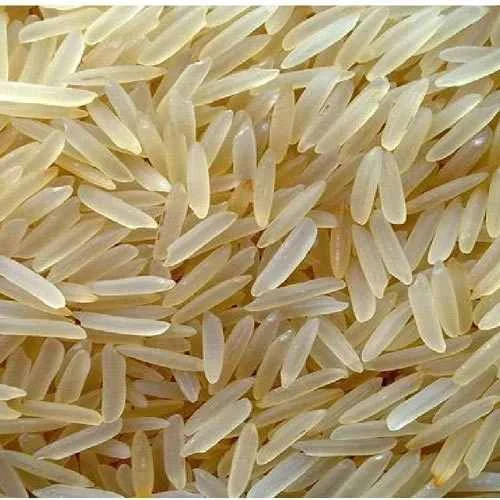
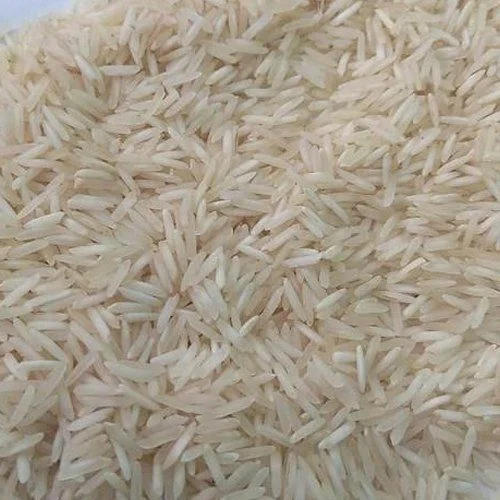
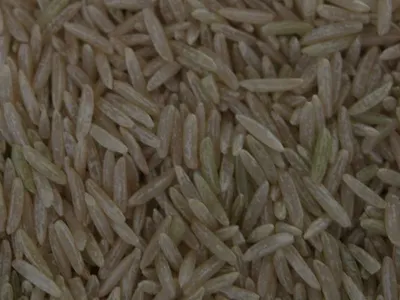
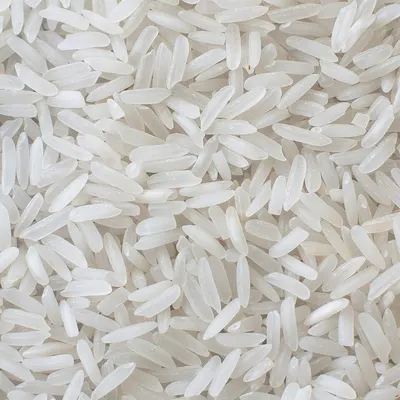
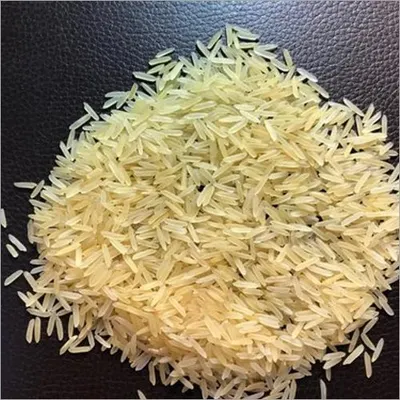
India is the source country for Shree Krishna Agro Industries, which currently lists five active products in its online catalogue. The company’s catalogue includes two variants of IR 64 (parboiled and raw), a Long Grain IR 8 rice, a generic Indian Parboiled Rice, and a product labeled 1121 Parboiled Rice. All items fall under the broader categories of Parboiled Rice, Rice, and Long Grain Rice, matching the supplier’s declared top categories. The catalogue does not provide HS‑code identifiers, so trade classification must be confirmed with the supplier during the ordering process.
The five products represent common Indian rice cultivars that are widely used for both domestic consumption and export. IR 64 is a medium‑grain variety often marketed in parboiled form for its reduced cooking time, while IR 8 is a long‑grain variety known for its slender shape and high yield. The inclusion of both raw and parboiled formats indicates that the supplier can meet different processing requirements. No additional company history, employee numbers, or revenue figures are disclosed in the supplied data.
Product Range and Specialties of Shree Krishna Agro Industries
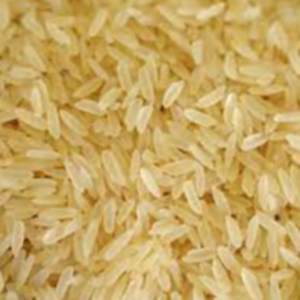
Shree Krishna Agro Industries offers IR 64 Parboiled Rice, IR 64 Raw Rice, Long Grain IR 8 Rice, Indian Parboiled Rice, and 1121 Parboiled Rice. In the Indian rice market, parboiled rice is typically graded by polishing degree (e.g., 75‑80 % polish), moisture content below 14 %, and broken grain percentage under 5 %. Long grain varieties such as IR 8 are often classified by kernel length (average 6.5‑7.5 mm) and amylose content around 20‑22 %. Typical packaging for bulk export includes 25 kg polypropylene bags, which can be loaded into a 20 ft container at approximately 400 bags (10 tonnes) or a 40 ft container at about 800 bags (20 tonnes).
Industry practice for Indian rice exporters includes compliance with food safety standards such as FSSAI (Food Safety and Standards Authority of India) and international certifications like ISO 22000 or HACCP when required by buyers. Buyers often request a Certificate of Analysis (CoA) that details moisture, ash, protein, and broken grain levels for each shipment. While the supplier’s catalogue does not list any certifications, these documents are commonly requested for rice imports to the Middle East, Africa, and Southeast Asian markets.
Frequently Asked Questions About Shree Krishna Agro Industries
What rice varieties does Shree Krishna Agro Industries offer?
The catalogue lists IR 64 Parboiled Rice, IR 64 Raw Rice, Long Grain IR 8 Rice, a generic Indian Parboiled Rice, and 1121 Parboiled Rice.
How many products are currently active in the supplier’s catalogue?
Five distinct rice products are listed as active.
Which HS code is typically used for the listed rice products?
Indian rice exports are generally classified under HS heading 1006 for milled or polished rice and HS heading 1005 for unmilled rice, but the exact code should be confirmed with the supplier for each product.
What quality parameters should buyers verify for parboiled rice?
Buyers usually check moisture content (≤14 %), polishing degree (75‑80 %), and broken grain percentage (≤5 %). A Certificate of Analysis should provide these values.
What packaging format is common for bulk rice shipments from India?
Bulk shipments are commonly packed in 25 kg polypropylene bags, which are loaded into 20 ft or 40 ft containers, allowing roughly 400‑800 bags per container depending on container size.
IndiaRelated Suppliers & Products
Explore similar suppliers, related products and trending categories