Shree Kailash Grain Mills Pvt. Ltd. — Supplier

About Shree Kailash Grain Mills Pvt. Ltd. - Wheat Supplier in India

India hosts the catalogue of Shree Kailash Grain Mills Pvt. Ltd., which currently lists five distinct grain products. The supplier’s active product count of 5 covers both wheat‑derived and corn‑derived items, specifically Durum Wheat Semolina, Corn Flour (yellow and white) with corn grits, raw Durum Wheat, Chakki Fresh Atta under the Golden Bansi label, and a combined Soya Flour & Rice line also branded Golden Bansi. Each entry aligns with the broader categories of Wheat, Corn Flour, Wheat Flour and general Flour as indicated in the supplier’s top categories.

The product titles correspond to HS‑code families commonly used for cereal grains and milled products, such as HS 1101 for whole wheat and durum wheat, HS 1101.90 for other cereals, and HS 1102 for wheat‑based flour and semolina. Although the catalogue does not specify individual HS numbers, the listed items fall within these standard tariff headings, which are recognized by customs authorities worldwide. The range therefore reflects typical Indian grain‑milling output that can be classified under these established HS sections.

Product Range and Specialties of Shree Kailash Grain Mills Pvt. Ltd.

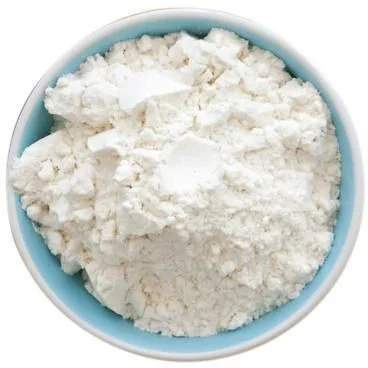
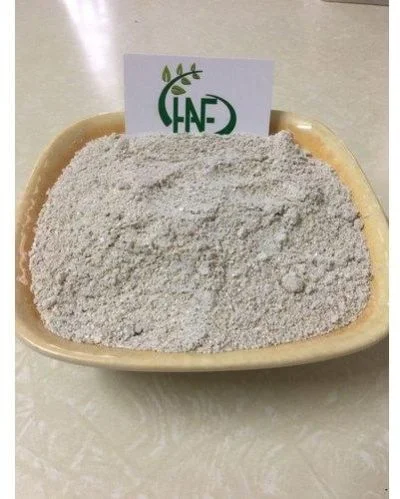
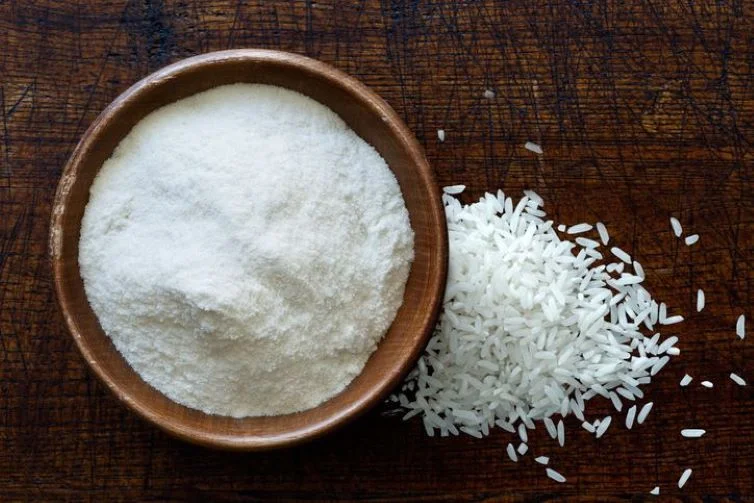
The catalogue comprises Durum Wheat Semolina, raw Durum Wheat, Corn Flour (both yellow and white varieties) with associated corn grits, Chakki Fresh Atta (a whole‑wheat flour) and a blended Soya Flour & Rice product. In the Indian milling sector, Durum Wheat Semolina is usually graded by protein content (12‑13 % typical) and ash level (0.6‑0.8 %). Corn Flour is often supplied with moisture below 14 % and a particle size ranging from 150 to 250 µm. Atta flour is commonly evaluated for gluten strength (W value 150‑190) and moisture under 13 %, while soy‑based flours are measured for protein levels of 44‑48 % and low oil content. These specifications are standard quality markers that buyers verify before import.

Industry practice adds that Indian grain exporters frequently offer products in 25 kg polypropylene bags or bulk 1 ton cartons, and may also provide bulk loading for 20‑ft containers. Typical grades such as ICUMSA for sugar‑free corn flour are not applicable, but millers adhere to IS (Indian Standard) specifications for moisture, ash, and protein, which serve as reference points for international buyers.

Trade and Export Information - Shree Kailash Grain Mills Pvt. Ltd.

India is a major exporter of wheat semolina, durum wheat, corn flour and assorted milled flours, with primary destinations in the Middle East, North Africa, Southeast Asia and parts of Europe. HS Chapter 11 (Cereals) governs the customs treatment of these products, and importers often require certificates of origin, phytosanitary certificates and compliance with ISO 22000 or FSSC 22000 food safety management systems. Many buyers also request HACCP plans and, where applicable, AGMARK certification for Indian grain quality. Standard Incoterms used by Indian exporters include FOB Mumbai or CIF Dubai, with cargo typically loaded in 20‑ft or 40‑ft containers depending on order volume.

Packaging for the five listed products generally follows bulk bag (25 kg) or multi‑layer paper/PP sack formats, enabling efficient handling in containerized shipments. Export logistics from Indian ports such as Nhava Sheva or Mundra accommodate temperature‑controlled environments when required, although most wheat and corn milled products are stable at ambient temperatures provided moisture is controlled. Buyers should verify that the supplier can furnish laboratory analysis reports (e.g., protein, moisture, ash) that match the specifications referenced in HS 1101/1102 filings.

Sourcing from Shree Kailash Grain Mills Pvt. Ltd. - Buyer Guidance

When sourcing from Shree Kailash Grain Mills Pvt. Ltd., buyers should request the latest laboratory test reports for each grain product, covering moisture (≤13 % for flours, ≤14 % for corn flour), protein content (12‑13 % for durum semolina, 44‑48 % for soy flour) and any pesticide residue analysis required by the destination country. Confirmation of food‑safety certifications such as ISO 22000, FSSC 22000 or HACCP should be obtained, even if the supplier has not listed them, because these are common prerequisites for cereal imports.

Buyers are advised to verify the packaging format (25 kg polypropylene bags or bulk cartons) and ensure that the container loading plan matches the order size. Typical minimum order quantities for Indian grain exporters range from 10 tons for bulk flour to 5 tons for specialty semolina, with lead times of 25‑35 days from order confirmation to shipment. Requesting a pre‑shipment sample and a third‑party inspection report (e.g., SGS or Bureau Veritas) can help confirm compliance with the cited specifications before full production.

Frequently Asked Questions About Shree Kailash Grain Mills Pvt. Ltd.

What grain products does Shree Kailash Grain Mills Pvt. Ltd. list in its catalogue?

The catalogue includes Durum Wheat Semolina, Corn Flour (yellow and white) with corn grits, raw Durum Wheat, Chakki Fresh Atta (whole‑wheat flour) and a combined Soya Flour & Rice product under the Golden Bansi brand.

Which HS codes are applicable to the listed products?

The products fall under HS Chapter 11: whole wheat and durum wheat are classified under HS 1101, wheat‑based flours and semolina under HS 1102, and corn flour and grits under HS 1101.90 (other cereals).

What quality parameters should a buyer request for the semolina and flours?

Typical parameters include protein content (12‑13 % for semolina), ash level (0.6‑0.8 %), moisture (≤13 % for flours, ≤14 % for corn flour) and gluten strength (W value 150‑190 for Atta). Laboratory reports should show these values.

Are any certifications normally required for importing these grain products?

Importers usually request food‑safety certifications such as ISO 22000, FSSC 22000 or HACCP, along with a phytosanitary certificate and a certificate of origin. AGMARK certification is also common for Indian grain exports.

What packaging formats are typically used for these Indian grain exports?

Products are commonly packed in 25 kg polypropylene bags or bulk paper/PP cartons, suitable for loading into 20‑ft or 40‑ft containers.

What are typical minimum order quantities and lead times?

Minimum order quantities range from 5 tons for specialty semolina to 10 tons for bulk flours. Lead time from order confirmation to shipment is generally 25‑35 days, depending on production scheduling and container availability.

How can a buyer verify product compliance before shipment?

Buyers should request a pre‑shipment sample, obtain a third‑party inspection report (e.g., SGS or Bureau Veritas), and review the supplier’s laboratory analysis for moisture, protein, ash and any pesticide residues.

Which regions most frequently import Indian wheat and corn milled products?

Key import regions include the Middle East, North Africa, Southeast Asia and parts of Europe, where demand for durum semolina, corn flour and whole‑wheat atta is strong.


Featured Products from this Supplier

Other Suppliers in Primary Category

Top Trusted Suppliers

Related Products

Trending in Parent Category

More Suppliers in Category

Related Products

Other Suppliers

EximNext
7.2K+ live requirements
Register Free🎁 Reach global buyers
Post Requirement
🌍 Trusted by 225K+ businesses in 200+ countries|
7.2K+ active requirements right now
✉️ [email protected]
|
Sell on EximNextPost Requirement
EximNext
AgricultureApparelConstructionElectronicFoodHomeIndustrialMineralsMiscellaneous
🔥 Deals|✨ AI Match|🏭 Suppliers|📋 Buy Leads|💰 Trade Finance
7.2K+ live RFQs·194.8K+ suppliers
🎁 Reach global buyers →
EximNext
EximNext
Register Free
🎁 Reach global buyers
Sign In
📋Post Requirement💬Get Quotes✨AI Match📋RFQ Marketplace
All Categories
Services & Tools
🏭Supplier Directory🔥Today's Deals💰Trade Finance
Sell on EximNext →
AboutContactBlogHelp
Agriculture & Food  ·  India
5
products listed

Shree Kailash Grain Mills Pvt. Ltd.

⚓ Harbor
Country flag , IndiaNew supplier / no reviews yet
🛡️
54/100
Trust Score

Shree Kailash Grain Mills Pvt. Ltd. Product Catalog

Showing 5 of 5 products
View all products →
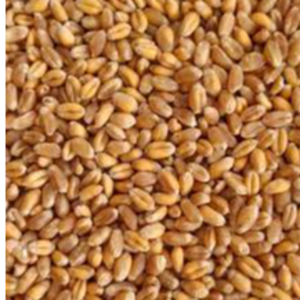
Durum Wheat
⚓ Harbor
Durum Wheat
Contact
MOQ: 1 Unit
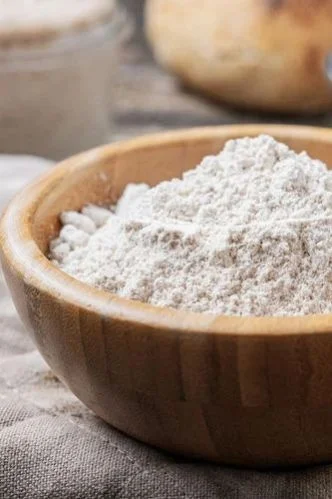
Chakki Fresh Atta - Golden Bansi
⚓ Harbor
Chakki Fresh Atta - Golden Bansi
Contact
MOQ: 1 Unit
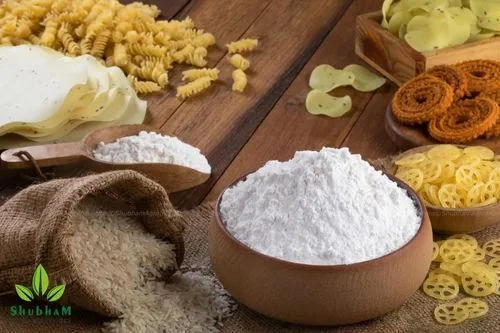
Soya Flour & Soya Products, Rice - Golden Bansi
⚓ Harbor
Soya Flour & Soya Products, Rice - Golden Bansi
Contact
MOQ: 1 Unit
Durum Wheat Semolina
⚓ Harbor
Durum Wheat Semolina
Contact
MOQ: 1 Unit
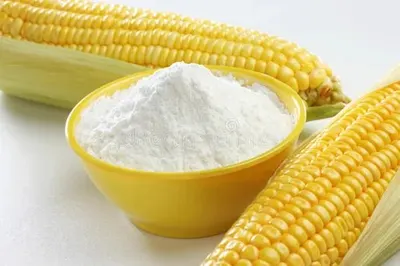
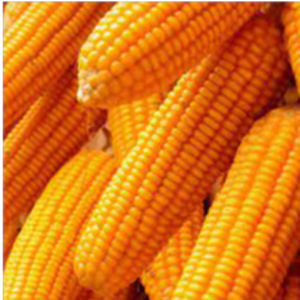
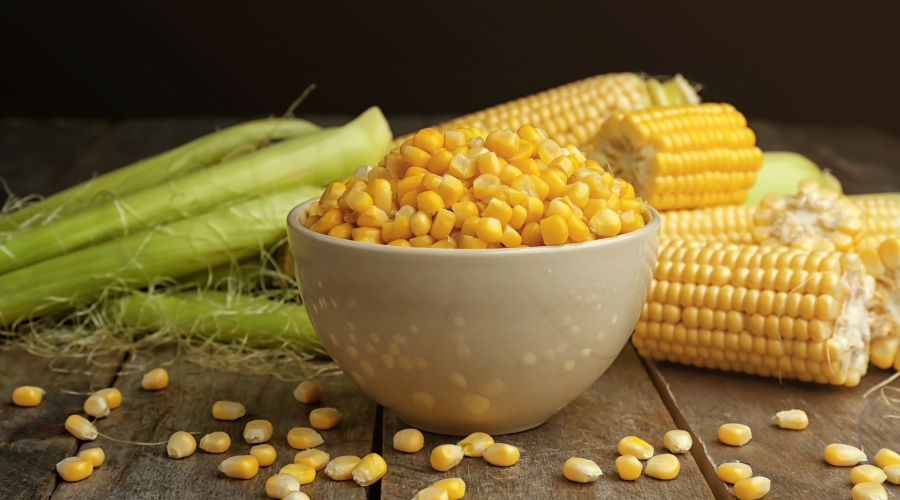
Corn Flour, Corn-yellow /white, Corn Grits
⚓ Harbor
Corn Flour, Corn-yellow /white, Corn Grits
Contact
MOQ: 1 Unit

About Shree Kailash Grain Mills Pvt. Ltd. - Wheat Supplier in India

India hosts the catalogue of Shree Kailash Grain Mills Pvt. Ltd., which currently lists five distinct grain products. The supplier’s active product count of 5 covers both wheat‑derived and corn‑derived items, specifically Durum Wheat Semolina, Corn Flour (yellow and white) with corn grits, raw Durum Wheat, Chakki Fresh Atta under the Golden Bansi label, and a combined Soya Flour & Rice line also branded Golden Bansi. Each entry aligns with the broader categories of Wheat, Corn Flour, Wheat Flour and general Flour as indicated in the supplier’s top categories.

The product titles correspond to HS‑code families commonly used for cereal grains and milled products, such as HS 1101 for whole wheat and durum wheat, HS 1101.90 for other cereals, and HS 1102 for wheat‑based flour and semolina. Although the catalogue does not specify individual HS numbers, the listed items fall within these standard tariff headings, which are recognized by customs authorities worldwide. The range therefore reflects typical Indian grain‑milling output that can be classified under these established HS sections.

Product Range and Specialties of Shree Kailash Grain Mills Pvt. Ltd.

The catalogue comprises Durum Wheat Semolina, raw Durum Wheat, Corn Flour (both yellow and white varieties) with associated corn grits, Chakki Fresh Atta (a whole‑wheat flour) and a blended Soya Flour & Rice product. In the Indian milling sector, Durum Wheat Semolina is usually graded by protein content (12‑13 % typical) and ash level (0.6‑0.8 %). Corn Flour is often supplied with moisture below 14 % and a particle size ranging from 150 to 250 µm. Atta flour is commonly evaluated for gluten strength (W value 150‑190) and moisture under 13 %, while soy‑based flours are measured for protein levels of 44‑48 % and low oil content. These specifications are standard quality markers that buyers verify before import.

Industry practice adds that Indian grain exporters frequently offer products in 25 kg polypropylene bags or bulk 1 ton cartons, and may also provide bulk loading for 20‑ft containers. Typical grades such as ICUMSA for sugar‑free corn flour are not applicable, but millers adhere to IS (Indian Standard) specifications for moisture, ash, and protein, which serve as reference points for international buyers.

Trade and Export Information - Shree Kailash Grain Mills Pvt. Ltd.

India is a major exporter of wheat semolina, durum wheat, corn flour and assorted milled flours, with primary destinations in the Middle East, North Africa, Southeast Asia and parts of Europe. HS Chapter 11 (Cereals) governs the customs treatment of these products, and importers often require certificates of origin, phytosanitary certificates and compliance with ISO 22000 or FSSC 22000 food safety management systems. Many buyers also request HACCP plans and, where applicable, AGMARK certification for Indian grain quality. Standard Incoterms used by Indian exporters include FOB Mumbai or CIF Dubai, with cargo typically loaded in 20‑ft or 40‑ft containers depending on order volume.

Packaging for the five listed products generally follows bulk bag (25 kg) or multi‑layer paper/PP sack formats, enabling efficient handling in containerized shipments. Export logistics from Indian ports such as Nhava Sheva or Mundra accommodate temperature‑controlled environments when required, although most wheat and corn milled products are stable at ambient temperatures provided moisture is controlled. Buyers should verify that the supplier can furnish laboratory analysis reports (e.g., protein, moisture, ash) that match the specifications referenced in HS 1101/1102 filings.

Sourcing from Shree Kailash Grain Mills Pvt. Ltd. - Buyer Guidance

When sourcing from Shree Kailash Grain Mills Pvt. Ltd., buyers should request the latest laboratory test reports for each grain product, covering moisture (≤13 % for flours, ≤14 % for corn flour), protein content (12‑13 % for durum semolina, 44‑48 % for soy flour) and any pesticide residue analysis required by the destination country. Confirmation of food‑safety certifications such as ISO 22000, FSSC 22000 or HACCP should be obtained, even if the supplier has not listed them, because these are common prerequisites for cereal imports.

Buyers are advised to verify the packaging format (25 kg polypropylene bags or bulk cartons) and ensure that the container loading plan matches the order size. Typical minimum order quantities for Indian grain exporters range from 10 tons for bulk flour to 5 tons for specialty semolina, with lead times of 25‑35 days from order confirmation to shipment. Requesting a pre‑shipment sample and a third‑party inspection report (e.g., SGS or Bureau Veritas) can help confirm compliance with the cited specifications before full production.

Frequently Asked Questions About Shree Kailash Grain Mills Pvt. Ltd.

What grain products does Shree Kailash Grain Mills Pvt. Ltd. list in its catalogue?

The catalogue includes Durum Wheat Semolina, Corn Flour (yellow and white) with corn grits, raw Durum Wheat, Chakki Fresh Atta (whole‑wheat flour) and a combined Soya Flour & Rice product under the Golden Bansi brand.

Which HS codes are applicable to the listed products?

The products fall under HS Chapter 11: whole wheat and durum wheat are classified under HS 1101, wheat‑based flours and semolina under HS 1102, and corn flour and grits under HS 1101.90 (other cereals).

What quality parameters should a buyer request for the semolina and flours?

Typical parameters include protein content (12‑13 % for semolina), ash level (0.6‑0.8 %), moisture (≤13 % for flours, ≤14 % for corn flour) and gluten strength (W value 150‑190 for Atta). Laboratory reports should show these values.

Are any certifications normally required for importing these grain products?

Importers usually request food‑safety certifications such as ISO 22000, FSSC 22000 or HACCP, along with a phytosanitary certificate and a certificate of origin. AGMARK certification is also common for Indian grain exports.

What packaging formats are typically used for these Indian grain exports?

Products are commonly packed in 25 kg polypropylene bags or bulk paper/PP cartons, suitable for loading into 20‑ft or 40‑ft containers.

What are typical minimum order quantities and lead times?

Minimum order quantities range from 5 tons for specialty semolina to 10 tons for bulk flours. Lead time from order confirmation to shipment is generally 25‑35 days, depending on production scheduling and container availability.

How can a buyer verify product compliance before shipment?

Buyers should request a pre‑shipment sample, obtain a third‑party inspection report (e.g., SGS or Bureau Veritas), and review the supplier’s laboratory analysis for moisture, protein, ash and any pesticide residues.

Which regions most frequently import Indian wheat and corn milled products?

Key import regions include the Middle East, North Africa, Southeast Asia and parts of Europe, where demand for durum semolina, corn flour and whole‑wheat atta is strong.

About Shree Kailash Grain Mills Pvt. Ltd. - Wheat Supplier in India

India hosts the catalogue of Shree Kailash Grain Mills Pvt. Ltd., which currently lists five distinct grain products. The supplier’s active product count of 5 covers both wheat‑derived and corn‑derived items, specifically Durum Wheat Semolina, Corn Flour (yellow and white) with corn grits, raw Durum Wheat, Chakki Fresh Atta under the Golden Bansi label, and a combined Soya Flour & Rice line also branded Golden Bansi. Each entry aligns with the broader categories of Wheat, Corn Flour, Wheat Flour and general Flour as indicated in the supplier’s top categories.

The product titles correspond to HS‑code families commonly used for cereal grains and milled products, such as HS 1101 for whole wheat and durum wheat, HS 1101.90 for other cereals, and HS 1102 for wheat‑based flour and semolina. Although the catalogue does not specify individual HS numbers, the listed items fall within these standard tariff headings, which are recognized by customs authorities worldwide. The range therefore reflects typical Indian grain‑milling output that can be classified under these established HS sections.

Product Range and Specialties of Shree Kailash Grain Mills Pvt. Ltd.

The catalogue comprises Durum Wheat Semolina, raw Durum Wheat, Corn Flour (both yellow and white varieties) with associated corn grits, Chakki Fresh Atta (a whole‑wheat flour) and a blended Soya Flour & Rice product. In the Indian milling sector, Durum Wheat Semolina is usually graded by protein content (12‑13 % typical) and ash level (0.6‑0.8 %). Corn Flour is often supplied with moisture below 14 % and a particle size ranging from 150 to 250 µm. Atta flour is commonly evaluated for gluten strength (W value 150‑190) and moisture under 13 %, while soy‑based flours are measured for protein levels of 44‑48 % and low oil content. These specifications are standard quality markers that buyers verify before import.

Industry practice adds that Indian grain exporters frequently offer products in 25 kg polypropylene bags or bulk 1 ton cartons, and may also provide bulk loading for 20‑ft containers. Typical grades such as ICUMSA for sugar‑free corn flour are not applicable, but millers adhere to IS (Indian Standard) specifications for moisture, ash, and protein, which serve as reference points for international buyers.

Trade and Export Information - Shree Kailash Grain Mills Pvt. Ltd.

India is a major exporter of wheat semolina, durum wheat, corn flour and assorted milled flours, with primary destinations in the Middle East, North Africa, Southeast Asia and parts of Europe. HS Chapter 11 (Cereals) governs the customs treatment of these products, and importers often require certificates of origin, phytosanitary certificates and compliance with ISO 22000 or FSSC 22000 food safety management systems. Many buyers also request HACCP plans and, where applicable, AGMARK certification for Indian grain quality. Standard Incoterms used by Indian exporters include FOB Mumbai or CIF Dubai, with cargo typically loaded in 20‑ft or 40‑ft containers depending on order volume.

Packaging for the five listed products generally follows bulk bag (25 kg) or multi‑layer paper/PP sack formats, enabling efficient handling in containerized shipments. Export logistics from Indian ports such as Nhava Sheva or Mundra accommodate temperature‑controlled environments when required, although most wheat and corn milled products are stable at ambient temperatures provided moisture is controlled. Buyers should verify that the supplier can furnish laboratory analysis reports (e.g., protein, moisture, ash) that match the specifications referenced in HS 1101/1102 filings.

Sourcing from Shree Kailash Grain Mills Pvt. Ltd. - Buyer Guidance

When sourcing from Shree Kailash Grain Mills Pvt. Ltd., buyers should request the latest laboratory test reports for each grain product, covering moisture (≤13 % for flours, ≤14 % for corn flour), protein content (12‑13 % for durum semolina, 44‑48 % for soy flour) and any pesticide residue analysis required by the destination country. Confirmation of food‑safety certifications such as ISO 22000, FSSC 22000 or HACCP should be obtained, even if the supplier has not listed them, because these are common prerequisites for cereal imports.

Buyers are advised to verify the packaging format (25 kg polypropylene bags or bulk cartons) and ensure that the container loading plan matches the order size. Typical minimum order quantities for Indian grain exporters range from 10 tons for bulk flour to 5 tons for specialty semolina, with lead times of 25‑35 days from order confirmation to shipment. Requesting a pre‑shipment sample and a third‑party inspection report (e.g., SGS or Bureau Veritas) can help confirm compliance with the cited specifications before full production.

Frequently Asked Questions About Shree Kailash Grain Mills Pvt. Ltd.
What grain products does Shree Kailash Grain Mills Pvt. Ltd. list in its catalogue?
The catalogue includes Durum Wheat Semolina, Corn Flour (yellow and white) with corn grits, raw Durum Wheat, Chakki Fresh Atta (whole‑wheat flour) and a combined Soya Flour & Rice product under the Golden Bansi brand.
Which HS codes are applicable to the listed products?
The products fall under HS Chapter 11: whole wheat and durum wheat are classified under HS 1101, wheat‑based flours and semolina under HS 1102, and corn flour and grits under HS 1101.90 (other cereals).
What quality parameters should a buyer request for the semolina and flours?
Typical parameters include protein content (12‑13 % for semolina), ash level (0.6‑0.8 %), moisture (≤13 % for flours, ≤14 % for corn flour) and gluten strength (W value 150‑190 for Atta). Laboratory reports should show these values.
Are any certifications normally required for importing these grain products?
Importers usually request food‑safety certifications such as ISO 22000, FSSC 22000 or HACCP, along with a phytosanitary certificate and a certificate of origin. AGMARK certification is also common for Indian grain exports.
What packaging formats are typically used for these Indian grain exports?
Products are commonly packed in 25 kg polypropylene bags or bulk paper/PP cartons, suitable for loading into 20‑ft or 40‑ft containers.
What are typical minimum order quantities and lead times?
Minimum order quantities range from 5 tons for specialty semolina to 10 tons for bulk flours. Lead time from order confirmation to shipment is generally 25‑35 days, depending on production scheduling and container availability.
How can a buyer verify product compliance before shipment?
Buyers should request a pre‑shipment sample, obtain a third‑party inspection report (e.g., SGS or Bureau Veritas), and review the supplier’s laboratory analysis for moisture, protein, ash and any pesticide residues.
Which regions most frequently import Indian wheat and corn milled products?
Key import regions include the Middle East, North Africa, Southeast Asia and parts of Europe, where demand for durum semolina, corn flour and whole‑wheat atta is strong.

Shree Kailash Grain Mills Pvt. Ltd.
Country flag India
⚓ HarborAgriculture & Food
54/100
Trust Score
5
Products
✓ Free to contact — no commission
✓ Escrow payment available
✓ Verified business identity
Compare more suppliers
Post a requirement — get 10 quotes free
Let verified suppliers compete for your business. Free, fast, no commitment.
Due Diligence
Verify this supplier's real shipping history.
Every shipment, every buyer, every port. Trade data that can't be faked.
Run due diligence →
Discover More

Related Suppliers & Products

Explore similar suppliers, related products and trending categories

Featured Products from this Supplier

Other Suppliers in Primary Category

Top Trusted Suppliers

Related Products

Trending in Parent Category

More Suppliers in Category

Stay ahead in global trade
Weekly market insights & new supplier alerts.
EximNext
Exim Next is a leading global B2B marketplace, connecting over 220,000 registered suppliers and buyers across 200+ countries. As a trusted import export marketplace, it serves as the essential B2B portal for businesses worldwide, empowering them to expand their international reach. With Exim Next, businesses can trade smarter and grow faster.
SECURE PAYMENTS
VISAMastercardPayPalSWIFTL/CEscrow
Follow us
© 2026 EximNext