Shree Hari Enterprise — Verified Supplier
About Shree Hari Enterprise - Fennel Seeds Supplier in India
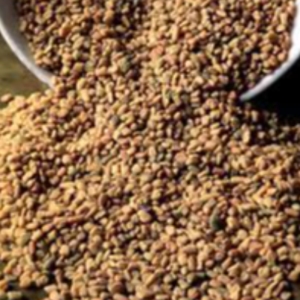
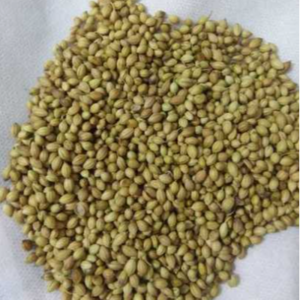
India hosts Shree Hari Enterprise, which currently lists seven active products in its catalogue. The listed items are fennel seeds, sunflower seeds, alfalfa/lucerne seeds, coriander seeds, groundnut seeds/kernels, cumin seeds and mustard seeds. These commodities fall under HS chapter 09 for spices (e.g., fennel, coriander, cumin, mustard) and HS chapter 12 for oil seeds and pulses (e.g., sunflower, groundnut, alfalfa). The supplier’s catalogue does not specify any certifications, packaging formats or container capacities. The product list reflects a focus on edible seeds and legumes that are commonly traded from India to a variety of overseas markets.
Product Range and Specialties of Shree Hari Enterprise
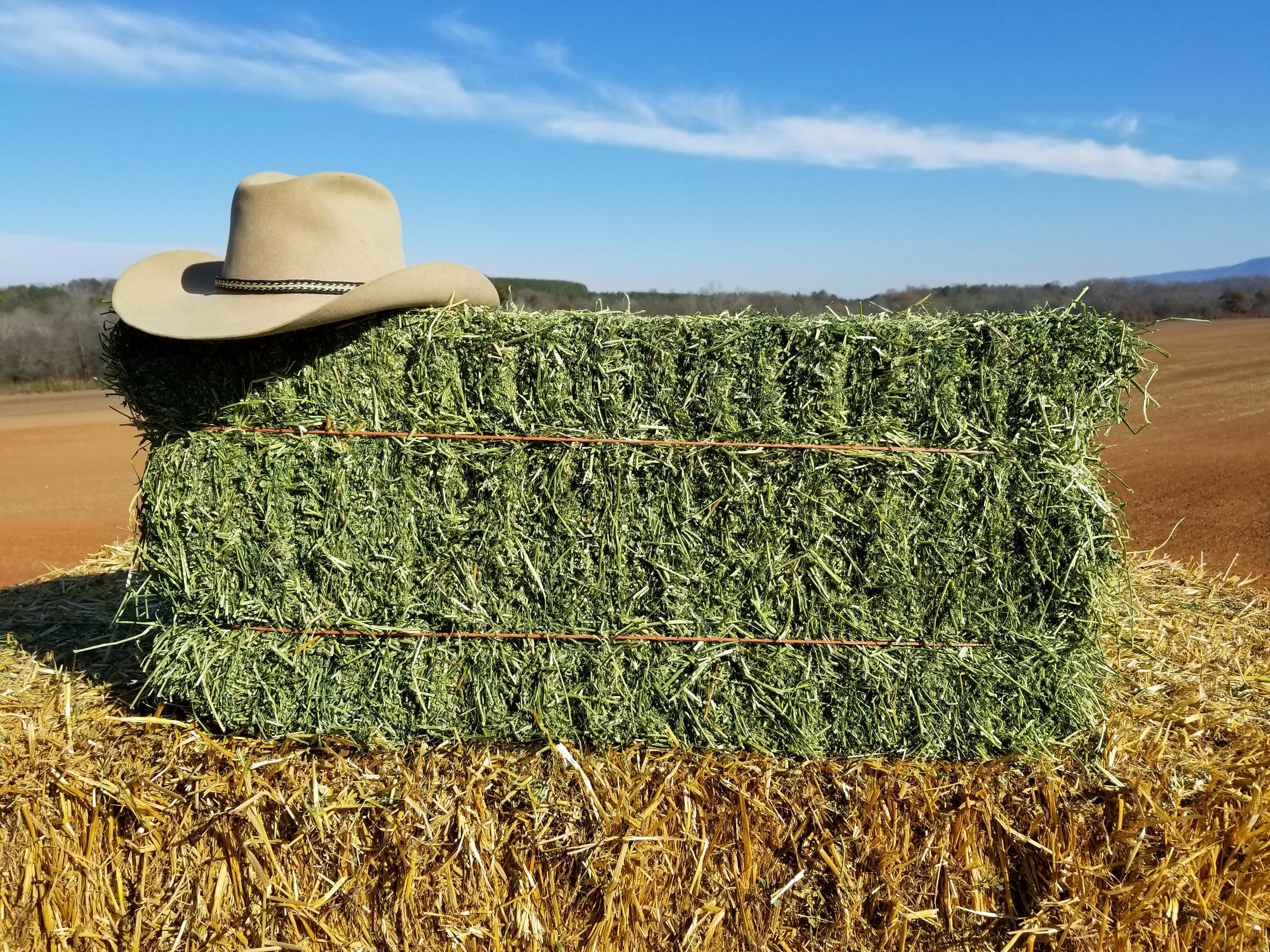
The catalogue includes whole fennel seeds, hulled sunflower seeds, alfalfa (lucerne) seeds, coriander seeds, groundnut kernels, cumin seeds and mustard seeds. In the spice trade, fennel is typically graded by size (5‑6 mm) and moisture below 10 %, while coriander and cumin are assessed for essential oil content and uniformity. Sunflower seeds are usually offered as de‑hulled kernels with oil content of 40‑45 % and moisture under 8 %. Groundnut kernels are classified by aflatoxin limits (often <10 ppb) and grade I purity above 95 %. Alfalfa seeds are evaluated for germination rate (usually >85 %) and low weed seed content. Mustard seeds are differentiated by colour (yellow or black) and glucosinolate levels, with standard moisture below 7 %.
Trade and Export Information - Shree Hari Enterprise
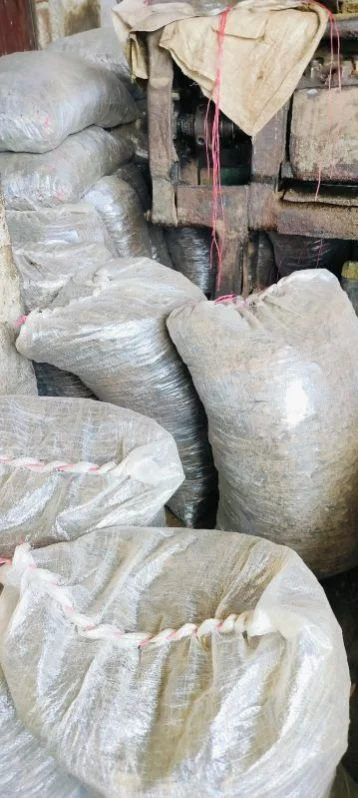
India is a major exporter of spices and oil‑seeds, supplying the Middle East, European Union, United States and Southeast Asian regions. HS code 0910 covers fennel, coriander, cumin and mustard seeds, while HS code 1209 covers sunflower seeds, groundnut kernels and alfalfa seeds. Buyers typically require food‑safety certifications such as ISO 22000, FSSC 22000 or HACCP, and for many markets a phytosanitary certificate and Certificate of Origin are mandatory. Standard export packaging includes 25 kg polypropylene bags or 50 kg jute bags, with a 20‑ft container holding roughly 800 - 900 bags depending on product density. Common Incoterms used by Indian seed exporters are FOB Indian ports and CIF to the buyer’s destination, with temperature‑controlled containers for oil‑rich seeds when required.
Sourcing from Shree Hari Enterprise - Buyer Guidance
When sourcing from Shree Hari Enterprise, request a current Certificate of Analysis that details moisture, impurity levels and, for groundnuts, aflatoxin test results. Verify that the supplier can provide a phytosanitary certificate and, if required by the destination, an organic or non‑GMO declaration. Ask for sample packs (typically 5 kg) to assess size uniformity, colour and germination (for alfalfa) before confirming larger orders. Confirm packaging specifications, HS code alignment and any required compliance documents such as ISO 22000 or HACCP audit reports prior to shipment.
Frequently Asked Questions About Shree Hari Enterprise
What seed varieties does Shree Hari Enterprise list in its catalogue?
The supplier lists fennel seeds, sunflower seeds, alfalfa/lucerne seeds, coriander seeds, groundnut seeds/kernels, cumin seeds and mustard seeds.
Which HS codes are applicable to the products offered?
Fennel, coriander, cumin and mustard seeds fall under HS code 0910, while sunflower seeds, groundnut kernels and alfalfa seeds are classified under HS code 1209.
What typical quality specifications should a buyer verify for these seeds?
Buyers usually check moisture content (generally <10 %), size uniformity, purity (often >95 %), and for groundnuts, aflatoxin limits (<10 ppb). Alfalfa seeds also require a germination rate above 85 %.
What certifications are commonly required for importing these Indian seed products?
Importers often request ISO 22000, FSSC 22000 or HACCP food‑safety certificates, a phytosanitary certificate, and a Certificate of Origin. Organic or non‑GMO certificates may be needed for specific markets.
What packaging formats are standard for the listed seeds?
Standard packaging includes 25 kg polypropylene bags or 50 kg jute bags. For container shipments, a 20‑ft container typically holds 800 - 900 such bags, depending on product density.
How can a buyer obtain a sample before placing a full order?
Buyers can request a sample pack of about 5 kg per product. The supplier should provide the sample with a Certificate of Analysis detailing the relevant quality parameters.
What are typical payment and shipping terms used by Indian seed exporters?
Common terms are FOB from Indian ports or CIF to the buyer’s destination. Payment methods often include L/C at sight or T/T against documents, subject to agreement.
What documentation should be reviewed before finalising a purchase?
Review the Certificate of Analysis, phytosanitary certificate, any food‑safety certifications (ISO 22000, HACCP), and the commercial invoice showing the correct HS code and origin details.




 , India