Shoppin Galleria — Verified Supplier
About Shoppin Galleria - Handbags Supplier in India
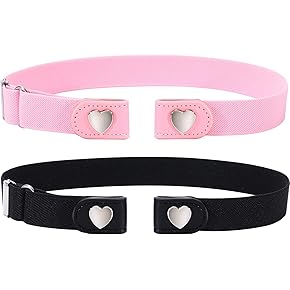
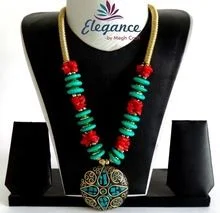
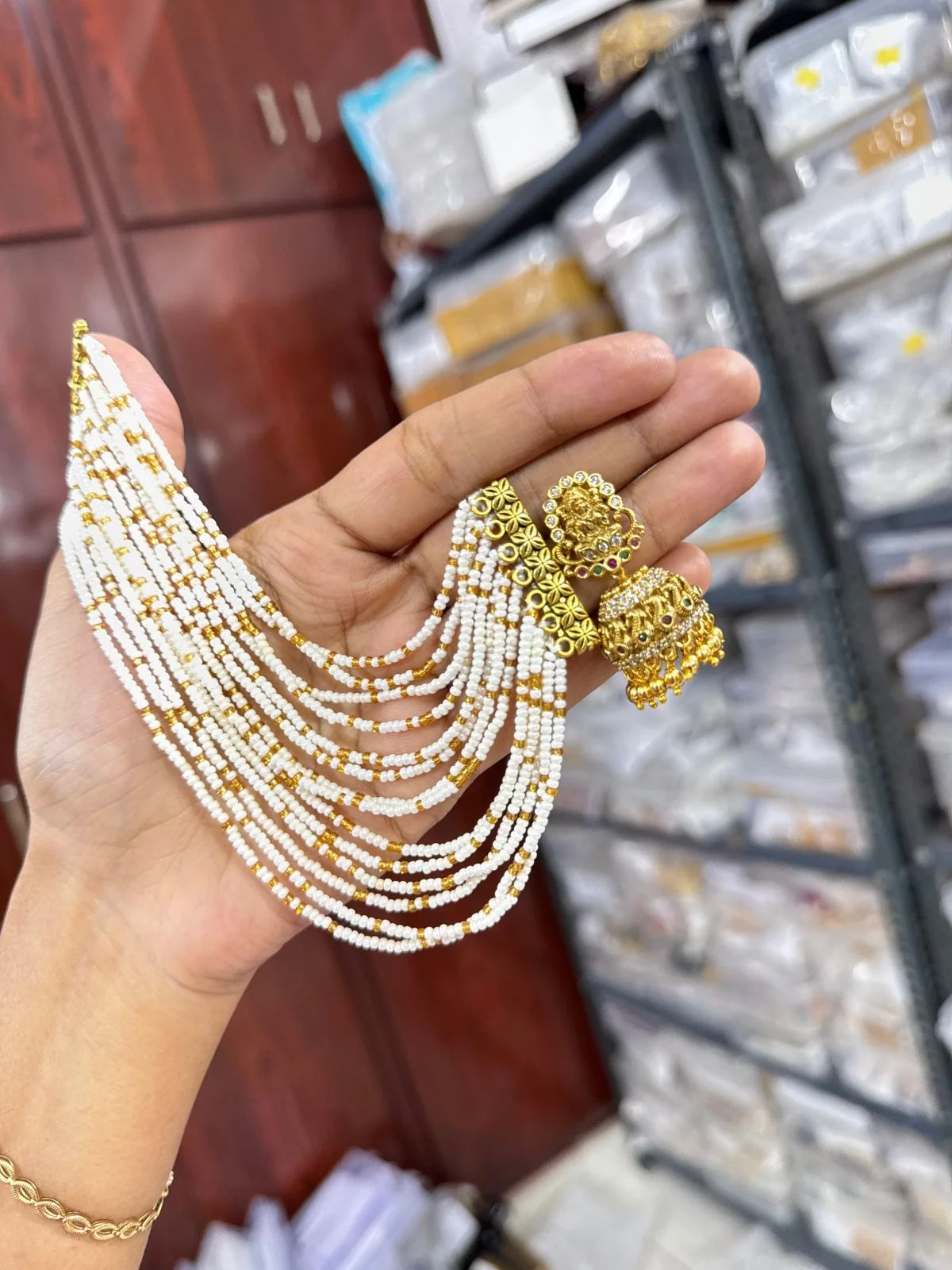
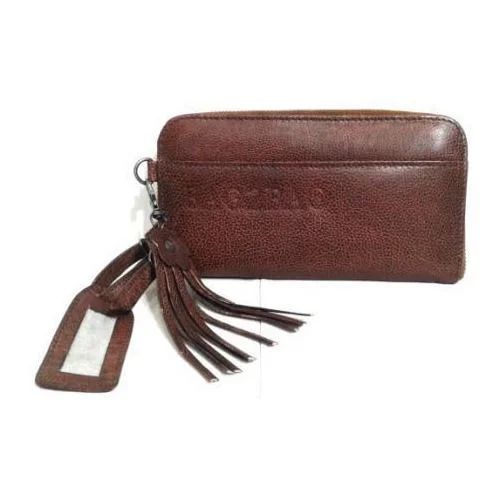
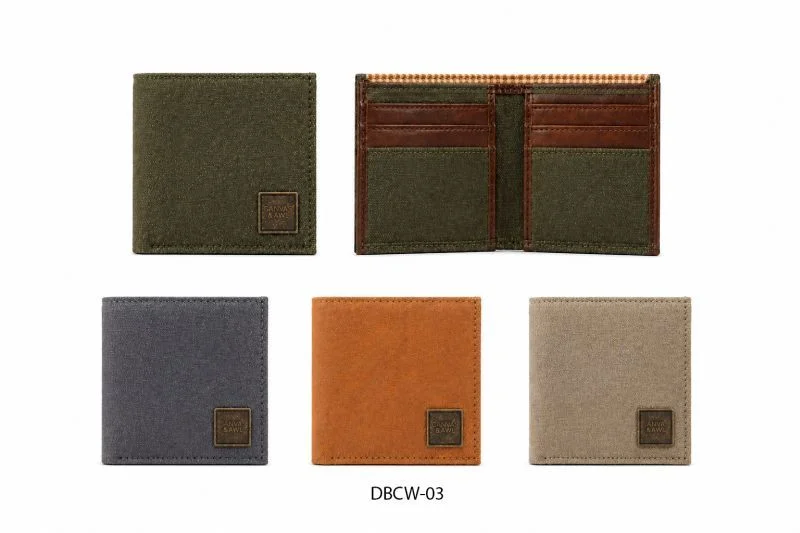
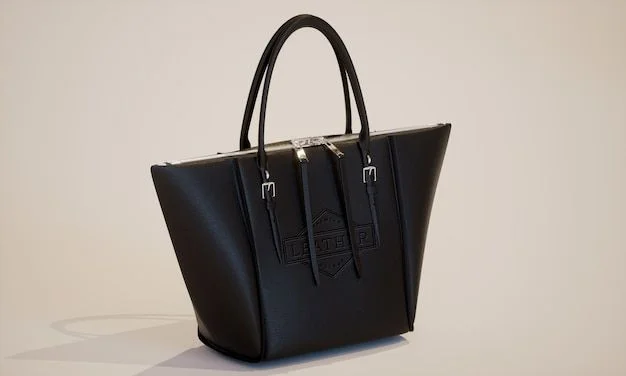
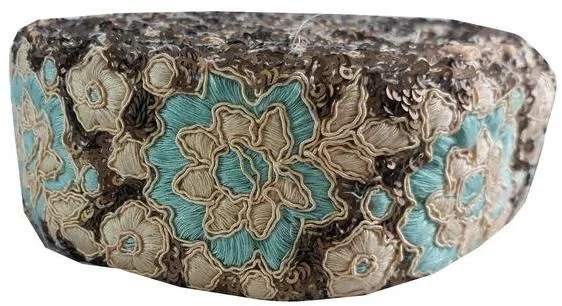
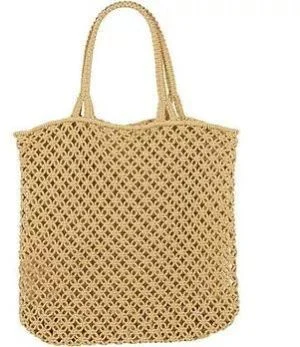
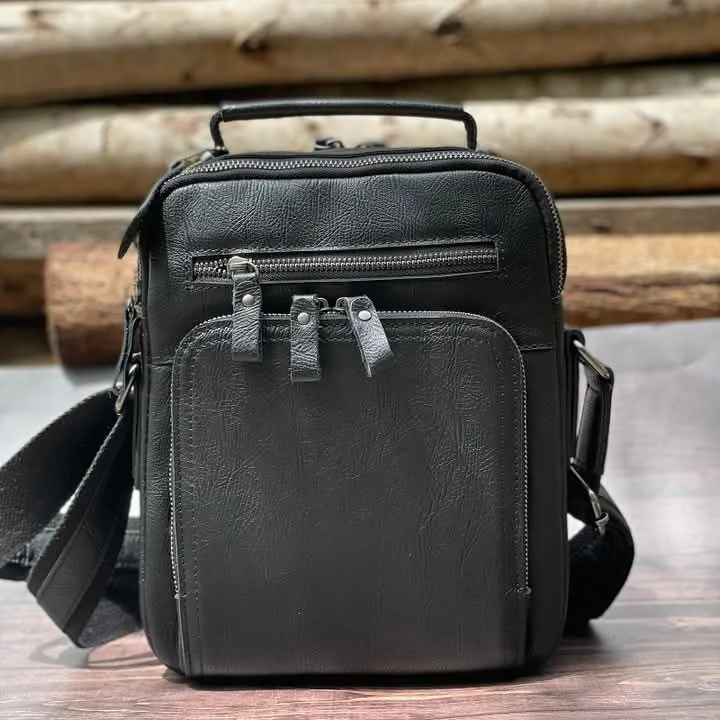
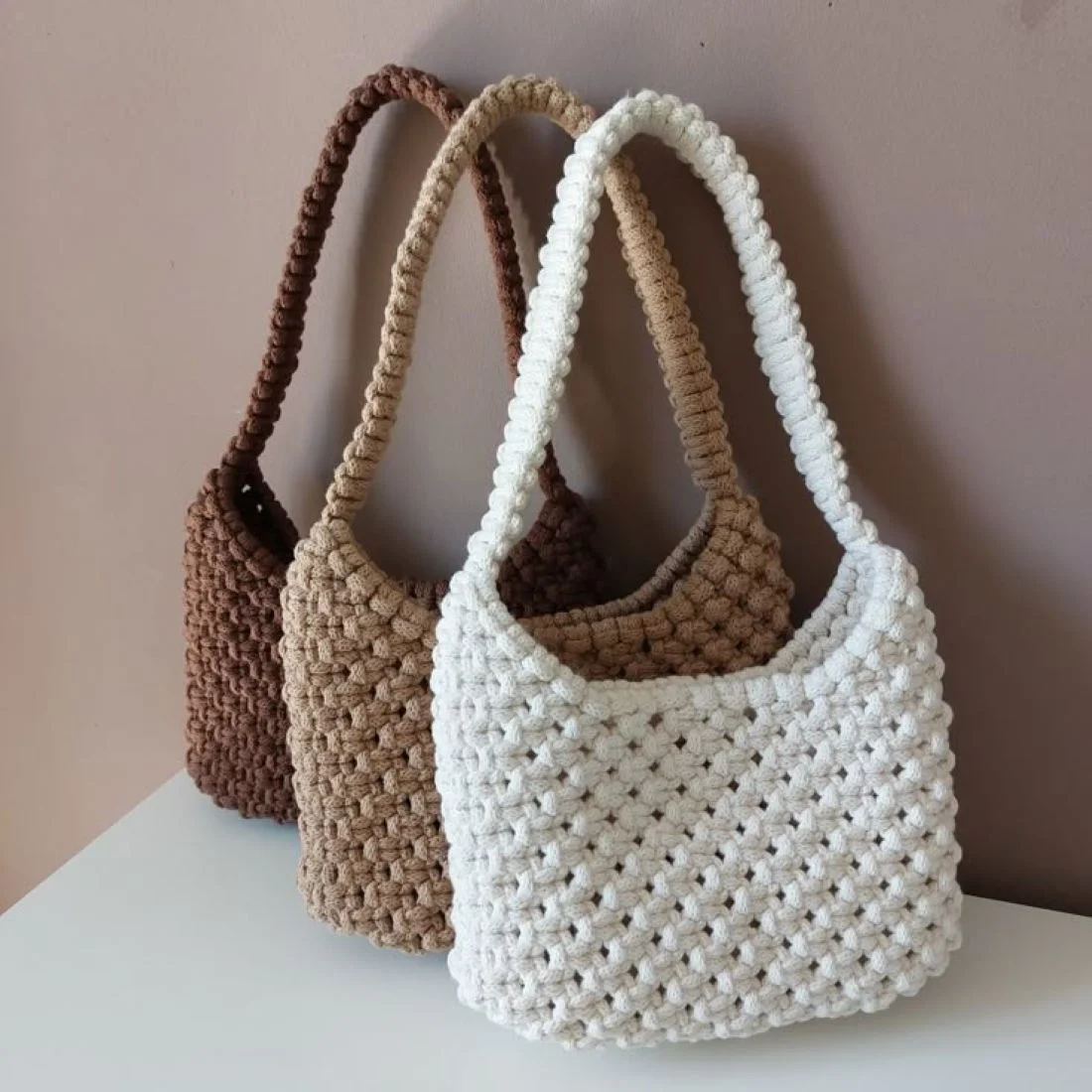
Shoppin Galleria is based in India and currently lists seven active products. The catalogue covers items classified under handbags, artificial jewellery, backpacks, belts, and leather wallets. Product entries include a unisex handbag (brown) backpack, messenger bags, reversible belts, sling bags, imitation jewellery, leather wallets, and temple jewellery. These items fall within HS chapter 42 for leather goods and HS chapter 71 for jewellery, which are the standard tariff headings used for customs clearance. The supplier’s trust tier is listed as harbor, indicating a mid‑level verification status.
Product Range and Specialties of Shoppin Galleria
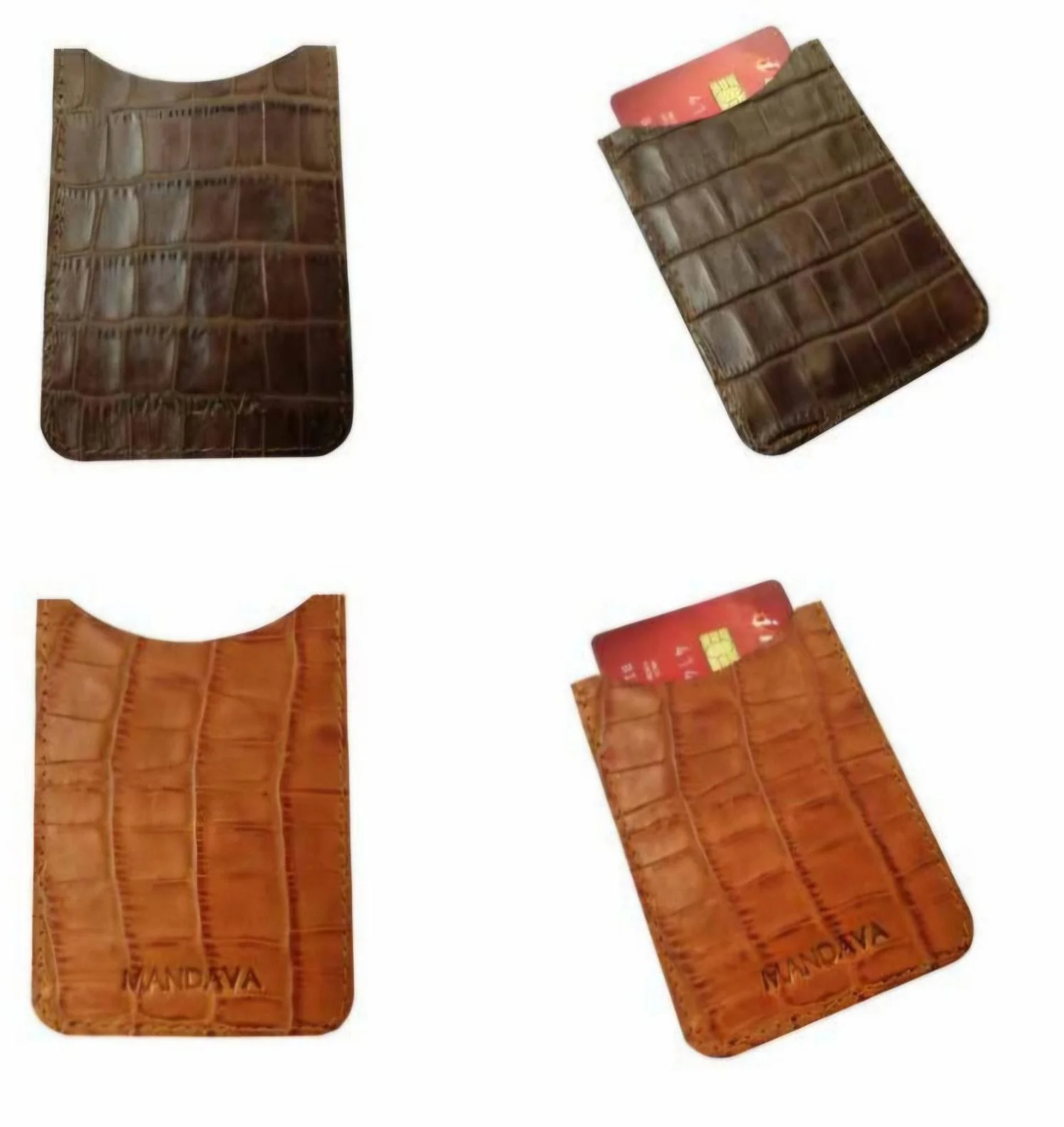
The catalogue’s seven SKUs span three main leather‑goods families and two jewellery families. Handbags and backpacks are typically produced from PU or genuine leather, graded by durability tests such as abrasion resistance (ISO 12947) and colour fastness (ISO 105‑B02). Belts and leather wallets follow similar material standards, with belt tensile strength commonly required to exceed 200 N and wallet thickness maintained between 1.0 and 2.0 mm. Imitation jewellery and temple jewellery are usually cast from zinc alloy or copper‑nickel blends, plated with gold or silver to a thickness of 0.5 - 1.0 µm, and may incorporate cubic zirconia stones graded to VS clarity. Buyers in the apparel and accessories sectors often request compliance with ISO 9001 quality management and REACH chemical safety for these product types.
Trade and Export Information - Shoppin Galleria
India is a major exporter of leather accessories and costume jewellery, with the European Union, United States, and Middle East representing the largest import markets. HS code 4202 covers handbags and backpacks, 4208 covers belts, 4209 covers wallets, while HS codes 7117 and 7118 apply to imitation and temple jewellery respectively. Export shipments are frequently packed in 20‑ft or 40‑ft containers, with a typical load of 350‑400 kg for bags and up to 250 kg for jewellery. Buyers commonly require CE marking for EU destinations, SGS or Intertek test reports for material durability, and REACH certification to confirm the absence of restricted substances. Indian exporters also adhere to the Foreign Trade Policy which mandates compliance with the Export Inspection Council (EIC) for certain leather goods, ensuring that products meet the stipulated quality and safety standards.
Sourcing from Shoppin Galleria - Buyer Guidance
Prospective buyers should request a detailed product specification sheet that lists material composition, stitching strength, dimensions, and any plating thickness for jewellery. It is advisable to obtain ISO 9001 and REACH compliance certificates, as well as independent SGS test reports covering abrasion resistance for bags and metal purity for jewellery. Samples should be evaluated for tactile quality, colour consistency, and conformity with the stated specifications before confirming bulk orders. Verify the HS code classification and ensure that the packaging meets the buyer’s logistics requirements, typically involving double‑wall cartons and inner poly‑bags. Confirm the supplier’s production lead time, which generally ranges from 30 to 45 days after sample approval, and negotiate Incoterms such as FOB Mumbai or CIF destination.
Frequently Asked Questions About Shoppin Galleria
What product categories are offered by Shoppin Galleria?
Shoppin Galleria lists seven items that fall under handbags, backpacks, messenger bags, reversible belts, sling bags, imitation jewellery, leather wallets, and temple jewellery. These products correspond to the leather‑goods and costume‑jewellery segments commonly traded from India.
Which HS codes apply to the items in the catalogue?
Handbags, backpacks and messenger bags use HS 4202, belts fall under HS 4208, leather wallets under HS 4209, imitation jewellery under HS 7117, and temple jewellery under HS 7118. These codes are used by customs authorities to determine duties and regulatory requirements.
What certifications are typically required for these product types?
Buyers usually request ISO 9001 quality‑management certification, CE conformity for EU shipments, and REACH compliance for chemical safety. Independent test reports from SGS or Intertek are also common to verify material durability and metal purity.
What are the standard material specifications for the bags and belts?
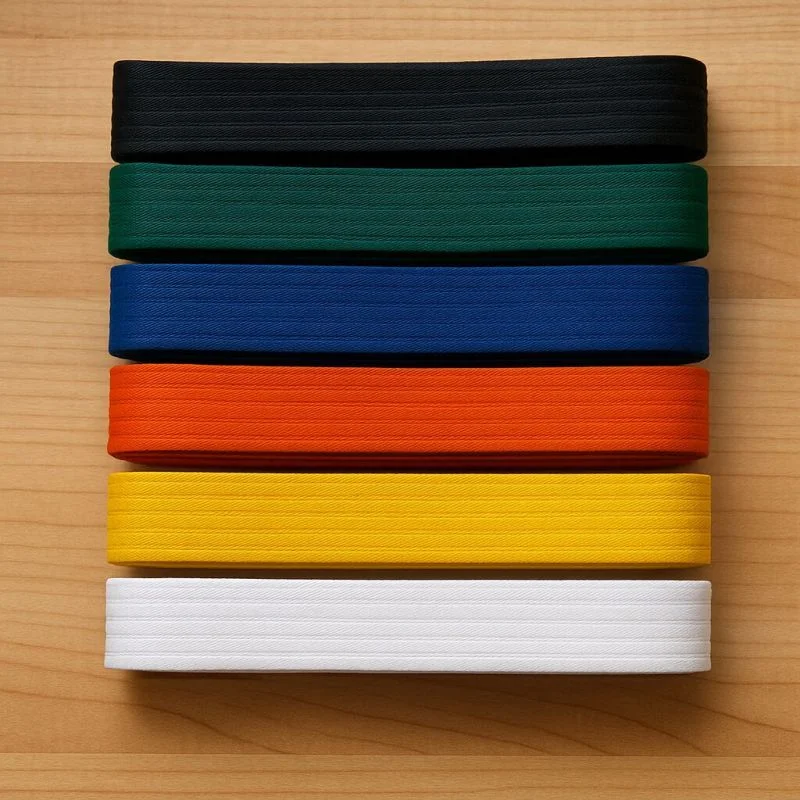
Indian‑exported bags are often made from PU‑coated leather with a minimum stitching strength of 30 N and a weight capacity around 0.8 kg per unit. Reversible belts are supplied in widths of 3 - 4 cm and leather thickness of 1.0 - 1.5 mm, with a tensile strength requirement of at least 200 N.
What quality tests are applied to the jewellery items?
Imitation jewellery and temple jewellery are typically tested for metal purity (usually 92.5 % for sterling‑style plating), plating thickness of 0.5 - 1.0 µm, and stone clarity grade VS. Additional tests include lead and cadmium content to meet REACH limits.
How are the products packaged for export?
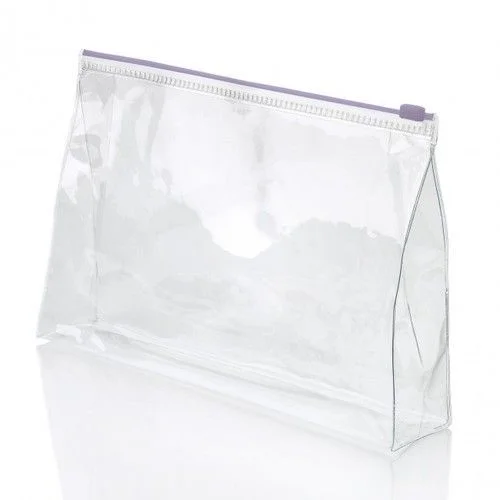
Items are packed in double‑wall cardboard cartons, with each bag placed inside a protective poly‑bag. A standard 20‑ft container can accommodate approximately 350 kg of bags or 250 kg of jewellery, depending on packaging density.
What are the usual minimum order quantities and lead times?
Typical MOQs are 500 units for handbags or backpacks and 1,000 pieces for jewellery. After sample approval, production lead time generally ranges from 30 to 45 days.
How can a buyer request a sample?
Buyers can ask the supplier to ship a pre‑production sample at the buyer’s expense, specifying the desired colour, material, and dimensions. The sample should be inspected for compliance with the specification sheet and accompanied by any relevant test reports before placing a full order.




 , India