Shiron Industries — Verified Supplier

About Shiron Industries - Food Commodity Supplier in India

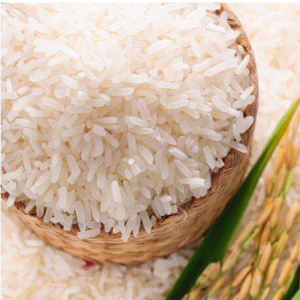
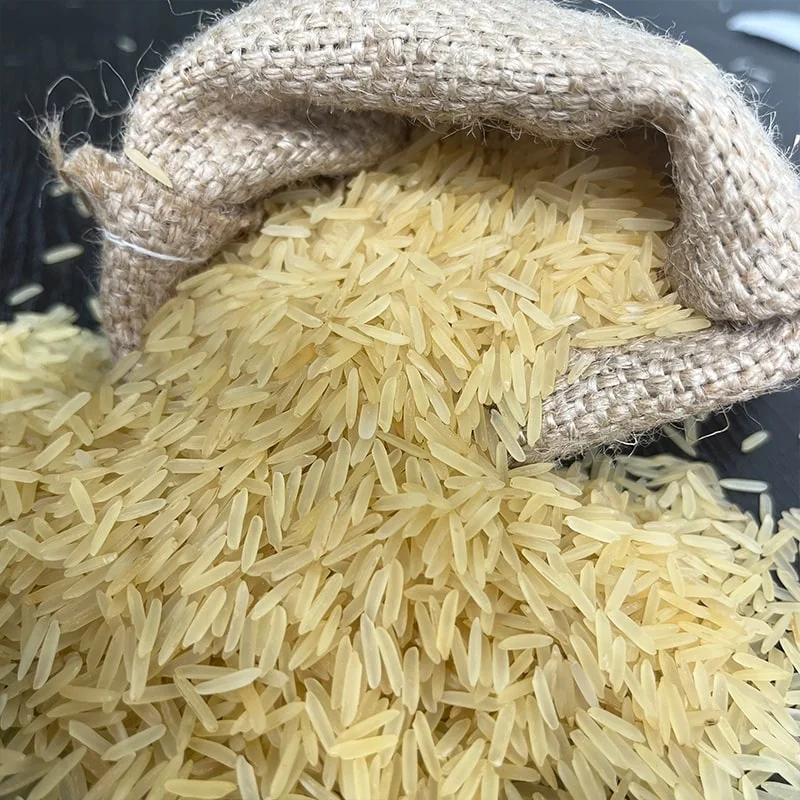
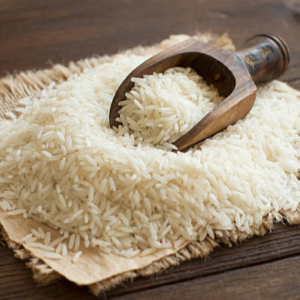
India hosts Shiron Industries, which currently lists 41 active products spanning food commodities such as basmati rice, various legumes, beans and a suite of salts. The rice portfolio includes Sharbati, Sugandha, Pusa, Parmal, RH 10, 1509, 1121, Traditional and Sona Masoori varieties, all recorded under HS code 1006.30 and described as long‑grain Basmati (Oryza sativa) or related milled rice types. The legume and bean segment comprises Indian brown lentil, black gram split, white lentil, black chickpeas, chickpeas split, garbanzo beans (HS 0713.31), red kidney beans (HS 0713.33), light speckled kidney beans (HS 0713.33) and black‑eyed beans (HS 0713.39). The salt line lists iodized table salt, iodized salt, rock salt, cooking salt, sea salt, crystal sea salt, Himalayan pink salt, Himalayan salt and black salt, none of which carry an HS code in the supplied catalogue.

Shiron Industries’ catalogue reflects a focus on staple food items that are commonly traded from India to international markets. The active product count of 41 indicates a breadth that includes both premium aromatic rice and bulk legume varieties, as well as a diversified salt offering that meets domestic and export demand. Each rice entry is linked to a specific variety name, allowing buyers to match quality specifications such as grain length and aroma profile. The inclusion of multiple HS codes for beans and lentils demonstrates compliance with standard customs classification for dried legumes.

Product Range and Specialties of Shiron Industries

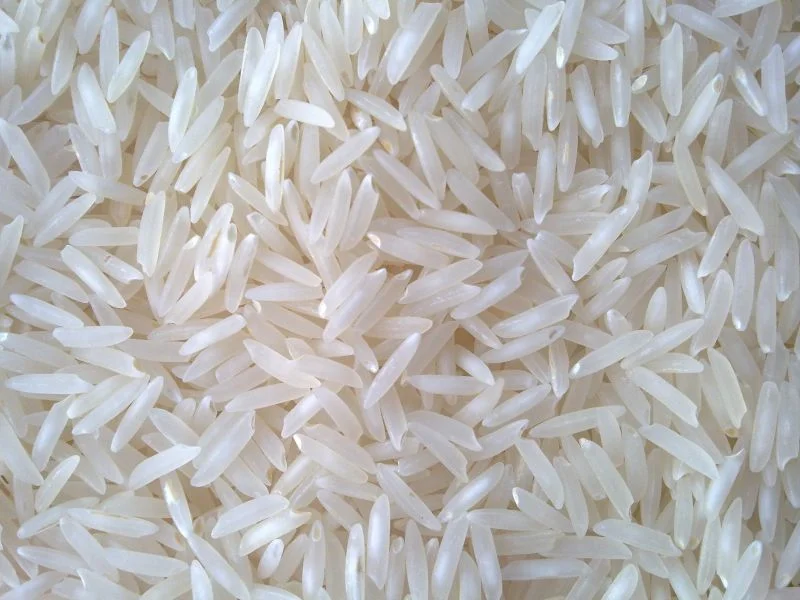
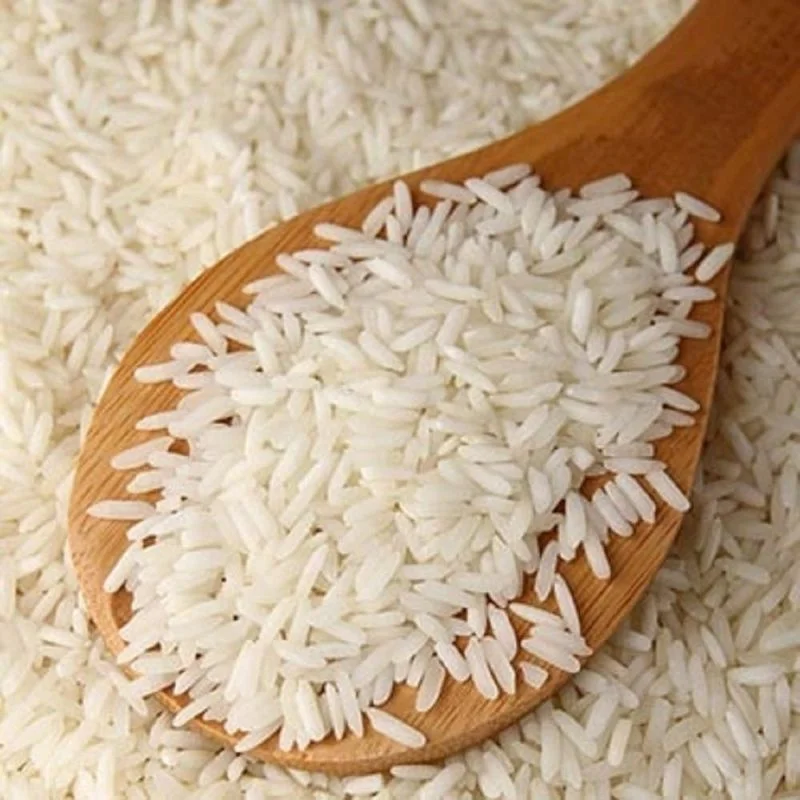
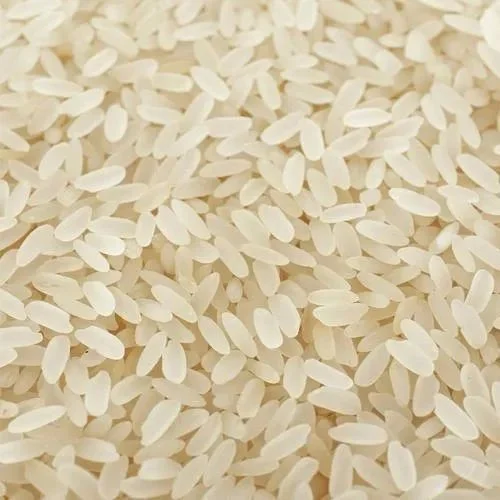
The rice selection covers eight distinct basmati varieties, all classified under HS 1006.30, with material descriptions that identify the grain as long‑grain, aromatic and milled to export‑ready specifications. In the global market, basmati exporters typically target grain lengths of 6.5‑7.0 mm, moisture content below 14 %, broken grain rates under 5 % and a husk removal rate above 99 %. Standard packaging for such rice is 25 kg polypropylene bags, and a 20‑ft container can hold roughly 800 bags. Legumes and beans listed under HS 0713.* are generally evaluated by size (e.g., kidney beans 5‑7 mm), color uniformity, moisture below 12 % and split‑to‑whole ratios for split products; certifications such as ISO 22000 or HACCP are common requirements for bulk shipments. Salts, while not assigned an HS code in the data, are typically sold as food‑grade NaCl with purity ≥ 99.5 %, iodine addition of 20‑30 ppm for iodized varieties, and moisture ≤ 0.5 %; bulk packaging often uses 25‑kg or 50‑kg food‑grade bags.

Trade and Export Information - Shiron Industries

India ranks among the world’s top exporters of basmati rice, supplying the Middle East, Gulf Cooperation Council (GCC) states, Europe and North America. Export shipments of HS 1006.30 rice usually travel in 20‑ft or 40‑ft containers, with standard incoterms such as FOB Mumbai or CIF Dubai, and buyers frequently request certificates of origin, phytosanitary certificates and a Certificate of Analysis (CoA) confirming moisture, broken percentage and pesticide residues. Dried beans and lentils (HS 0713.*) from India are commonly shipped to the United Kingdom, United Arab Emirates, Saudi Arabia and African markets, where importers often require compliance with EU food safety regulations, FDA guidance for the US, and local halal certification where applicable. Salts sourced from India fall under HS 2501 and are exported to food‑processing industries in Southeast Asia, Europe and the United States; typical buyer requirements include heavy‑metal testing (lead, arsenic) and documentation of iodine fortification levels. Across all categories, Indian exporters increasingly adopt ISO 22000, FSSAI licensing and HACCP plans to meet the quality expectations of international buyers.

Sourcing from Shiron Industries - Buyer Guidance

Buyers should request a recent Certificate of Analysis for each product batch, verifying parameters such as moisture content, grain length (for basmati), broken percentage, iodine level (for iodized salts) and heavy‑metal limits. For legumes and beans, it is prudent to ask for pesticide residue reports, aflatoxin test results and size distribution data, especially when importing split varieties. Sample orders of 5 kg to 25 kg are standard practice to evaluate aroma, texture and colour before committing to full container loads. Verification of ISO 22000 or HACCP certification, as well as a valid FSSAI licence, helps confirm that the supplier follows recognised food safety standards.

Frequently Asked Questions About Shiron Industries

What HS codes are used for Shiron Industries’ basmati rice products?

All basmati rice entries in the catalogue are listed under HS code 1006.30, which covers milled rice of the Basmati variety.

Which beans in the catalogue have specific HS codes?

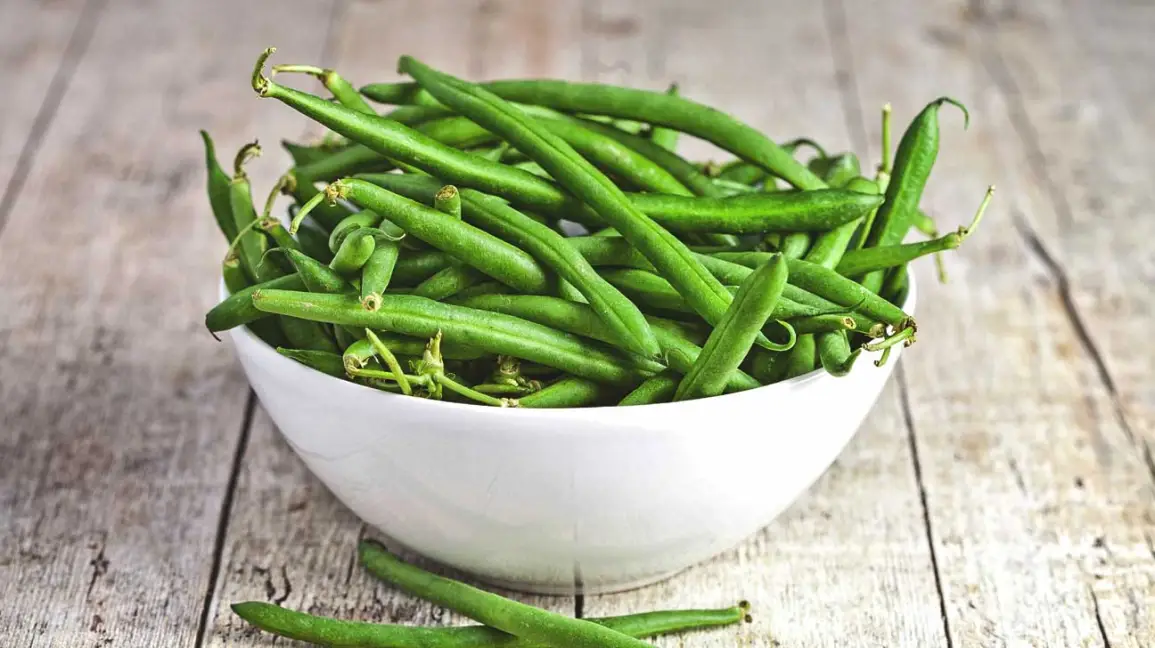
Red Kidney Beans (HS 0713.33), Light Speckled Kidney Beans (HS 0713.33), Black‑Eyed Beans (HS 0713.39) and Garbanzo Beans / Safed Chana (HS 0713.31) each carry the indicated HS codes.

What typical quality specifications should I check for basmati rice?

Export‑grade basmati rice is usually required to have grain length 6.5‑7.0 mm, moisture ≤ 14 %, broken grain ≤ 5 % and a husk removal rate above 99 %, with a characteristic aromatic profile.

What purity and iodine levels are standard for iodized table salt?

Food‑grade iodized salt generally contains ≥ 99.5 % NaCl, with iodine added at 20‑30 ppm and moisture content not exceeding 0.5 %.

Which certifications are commonly required for Indian legumes and beans?

Buyers often request ISO 22000 or HACCP certification, a valid FSSAI licence, and laboratory test reports for pesticide residues and aflatoxin limits.

How are the salt products typically packaged for export?

Indian export salt is usually packed in 25 kg or 50 kg food‑grade polypropylene bags, stacked in 20‑ft containers that can hold 400‑500 bags depending on the product density.

What documentation should I obtain before placing a bulk order?

Obtain a Certificate of Origin, phytosanitary certificate, CoA for each product batch, and copies of any food‑safety certifications (ISO 22000, HACCP, FSSAI) the supplier holds.

What are the common shipping terms used for these commodities?

Exporters from India typically operate under FOB Mumbai or CIF Dubai incoterms, with cargo loaded in standard 20‑ft or 40‑ft containers and insured against transit risks.


Featured Products from this Supplier

Other Suppliers in Primary Category

Top Trusted Suppliers

Related Products

Trending in Parent Category

More Suppliers in Category

Related Products

Other Suppliers

EximNext
58.5K+ live requirements
Register Free🎁 Reach verified global buyers
Post Requirement
🌍 Trusted by 224.6K+ businesses in 200+ countries|
58.5K+ active requirements right now
✉️ [email protected]
|
Sell on EximNextPost Requirement
EximNext
AgricultureApparelConstructionElectronicFoodHomeIndustrialMineralsMiscellaneous
🔥 Deals|✨ AI Match|🏭 Suppliers|📋 Buy Leads|💰 Trade Finance
58.5K+ live RFQs·194.6K+ suppliers
🎁 Reach global buyers →
EximNext
EximNext
Register Free
🎁 Reach verified global buyers
Sign In
📋Post Requirement💬Get QuotesAI Match📋RFQ Marketplace
All Categories
Services & Tools
🏭Supplier Directory🔥Today's Deals💰Trade Finance
Sell on EximNext
AboutContactBlogHelp
🏭

Shiron Industries

Harbor
Country flag , India
🛡️
77/100
Trust Score

Shiron Industries Product Catalog

Showing 12 of 41 products
View all products →
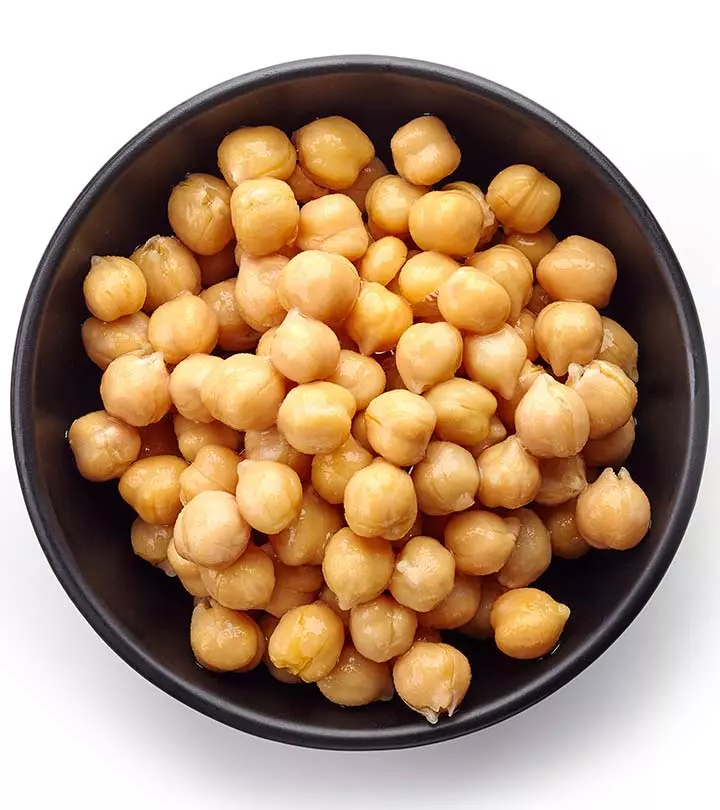
White Chickpeas
Harbor
White Chickpeas
Contact
MOQ: 1 Unit
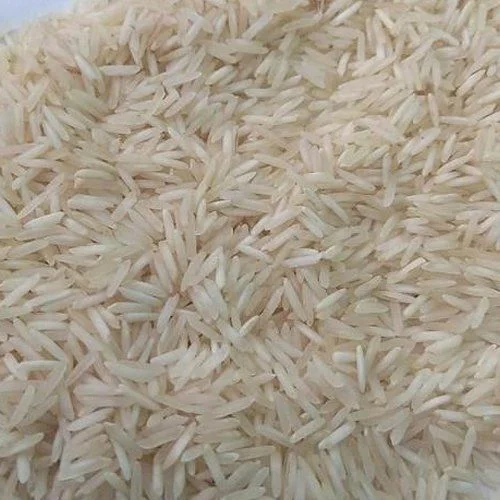
1509 Basmati Rice
Harbor
1509 Basmati Rice
Contact
MOQ: 1 Unit
1121 Basmati Rice
Harbor
1121 Basmati Rice
Contact
MOQ: 1 Unit
Traditional Basmati Rice
Harbor
Traditional Basmati Rice
Contact
MOQ: 1 Unit
Sona Masoori Rice
Harbor
Sona Masoori Rice
Contact
MOQ: 1 Unit
Swarna Rice
Harbor
Swarna Rice
Contact
MOQ: 1 Unit
White Jasmine Rice
Harbor
White Jasmine Rice
Contact
MOQ: 1 Unit
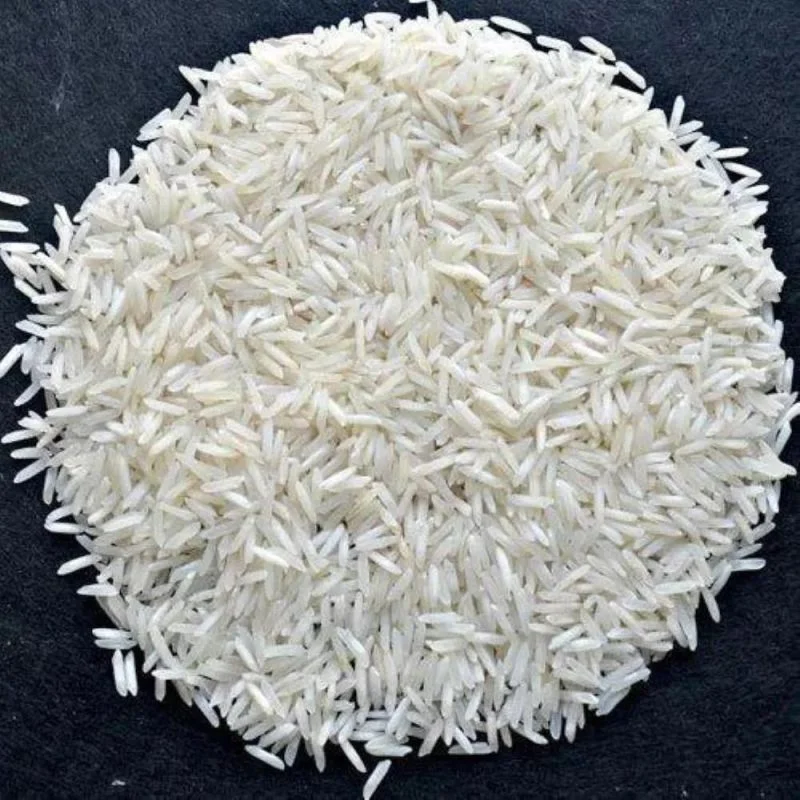
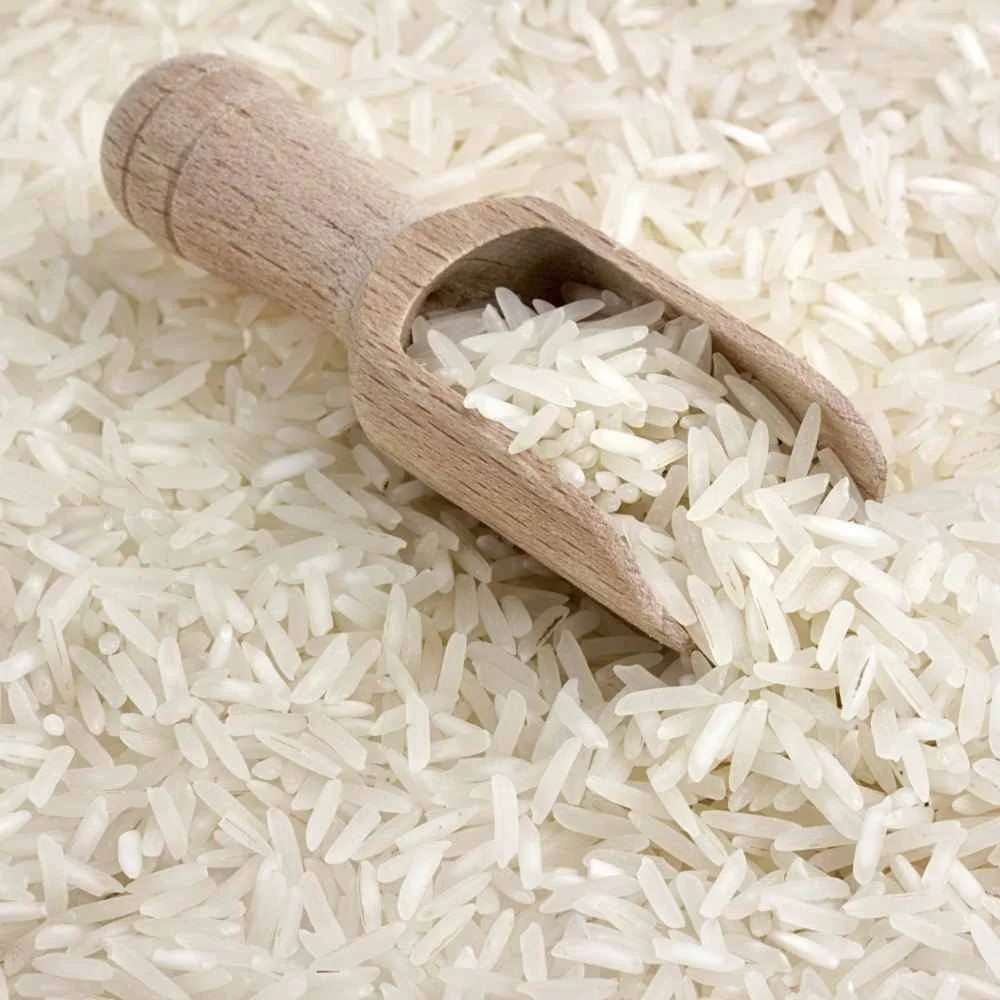
White Basmati Rice
Harbor
White Basmati Rice
Contact
MOQ: 1 Unit
Garbanzo Beans
Harbor
Garbanzo Beans
Contact
MOQ: 1 Unit
Bengal Gram Split
Harbor
Bengal Gram Split
Contact
MOQ: 1 Unit
Adzuki Beans
Harbor
Adzuki Beans
Contact
MOQ: 1 Unit
Yellow Pigeon Peas
Harbor
Yellow Pigeon Peas
Contact
MOQ: 1 Unit

About Shiron Industries - Food Commodity Supplier in India

India hosts Shiron Industries, which currently lists 41 active products spanning food commodities such as basmati rice, various legumes, beans and a suite of salts. The rice portfolio includes Sharbati, Sugandha, Pusa, Parmal, RH 10, 1509, 1121, Traditional and Sona Masoori varieties, all recorded under HS code 1006.30 and described as long‑grain Basmati (Oryza sativa) or related milled rice types. The legume and bean segment comprises Indian brown lentil, black gram split, white lentil, black chickpeas, chickpeas split, garbanzo beans (HS 0713.31), red kidney beans (HS 0713.33), light speckled kidney beans (HS 0713.33) and black‑eyed beans (HS 0713.39). The salt line lists iodized table salt, iodized salt, rock salt, cooking salt, sea salt, crystal sea salt, Himalayan pink salt, Himalayan salt and black salt, none of which carry an HS code in the supplied catalogue.

Shiron Industries’ catalogue reflects a focus on staple food items that are commonly traded from India to international markets. The active product count of 41 indicates a breadth that includes both premium aromatic rice and bulk legume varieties, as well as a diversified salt offering that meets domestic and export demand. Each rice entry is linked to a specific variety name, allowing buyers to match quality specifications such as grain length and aroma profile. The inclusion of multiple HS codes for beans and lentils demonstrates compliance with standard customs classification for dried legumes.

Product Range and Specialties of Shiron Industries

The rice selection covers eight distinct basmati varieties, all classified under HS 1006.30, with material descriptions that identify the grain as long‑grain, aromatic and milled to export‑ready specifications. In the global market, basmati exporters typically target grain lengths of 6.5‑7.0 mm, moisture content below 14 %, broken grain rates under 5 % and a husk removal rate above 99 %. Standard packaging for such rice is 25 kg polypropylene bags, and a 20‑ft container can hold roughly 800 bags. Legumes and beans listed under HS 0713.* are generally evaluated by size (e.g., kidney beans 5‑7 mm), color uniformity, moisture below 12 % and split‑to‑whole ratios for split products; certifications such as ISO 22000 or HACCP are common requirements for bulk shipments. Salts, while not assigned an HS code in the data, are typically sold as food‑grade NaCl with purity ≥ 99.5 %, iodine addition of 20‑30 ppm for iodized varieties, and moisture ≤ 0.5 %; bulk packaging often uses 25‑kg or 50‑kg food‑grade bags.

Trade and Export Information - Shiron Industries

India ranks among the world’s top exporters of basmati rice, supplying the Middle East, Gulf Cooperation Council (GCC) states, Europe and North America. Export shipments of HS 1006.30 rice usually travel in 20‑ft or 40‑ft containers, with standard incoterms such as FOB Mumbai or CIF Dubai, and buyers frequently request certificates of origin, phytosanitary certificates and a Certificate of Analysis (CoA) confirming moisture, broken percentage and pesticide residues. Dried beans and lentils (HS 0713.*) from India are commonly shipped to the United Kingdom, United Arab Emirates, Saudi Arabia and African markets, where importers often require compliance with EU food safety regulations, FDA guidance for the US, and local halal certification where applicable. Salts sourced from India fall under HS 2501 and are exported to food‑processing industries in Southeast Asia, Europe and the United States; typical buyer requirements include heavy‑metal testing (lead, arsenic) and documentation of iodine fortification levels. Across all categories, Indian exporters increasingly adopt ISO 22000, FSSAI licensing and HACCP plans to meet the quality expectations of international buyers.

Sourcing from Shiron Industries - Buyer Guidance

Buyers should request a recent Certificate of Analysis for each product batch, verifying parameters such as moisture content, grain length (for basmati), broken percentage, iodine level (for iodized salts) and heavy‑metal limits. For legumes and beans, it is prudent to ask for pesticide residue reports, aflatoxin test results and size distribution data, especially when importing split varieties. Sample orders of 5 kg to 25 kg are standard practice to evaluate aroma, texture and colour before committing to full container loads. Verification of ISO 22000 or HACCP certification, as well as a valid FSSAI licence, helps confirm that the supplier follows recognised food safety standards.

Frequently Asked Questions About Shiron Industries

What HS codes are used for Shiron Industries’ basmati rice products?

All basmati rice entries in the catalogue are listed under HS code 1006.30, which covers milled rice of the Basmati variety.

Which beans in the catalogue have specific HS codes?

Red Kidney Beans (HS 0713.33), Light Speckled Kidney Beans (HS 0713.33), Black‑Eyed Beans (HS 0713.39) and Garbanzo Beans / Safed Chana (HS 0713.31) each carry the indicated HS codes.

What typical quality specifications should I check for basmati rice?

Export‑grade basmati rice is usually required to have grain length 6.5‑7.0 mm, moisture ≤ 14 %, broken grain ≤ 5 % and a husk removal rate above 99 %, with a characteristic aromatic profile.

What purity and iodine levels are standard for iodized table salt?

Food‑grade iodized salt generally contains ≥ 99.5 % NaCl, with iodine added at 20‑30 ppm and moisture content not exceeding 0.5 %.

Which certifications are commonly required for Indian legumes and beans?

Buyers often request ISO 22000 or HACCP certification, a valid FSSAI licence, and laboratory test reports for pesticide residues and aflatoxin limits.

How are the salt products typically packaged for export?

Indian export salt is usually packed in 25 kg or 50 kg food‑grade polypropylene bags, stacked in 20‑ft containers that can hold 400‑500 bags depending on the product density.

What documentation should I obtain before placing a bulk order?

Obtain a Certificate of Origin, phytosanitary certificate, CoA for each product batch, and copies of any food‑safety certifications (ISO 22000, HACCP, FSSAI) the supplier holds.

What are the common shipping terms used for these commodities?

Exporters from India typically operate under FOB Mumbai or CIF Dubai incoterms, with cargo loaded in standard 20‑ft or 40‑ft containers and insured against transit risks.

About Shiron Industries - Food Commodity Supplier in India

India hosts Shiron Industries, which currently lists 41 active products spanning food commodities such as basmati rice, various legumes, beans and a suite of salts. The rice portfolio includes Sharbati, Sugandha, Pusa, Parmal, RH 10, 1509, 1121, Traditional and Sona Masoori varieties, all recorded under HS code 1006.30 and described as long‑grain Basmati (Oryza sativa) or related milled rice types. The legume and bean segment comprises Indian brown lentil, black gram split, white lentil, black chickpeas, chickpeas split, garbanzo beans (HS 0713.31), red kidney beans (HS 0713.33), light speckled kidney beans (HS 0713.33) and black‑eyed beans (HS 0713.39). The salt line lists iodized table salt, iodized salt, rock salt, cooking salt, sea salt, crystal sea salt, Himalayan pink salt, Himalayan salt and black salt, none of which carry an HS code in the supplied catalogue.

Shiron Industries’ catalogue reflects a focus on staple food items that are commonly traded from India to international markets. The active product count of 41 indicates a breadth that includes both premium aromatic rice and bulk legume varieties, as well as a diversified salt offering that meets domestic and export demand. Each rice entry is linked to a specific variety name, allowing buyers to match quality specifications such as grain length and aroma profile. The inclusion of multiple HS codes for beans and lentils demonstrates compliance with standard customs classification for dried legumes.

Product Range and Specialties of Shiron Industries

The rice selection covers eight distinct basmati varieties, all classified under HS 1006.30, with material descriptions that identify the grain as long‑grain, aromatic and milled to export‑ready specifications. In the global market, basmati exporters typically target grain lengths of 6.5‑7.0 mm, moisture content below 14 %, broken grain rates under 5 % and a husk removal rate above 99 %. Standard packaging for such rice is 25 kg polypropylene bags, and a 20‑ft container can hold roughly 800 bags. Legumes and beans listed under HS 0713.* are generally evaluated by size (e.g., kidney beans 5‑7 mm), color uniformity, moisture below 12 % and split‑to‑whole ratios for split products; certifications such as ISO 22000 or HACCP are common requirements for bulk shipments. Salts, while not assigned an HS code in the data, are typically sold as food‑grade NaCl with purity ≥ 99.5 %, iodine addition of 20‑30 ppm for iodized varieties, and moisture ≤ 0.5 %; bulk packaging often uses 25‑kg or 50‑kg food‑grade bags.

Trade and Export Information - Shiron Industries

India ranks among the world’s top exporters of basmati rice, supplying the Middle East, Gulf Cooperation Council (GCC) states, Europe and North America. Export shipments of HS 1006.30 rice usually travel in 20‑ft or 40‑ft containers, with standard incoterms such as FOB Mumbai or CIF Dubai, and buyers frequently request certificates of origin, phytosanitary certificates and a Certificate of Analysis (CoA) confirming moisture, broken percentage and pesticide residues. Dried beans and lentils (HS 0713.*) from India are commonly shipped to the United Kingdom, United Arab Emirates, Saudi Arabia and African markets, where importers often require compliance with EU food safety regulations, FDA guidance for the US, and local halal certification where applicable. Salts sourced from India fall under HS 2501 and are exported to food‑processing industries in Southeast Asia, Europe and the United States; typical buyer requirements include heavy‑metal testing (lead, arsenic) and documentation of iodine fortification levels. Across all categories, Indian exporters increasingly adopt ISO 22000, FSSAI licensing and HACCP plans to meet the quality expectations of international buyers.

Sourcing from Shiron Industries - Buyer Guidance

Buyers should request a recent Certificate of Analysis for each product batch, verifying parameters such as moisture content, grain length (for basmati), broken percentage, iodine level (for iodized salts) and heavy‑metal limits. For legumes and beans, it is prudent to ask for pesticide residue reports, aflatoxin test results and size distribution data, especially when importing split varieties. Sample orders of 5 kg to 25 kg are standard practice to evaluate aroma, texture and colour before committing to full container loads. Verification of ISO 22000 or HACCP certification, as well as a valid FSSAI licence, helps confirm that the supplier follows recognised food safety standards.

Frequently Asked Questions About Shiron Industries
What HS codes are used for Shiron Industries’ basmati rice products?
All basmati rice entries in the catalogue are listed under HS code 1006.30, which covers milled rice of the Basmati variety.
Which beans in the catalogue have specific HS codes?
Red Kidney Beans (HS 0713.33), Light Speckled Kidney Beans (HS 0713.33), Black‑Eyed Beans (HS 0713.39) and Garbanzo Beans / Safed Chana (HS 0713.31) each carry the indicated HS codes.
What typical quality specifications should I check for basmati rice?
Export‑grade basmati rice is usually required to have grain length 6.5‑7.0 mm, moisture ≤ 14 %, broken grain ≤ 5 % and a husk removal rate above 99 %, with a characteristic aromatic profile.
What purity and iodine levels are standard for iodized table salt?
Food‑grade iodized salt generally contains ≥ 99.5 % NaCl, with iodine added at 20‑30 ppm and moisture content not exceeding 0.5 %.
Which certifications are commonly required for Indian legumes and beans?
Buyers often request ISO 22000 or HACCP certification, a valid FSSAI licence, and laboratory test reports for pesticide residues and aflatoxin limits.
How are the salt products typically packaged for export?
Indian export salt is usually packed in 25 kg or 50 kg food‑grade polypropylene bags, stacked in 20‑ft containers that can hold 400‑500 bags depending on the product density.
What documentation should I obtain before placing a bulk order?
Obtain a Certificate of Origin, phytosanitary certificate, CoA for each product batch, and copies of any food‑safety certifications (ISO 22000, HACCP, FSSAI) the supplier holds.
What are the common shipping terms used for these commodities?
Exporters from India typically operate under FOB Mumbai or CIF Dubai incoterms, with cargo loaded in standard 20‑ft or 40‑ft containers and insured against transit risks.

🏭
Shiron Industries
Country flag , India
Harbor
77/100
Trust Score
📦
41
Products
Free to contact — no commission
Escrow payment available
Verified business identity
Compare more suppliers
Post a requirement — get 10 quotes free
Let verified suppliers compete for your business. Free, fast, no commitment.
EximNext Verified Supplier
Business identity verified
Physical address confirmed
Financial history checked
Certifications authenticated
Trade references validated
Due Diligence
Verify this supplier's real shipping history.
Every shipment, every buyer, every port. Trade data that can't be faked.
Run due diligence →
Discover More

Related Suppliers & Products

Explore similar suppliers, related products and trending categories

Featured Products from this Supplier

Other Suppliers in Primary Category

Top Trusted Suppliers

Related Products

Trending in Parent Category

More Suppliers in Category

Stay ahead in global trade
Weekly market insights & new supplier alerts.
EximNext
Exim Next is a leading global B2B marketplace, connecting over 205,000 verified suppliers and buyers across 200+ countries. As a trusted import export marketplace, it serves as the essential B2B portal for businesses worldwide, empowering them to expand their international reach. With Exim Next, businesses can trade smarter and grow faster.
SECURE PAYMENTS
VISAMastercardPayPalSWIFTL/CEscrow
Follow us
© 2026 EximNext