Shifang Anda Liyuan Co., Ltd — Verified Supplier
About Shifang Anda Liyuan Co., Ltd - Food Chemicals Supplier in China
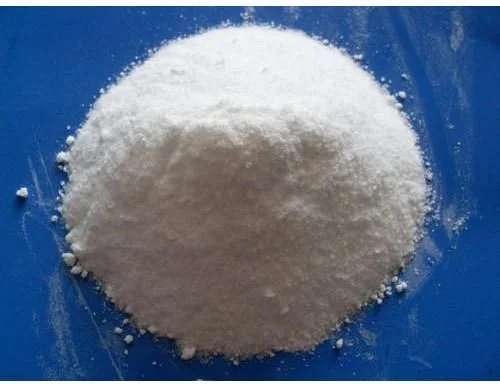
Shifang Anda Liyuan Co., Ltd, located in China, offers a diverse range of products, with 9 active products in its catalogue. The company's primary product categories include Food Chemicals, SHMP, STPP, Urea, Detergent Chemicals, Fertilizers, and DAP (Diammonium Phosphate). Specifically, its catalogue features products such as Up (Urea Phosphate), DSP (Di-Sodium Phosphate), Tsp (tri-sodium phosphate), SHMP (Sodium Hexametaphosphate), TSPP (Tetra Sodium Pyrophosphate), STPP (Sodium Tripolyphosphate), SAPP (Sodium acid pyrophosphate), MAP (Mono Ammonium Phosphate), and DAP (Di-Ammonium Phosphate). These products are commonly used in various industries, including food processing, detergent manufacturing, and agriculture.
The company's product range is enriched by the fact that exporters of Food Chemicals typically need to adhere to strict quality standards, such as purity percentages and moisture content. For instance, Urea, a key product, usually has a purity of 99.5% or higher, while SHMP and STPP often require a moisture content of less than 2%. Additionally, buyers of these products usually require certifications such as ISO 9001 or FAMI-QS to ensure compliance with international standards.
Product Range and Specialties of Shifang Anda Liyuan Co., Ltd
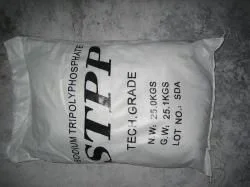
Shifang Anda Liyuan Co., Ltd's product range includes various types of phosphates, such as sodium and ammonium-based products. The typical grades for these products include technical grade, food grade, and agricultural grade. For example, STPP is commonly used in detergent manufacturing, while DAP is used in agriculture as a fertilizer. The company's catalogue also features Urea, which is often used in the production of melamine and other resins.
Buyers of these products should be aware of the typical specifications and standards for each product. For instance, TSPP typically has a purity of 95% or higher, while MAP usually has a moisture content of less than 1%. Additionally, the products may have different variants, such as anhydrous or monohydrate forms, which can affect their usage and application.
Trade and Export Information - Shifang Anda Liyuan Co., Ltd
Exporters of Food Chemicals from China, like Shifang Anda Liyuan Co., Ltd, typically export their products to regions such as Southeast Asia, the Middle East, and Africa. The HS code families involved in these exports include 2835 for phosphates and 3105 for fertilizers. Buyers of these products should be aware of the relevant regulatory and logistics norms, such as packaging and labeling requirements, and Incoterms like CIF or FOB.
The company's products are subject to various certifications and standards, such as ISO 9001, FAMI-QS, and REACH. Buyers should request these certifications and ensure compliance with international standards. Additionally, the products may be subject to inspection and testing, such as purity and moisture content analysis, to ensure quality and safety.
Sourcing from Shifang Anda Liyuan Co., Ltd - Buyer Guidance
When sourcing from Shifang Anda Liyuan Co., Ltd, buyers should request specifications, samples, and test reports to ensure the products meet their requirements. They should also verify the company's certifications and compliance with international standards. Additionally, buyers should be aware of the typical lead times and MOQs for each product, which can vary depending on the product and production capacity.
Buyers should also request documents such as certificates of origin, commercial invoices, and packing lists to ensure smooth customs clearance and logistics. Furthermore, they should ensure that the products are properly packaged and labeled to prevent damage and contamination during transportation.
Frequently Asked Questions About Shifang Anda Liyuan Co., Ltd
What is the typical purity of Urea?
The typical purity of Urea is 99.5% or higher. However, buyers should request the actual purity and other specifications from the supplier to ensure compliance with their requirements.
What is the difference between STPP and TSPP?
STPP (Sodium Tripolyphosphate) and TSPP (Tetra Sodium Pyrophosphate) are both phosphates used in detergent manufacturing. However, they have different chemical structures and properties, which can affect their usage and application. Buyers should request the actual specifications and certifications for each product to ensure compliance with their requirements.
What is the typical lead time for DAP (Di-Ammonium Phosphate)?
The typical lead time for DAP (Di-Ammonium Phosphate) can vary depending on the production capacity and supplier. Buyers should request the actual lead time and MOQ from the supplier to ensure compliance with their requirements.
What certifications should I request from the supplier?
Buyers should request certifications such as ISO 9001, FAMI-QS, and REACH to ensure compliance with international standards. Additionally, they should request test reports and other documents to ensure the products meet their requirements.
How do I ensure the products are properly packaged and labeled?
Buyers should request the supplier to provide proper packaging and labeling for the products, including certificates of origin, commercial invoices, and packing lists. They should also ensure that the products are properly sealed and secured to prevent damage and contamination during transportation.
What is the typical moisture content of SHMP?
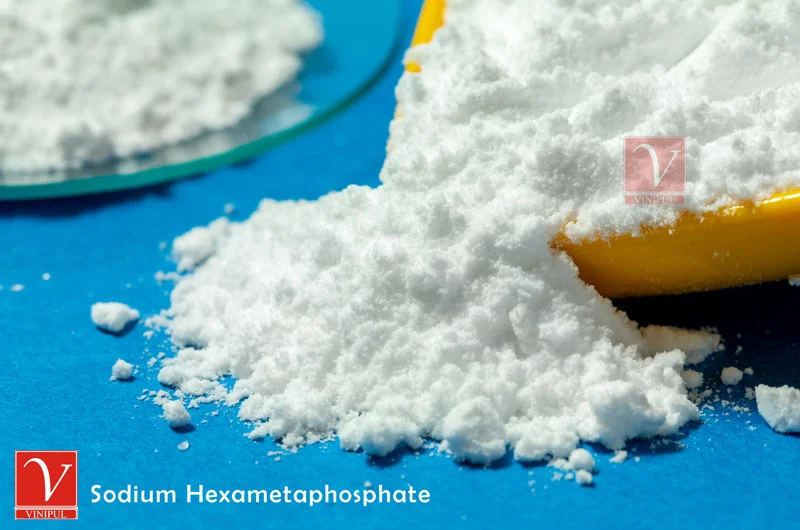
The typical moisture content of SHMP (Sodium Hexametaphosphate) is less than 2%. However, buyers should request the actual moisture content and other specifications from the supplier to ensure compliance with their requirements.
Can I request a sample of the product?
Yes, buyers can request a sample of the product from the supplier to ensure it meets their requirements. They should request the sample specifications, including the quantity and packaging, to ensure compliance with their requirements.
How do I verify the supplier's certifications and compliance?
Buyers should request the supplier to provide documentation and evidence of their certifications and compliance with international standards. They should also verify the supplier's certifications through reputable third-party organizations to ensure compliance.




 , China