Shenzhou Xinghua Wire Mesh Co., Ltd. — Supplier
About Shenzhou Xinghua Wire Mesh Co., Ltd. - Wire Mesh Supplier in China
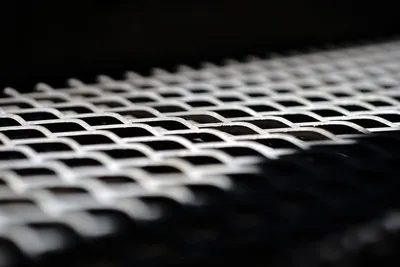
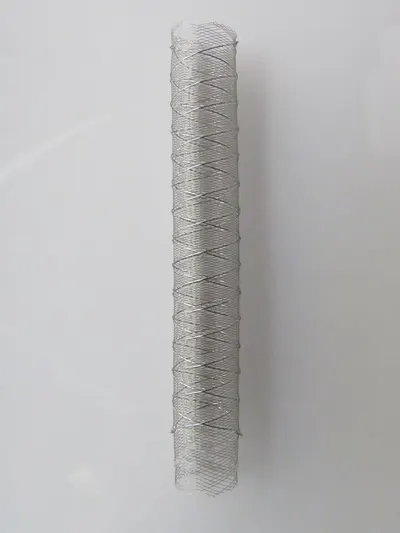
Shenzhou Xinghua Wire Mesh Co., Ltd. is based in China and lists five active products in its catalogue. The company’s offerings fall under the Army & Police Equipment and Fencing Materials categories and include low‑price Razor Barbed Wire, Gabion Mesh, stainless‑steel (SS) Wire Mesh, various Wire Mesh Fence types, and Punching Wire Mesh. All items are described as low‑price manufactured in China. The product titles suggest applications ranging from security fencing to structural reinforcement.
The catalogue does not provide detailed specifications such as wire diameter, mesh opening, or coating type, but the product names indicate standard wire‑mesh formats used in security and civil construction. The inclusion of both barbed wire and gabion mesh points to products suitable for perimeter security, erosion control, and retaining structures. As an imported supplier, Shenzhou Xinghua positions its wire‑mesh items for buyers seeking cost‑effective solutions in the mentioned categories.
Product Range and Specialties of Shenzhou Xinghua Wire Mesh Co., Ltd.
The listed products cover several typical wire‑mesh formats: Razor Barbed Wire for anti‑climb barriers, Gabion Mesh for concrete‑filled retaining walls, SS Wire Mesh for corrosion‑resistant applications, generic fencing mesh for agricultural or industrial enclosures, and Punching Wire Mesh used in perforated panels. In the industry, such meshes are produced in gauges from 3 mm to 12 mm, with opening sizes ranging from 20 mm to 100 mm, and are often hot‑dip galvanized to meet ASTM A123 or coated with powder paint for additional durability.
Typical specifications for these categories include tensile strengths of 400 - 600 MPa for carbon‑steel meshes, 600 - 800 MPa for stainless‑steel meshes, coating thicknesses of 30 - 60 µm for zinc galvanizing, and mesh weights of 2 - 8 kg per square metre. Buyers frequently request compliance with standards such as ISO 9001 for quality management, CE marking for European market entry, and ASTM or EN standards for material grade and performance.
Trade and Export Information - Shenzhou Xinghua Wire Mesh Co., Ltd.
Wire mesh products are classified under HS Chapter 73, most commonly under heading 7308 (structures of iron or steel) for gabion and fencing meshes, and heading 7315 for other wire products such as barbed wire. Exporters from China typically ship these items in 20‑ft or 40‑ft containers, with a 20‑ft container holding roughly 1,200 kg of mesh depending on packaging density. Standard Incoterms used include FOB Shanghai or CIF destination ports in Europe, the Middle East, and Southeast Asia, where construction, mining, and security sectors are major importers.
Buyers usually request certificates of origin, material test reports (tensile strength, coating thickness), and compliance documents such as ISO 9001 or CE declarations. Chinese wire‑mesh manufacturers often obtain export‑related inspections from CIQ (China Entry‑Exit Inspection & Quarantine) and may provide phytosanitary certificates when meshes are used for agricultural fencing. The typical export flow for Chinese wire mesh goes to the United States, EU member states, India, and African construction markets.
Sourcing from Shenzhou Xinghua Wire Mesh Co., Ltd. - Buyer Guidance
When sourcing from Shenzhou Xinghua, request detailed product data sheets that list wire diameter, mesh opening, tensile strength, coating type, and weight per square metre. Verify third‑party test reports for mechanical properties and, if required by the destination market, ask for CE or ISO 9001 compliance certificates. Confirm the packaging format - most Chinese wire‑mesh suppliers use polypropylene‑lined bundles or wooden pallets wrapped in stretch film, suitable for 20‑ft container loading.
Typical minimum order quantities range from 500 kg to 1 metric ton for bulk mesh rolls, with lead times of 30 - 45 days after receipt of a confirmed purchase order and approved samples. Arrange a pre‑shipment inspection if the buyer’s market mandates third‑party verification, and specify the preferred Incoterm (e.g., FOB Shanghai) in the contract to align responsibilities.
Frequently Asked Questions About Shenzhou Xinghua Wire Mesh Co., Ltd.
What types of wire mesh does Shenzhou Xinghua offer?
The catalogue lists Razor Barbed Wire, Gabion Mesh, stainless‑steel (SS) Wire Mesh, general fencing wire mesh, and Punching Wire Mesh, all described as low‑price manufactured in China.
Are there standard specifications for the listed meshes?
Industry standards for similar products include wire diameters of 3 mm - 12 mm, mesh openings of 20 mm - 100 mm, tensile strengths of 400 - 800 MPa, and zinc galvanizing thicknesses of 30 - 60 µm. Specific grades such as ASTM A123 (galvanized) or ASTM A193 (stainless) are commonly applied.
Which HS codes are relevant to these products?
Wire mesh items generally fall under HS heading 7308 for structural steel mesh (e.g., gabion, fencing) and heading 7315 for other wire products such as barbed wire and punching mesh.
What certifications should a buyer request?
Buyers typically ask for ISO 9001 quality‑management certification, CE conformity for European markets, and material test reports showing tensile strength and coating thickness. Certificates of origin are also standard for customs clearance.
What is the typical minimum order quantity?
For bulk wire‑mesh orders, suppliers often set a MOQ of 500 kg to 1 metric ton, depending on the mesh type and packaging requirements.
What are the usual lead times for shipment?
Lead times from order confirmation and sample approval are usually 30 - 45 days, after which the goods are loaded into 20‑ft or 40‑ft containers for export.
How are the products packaged for export?
Meshes are commonly bundled on polypropylene‑lined pallets, wrapped in stretch film, and stacked in containers to optimize space; pallets may be wooden or block pallets depending on the buyer’s preference.
Which regions import these wire‑mesh products most frequently?
Major import destinations include the United States, European Union countries, India, and several African nations, where the meshes are used in construction, mining, security fencing, and agricultural applications.




 , China