Shenzhen Hongye Jie Aerospace New Material Co., Ltd. — Supplier
About Shenzhen Hongye Jie Aerospace New Material Co., Ltd. - Fiberglass Products Supplier in China
Based in Shenzhen, China, Shenzhen Hongye Jie Aerospace New Material Co., Ltd. lists five active products in its catalogue. The supplier’s portfolio is split between fiberglass products and industrial chemicals, reflecting a focus on composite‑material inputs for aerospace and other high‑performance sectors. Each product entry is identified by a specific code such as Bmz020 or Ja204, indicating distinct formulations or material grades. The catalogue does not provide HS codes, but the product families fall under the glass‑fiber and polymer‑resin chapters of the Harmonized System. The supplier is classified as an imported tier with a harbor trust rating, signalling a standard level of verification for overseas buyers.
The five items include two variants of non‑alkali glass fiber surface mat (Bmz020 and Bmz020#), two polyurethane resin formulations (Ja202# and Ja204#), and a generic unsaturated resin. All items are described without quantitative specifications in the source data, but they are typical inputs for composite lay‑up, molding, and coating processes. The presence of both reinforcement (glass fiber mat) and matrix (polyurethane and unsaturated resins) suggests an integrated material offering for aerospace component manufacturers. Buyers can therefore source both reinforcement and bonding agents from a single Chinese supplier, simplifying procurement logistics for projects that require matched material systems.
Product Range and Specialties of Shenzhen Hongye Jie Aerospace New Material Co., Ltd.
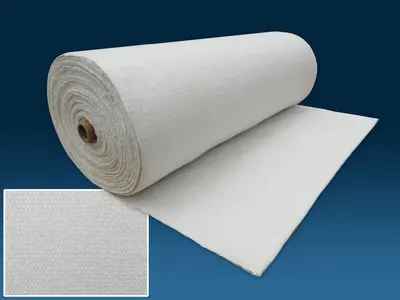
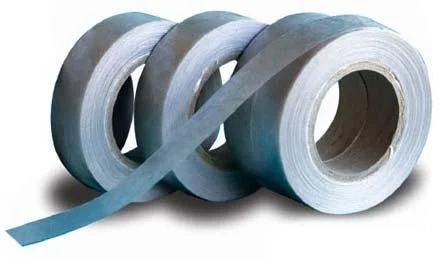
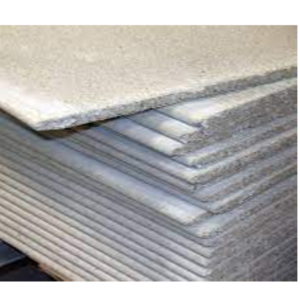
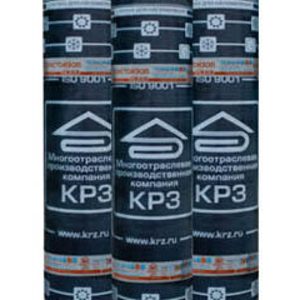
The catalogue lists Bmz020 non‑alkali glass fiber surface mat and its # variant, which are E‑glass fiber mats treated to resist alkaline environments. In the fiberglass industry, surface mats are commonly supplied in rolls of 1 m width, with weights ranging from 200 g/m² to 350 g/m² and thicknesses between 0.5 mm and 1.2 mm. Tensile strength for such mats typically lies between 300 MPa and 500 MPa, and moisture content is kept below 0.5 % to ensure dimensional stability. Polyurethane resins Ja202# and Ja204# fall under the class of two‑component systems used for high‑strength bonding and composite curing; standard specifications include viscosity at 25 °C between 200 cP and 800 cP, isocyanate index of 100 ± 5, and tensile strength of 30 MPa to 50 MPa after cure. The unsaturated resin is usually a polyester or vinyl ester system offering gel times of 5‑15 minutes at 25 °C and a typical glass transition temperature (Tg) above 80 °C. These generic grades match the specifications most aerospace and high‑performance manufacturers request when qualifying new material sources.
Trade and Export Information - Shenzhen Hongye Jie Aerospace New Material Co., Ltd.
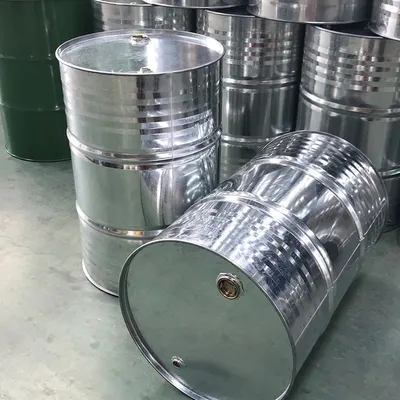
Glass‑fiber mats are classified under HS chapter 70 (glass and glass products) and polymer resins under chapter 38 (organic chemicals). Chinese exporters of these categories regularly ship to Europe, North America, and the Asia‑Pacific region, where aerospace, automotive, and wind‑energy sectors are major importers. Buyers typically require compliance with ISO 9001 quality management, REACH registration for chemical safety, and, for aerospace applications, aerospace‑specific standards such as AMS‑QQ‑A‑200. Shipping is commonly arranged in 20‑ft or 40‑ft containers; mats are rolled and shrink‑wrapped, while resins are packed in 200 L steel drums or 25 kg IBCs. Standard Incoterms used by Chinese suppliers include FOB Shenzhen or CIF major ports such as Shanghai, allowing buyers to plan customs clearance and inland transport. Export documentation generally includes a commercial invoice, packing list, certificate of origin, and material safety data sheet (MSDS) for the chemicals.
Sourcing from Shenzhen Hongye Jie Aerospace New Material Co., Ltd. - Buyer Guidance
When sourcing the Bmz020 glass fiber mat, request a product data sheet that lists weight per square metre, thickness, tensile strength, and moisture content. For the polyurethane and unsaturated resins, ask for viscosity curves, gel time at 25 °C, isocyanate index, and batch‑specific test reports confirming tensile strength and Tg. Buyers should also obtain the supplier’s ISO 9001 certificate and a REACH compliance statement for the chemical products; these documents help verify that the material meets European safety regulations. Verify packaging integrity - mats should arrive on pallets with protective film, and drums should be sealed with tamper‑evident caps and include an MSDS. Before placing a large order, it is prudent to request a small trial quantity to run mechanical and environmental tests that align with the buyer’s internal specifications.
Frequently Asked Questions About Shenzhen Hongye Jie Aerospace New Material Co., Ltd.
What types of glass fiber mats does Shenzhen Hongye Jie offer?
The supplier lists two non‑alkali glass fiber surface mats, identified as Bmz020 and Bmz020#. They are typical E‑glass reinforcement mats designed for composite lay‑up and are usually supplied in rolls with standard widths of 1 m.
What are the typical specifications for the listed polyurethane resins?
Ja202# and Ja204# are two‑component polyurethane systems. Standard industry data include viscosity between 200 cP and 800 cP at 25 °C, an isocyanate index around 100 ± 5, and cured tensile strength in the range of 30‑50 MPa.
Is an unsaturated resin included in the catalogue?
Yes, the catalogue includes a generic unsaturated resin, which is commonly a polyester or vinyl‑ester formulation with gel times of 5‑15 minutes and a glass transition temperature above 80 °C.
Which HS chapters apply to these products?
Glass fiber mats fall under HS chapter 70 (glass and glass products) and the polyurethane and unsaturated resins fall under HS chapter 38 (organic chemicals).
What certifications should a buyer request?
Buyers should request the supplier’s ISO 9001 quality‑management certificate and a REACH compliance statement for the resin products. Additional aerospace‑specific certifications may be required depending on the end use.
What are typical packaging methods for the mats and resins?
The mats are normally shipped rolled and shrink‑wrapped on pallets, while the resins are packed in 200 L steel drums or 25 kg IBCs, each accompanied by a material safety data sheet.
What are common incoterms used for shipping from China?
Exporters from China frequently use FOB Shenzhen or CIF Shanghai for these material categories, allowing buyers to arrange inland freight and customs clearance.
What documentation accompanies a shipment?
Standard documents include a commercial invoice, packing list, certificate of origin, material safety data sheet, and any requested test reports or compliance certificates.




 , China