Sharp Enterprises — Verified Supplier
About Sharp Enterprises - Vegetable Powder Supplier in India
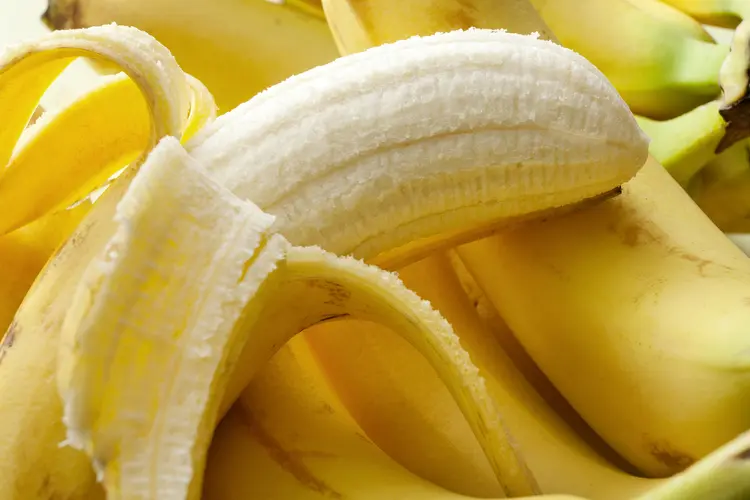
Sharp Enterprises is based in India and lists 26 active products that span vegetable powders, fruit powders, dehydrated onion and garlic, ginger products, and select herbal items. The catalogue includes items such as Dehydrated Red Onion Chopped, Garlic Powder, Carrot Powder, Fresh Dehydrated Fried Onion Flakes, Ginger Flakes, Guava Powder, Lemon Powder, Mango Powder, Mint Powder, Pineapple Powder, Pomegranate Powder, Potato Flakes, Red Onion Powder, White Onion Flakes, White Onion Powder, Banana Powder, Beet Root Powder, Carrot Flakes, Green Chilli, Lychee Powder, Mint Leaves, Strawberry Powder, Tomato Flakes and Tomato Powder. Among these, Banana Powder is the only product with a disclosed HS code - 1106.30 - and is described as 100 % natural dried banana (Musa acuminata) with no additives. The remaining items are listed without HS‑code details, reflecting the supplier’s current public catalogue.
Product Range and Specialties of Sharp Enterprises
The product list focuses on dried and powdered forms of vegetables, fruits, and spices, a segment where moisture content is typically kept below 8 % to ensure shelf stability, and particle size is often controlled to 150‑250 µm for uniform re‑hydration. In the vegetable‑powder market, grades such as ICUMSA 45 apply to sugar‑based blends, while for fruit powders common specifications include a minimum of 95 % fruit solids, low ash content and absence of added preservatives. Indian exporters of dehydrated onion and garlic frequently offer both coarse flakes (approximately 3‑5 mm) and fine powders (≤250 µm) to meet the needs of spice manufacturers and ready‑to‑eat food processors. Ginger products are usually supplied in both flakes and fine powder forms, with typical gingerol content above 3 % for functional food applications.
Trade and Export Information - Sharp Enterprises
India is a major global source of dried vegetable and fruit powders, with the EU, United States, Middle East and Southeast Asian markets accounting for the largest import volumes. HS Chapter 11 (particularly 1106 for vegetables and fruit preparations) governs most of the listed items, and customs authorities in destination countries often require a Certificate of Origin, a full commercial invoice and, where applicable, a phytosanitary certificate. Buyers generally expect compliance with food‑safety certifications such as ISO 9001, HACCP or FSSC 22000, even if the supplier does not explicitly list them. Shipping is typically arranged in 20‑ft or 40‑ft containers using food‑grade laminated pouches or PET jars, with moisture‑proof inner liners to preserve product quality during transit.
Sourcing from Sharp Enterprises - Buyer Guidance
When sourcing from Sharp Enterprises, buyers should request a detailed specification sheet that confirms moisture level, particle size distribution, microbiological limits (e.g., total plate count < 10 000 CFU/g, coliform < 10 CFU/g, Salmonella absent) and pesticide residue analysis in line with EU maximum residue limits. A Certificate of Analysis for each batch, together with any available ISO or HACCP audit reports, should be obtained before confirming an order. Typical minimum order quantities for powder products range from 500 kg to 1 ton per SKU, and lead times of 30‑45 days are common for bulk production and packaging.
Frequently Asked Questions About Sharp Enterprises
What types of powders does Sharp Enterprises offer?
The catalogue includes vegetable powders (e.g., carrot, beet root, tomato), fruit powders (e.g., guava, mango, pineapple, strawberry), dehydrated onion and garlic flakes, ginger flakes and powder, and herbal powders such as mint and pomegranate.
Is Banana Powder covered by an HS code?
Yes, Banana Powder is listed with HS code 1106.30 and is described as 100 % natural dried banana without additives.
Which certifications should a buyer request?
Buyers should ask for ISO 9001, HACCP or FSSC 22000 audit reports, a Certificate of Analysis, and, if required by the destination market, a phytosanitary certificate.
What are typical packaging options for these powders?
Common packaging includes food‑grade laminated multi‑layer pouches (e.g., 1 kg, 5 kg bags) and PET jars ranging from 500 g to 25 kg, all sealed to protect against moisture.
What is the usual minimum order quantity?
Minimum order quantities are generally between 500 kg and 1 ton per product, depending on the specific powder and packaging format.
How long does it take to fulfill an order?
Standard lead times are 30‑45 days from order confirmation to shipment, allowing time for production, quality testing and packaging.
Which markets commonly import these Indian powders?
The European Union, United States, Middle East and Southeast Asian countries are the primary importers of Indian vegetable and fruit powders.
What documentation is needed for customs clearance?
A commercial invoice, packing list, Certificate of Origin and, where applicable, a phytosanitary certificate and product test reports are typically required for customs clearance.




 , India