Agriculture›
 Apparel and fashion accessories›
 Construction & real estate›💡Electronic & Electrical›🍎Food & Beverages›🛋️Home furnishing & supplies›⚗️Industrial goods & chemical›🪨Minerals & metals›📦Miscellaneous›Agriculture›Apparel and fashion accessories›Construction & real estate›💡Electronic & Electrical›🍎Food & Beverages›🛋️Home furnishing & supplies›⚗️Industrial goods & chemical›🪨Minerals & metals›📦Miscellaneous›
Shanxi Chuangpu Pipe Mould Co., Ltd.
⚓ Harbor , ChinaNew supplier / no reviews yet
Shanxi Chuangpu Pipe Mould Co., Ltd. Product Catalog
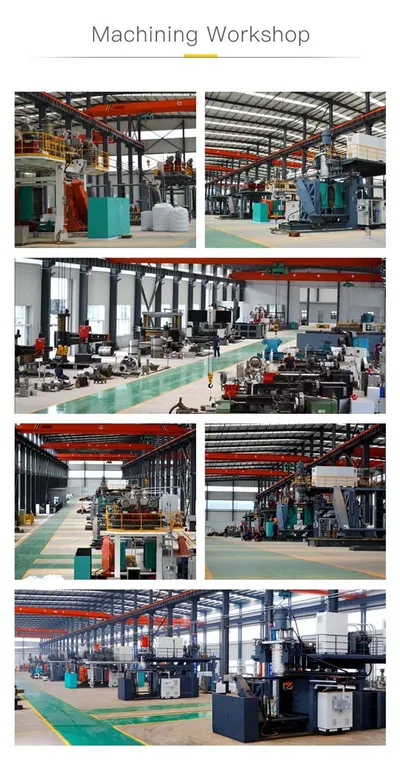
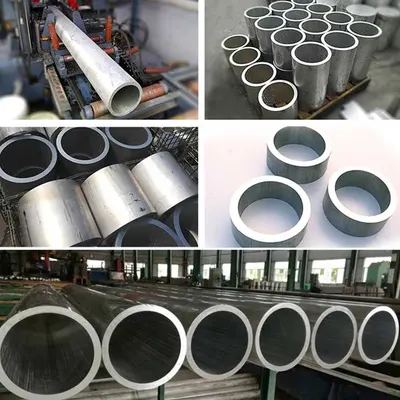
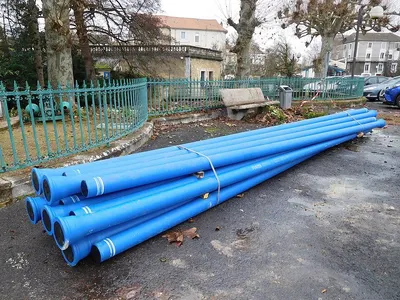
About Shanxi Chuangpu Pipe Mould Co., Ltd. - Iron Pipes Supplier in China
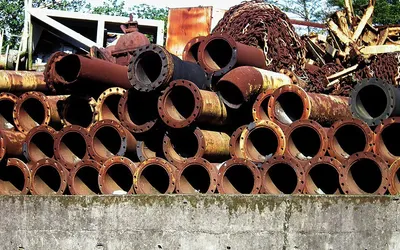
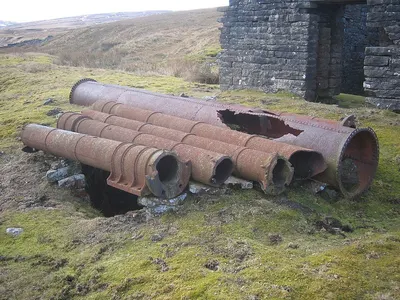
Shanxi Chuangpu Pipe Mould Co., Ltd. is based in Shanxi province, China and currently lists six active products in its catalogue. All items belong to the iron pipe sector, specifically moulds used for producing ductile and cast iron pipe sections. The catalogue entries fall under HS chapter 84 (machine tools) and chapter 84.80 (metal forming moulds), with codes ranging from 8454.30 to 8480.60. The supplier’s product set includes both centrifugal and forging mould designs, covering pipe diameters commonly used in water, gas and sewage networks. Each mould is described with its designated material grade, indicating the use of chromium‑molybdenum alloy steels. The listed products are targeted at manufacturers that require high‑strength moulds for large‑scale pipe casting operations.
The “Centrifugal Ductile Iron Pipe Mould” (HS 8454.30) is fabricated from 21CrMo10 alloy steel, a low‑alloy steel offering good toughness at elevated temperatures. The “Centrifugal Cast Iron Drain Pipe Mould” (HS 8480.41) uses 30CrMo chromium‑molybdenum alloy steel, a material suitable for high‑pressure casting. The “Ductile Iron Spun Pipe Mould” (HS 8480.30) and the “Centrifugal Casting Iron Pipe Molds” (HS 8480.60) are both specified with 21CrMo10 low‑alloy steel, a common choice for moulds requiring wear resistance. The “Ductile Iron Pipe Centrifugal Casting Mould” (HS 8480.10) and the “Centrifugal Forging Ductile Iron Pipe Mould” (HS 8480.41) also rely on 21CrMo10 alloy variants, indicating a consistent material strategy across the range. These HS codes place the products in the “metalworking machinery” and “moulds for metal casting” tariff categories, which are subject to standard customs documentation for steel‑based equipment. The catalogue does not disclose production capacity, but the material specifications align with industry practice for high‑volume pipe manufacturing.
Product Range and Specialties of Shanxi Chuangpu Pipe Mould Co., Ltd.
The catalogue enumerates six iron‑pipe moulds: a centrifugal ductile‑iron pipe mould (HS 8454.30), a centrifugal cast‑iron drain pipe mould (HS 8480.41), a ductile‑iron spun pipe mould (HS 8480.30), centrifugal casting iron pipe molds (HS 8480.60), a ductile‑iron pipe centrifugal casting mould (HS 8480.10) and a centrifugal forging ductile‑iron pipe mould (HS 8480.41). All six items are described with their specific alloy‑steel composition, such as 21CrMo10 or 30CrMo, which are standard chromium‑molybdenum grades used for high‑temperature casting tools.
In the broader pipe‑mould market, buyers typically look for moulds that meet ISO 2531 pipe‑grade specifications (e.g., PN10‑PN25 pressure classes) and conform to ASTM A536 for ductile iron. Chromium‑molybdenum steels like 21CrMo10 provide tensile strengths around 800 MPa and hardness suitable for repeated thermal cycling. Moulds are often designed with surface‑finish tolerances of ≤0.2 mm and casting cavity tolerances of ±0.5 mm to ensure dimensional accuracy of the final pipe. Standard product families under HS 8480 include centrifugal casting moulds for diameters from 100 mm up to 1200 mm, while forging moulds are used for high‑pressure, high‑strength pipe sections. Buyers also consider the mould’s cooling channel layout and the ability to incorporate interchangeable cores for different pipe wall thicknesses.
Frequently Asked Questions About Shanxi Chuangpu Pipe Mould Co., Ltd.
What product categories does Shanxi Chuangpu provide?
The supplier lists six mould types for iron pipe production, including centrifugal ductile‑iron pipe moulds, centrifugal cast‑iron drain pipe moulds, spun pipe moulds, and forging moulds, each classified under HS codes 8454.30, 8480.10‑8480.60.
Which material grades are used for the moulds?
All six moulds are manufactured from chromium‑molybdenum alloy steels, specifically 21CrMo10 (in low‑alloy, high‑chromium and high‑molybdenum variants) and 30CrMo, which are standard in the industry for high‑temperature casting durability.
What HS codes apply to these products?
The moulds fall under HS chapter 84, with individual codes 8454.30 for the centrifugal ductile‑iron pipe mould, and 8480.10, 8480.30, 8480.41, and 8480.60 for the various centrifugal and forging moulds.
What certifications should a buyer request?
Buyers typically ask for an ISO 9001 quality‑management certificate, material test certificates for the alloy steel, and any CE or national conformity documents required by the importing country.
How are the moulds usually packaged for export?
Standard practice is to pack each mould in a steel‑reinforced wooden crate, seal it with waterproof film, and load the crates into 20‑foot or 40‑foot containers; a packing list and weight certificate accompany the shipment.
ChinaRelated Suppliers & Products
Explore similar suppliers, related products and trending categories