Shah — Verified Supplier
About Shah - Precious & Semi Precious Stones Supplier in India
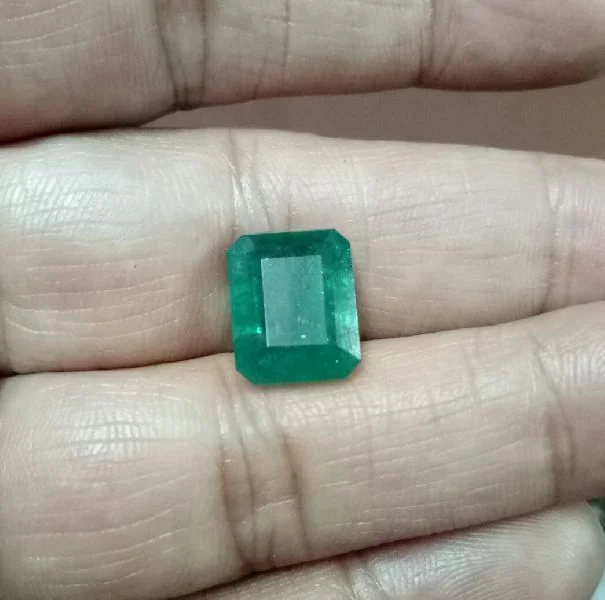
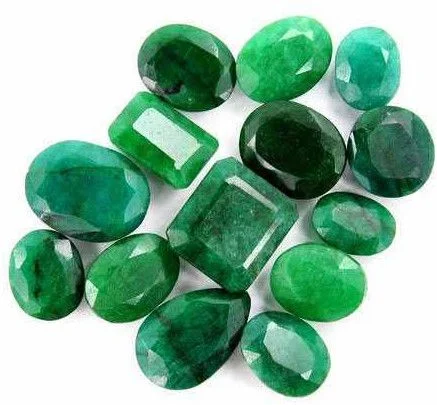
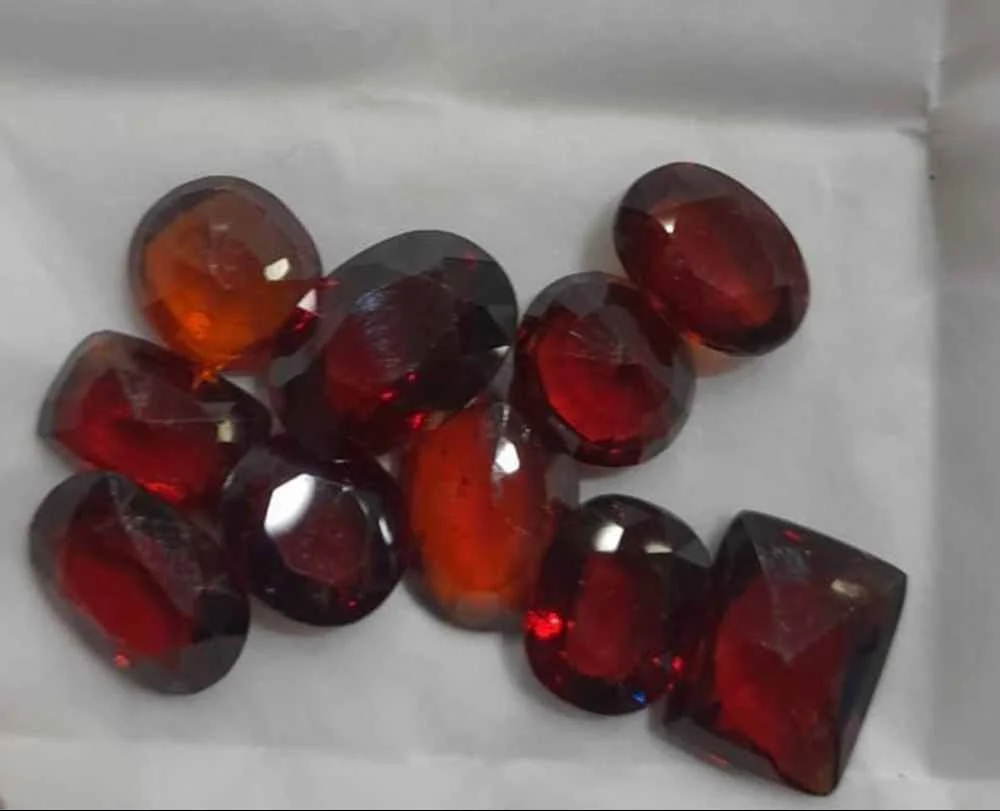
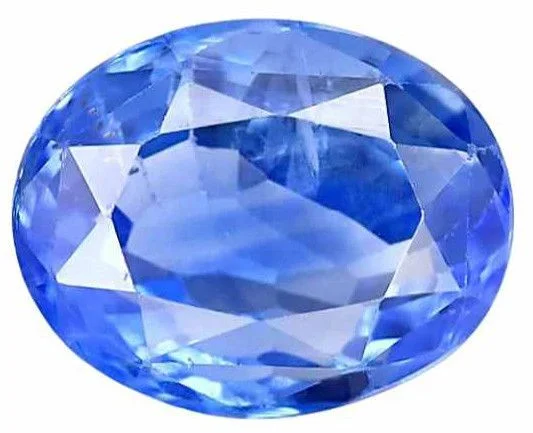
Shah operates from India and currently lists six distinct gemstone products in its catalogue. The supplier’s primary focus lies within the Precious & Semi‑Precious Stones segment, with a particular emphasis on emerald varieties classified under the Panna category. The catalogue includes natural emerald sourced from Zambia, a natural green chrysocolla weighing 61.50 carats, an emerald‑cut ruby, ruby stones intended for ring settings, loose natural tanzanite, and aquamarine gemstones for jewelry applications. Each item is presented without accompanying HS‑code data, indicating that buyers must verify the appropriate tariff classification during the procurement process. The product list reflects a range of colors and cuts that are typical for high‑value gemstone trading.
Product Range and Specialties of Shah
The catalogue features natural emerald from Zambia, a 61.50‑carat green chrysocolla, an emerald‑cut ruby, ruby stones for rings, loose natural tanzanite, and aquamarine intended for jewelry settings. In the gemstone trade, emeralds are commonly graded on the GIA color scale (D‑F) and clarity grades ranging from VS1 to IF, with typical carat sizes between 0.5 and 5.0 ct for loose stones. Rubies are evaluated on color saturation (often described as ‘pigeon‑blood’) and clarity, with standard cuts such as emerald, round, or cushion. Chrysocolla, tanzanite, and aquamarine are usually sold as loose, untreated stones, and buyers often request spectroscopic verification of tanzanite’s characteristic absorption band around 450 nm. Industry practice also includes providing gem‑ological reports that document origin, treatments, and any inclusions, which align with the product types listed by Shah.
Trade and Export Information - Shah
India is a major exporter of precious and semi‑precious stones, with the United States, United Arab Emirates, Hong Kong, and European Union countries representing the largest import markets. HS Chapter 71 (HS codes 7101‑7103) covers uncut and cut gemstones, and buyers should confirm the exact HS sub‑heading for each stone during customs clearance. Commonly required certifications for these categories include GIA or IGI gemological reports, country of origin certificates, and, where applicable, treatment disclosure statements. Standard export logistics involve packing stones in padded, moisture‑controlled boxes within wooden crates, often shipped under FOB or CIF terms from major Indian ports such as Mumbai or Chennai. Buyers should also be aware of the International Trade Centre’s guidelines on gemstone valuation and the need for accurate declaration to avoid delays at customs.
Sourcing from Shah - Buyer Guidance
When sourcing from Shah, buyers should request a GIA or IGI gemological report for each stone to verify carat weight, color grade, clarity, and any treatments. An origin certificate confirming that the emerald originates from Zambia, the tanzanite from Tanzania, and other stones from their stated sources is standard due‑diligence. Samples are typically provided in sealed, tamper‑evident pouches, and buyers often set a minimum order of 5 carats per gemstone type to justify testing costs. Lead times for untreated natural stones range from two to four weeks after order confirmation, depending on availability and required documentation. Packaging should include individual soft pouches within a double‑wall cardboard box, with the outer container labeled for HS Chapter 71 compliance.
Frequently Asked Questions About Shah
What types of gemstones does Shah list in its catalogue?
Shah lists natural Zambian emerald, a 61.50‑carat green chrysocolla, an emerald‑cut ruby, ruby stones for ring making, loose natural tanzanite, and loose aquamarine.
How many distinct gemstone products are currently active?
The supplier’s catalogue contains six active gemstone products.
Are the listed gemstones treated or natural?
All items are described as natural stones; buyers should request treatment disclosure statements to confirm the status.
Which documentation should a buyer request before purchase?
Buyers should obtain a gemological report (GIA/IGI), an origin certificate, and, where relevant, a treatment disclosure statement for each stone.
What is the typical packaging method for these gemstones?
Standard practice is to place each stone in a soft, tamper‑evident pouch, then pack the pouches in a double‑wall cardboard box within a wooden crate for sea freight.
Which HS code family applies to Shah’s products?
Gemstones fall under HS Chapter 71, which includes codes 7101‑7103 for cut and polished precious stones and 7102 for semi‑precious stones.
What are common export markets for Indian gemstone suppliers?
Major import destinations include the United States, United Arab Emirates, Hong Kong, and European Union countries such as Germany and the United Kingdom.
What are typical minimum order quantities and lead times?
Buyers often encounter minimum orders of about 5 carats per stone type, with lead times of two to four weeks after order confirmation and receipt of required documentation.




 , India