Satara Exports — Verified Supplier

About Satara Exports - Handicrafts & Decorative Supplier in India

Satara Exports is based in India and currently lists 22 active products. The catalogue covers items classified under Other Handicrafts & Decorative, Flower Pots & Vases, Gifts & Decorative, Other Coir Products, Ropes & Twines, Coco Peat & Coir Pith, Disposable Cutlery, and Organic Fertilizers. Products include areca leaf plates and bowls, Jaipur blue pottery, various coir pots, coir fibre ropes, coco peat blocks, vermicompost, and coconut shell articles. Each product is grouped under the relevant HS chapter for handicrafts (chapter 96) or agricultural products (chapter 24). The supplier’s trust tier is listed as harbor, indicating a moderate level of verification on the platform.

The product list features both biodegradable tableware such as areca leaf plates and bowls, and traditional ceramic items like Jaipur blue pottery vases. Coir‑based offerings range from pots and grow bags to scrub pads and twisted ropes, while organic fertiliser entries comprise vermicompost and processed coir pith. The assortment reflects common export categories from India where natural fibre and handcrafted ceramic goods are produced in small to medium workshops. No specific certifications are recorded for Satara Exports, so buyers should confirm any required compliance documentation before purchase.

Product Range and Specialties of Satara Exports

The catalogue enumerates 22 distinct items: Areca Leaf Plate, Areca Leaf Bowl, Jaipur Blue Pottery, Blue Pottery Vases, assorted Jars & Bowls, Cups/Mugs/Tray, Dishes & Plates, Coir Pots, Coir Scrubber, Coir Fibre Rope, Coco Shell Articles, Curled Coir Fibre Rope, Coco Peat Blocks, Coir Pith Grow Bags, Vermicompost, Cocopeat Block, Coir Fibre Pots, Coir Scrubber Pad, Coconut Shell Articles, Organic Fertilizer (Vermicompost), Blue Pottery, and Areca Palm Leaf Plates and Bowls. These products fall into two broad material groups: natural fibre (coir, areca leaf, coconut shell) and ceramic/earthenware.

In the handicraft sector, areca leaf tableware is typically graded by thickness (0.25‑0.35 mm) and moisture content below 12 %, meeting ASTM D6400 for compostability. Coir products such as pots and ropes are usually specified by tensile strength (30‑45 MPa) and fibre length (10‑15 mm). Ceramic items like Jaipur blue pottery are evaluated for glaze hardness (Mohs 5‑6) and colour consistency under ISO 1302. Buyers often request test reports for biodegradability, heavy‑metal limits (≤0.01 % lead, ≤0.01 % cadmium), and size‑uniformity before bulk orders.

Trade and Export Information - Satara Exports

India exports natural‑fibre handicrafts and ceramic goods primarily to the United States, European Union, Middle East, and Southeast Asian markets. HS chapter 96 covers most of the decorative pottery and tableware, while HS chapter 44 and 24 are used for coir products and organic fertilisers respectively. Importers commonly require certifications such as ISO 9001 for quality management, ISO 14001 for environmental compliance, and, where applicable, FSC or Fair Trade verification for natural fibre items. Packaging for fragile ceramic pieces typically involves double‑wall cardboard and polyethylene foam, whereas coir items are packed in bulk polypropylene bags or 20‑ft containers with moisture‑barrier liners.

Logistical norms include FOB or CIF terms, with containers loaded in major Indian ports such as Mumbai and Chennai. Regulatory checks often involve phytosanitary certificates for coir and organic fertiliser shipments, and CE marking or REACH compliance for ceramic items destined for the EU. Indian exporters of these categories benefit from the government’s Handicrafts Promotion Scheme, which supports compliance with international standards and facilitates smoother customs clearance.

Sourcing from Satara Exports - Buyer Guidance

When evaluating Satara Exports, buyers should request product samples that include dimensional drawings, weight per unit, and material composition statements. Test reports for biodegradability (ASTM D6400), heavy‑metal content (ISO 11469), and tensile strength for ropes are standard documents that help verify quality. Because no certifications are listed for the supplier, purchasers are advised to ask for ISO 9001 or ISO 14001 certificates if the buyer’s market mandates them, and to confirm that phytosanitary certificates accompany any coir or organic fertiliser shipments.

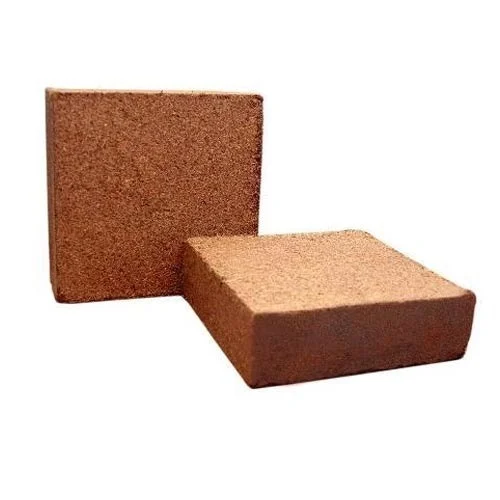
Prior to order confirmation, verify the supplier’s production capacity for bulk items such as coco peat blocks (typically supplied in 25 kg bags) and ceramic vases (often shipped in sets of 10‑20 per container). Clarify minimum order quantities, which for handcrafted pottery can be 100 pieces per design, while coir rope rolls may have a MOQ of 500 kg. Confirm packaging specifications, labeling requirements, and the intended Incoterm to align with the buyer’s logistics chain.

Frequently Asked Questions About Satara Exports

What product categories does Satara Exports list?

The supplier lists items under Handicrafts & Decorative, Flower Pots & Vases, Gifts & Decorative, Other Coir Products, Ropes & Twines, Coco Peat & Coir Pith, Disposable Cutlery, and Organic Fertilizers, totaling 22 distinct products.

Are there any certifications shown for Satara Exports?

No certifications are recorded in the provided facts; buyers should request any required ISO, FSC, or phytosanitary certificates directly from the supplier.

Which HS chapters are relevant for the listed products?

Handicraft ceramic items fall under HS chapter 96, coir‑based products and organic fertilisers are generally classified in chapters 44 and 24 respectively.

What typical specifications should a buyer check for areca leaf tableware?

Buyers usually verify plate thickness (0.25‑0.35 mm), moisture content below 12 %, and compliance with ASTM D6400 for compostability.

How are coir ropes typically graded?

Coir fibre ropes are commonly graded by tensile strength (30‑45 MPa) and fibre length (10‑15 mm), with test reports provided for each batch.

What documentation is needed for exporting organic fertiliser from India?

A phytosanitary certificate, a declaration of organic content, and any applicable ISO 14001 or local organic certification should be obtained before shipment.

What are the usual packaging methods for the ceramic products?

Ceramic vases and pottery are usually packed in double‑wall cardboard boxes with interior foam inserts, and labeled with handling instructions to prevent breakage.

Which markets commonly import the types of goods offered by Satara Exports?

Key import markets include the United States, European Union countries, the United Arab Emirates, and Southeast Asian nations such as Singapore and Malaysia.


Featured Products from this Supplier

Other Suppliers in Primary Category

Top Trusted Suppliers

Related Products

Trending in Parent Category

More Suppliers in Category

Related Products

Other Suppliers

EximNext
58.4K+ live requirements
Register Free🎁 5 free buy-lead credits
Post Requirement
🌍 Trusted by 224.3K+ businesses in 200+ countries|
58.4K+ active requirements right now
✉️ [email protected]
|
Sell on EximNextPost Requirement
EximNext
AgricultureApparelConstructionElectronicFoodHomeIndustrialMineralsMiscellaneous
🔥 Deals|✨ AI Match|🏭 Suppliers|📋 Buy Leads|💰 Trade Finance|⭐ Upgrade
58.4K+ live RFQs·194.4K+ suppliers
🎁 5 free credits →
EximNext
EximNext
Register Free
🎁 5 free buy-lead credits
Sign In
📋Post Requirement💬Get QuotesAI Match📋RFQ Marketplace
All Categories
Services & Tools
🏭Supplier Directory🔥Today's Deals💰Trade FinanceMembership
Sell on EximNext
AboutContactBlogHelp
🏭

Satara Exports

Harbor
Country flag , India
🛡️
77/100
Trust Score

Satara Exports Product Catalog

Showing 12 of 22 products
View all products →
Curled Coir Fibre Rope
Harbor
Curled Coir Fibre Rope
Contact
MOQ: 1 Unit
Areca Palm Leaf Plates and Bowls
Harbor
Areca Palm Leaf Plates and Bowls
Contact
MOQ: 1 Unit
Blue Pottery
Harbor
Blue Pottery
Contact
MOQ: 1 Unit
Organic Fertilizer (Vermicompost)
Harbor
Organic Fertilizer (Vermicompost)
Contact
MOQ: 1 Unit
Coconut Shell Articles
Harbor
Coconut Shell Articles
Contact
MOQ: 1 Unit
Coir Scrubber Pad
Harbor
Coir Scrubber Pad
Contact
MOQ: 1 Unit
Coir Fibre Pots
Harbor
Coir Fibre Pots
Contact
MOQ: 1 Unit
Cocopeat Block
Harbor
Cocopeat Block
Contact
MOQ: 1 Unit
Vermicompost
Harbor
Vermicompost
Contact
MOQ: 1 Unit
Coir Pith Grow Bags
Harbor
Coir Pith Grow Bags
Contact
MOQ: 1 Unit
Coco Peat Blocks
Harbor
Coco Peat Blocks
Contact
MOQ: 1 Unit
Areca Leaf Plate
Harbor
Areca Leaf Plate
Contact
MOQ: 1 Unit

About Satara Exports - Handicrafts & Decorative Supplier in India

Satara Exports is based in India and currently lists 22 active products. The catalogue covers items classified under Other Handicrafts & Decorative, Flower Pots & Vases, Gifts & Decorative, Other Coir Products, Ropes & Twines, Coco Peat & Coir Pith, Disposable Cutlery, and Organic Fertilizers. Products include areca leaf plates and bowls, Jaipur blue pottery, various coir pots, coir fibre ropes, coco peat blocks, vermicompost, and coconut shell articles. Each product is grouped under the relevant HS chapter for handicrafts (chapter 96) or agricultural products (chapter 24). The supplier’s trust tier is listed as harbor, indicating a moderate level of verification on the platform.

The product list features both biodegradable tableware such as areca leaf plates and bowls, and traditional ceramic items like Jaipur blue pottery vases. Coir‑based offerings range from pots and grow bags to scrub pads and twisted ropes, while organic fertiliser entries comprise vermicompost and processed coir pith. The assortment reflects common export categories from India where natural fibre and handcrafted ceramic goods are produced in small to medium workshops. No specific certifications are recorded for Satara Exports, so buyers should confirm any required compliance documentation before purchase.

Product Range and Specialties of Satara Exports

The catalogue enumerates 22 distinct items: Areca Leaf Plate, Areca Leaf Bowl, Jaipur Blue Pottery, Blue Pottery Vases, assorted Jars & Bowls, Cups/Mugs/Tray, Dishes & Plates, Coir Pots, Coir Scrubber, Coir Fibre Rope, Coco Shell Articles, Curled Coir Fibre Rope, Coco Peat Blocks, Coir Pith Grow Bags, Vermicompost, Cocopeat Block, Coir Fibre Pots, Coir Scrubber Pad, Coconut Shell Articles, Organic Fertilizer (Vermicompost), Blue Pottery, and Areca Palm Leaf Plates and Bowls. These products fall into two broad material groups: natural fibre (coir, areca leaf, coconut shell) and ceramic/earthenware.

In the handicraft sector, areca leaf tableware is typically graded by thickness (0.25‑0.35 mm) and moisture content below 12 %, meeting ASTM D6400 for compostability. Coir products such as pots and ropes are usually specified by tensile strength (30‑45 MPa) and fibre length (10‑15 mm). Ceramic items like Jaipur blue pottery are evaluated for glaze hardness (Mohs 5‑6) and colour consistency under ISO 1302. Buyers often request test reports for biodegradability, heavy‑metal limits (≤0.01 % lead, ≤0.01 % cadmium), and size‑uniformity before bulk orders.

Trade and Export Information - Satara Exports

India exports natural‑fibre handicrafts and ceramic goods primarily to the United States, European Union, Middle East, and Southeast Asian markets. HS chapter 96 covers most of the decorative pottery and tableware, while HS chapter 44 and 24 are used for coir products and organic fertilisers respectively. Importers commonly require certifications such as ISO 9001 for quality management, ISO 14001 for environmental compliance, and, where applicable, FSC or Fair Trade verification for natural fibre items. Packaging for fragile ceramic pieces typically involves double‑wall cardboard and polyethylene foam, whereas coir items are packed in bulk polypropylene bags or 20‑ft containers with moisture‑barrier liners.

Logistical norms include FOB or CIF terms, with containers loaded in major Indian ports such as Mumbai and Chennai. Regulatory checks often involve phytosanitary certificates for coir and organic fertiliser shipments, and CE marking or REACH compliance for ceramic items destined for the EU. Indian exporters of these categories benefit from the government’s Handicrafts Promotion Scheme, which supports compliance with international standards and facilitates smoother customs clearance.

Sourcing from Satara Exports - Buyer Guidance

When evaluating Satara Exports, buyers should request product samples that include dimensional drawings, weight per unit, and material composition statements. Test reports for biodegradability (ASTM D6400), heavy‑metal content (ISO 11469), and tensile strength for ropes are standard documents that help verify quality. Because no certifications are listed for the supplier, purchasers are advised to ask for ISO 9001 or ISO 14001 certificates if the buyer’s market mandates them, and to confirm that phytosanitary certificates accompany any coir or organic fertiliser shipments.

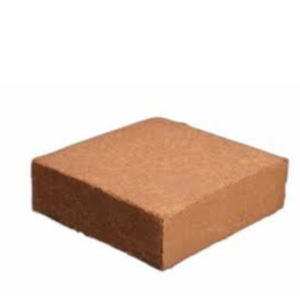
Prior to order confirmation, verify the supplier’s production capacity for bulk items such as coco peat blocks (typically supplied in 25 kg bags) and ceramic vases (often shipped in sets of 10‑20 per container). Clarify minimum order quantities, which for handcrafted pottery can be 100 pieces per design, while coir rope rolls may have a MOQ of 500 kg. Confirm packaging specifications, labeling requirements, and the intended Incoterm to align with the buyer’s logistics chain.

Frequently Asked Questions About Satara Exports

What product categories does Satara Exports list?

The supplier lists items under Handicrafts & Decorative, Flower Pots & Vases, Gifts & Decorative, Other Coir Products, Ropes & Twines, Coco Peat & Coir Pith, Disposable Cutlery, and Organic Fertilizers, totaling 22 distinct products.

Are there any certifications shown for Satara Exports?

No certifications are recorded in the provided facts; buyers should request any required ISO, FSC, or phytosanitary certificates directly from the supplier.

Which HS chapters are relevant for the listed products?

Handicraft ceramic items fall under HS chapter 96, coir‑based products and organic fertilisers are generally classified in chapters 44 and 24 respectively.

What typical specifications should a buyer check for areca leaf tableware?

Buyers usually verify plate thickness (0.25‑0.35 mm), moisture content below 12 %, and compliance with ASTM D6400 for compostability.

How are coir ropes typically graded?

Coir fibre ropes are commonly graded by tensile strength (30‑45 MPa) and fibre length (10‑15 mm), with test reports provided for each batch.

What documentation is needed for exporting organic fertiliser from India?

A phytosanitary certificate, a declaration of organic content, and any applicable ISO 14001 or local organic certification should be obtained before shipment.

What are the usual packaging methods for the ceramic products?

Ceramic vases and pottery are usually packed in double‑wall cardboard boxes with interior foam inserts, and labeled with handling instructions to prevent breakage.

Which markets commonly import the types of goods offered by Satara Exports?

Key import markets include the United States, European Union countries, the United Arab Emirates, and Southeast Asian nations such as Singapore and Malaysia.

About Satara Exports - Handicrafts & Decorative Supplier in India

Satara Exports is based in India and currently lists 22 active products. The catalogue covers items classified under Other Handicrafts & Decorative, Flower Pots & Vases, Gifts & Decorative, Other Coir Products, Ropes & Twines, Coco Peat & Coir Pith, Disposable Cutlery, and Organic Fertilizers. Products include areca leaf plates and bowls, Jaipur blue pottery, various coir pots, coir fibre ropes, coco peat blocks, vermicompost, and coconut shell articles. Each product is grouped under the relevant HS chapter for handicrafts (chapter 96) or agricultural products (chapter 24). The supplier’s trust tier is listed as harbor, indicating a moderate level of verification on the platform.

The product list features both biodegradable tableware such as areca leaf plates and bowls, and traditional ceramic items like Jaipur blue pottery vases. Coir‑based offerings range from pots and grow bags to scrub pads and twisted ropes, while organic fertiliser entries comprise vermicompost and processed coir pith. The assortment reflects common export categories from India where natural fibre and handcrafted ceramic goods are produced in small to medium workshops. No specific certifications are recorded for Satara Exports, so buyers should confirm any required compliance documentation before purchase.

Product Range and Specialties of Satara Exports

The catalogue enumerates 22 distinct items: Areca Leaf Plate, Areca Leaf Bowl, Jaipur Blue Pottery, Blue Pottery Vases, assorted Jars & Bowls, Cups/Mugs/Tray, Dishes & Plates, Coir Pots, Coir Scrubber, Coir Fibre Rope, Coco Shell Articles, Curled Coir Fibre Rope, Coco Peat Blocks, Coir Pith Grow Bags, Vermicompost, Cocopeat Block, Coir Fibre Pots, Coir Scrubber Pad, Coconut Shell Articles, Organic Fertilizer (Vermicompost), Blue Pottery, and Areca Palm Leaf Plates and Bowls. These products fall into two broad material groups: natural fibre (coir, areca leaf, coconut shell) and ceramic/earthenware.

In the handicraft sector, areca leaf tableware is typically graded by thickness (0.25‑0.35 mm) and moisture content below 12 %, meeting ASTM D6400 for compostability. Coir products such as pots and ropes are usually specified by tensile strength (30‑45 MPa) and fibre length (10‑15 mm). Ceramic items like Jaipur blue pottery are evaluated for glaze hardness (Mohs 5‑6) and colour consistency under ISO 1302. Buyers often request test reports for biodegradability, heavy‑metal limits (≤0.01 % lead, ≤0.01 % cadmium), and size‑uniformity before bulk orders.

Trade and Export Information - Satara Exports

India exports natural‑fibre handicrafts and ceramic goods primarily to the United States, European Union, Middle East, and Southeast Asian markets. HS chapter 96 covers most of the decorative pottery and tableware, while HS chapter 44 and 24 are used for coir products and organic fertilisers respectively. Importers commonly require certifications such as ISO 9001 for quality management, ISO 14001 for environmental compliance, and, where applicable, FSC or Fair Trade verification for natural fibre items. Packaging for fragile ceramic pieces typically involves double‑wall cardboard and polyethylene foam, whereas coir items are packed in bulk polypropylene bags or 20‑ft containers with moisture‑barrier liners.

Logistical norms include FOB or CIF terms, with containers loaded in major Indian ports such as Mumbai and Chennai. Regulatory checks often involve phytosanitary certificates for coir and organic fertiliser shipments, and CE marking or REACH compliance for ceramic items destined for the EU. Indian exporters of these categories benefit from the government’s Handicrafts Promotion Scheme, which supports compliance with international standards and facilitates smoother customs clearance.

Sourcing from Satara Exports - Buyer Guidance

When evaluating Satara Exports, buyers should request product samples that include dimensional drawings, weight per unit, and material composition statements. Test reports for biodegradability (ASTM D6400), heavy‑metal content (ISO 11469), and tensile strength for ropes are standard documents that help verify quality. Because no certifications are listed for the supplier, purchasers are advised to ask for ISO 9001 or ISO 14001 certificates if the buyer’s market mandates them, and to confirm that phytosanitary certificates accompany any coir or organic fertiliser shipments.

Prior to order confirmation, verify the supplier’s production capacity for bulk items such as coco peat blocks (typically supplied in 25 kg bags) and ceramic vases (often shipped in sets of 10‑20 per container). Clarify minimum order quantities, which for handcrafted pottery can be 100 pieces per design, while coir rope rolls may have a MOQ of 500 kg. Confirm packaging specifications, labeling requirements, and the intended Incoterm to align with the buyer’s logistics chain.

Frequently Asked Questions About Satara Exports
What product categories does Satara Exports list?
The supplier lists items under Handicrafts & Decorative, Flower Pots & Vases, Gifts & Decorative, Other Coir Products, Ropes & Twines, Coco Peat & Coir Pith, Disposable Cutlery, and Organic Fertilizers, totaling 22 distinct products.
Are there any certifications shown for Satara Exports?
No certifications are recorded in the provided facts; buyers should request any required ISO, FSC, or phytosanitary certificates directly from the supplier.
Which HS chapters are relevant for the listed products?
Handicraft ceramic items fall under HS chapter 96, coir‑based products and organic fertilisers are generally classified in chapters 44 and 24 respectively.
What typical specifications should a buyer check for areca leaf tableware?
Buyers usually verify plate thickness (0.25‑0.35 mm), moisture content below 12 %, and compliance with ASTM D6400 for compostability.
How are coir ropes typically graded?
Coir fibre ropes are commonly graded by tensile strength (30‑45 MPa) and fibre length (10‑15 mm), with test reports provided for each batch.
What documentation is needed for exporting organic fertiliser from India?
A phytosanitary certificate, a declaration of organic content, and any applicable ISO 14001 or local organic certification should be obtained before shipment.
What are the usual packaging methods for the ceramic products?
Ceramic vases and pottery are usually packed in double‑wall cardboard boxes with interior foam inserts, and labeled with handling instructions to prevent breakage.
Which markets commonly import the types of goods offered by Satara Exports?
Key import markets include the United States, European Union countries, the United Arab Emirates, and Southeast Asian nations such as Singapore and Malaysia.

🏭
Satara Exports
Country flag , India
Harbor
77/100
Trust Score
📦
22
Products
Free to contact — no commission
Escrow payment available
Verified business identity
Compare more suppliers
Post a requirement — get 10 quotes free
Let verified suppliers compete for your business. Free, fast, no commitment.
EximNext Verified Supplier
Business identity verified
Physical address confirmed
Financial history checked
Certifications authenticated
Trade references validated
Due Diligence
Verify this supplier's real shipping history.
Every shipment, every buyer, every port. Trade data that can't be faked.
Run due diligence →
Discover More

Related Suppliers & Products

Explore similar suppliers, related products and trending categories

Featured Products from this Supplier

Other Suppliers in Primary Category

Top Trusted Suppliers

Related Products

Trending in Parent Category

More Suppliers in Category

Stay ahead in global trade
Weekly market insights & new supplier alerts.
EximNext
Exim Next is a leading global B2B marketplace, connecting over 205,000 verified suppliers and buyers across 200+ countries. As a trusted import export marketplace, it serves as the essential B2B portal for businesses worldwide, empowering them to expand their international reach. With Exim Next, businesses can trade smarter and grow faster.
SECURE PAYMENTS
VISAMastercardPayPalSWIFTL/CEscrow
Follow us
© 2026 EximNext