Saglam Food — Verified Supplier
About Saglam Food - Dehydrated Tomato Supplier in Turkey
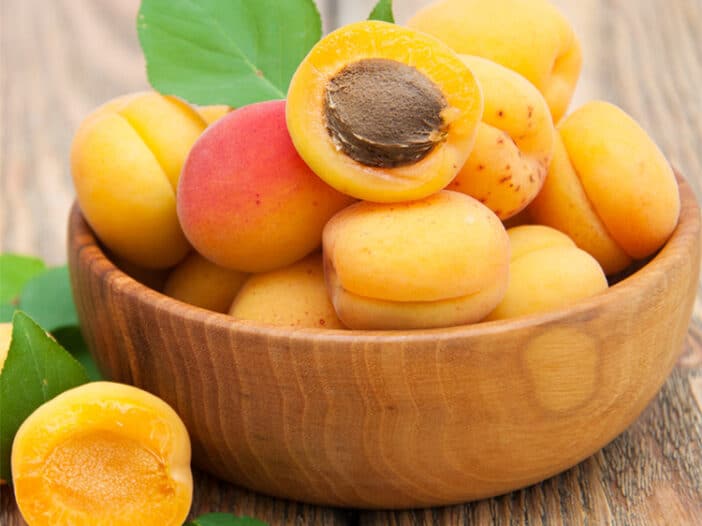
Turkey hosts Saglam Food with an active catalogue of seven distinct products. The list includes Sun Dried Tomatoes, Sun Dried Apricots (HS 0813.30), Popcorn Seeds, Pistachio Nuts, Sun Dried Figs, Pumpkin Seeds and Sunflower Seeds, covering both dehydrated fruit and oil‑seed categories. Each entry is recorded under the supplier’s “top_categories” such as Dehydrated Tomato, Apricot, Corn, Pistachio, Herbal Extracts, Figs, Pumpkin Seeds and Sunflower Seed. The catalogue does not provide individual HS codes for most items, but the apricot entry is explicitly linked to HS 0813.30 and identified material Prunus armeniaca. The supplier is classified in the “harbor” trust tier, indicating a moderate level of verification in the platform.
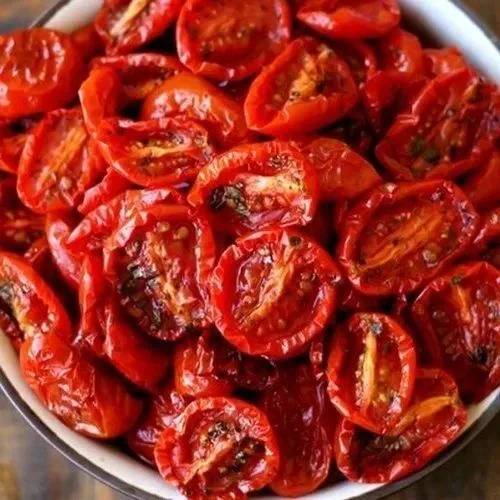
The product set reflects typical Turkish export commodities: dried fruits with low moisture, high‑value nuts, and oil‑rich seeds. Sun Dried Tomatoes are presented without a specific HS code but fall under the broader 0806 chapter for processed tomatoes. Popcorn Seeds correspond to the 1203 family for vegetable seeds, while Pistachio Nuts align with HS 0802 for edible nuts. The inclusion of both fruit and seed products suggests Saglam Food targets a diversified food‑ingredient market rather than a single niche. All items are listed under a single supplier profile, allowing buyers to assess the full range in one place.
Product Range and Specialties of Saglam Food
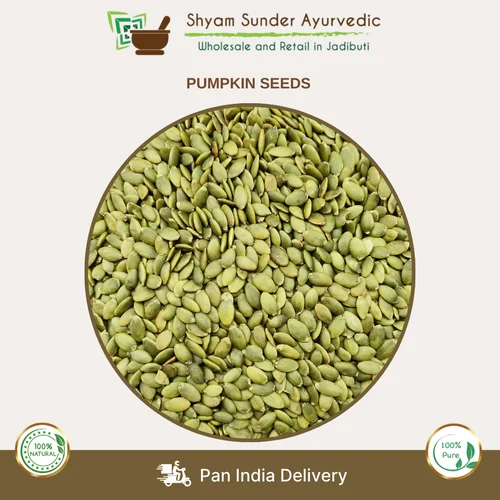
Saglam Food’s catalogue lists seven products that span dried fruits, nuts and seeds. Sun Dried Tomatoes are typically dried to a moisture level of 10‑12 % and graded by colour intensity and size; Sun Dried Apricots (HS 0813.30) are usually sorted into Grade A (30‑45 mm) with a moisture content below 14 %. Popcorn Seeds are classified by popping yield and moisture under 14 %, while Pistachio Nuts are commonly graded by kernel size (12‑15 mm) and shell integrity. Sun Dried Figs are dried to 12‑15 % moisture, and Pumpkin and Sunflower Seeds are evaluated on oil content (45‑48 %) and aflatoxin limits. Industry practice packs these items in food‑grade polyethylene bags of 10 kg or 25 kg bulk, and in 20‑ft containers for larger shipments.
Typical industry specifications include ISO 22000 food safety management, HACCP flow‑charts, and for nuts and seeds, compliance with EU maximum aflatoxin B1 limits (2 µg/kg). Buyers often request certificates of analysis confirming moisture, oil content and pesticide residues. The HS code families involved - 0806 for processed tomatoes, 0813 for dried apricots, 1203 for vegetable seeds, and 0802 for pistachios - guide customs classification and tariff treatment across markets.
Trade and Export Information - Saglam Food
Turkey ranks among the top global exporters of dried fruits, nuts and oil seeds, with the European Union, the United States and Middle‑East countries accounting for the majority of outbound shipments. Products in HS chapter 08 (fruits) and chapter 12 (oil seeds) commonly require phytosanitary certificates, a Certificate of Origin and, where applicable, compliance with EU pesticide residue limits. Buyers typically request ISO 22000 or GlobalGAP certification, although Saglam Food’s specific certifications are not listed in the provided facts. Standard logistics involve 20‑ft or 40‑ft containers, with FOB or CIF Incoterms prevailing in Turkish trade. Seasonal peaks occur in the autumn harvest period, influencing lead times and container availability.
Export documentation for the listed items often includes a commercial invoice, packing list, bill of lading and the relevant HS codes (e.g., 0813.30 for apricots). Turkish exporters frequently employ moisture‑proof liners for dried fruit bags and bulk seed silos to maintain product integrity during sea transit. Importing regions such as the EU enforce strict residue testing, so pre‑shipment laboratory reports are standard practice for these categories.
Sourcing from Saglam Food - Buyer Guidance
When sourcing from Saglam Food, buyers should request a Certificate of Analysis for each product, covering moisture, oil content (for seeds), aflatoxin levels and pesticide residues. For Sun Dried Apricots, confirming the HS 0813.30 classification and verifying the material description (Prunus armeniaca) helps avoid customs re‑classification. Samples of 5‑10 kg are typical for quality assessment, and buyers often ask for a pre‑shipment inspection report to confirm compliance with EU or US food‑safety standards. Verify that the supplier can provide phytosanitary certificates and, if required by the destination market, an EU organic or GlobalGAP certificate.
Before placing a full order, confirm packaging dimensions (e.g., 10 kg polyethylene bags) and container loading plans, as these affect freight calculations. Clarify the minimum order quantity, which for nuts and seeds commonly starts at one 20‑ft container (≈18‑20 metric tons) but may be lower for dried fruit batches. Request lead‑time estimates that account for the autumn harvest cycle, typically 30‑45 days from order confirmation to shipment.
Frequently Asked Questions About Saglam Food
What product codes are used for Saglam Food’s Sun Dried Apricots?
The Sun Dried Apricots are listed under HS code 0813.30 and identified as material Prunus armeniaca in the supplier’s catalogue.
Are there standard quality specifications for the Sun Dried Tomatoes?
Industry standards for Sun Dried Tomatoes usually require moisture below 12 %, uniform colour and size, and compliance with ISO 22000 food‑safety protocols.
Which certifications should a buyer request for the pistachio nuts?
Buyers typically ask for a Certificate of Analysis, HACCP compliance, and verification of aflatoxin limits (≤2 µg/kg) before importing pistachio nuts.
What are the common packaging formats for the pumpkin and sunflower seeds?
Pumpkin and sunflower seeds are commonly packed in food‑grade polyethylene bags of 10 kg or bulk bags of 25 kg, and consolidated into 20‑ft containers for sea freight.
How is the HS code for popcorn seeds classified?
Popcorn seeds fall under HS chapter 1203 for vegetable seeds, which is the standard classification used by customs for seed shipments.
What documentation is required for exporting the dried figs?
Standard documents include a commercial invoice, packing list, bill of lading, phytosanitary certificate and, if requested by the buyer, a Certificate of Analysis confirming moisture content (typically ≤15 %).
What is the typical lead time for a full container order from Saglam Food?
Lead times generally range from 30 to 45 days, depending on the product seasonality and the buyer’s requested shipping terms (FOB or CIF).
Can buyers request sample shipments before a full order?
Yes, suppliers usually provide sample quantities of 5‑10 kg per product, accompanied by a test report, to allow buyers to evaluate quality before committing to larger volumes.




 , Turkey