Agriculture›
 Apparel and fashion accessories›
 Construction & real estate›💡Electronic & Electrical›🍎Food & Beverages›🛋️Home furnishing & supplies›⚗️Industrial goods & chemical›🪨Minerals & metals›📦Miscellaneous›Agriculture›Apparel and fashion accessories›Construction & real estate›💡Electronic & Electrical›🍎Food & Beverages›🛋️Home furnishing & supplies›⚗️Industrial goods & chemical›🪨Minerals & metals›📦Miscellaneous›
Sacramentos Medical Ltd.
⚓ Harbor , United KingdomNew supplier / no reviews yet
Sacramentos Medical Ltd. Product Catalog








About Sacramentos Medical Ltd. - Petroleum By Products Supplier in United Kingdom
The United Kingdom supplier Sacramentos Medical Ltd. lists fifteen active petroleum‑related products. The catalogue covers a spectrum that includes diesel, gasoline, aviation kerosene, LPG, bitumen, crude oil grades and petrochemical by‑products such as sulphur and coke. Each entry is recorded under the relevant HS‑Chapter 27 headings that classify refined petroleum oils (2711) and crude oil (2710). The supplier’s portfolio also contains urea fertilizer, which is classified under HS 3105, showing a broader chemical offering alongside the primary petroleum line.
Sacramentos Medical Ltd. specifies product names that correspond to recognized industry standards, for example Diesel EN590, Aviation Kerosene Jet Fuel (Jet A1) and Light Cycle Oil (LCO). The inclusion of Bonny Light Crude Oil and Export Blend Crude Oil reflects common export grades used in international trading. Bitumen Grade 60/70 and petroleum coke are typical building‑material and energy‑sector inputs. All listed items are part of the fifteen products that the supplier currently markets for export.
Product Range and Specialties of Sacramentos Medical Ltd.
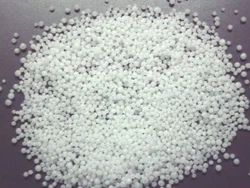
The catalogue includes Diesel EN590, a Euro‑5 compliant diesel fuel with a maximum sulfur content of 10 ppm and cetane number not less than 51. Aviation Kerosene (Jet A1) meets ASTM D1655 specifications, providing a freezing point below - 47 °C and a flash point above 38 °C. LPG is supplied in bulk for bulk‑tank or ISO‑tank transport and conforms to ISO 8217 for marine fuel quality. Bitumen Grade 60/70 follows EN 12591 requirements for penetration and softening point, while petroleum coke is offered in a granular form suitable for power‑plant fuel blends. Urea is presented as 46 % N prilled and granular, matching the typical ISO 9001‑controlled fertilizer grade.
Industry practice for these categories includes additional quality markers such as API gravity for crude oils, sulfur content for diesel and gasoline, and viscosity grades for bitumen. Buyers often request certificates of analysis that detail density, flash point, sulfur, and water content. Standard packaging formats include 20‑ft and 40‑ft ISO tanks for liquids, bulk carriers for crude, and bulk bags or sacks for solid products like coke and sulphur.
Frequently Asked Questions About Sacramentos Medical Ltd.
What petroleum products does Sacramentos Medical Ltd. list for export?
The supplier lists fifteen items, including Diesel EN590, Jet A1 aviation fuel, LPG, gasoline octane blends, Light Cycle Oil, Bitumen Grade 60/70, petroleum coke, sulphur granules, urea (46 % N) and several crude oil grades such as Bonny Light and Export Blend.
Which HS codes are applicable to the listed products?
The liquid fuels and crude oils fall under HS Chapter 27, specifically headings 2710 (crude oil) and 2711 (refined petroleum products). Urea is classified under HS 3105, while sulphur and coke are recorded under HS 2501 and 2714 respectively.
What quality standards should a buyer verify for Diesel EN590?
Buyers should verify that sulfur content does not exceed 10 ppm, the cetane number is at least 51, and the fuel meets the EN 590 European specification for density and flash point.
Are certifications like ISO 9001 required for these products?
Importers commonly request ISO 9001 or ISO 14001 certification as part of the due‑diligence process, but the supplier’s specific certifications must be confirmed with the seller before ordering.
What documentation is typically required before shipment?
Standard documents include a Certificate of Analysis, Material Safety Data Sheet (where applicable), Certificate of Origin, Commercial Invoice, Packing List and a pre‑shipment inspection report from an accredited third‑party inspector.
United KingdomRelated Suppliers & Products
Explore similar suppliers, related products and trending categories