S. N. Agarwala — Supplier

About S. N. Agarwala - Bags Supplier in India

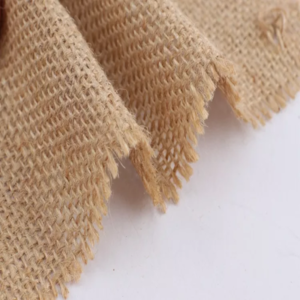
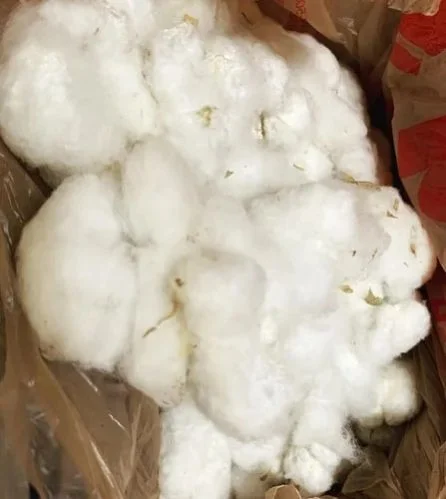
India is the origin of S. N. Agarwala, which currently lists 39 distinct products in its catalogue. The company’s offerings span several bag categories, including cotton bags, jute bags, shopping bags, wine bags, canvas bags, gift bags, aprons, and traveling bags. Within the cotton segment the catalogue features items such as cotton baby bags, cosmetic pouches, mask bags and multipurpose slings. The jute segment includes zipper‑closure, button‑closure and velcro‑closure tote bags as well as large shopping totes. Additional product types cover canvas grocery bags, beach bags, duffel bags and various aprons.

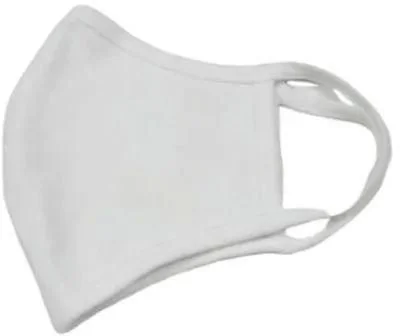
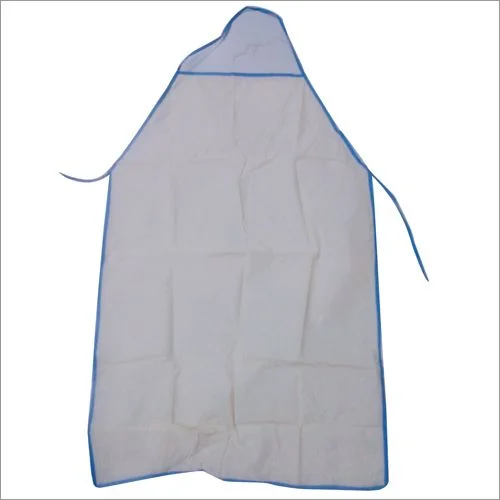
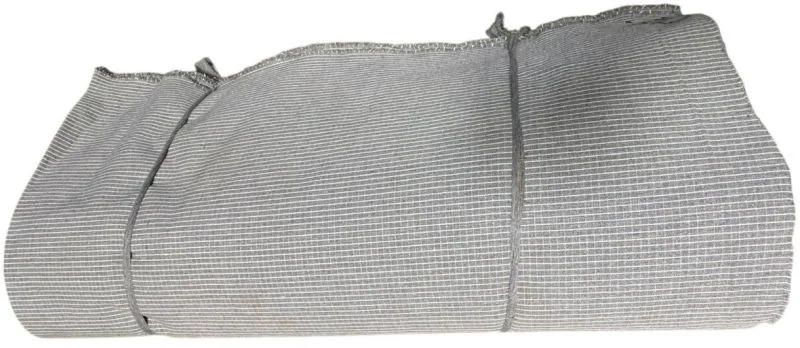
The catalogue specifies material and HS‑code details for three items: a Cotton Mask composed of 100 % breathable woven cotton (three‑layer construction) classified under HS 6307.90, a Bib Apron made from a cotton/poly‑cotton blend under HS 6211.42, and a Waist Apron of 65 % polyester/35 % cotton blend under HS 6210.10. Other listed items such as the Four Bottle Wine Bag, Gift Bag, and Theme Bag are grouped under the general bag HS chapters without individual codes. Product descriptions also note closures (zipper, button, velcro) and intended uses, for example fruit/vegetable storage or planter bags. The variety reflects typical Indian export lines that combine natural fibres (jute, cotton) with synthetic blends for durability. All items are presented without reference to certifications or performance guarantees.

Product Range and Specialties of S. N. Agarwala

S. N. Agarwala’s catalogue includes 39 items that can be grouped into natural‑fiber bags (jute and cotton), blended‑fabric aprons, and specialty travel accessories. Jute products feature closures such as zipper, button and velcro and are commonly supplied in 200‑250 g/m² GSM weight, suitable for reusable shopping and promotional uses. Cotton bags range from lightweight grocery carriers (approximately 120‑150 g/m²) to thicker baby and cosmetic pouches (180‑200 g/m²). The canvas line uses a tighter weave, typically 250‑300 g/m², providing higher tensile strength for grocery and tote applications. Aprons are offered in cotton‑poly blends, with polyester content improving washability and wrinkle resistance.

In the global bag market, buyers often require compliance with ISO 9001 quality management and, for jute products, the Jute Board’s standards for fibre length and moisture content (typically 12‑14 % moisture). Cotton masks intended for reusable personal protection are frequently evaluated against ASTM D6400 for biodegradability and must meet a minimum breathability of 15 mm Pa⁻¹. Aprons used in food service are subject to AATCC 135 colourfastness tests and may need FDA GRAS certification for any food‑contact surfaces. Standard HS chapters for these goods are 6307 (other made‑up textile articles) and 6211/6210 (garments and protective clothing). Exporters from India usually ship these items in 20‑ft or 40‑ft containers, packed in corrugated boxes with internal cushioning to protect woven fabrics.

Trade and Export Information - S. N. Agarwala

India ranks among the top exporters of jute and cotton textile accessories, with major destinations in the United States, European Union, Middle East and Southeast Asia. HS 6307 and HS 6210‑6211 codes are routinely inspected by customs authorities for correct classification, fibre content declaration and compliance with the EU REACH regulations on chemical safety. Buyers typically request test reports such as ISO 9073 for fabric strength, moisture content analysis for jute, and bacterial filtration efficiency for reusable cotton masks. Common certifications sought by importers include ISO 9001, Oeko‑Tex Standard 100 for textile safety, and FSC or Jute Board certifications for sustainable sourcing. Indian exporters often use FOB Mumbai or FOB Chennai terms, with goods packed in moisture‑resistant poly‑bags inside double‑wall cardboard cartons, ready for container loading.

Logistics for these lightweight, bulkier items favor full‑container loads; a 20‑ft container can accommodate roughly 1,200‑1,400 cotton mask units or up to 2,500 jute tote bags depending on packaging density. For wine bags and gift bags, interior padding with tissue paper is standard to prevent deformation. Export documentation generally includes a commercial invoice, packing list, certificate of origin, and, when required by the destination, a phytosanitary certificate for jute products. Importers should verify that the supplier can provide material safety data sheets (MSDS) and any required third‑party lab reports before shipment.

Sourcing from S. N. Agarwala - Buyer Guidance

Prospective buyers should request detailed product specifications, including GSM, fibre length (for jute), thread count and colourfastness test results. For the Cotton Mask, ask for breathability data, wash‑cycle durability and an Oeko‑Tex 100‑type test report to confirm the absence of harmful substances. Apron orders benefit from receiving a blend composition certificate and AATCC colourfastness results, especially if the aprons will be used in food‑service environments.

It is advisable to obtain a physical sample before confirming bulk quantities; most Indian suppliers can dispatch a sample within 7‑10 working days after a request. Verify that the sample matches the declared HS code, material composition and closure type. Confirm minimum order quantities (MOQs) - typically 500 units for standard bags and 1,000 units for specialty wine or gift bags - and agree on lead times, which commonly range from 30 to 45 days for production after sample approval.

Frequently Asked Questions About S. N. Agarwala

What product categories does S. N. Agarwala offer?

The supplier lists 39 items across cotton bags, jute bags, canvas bags, shopping bags, wine bags, gift bags, aprons and traveling bags, with specific products such as jute tote bags, cotton masks (HS 6307.90) and aprons (HS 6211.42, HS 6210.10).

How can I obtain a sample of a specific bag or apron?

Samples can be requested through the supplier’s trade platform; standard practice is to ship a single unit in a protective poly‑bag and cardboard box, with a typical turnaround of 7‑10 working days from order confirmation.

Which certifications should I ask for when importing cotton masks or aprons?

Buyers usually request Oeko‑Tex Standard 100 or ISO 9001 for textile safety, along with specific test reports such as breathability data for masks and AATCC 135 colourfastness for aprons; the supplier’s catalogue does not list certifications, so these should be confirmed directly.

What are the typical material specifications for the jute bags listed?

Indian jute bags are commonly produced with a GSM of 200‑250, fibre moisture content around 12‑14 %, and a tensile strength of 30‑40 MPa; buyers often request a Jute Board compliance certificate to verify these parameters.

Which HS codes apply to the main product groups?

The catalogue provides HS 6307.90 for the Cotton Mask, HS 6211.42 for the Bib Apron, and HS 6210.10 for the Waist Apron; other bag items fall under HS 6307 (other made‑up textile articles) or HS 6304 (woven sacks).

What are the typical minimum order quantities and lead times?

Standard MOQs are around 500 units for regular cotton or jute bags and 1,000 units for specialty wine or gift bags; after sample approval, production lead times generally range from 30 to 45 days.

How are the products usually packed for international shipment?

Items are placed in moisture‑resistant poly‑bags, then stacked in double‑wall corrugated cartons; cartons are loaded into 20‑ft or 40‑ft containers with interior bracing to prevent shifting during transit.


Featured Products from this Supplier

Other Suppliers in Primary Category

Top Trusted Suppliers

Related Products

Trending in Parent Category

More Suppliers in Category

Related Products

Other Suppliers

EximNext
7.1K+ live requirements
Register Free🎁 Reach global buyers
Post Requirement
🌍 Trusted by 225K+ businesses in 200+ countries|
7.1K+ active requirements right now
✉️ [email protected]
|
Sell on EximNextPost Requirement
EximNext
AgricultureApparelConstructionElectronicFoodHomeIndustrialMineralsMiscellaneous
🔥 Deals|✨ AI Match|🏭 Suppliers|📋 Buy Leads|💰 Trade Finance
7.1K+ live RFQs·194.8K+ suppliers
🎁 Reach global buyers →
EximNext
EximNext
Register Free
🎁 Reach global buyers
Sign In
📋Post Requirement💬Get Quotes✨AI Match📋RFQ Marketplace
All Categories
Services & Tools
🏭Supplier Directory🔥Today's Deals💰Trade Finance
Sell on EximNext →
AboutContactBlogHelp
Apparel & Home  ·  India
39
products listed

S. N. Agarwala

⚓ Harbor
Country flag , IndiaNew supplier / no reviews yet
🛡️
77/100
Trust Score

S. N. Agarwala Product Catalog

Showing 12 of 39 products
View all products →
Jute Bag
⚓ Harbor
Jute Bag
Contact
MOQ: 1 Unit
Cotton Bags, Canvas Bags
⚓ Harbor
Cotton Bags, Canvas Bags
Contact
MOQ: 1 Unit
Cushion Cover
⚓ Harbor
Cushion Cover
Contact
MOQ: 1 Unit
Bib Apron
⚓ Harbor
Bib Apron
Contact
MOQ: 1 Unit
Laundry Bag
⚓ Harbor
Laundry Bag
Contact
MOQ: 1 Unit
Laundry Basket
⚓ Harbor
Laundry Basket
Contact
MOQ: 1 Unit
Shoulder Dust Cover
⚓ Harbor
Shoulder Dust Cover
Contact
MOQ: 1 Unit
Waist Apron
⚓ Harbor
Waist Apron
Contact
MOQ: 1 Unit
Christmas Bag
⚓ Harbor
Christmas Bag
Contact
MOQ: 1 Unit
Theme Bag
⚓ Harbor
Theme Bag
Contact
MOQ: 1 Unit
Four Bottle Wine Bag
⚓ Harbor
Four Bottle Wine Bag
Contact
MOQ: 1 Unit
Gift Bag
⚓ Harbor
Gift Bag
Contact
MOQ: 1 Unit

About S. N. Agarwala - Bags Supplier in India

India is the origin of S. N. Agarwala, which currently lists 39 distinct products in its catalogue. The company’s offerings span several bag categories, including cotton bags, jute bags, shopping bags, wine bags, canvas bags, gift bags, aprons, and traveling bags. Within the cotton segment the catalogue features items such as cotton baby bags, cosmetic pouches, mask bags and multipurpose slings. The jute segment includes zipper‑closure, button‑closure and velcro‑closure tote bags as well as large shopping totes. Additional product types cover canvas grocery bags, beach bags, duffel bags and various aprons.

The catalogue specifies material and HS‑code details for three items: a Cotton Mask composed of 100 % breathable woven cotton (three‑layer construction) classified under HS 6307.90, a Bib Apron made from a cotton/poly‑cotton blend under HS 6211.42, and a Waist Apron of 65 % polyester/35 % cotton blend under HS 6210.10. Other listed items such as the Four Bottle Wine Bag, Gift Bag, and Theme Bag are grouped under the general bag HS chapters without individual codes. Product descriptions also note closures (zipper, button, velcro) and intended uses, for example fruit/vegetable storage or planter bags. The variety reflects typical Indian export lines that combine natural fibres (jute, cotton) with synthetic blends for durability. All items are presented without reference to certifications or performance guarantees.

Product Range and Specialties of S. N. Agarwala

S. N. Agarwala’s catalogue includes 39 items that can be grouped into natural‑fiber bags (jute and cotton), blended‑fabric aprons, and specialty travel accessories. Jute products feature closures such as zipper, button and velcro and are commonly supplied in 200‑250 g/m² GSM weight, suitable for reusable shopping and promotional uses. Cotton bags range from lightweight grocery carriers (approximately 120‑150 g/m²) to thicker baby and cosmetic pouches (180‑200 g/m²). The canvas line uses a tighter weave, typically 250‑300 g/m², providing higher tensile strength for grocery and tote applications. Aprons are offered in cotton‑poly blends, with polyester content improving washability and wrinkle resistance.

In the global bag market, buyers often require compliance with ISO 9001 quality management and, for jute products, the Jute Board’s standards for fibre length and moisture content (typically 12‑14 % moisture). Cotton masks intended for reusable personal protection are frequently evaluated against ASTM D6400 for biodegradability and must meet a minimum breathability of 15 mm Pa⁻¹. Aprons used in food service are subject to AATCC 135 colourfastness tests and may need FDA GRAS certification for any food‑contact surfaces. Standard HS chapters for these goods are 6307 (other made‑up textile articles) and 6211/6210 (garments and protective clothing). Exporters from India usually ship these items in 20‑ft or 40‑ft containers, packed in corrugated boxes with internal cushioning to protect woven fabrics.

Trade and Export Information - S. N. Agarwala

India ranks among the top exporters of jute and cotton textile accessories, with major destinations in the United States, European Union, Middle East and Southeast Asia. HS 6307 and HS 6210‑6211 codes are routinely inspected by customs authorities for correct classification, fibre content declaration and compliance with the EU REACH regulations on chemical safety. Buyers typically request test reports such as ISO 9073 for fabric strength, moisture content analysis for jute, and bacterial filtration efficiency for reusable cotton masks. Common certifications sought by importers include ISO 9001, Oeko‑Tex Standard 100 for textile safety, and FSC or Jute Board certifications for sustainable sourcing. Indian exporters often use FOB Mumbai or FOB Chennai terms, with goods packed in moisture‑resistant poly‑bags inside double‑wall cardboard cartons, ready for container loading.

Logistics for these lightweight, bulkier items favor full‑container loads; a 20‑ft container can accommodate roughly 1,200‑1,400 cotton mask units or up to 2,500 jute tote bags depending on packaging density. For wine bags and gift bags, interior padding with tissue paper is standard to prevent deformation. Export documentation generally includes a commercial invoice, packing list, certificate of origin, and, when required by the destination, a phytosanitary certificate for jute products. Importers should verify that the supplier can provide material safety data sheets (MSDS) and any required third‑party lab reports before shipment.

Sourcing from S. N. Agarwala - Buyer Guidance

Prospective buyers should request detailed product specifications, including GSM, fibre length (for jute), thread count and colourfastness test results. For the Cotton Mask, ask for breathability data, wash‑cycle durability and an Oeko‑Tex 100‑type test report to confirm the absence of harmful substances. Apron orders benefit from receiving a blend composition certificate and AATCC colourfastness results, especially if the aprons will be used in food‑service environments.

It is advisable to obtain a physical sample before confirming bulk quantities; most Indian suppliers can dispatch a sample within 7‑10 working days after a request. Verify that the sample matches the declared HS code, material composition and closure type. Confirm minimum order quantities (MOQs) - typically 500 units for standard bags and 1,000 units for specialty wine or gift bags - and agree on lead times, which commonly range from 30 to 45 days for production after sample approval.

Frequently Asked Questions About S. N. Agarwala

What product categories does S. N. Agarwala offer?

The supplier lists 39 items across cotton bags, jute bags, canvas bags, shopping bags, wine bags, gift bags, aprons and traveling bags, with specific products such as jute tote bags, cotton masks (HS 6307.90) and aprons (HS 6211.42, HS 6210.10).

How can I obtain a sample of a specific bag or apron?

Samples can be requested through the supplier’s trade platform; standard practice is to ship a single unit in a protective poly‑bag and cardboard box, with a typical turnaround of 7‑10 working days from order confirmation.

Which certifications should I ask for when importing cotton masks or aprons?

Buyers usually request Oeko‑Tex Standard 100 or ISO 9001 for textile safety, along with specific test reports such as breathability data for masks and AATCC 135 colourfastness for aprons; the supplier’s catalogue does not list certifications, so these should be confirmed directly.

What are the typical material specifications for the jute bags listed?

Indian jute bags are commonly produced with a GSM of 200‑250, fibre moisture content around 12‑14 %, and a tensile strength of 30‑40 MPa; buyers often request a Jute Board compliance certificate to verify these parameters.

Which HS codes apply to the main product groups?

The catalogue provides HS 6307.90 for the Cotton Mask, HS 6211.42 for the Bib Apron, and HS 6210.10 for the Waist Apron; other bag items fall under HS 6307 (other made‑up textile articles) or HS 6304 (woven sacks).

What are the typical minimum order quantities and lead times?

Standard MOQs are around 500 units for regular cotton or jute bags and 1,000 units for specialty wine or gift bags; after sample approval, production lead times generally range from 30 to 45 days.

How are the products usually packed for international shipment?

Items are placed in moisture‑resistant poly‑bags, then stacked in double‑wall corrugated cartons; cartons are loaded into 20‑ft or 40‑ft containers with interior bracing to prevent shifting during transit.

About S. N. Agarwala - Bags Supplier in India

India is the origin of S. N. Agarwala, which currently lists 39 distinct products in its catalogue. The company’s offerings span several bag categories, including cotton bags, jute bags, shopping bags, wine bags, canvas bags, gift bags, aprons, and traveling bags. Within the cotton segment the catalogue features items such as cotton baby bags, cosmetic pouches, mask bags and multipurpose slings. The jute segment includes zipper‑closure, button‑closure and velcro‑closure tote bags as well as large shopping totes. Additional product types cover canvas grocery bags, beach bags, duffel bags and various aprons.

The catalogue specifies material and HS‑code details for three items: a Cotton Mask composed of 100 % breathable woven cotton (three‑layer construction) classified under HS 6307.90, a Bib Apron made from a cotton/poly‑cotton blend under HS 6211.42, and a Waist Apron of 65 % polyester/35 % cotton blend under HS 6210.10. Other listed items such as the Four Bottle Wine Bag, Gift Bag, and Theme Bag are grouped under the general bag HS chapters without individual codes. Product descriptions also note closures (zipper, button, velcro) and intended uses, for example fruit/vegetable storage or planter bags. The variety reflects typical Indian export lines that combine natural fibres (jute, cotton) with synthetic blends for durability. All items are presented without reference to certifications or performance guarantees.

Product Range and Specialties of S. N. Agarwala

S. N. Agarwala’s catalogue includes 39 items that can be grouped into natural‑fiber bags (jute and cotton), blended‑fabric aprons, and specialty travel accessories. Jute products feature closures such as zipper, button and velcro and are commonly supplied in 200‑250 g/m² GSM weight, suitable for reusable shopping and promotional uses. Cotton bags range from lightweight grocery carriers (approximately 120‑150 g/m²) to thicker baby and cosmetic pouches (180‑200 g/m²). The canvas line uses a tighter weave, typically 250‑300 g/m², providing higher tensile strength for grocery and tote applications. Aprons are offered in cotton‑poly blends, with polyester content improving washability and wrinkle resistance.

In the global bag market, buyers often require compliance with ISO 9001 quality management and, for jute products, the Jute Board’s standards for fibre length and moisture content (typically 12‑14 % moisture). Cotton masks intended for reusable personal protection are frequently evaluated against ASTM D6400 for biodegradability and must meet a minimum breathability of 15 mm Pa⁻¹. Aprons used in food service are subject to AATCC 135 colourfastness tests and may need FDA GRAS certification for any food‑contact surfaces. Standard HS chapters for these goods are 6307 (other made‑up textile articles) and 6211/6210 (garments and protective clothing). Exporters from India usually ship these items in 20‑ft or 40‑ft containers, packed in corrugated boxes with internal cushioning to protect woven fabrics.

Trade and Export Information - S. N. Agarwala

India ranks among the top exporters of jute and cotton textile accessories, with major destinations in the United States, European Union, Middle East and Southeast Asia. HS 6307 and HS 6210‑6211 codes are routinely inspected by customs authorities for correct classification, fibre content declaration and compliance with the EU REACH regulations on chemical safety. Buyers typically request test reports such as ISO 9073 for fabric strength, moisture content analysis for jute, and bacterial filtration efficiency for reusable cotton masks. Common certifications sought by importers include ISO 9001, Oeko‑Tex Standard 100 for textile safety, and FSC or Jute Board certifications for sustainable sourcing. Indian exporters often use FOB Mumbai or FOB Chennai terms, with goods packed in moisture‑resistant poly‑bags inside double‑wall cardboard cartons, ready for container loading.

Logistics for these lightweight, bulkier items favor full‑container loads; a 20‑ft container can accommodate roughly 1,200‑1,400 cotton mask units or up to 2,500 jute tote bags depending on packaging density. For wine bags and gift bags, interior padding with tissue paper is standard to prevent deformation. Export documentation generally includes a commercial invoice, packing list, certificate of origin, and, when required by the destination, a phytosanitary certificate for jute products. Importers should verify that the supplier can provide material safety data sheets (MSDS) and any required third‑party lab reports before shipment.

Sourcing from S. N. Agarwala - Buyer Guidance

Prospective buyers should request detailed product specifications, including GSM, fibre length (for jute), thread count and colourfastness test results. For the Cotton Mask, ask for breathability data, wash‑cycle durability and an Oeko‑Tex 100‑type test report to confirm the absence of harmful substances. Apron orders benefit from receiving a blend composition certificate and AATCC colourfastness results, especially if the aprons will be used in food‑service environments.

It is advisable to obtain a physical sample before confirming bulk quantities; most Indian suppliers can dispatch a sample within 7‑10 working days after a request. Verify that the sample matches the declared HS code, material composition and closure type. Confirm minimum order quantities (MOQs) - typically 500 units for standard bags and 1,000 units for specialty wine or gift bags - and agree on lead times, which commonly range from 30 to 45 days for production after sample approval.

Frequently Asked Questions About S. N. Agarwala
What product categories does S. N. Agarwala offer?
The supplier lists 39 items across cotton bags, jute bags, canvas bags, shopping bags, wine bags, gift bags, aprons and traveling bags, with specific products such as jute tote bags, cotton masks (HS 6307.90) and aprons (HS 6211.42, HS 6210.10).
How can I obtain a sample of a specific bag or apron?
Samples can be requested through the supplier’s trade platform; standard practice is to ship a single unit in a protective poly‑bag and cardboard box, with a typical turnaround of 7‑10 working days from order confirmation.
Which certifications should I ask for when importing cotton masks or aprons?
Buyers usually request Oeko‑Tex Standard 100 or ISO 9001 for textile safety, along with specific test reports such as breathability data for masks and AATCC 135 colourfastness for aprons; the supplier’s catalogue does not list certifications, so these should be confirmed directly.
What are the typical material specifications for the jute bags listed?
Indian jute bags are commonly produced with a GSM of 200‑250, fibre moisture content around 12‑14 %, and a tensile strength of 30‑40 MPa; buyers often request a Jute Board compliance certificate to verify these parameters.
Which HS codes apply to the main product groups?
The catalogue provides HS 6307.90 for the Cotton Mask, HS 6211.42 for the Bib Apron, and HS 6210.10 for the Waist Apron; other bag items fall under HS 6307 (other made‑up textile articles) or HS 6304 (woven sacks).
What are the typical minimum order quantities and lead times?
Standard MOQs are around 500 units for regular cotton or jute bags and 1,000 units for specialty wine or gift bags; after sample approval, production lead times generally range from 30 to 45 days.
How are the products usually packed for international shipment?
Items are placed in moisture‑resistant poly‑bags, then stacked in double‑wall corrugated cartons; cartons are loaded into 20‑ft or 40‑ft containers with interior bracing to prevent shifting during transit.

S. N. Agarwala
Country flag India
⚓ HarborApparel & Home
77/100
Trust Score
39
Products
✓ Free to contact — no commission
✓ Escrow payment available
✓ Verified business identity
Compare more suppliers
Post a requirement — get 10 quotes free
Let verified suppliers compete for your business. Free, fast, no commitment.
Due Diligence
Verify this supplier's real shipping history.
Every shipment, every buyer, every port. Trade data that can't be faked.
Run due diligence →
Discover More

Related Suppliers & Products

Explore similar suppliers, related products and trending categories

Featured Products from this Supplier

Other Suppliers in Primary Category

Top Trusted Suppliers

Related Products

Trending in Parent Category

More Suppliers in Category

Stay ahead in global trade
Weekly market insights & new supplier alerts.
EximNext
Exim Next is a leading global B2B marketplace, connecting over 220,000 registered suppliers and buyers across 200+ countries. As a trusted import export marketplace, it serves as the essential B2B portal for businesses worldwide, empowering them to expand their international reach. With Exim Next, businesses can trade smarter and grow faster.
SECURE PAYMENTS
VISAMastercardPayPalSWIFTL/CEscrow
Follow us
© 2026 EximNext