Rozi Enterprises — Verified Supplier
About Rozi Enterprises - Dry Fruits & Nuts Supplier in Pakistan
Rozi Enterprises is based in Pakistan and currently lists six active products across three categories: Dry Fruits & Nuts, Plant Roots & Tissues, and Fresh Flowers. The catalogue includes dried red rose petals, soap nuts, licorice root, juniper berries, gum guggal and alkanet root, each classified under the relevant HS‑code families for dried botanicals and spices (e.g., HS 0802‑0805 for dried fruits and nuts, HS 0904 for dried herbs, HS 0603 for dried flower material).
The supplier’s product set reflects typical Pakistani export items that are shipped in bulk cartons or 20‑ft and 40‑ft containers, often with moisture specifications below 12 % for dried botanicals. Export documentation usually includes a phytosanitary certificate and, where required, a certificate of origin, aligning with standard customs procedures for HS chapters 08, 09 and 12.
Product Range and Specialties of Rozi Enterprises
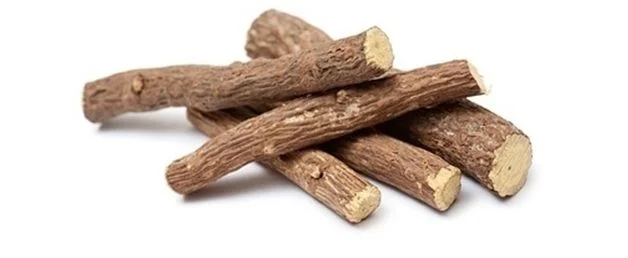
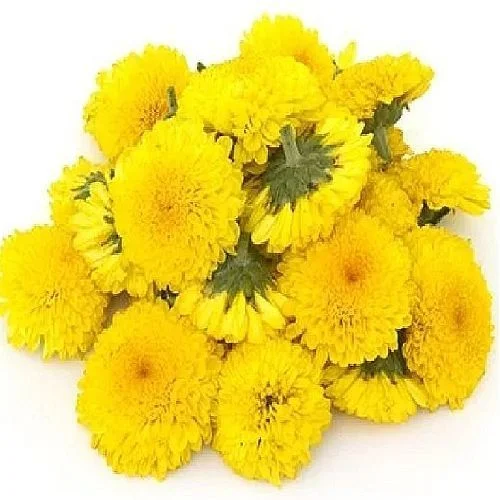
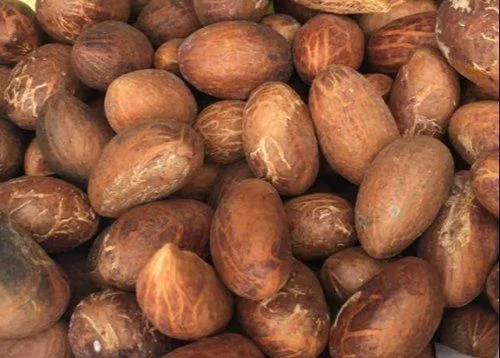
The six items comprise dried rose petals used in confectionery and cosmetics, soap nuts employed as natural surfactants, licorice root valued for glycyrrhizin extract, juniper berries for flavoring and gin production, gum guggal as a resinous binder in pharmaceuticals, and alkanet root used as a natural dye. In the dry‑fruit and spice trade, buyers typically look for grades defined by colour uniformity, moisture content (often <10 % for petals and <12 % for nuts), particle size, and purity percentages that exceed 95 % for resin extracts such as gum guggal.
Trade and Export Information - Rozi Enterprises
Pakistan is a recognized source of dried botanicals and spice‑type products, with major importers located in the European Union, the Gulf Cooperation Council, and North America. HS‑code groups 0802‑0805 (nuts and dried fruits), 0904 (spices and aromatic herbs) and 1212 (plant extracts) are routinely inspected under the EU’s Rapid Alert System for Food and Feed (RASFF) and the US Food Safety Modernization Act (FSMA) for pesticide residues and microbial limits. Export shipments are commonly packed in multi‑wall cartons, bulk bags or wooden crates, sealed with moisture‑proof liners, and shipped under FOB or CIF terms depending on the buyer’s logistics preferences.
Sourcing from Rozi Enterprises - Buyer Guidance
When sourcing from Rozi Enterprises, buyers should request a recent laboratory analysis covering moisture, foreign matter, and pesticide residues for each botanical item. A phytosanitary certificate issued by the Pakistani Ministry of Agriculture is standard for all six products, and buyers may also ask for a certificate of analysis confirming purity levels for gum guggal and alkanet root. Verifying the supplier’s compliance with ISO 9001 or HACCP, even if not listed, helps ensure traceability and consistent quality across shipments.
Frequently Asked Questions About Rozi Enterprises
What product categories does Rozi Enterprises list?
The catalogue includes dried red rose petals, soap nuts, licorice root, juniper berries, gum guggal and alkanet root, covering dry fruits & nuts, plant roots & tissues, and dried floral material.
How many distinct products are currently active?
Six products are active in the supplier’s online listing.
Which HS‑code families are relevant to these items?
Typical HS codes are 0802‑0805 for dried fruits and nuts, 0904 for dried herbs and spices, and 1212 for plant extracts and gums.
What quality parameters should I verify for dried rose petals?
Check colour uniformity, moisture content below 10 %, absence of foreign matter and a laboratory report for any pesticide residues.
Are phytosanitary certificates required for these exports?
Yes, a phytosanitary certificate issued by Pakistani authorities is standard for all six botanical products.
What certifications are commonly requested for these types of goods?
Buyers often request ISO 9001, HACCP, and where applicable organic or fair‑trade certifications to confirm processing standards.
What packaging formats are typical for these products?
Bulk shipments are usually packed in multi‑wall cartons or 20‑ft/40‑ft containers; resinous gums may also be shipped in sealed wooden crates with moisture‑proof liners.
Which markets typically import these Pakistani botanicals?
The European Union, GCC countries and North America are the primary import regions for dried botanicals and spice‑type products from Pakistan.




 , Pakistan