Royal India Enterprises — Verified Supplier

About Royal India Enterprises - Fresh Vegetables Supplier in India

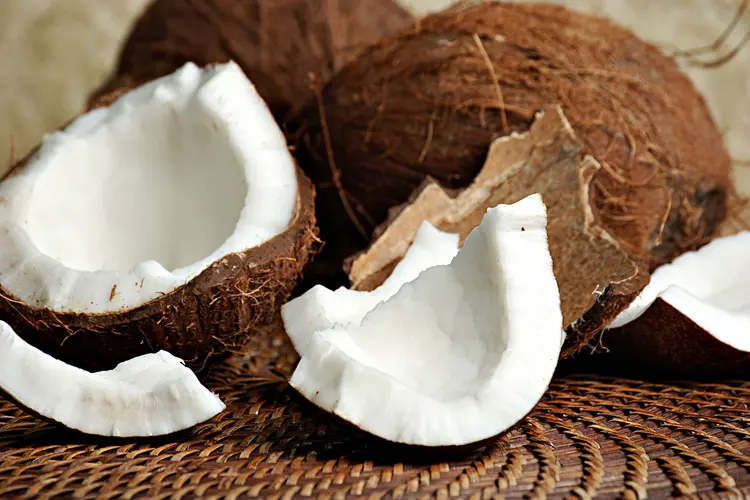
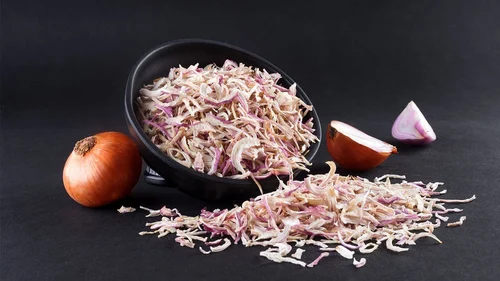
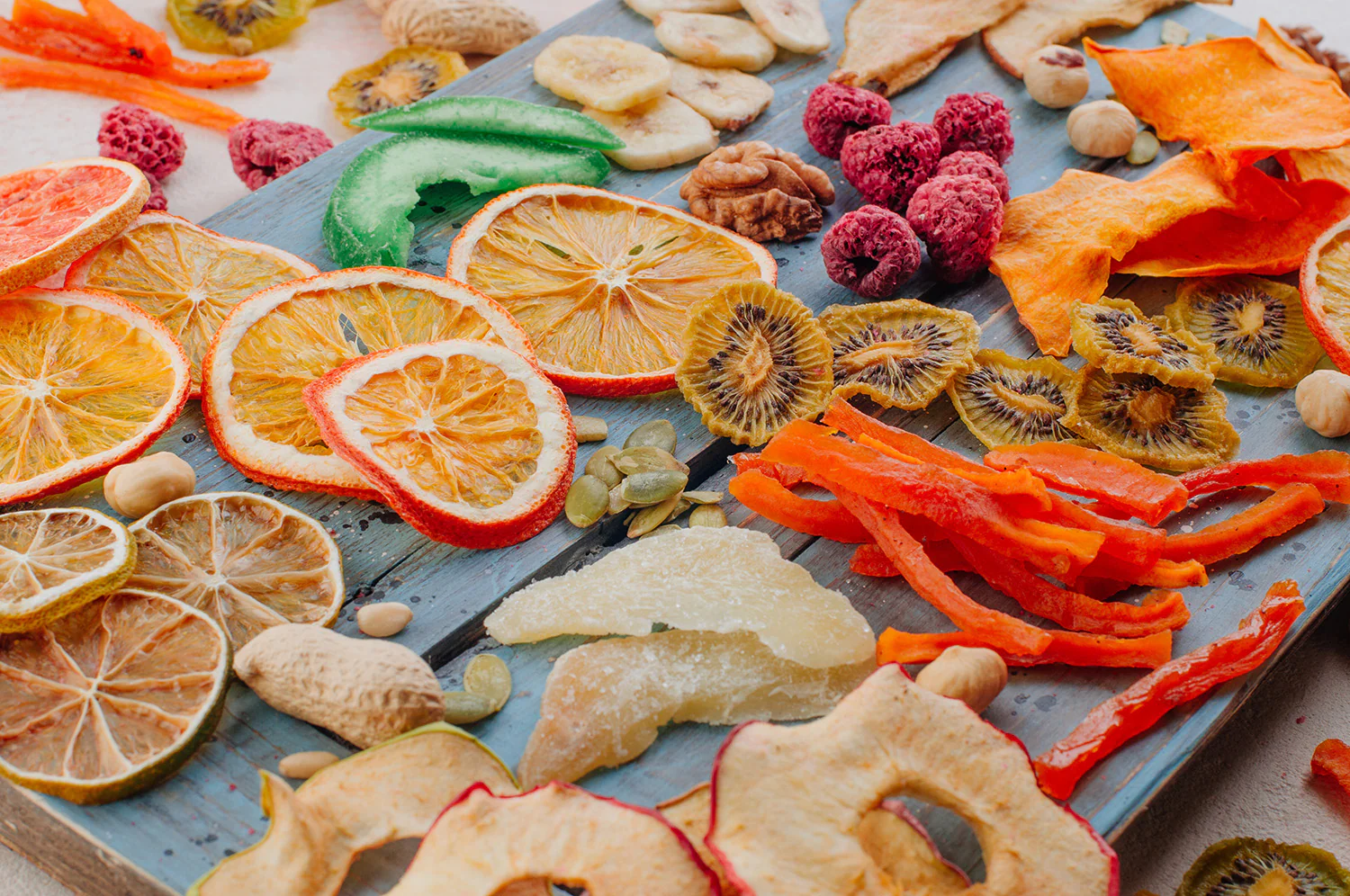
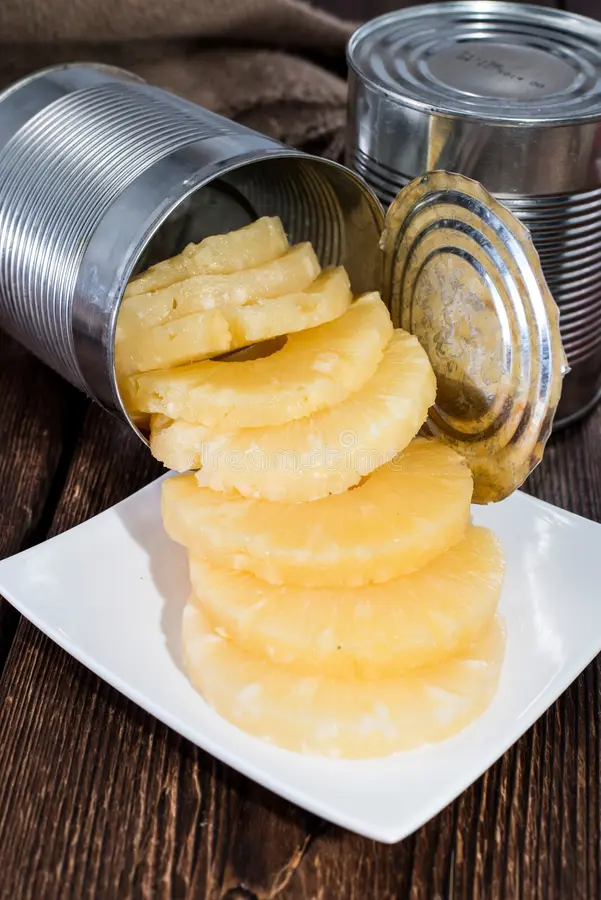
Royal India Enterprises is based in India and lists 23 active products across fresh produce, grains, confectionery and textiles. The catalogue includes fresh vegetables such as beans, ladies finger (okra), green chilli, drumstick and small onion, as well as fresh fruits like noni, lemon, pomegranate and musk melon. It also lists processed items including jaggery, coconut oil, semi‑husked coconut, coconut copra, dried pineapple and black pepper. Grain offerings comprise Basmati rice (HS 1006.30, long‑grain Oryza sativa) and non‑Basmati rice, while the confectionery line features Peanut & Sesame Candy (HS 1704.90). The clothing entry is described as knitted & woven garments. All items are grouped under the supplier’s top categories of Fresh Vegetables, Fresh Fruits, Jaggery, Coconut Oil and Rice.

Product Range and Specialties of Royal India Enterprises

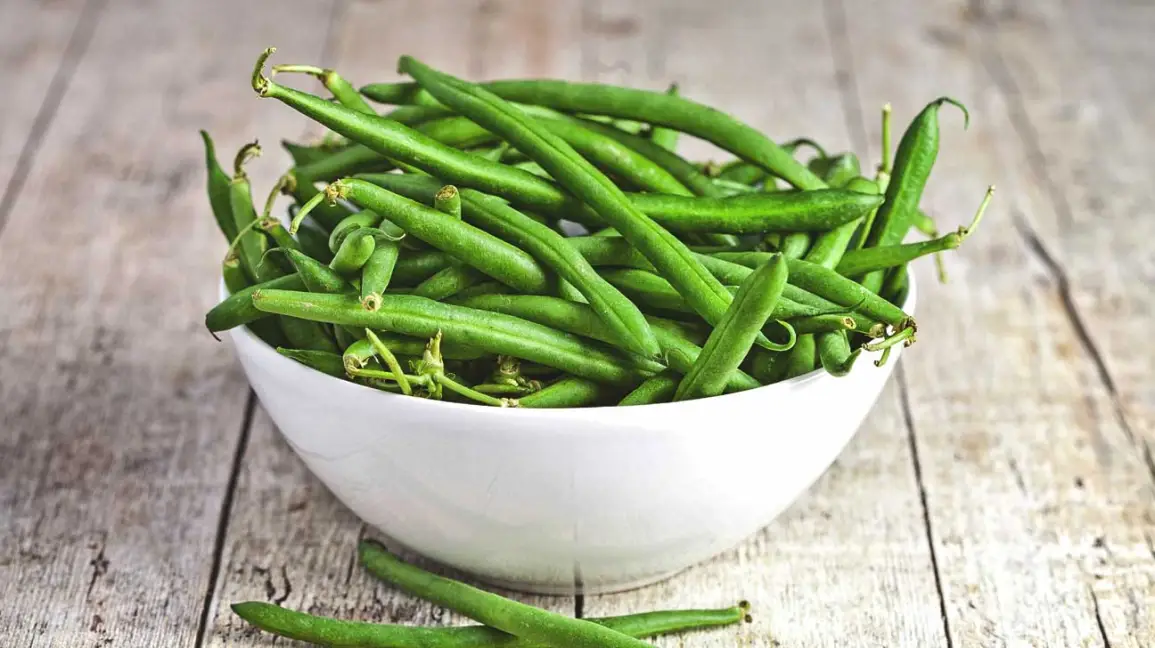
Fresh vegetables such as beans, okra, green chilli and drumstick are usually exported in graded quality, with size grades (e.g., small, medium) and moisture content below 85 %. Standard packing is in ventilated cardboard boxes of 10 kg per box for bulk shipments, often complying with APEDA guidelines. Fresh fruits like noni and pomegranate are typically packed in 5 kg cartons with protective padding to reduce bruising.

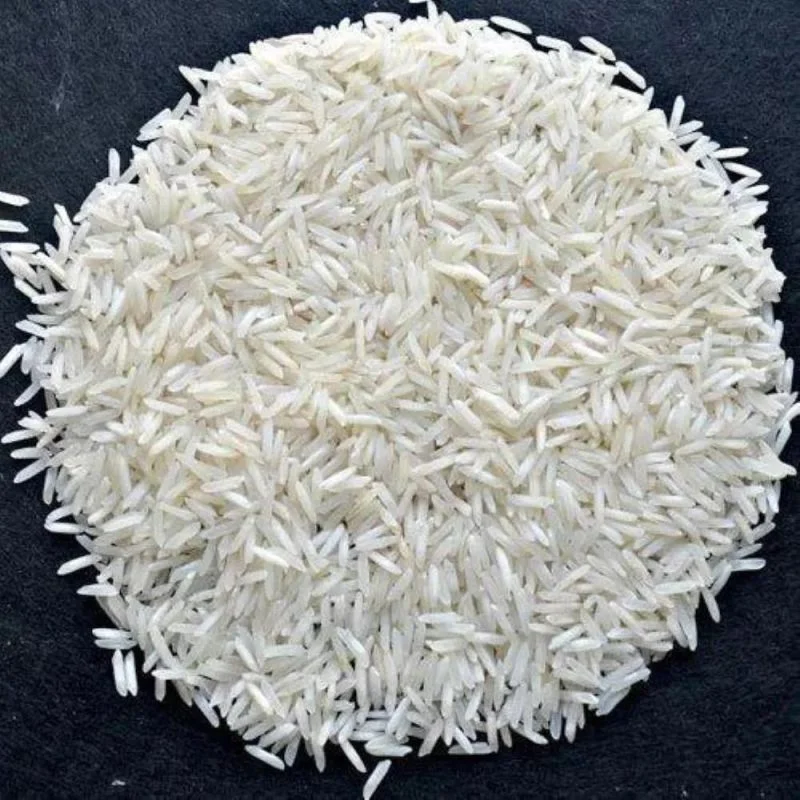
Jaggery from India is commonly produced as solid blocks with moisture ≤12 % and a sucrose content of 80 % - 85 % (ICUMSA 45 - 70). Coconut oil is generally refined, with a free‑fatty‑acid level under 0.2 % and a cloud point around 10 °C, classified under HS 1509. Basmati rice exported under HS 1006.30 is graded by kernel length (≥7 mm), head‑rice yield ≥65 % and moisture ≤14 %. Non‑Basmati rice follows similar moisture limits but lower length specifications. Peanut & Sesame Candy (HS 1704.90) is typically roasted, with a sugar (gur) content of 30 % - 40 % and conforms to Indian food safety standards.

Trade and Export Information - Royal India Enterprises

India is a major exporter of rice, coconut products and tropical fruits, shipping primarily to the Middle East, Europe, the United States and Southeast Asia. HS 1006 (rice) and HS 1509 (coconut oil) are subject to phytosanitary certificates and, for the EU, compliance with the EU Pesticide Residue Limits (PRLs). Fresh vegetables under HS 0709 require cold‑chain logistics, usually in refrigerated containers (20 ft or 40 ft) with temperature controls between 0 °C and 4 °C.

Buyers typically request a recent Indian Export Inspection Council (IEIC) phytosanitary certificate, an FSSAI licence for processed foods and a Certificate of Origin. Commonly required certifications include ISO 22000, AGMARK for agricultural produce and HACCP for confectionery. Packaging for rice is in 25 kg woven polypropylene bags, while jaggery blocks are wrapped in food‑grade polyethylene. Export documentation often follows the INCOTERMS CIF or FOB, with container loading optimized for 20‑ton capacity for bulk grains and 10‑ton for fresh produce.

Sourcing from Royal India Enterprises - Buyer Guidance

When sourcing from Royal India Enterprises, buyers should request a recent lab analysis for pesticide residues on fresh vegetables and fruits, as well as moisture and purity reports for jaggery and coconut oil. For rice, ask for a rice quality certificate detailing broken grain percentage, moisture level and head‑rice yield, alongside the FSSAI registration number.

Samples should be supplied in the intended packaging - e.g., 10 kg boxes for vegetables, 25 kg bags for rice, and sealed poly‑bags for jaggery - to verify appearance and compliance with specifications. Verify that the supplier can provide the required phytosanitary certificate, Certificate of Origin and, where applicable, organic or fair‑trade documentation before finalizing the order.

Frequently Asked Questions About Royal India Enterprises

What HS codes apply to the main product categories offered by Royal India Enterprises?

The listed HS codes are 1006.30 for Basmati rice (Long Grain Oryza sativa) and 1704.90 for Peanut & Sesame Candy (roasted peanuts, sesame seeds and sugar/gur). Other products fall under common Indian export codes such as 1509 for coconut oil, 0709 for fresh vegetables and 0805 for fresh fruits.

Which quality specifications should be checked for the Basmati rice listed under HS 1006.30?

Buyers should verify kernel length of at least 7 mm, moisture content not exceeding 14 %, a broken grain percentage below 5 % and a head‑rice yield of 65 % or higher. A recent laboratory report confirming these parameters is standard practice.

What certifications are commonly required for Indian coconut oil exports?

Typical requirements include an FSSAI licence, ISO 22000 or HACCP compliance for food safety, and a phytosanitary certificate. Buyers often request a free‑fatty‑acid analysis showing a level under 0.2 % and confirmation of the cloud point.

How is fresh vegetables packaging typically handled for export?

Fresh vegetables are packed in ventilated cardboard boxes of 10 kg or in reusable plastic crates, with each layer separated by breathable liners. For long‑distance shipments, they are loaded into refrigerated containers maintaining 0 °C - 4 °C to preserve freshness.

What documentation is needed to import the Peanut & Sesame Candy (HS 1704.90)?

Importers should obtain a phytosanitary certificate, an FSSAI licence for the confectionery, a Certificate of Origin and a laboratory report showing compliance with sugar (gur) content and aflatoxin limits.

What are the typical lead times and minimum order quantities for rice shipments?

Lead times for Basmati or non‑Basmati rice from India range from four to six weeks after order confirmation. Minimum order quantities are usually around 20 metric tons, which fits into a standard 20‑ft container.

How can a buyer request a sample of the jaggery product?

Buyers can ask for a 1 kg sample wrapped in food‑grade polyethylene, accompanied by a moisture analysis and sucrose content report. The supplier should ship the sample under air freight to preserve quality and provide a certificate of analysis upon dispatch.


Featured Products from this Supplier

Other Suppliers in Primary Category

Top Trusted Suppliers

Related Products

Trending in Parent Category

More Suppliers in Category

Related Products

Other Suppliers

EximNext
58.4K+ live requirements
Register Free🎁 5 free buy-lead credits
Post Requirement
🌍 Trusted by 224.4K+ businesses in 200+ countries|
58.4K+ active requirements right now
✉️ [email protected]
|
Sell on EximNextPost Requirement
EximNext
AgricultureApparelConstructionElectronicFoodHomeIndustrialMineralsMiscellaneous
🔥 Deals|✨ AI Match|🏭 Suppliers|📋 Buy Leads|💰 Trade Finance|⭐ Upgrade
58.4K+ live RFQs·194.5K+ suppliers
🎁 5 free credits →
EximNext
EximNext
Register Free
🎁 5 free buy-lead credits
Sign In
📋Post Requirement💬Get QuotesAI Match📋RFQ Marketplace
All Categories
Services & Tools
🏭Supplier Directory🔥Today's Deals💰Trade FinanceMembership
Sell on EximNext
AboutContactBlogHelp
🏭

Royal India Enterprises

Harbor
Country flag , India
🛡️
77/100
Trust Score

Royal India Enterprises Product Catalog

Showing 12 of 23 products
View all products →
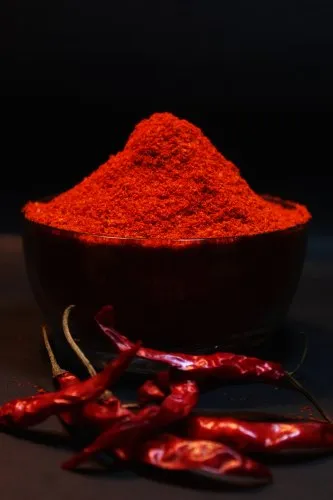
Red Chilly (Dry)
Harbor
Red Chilly (Dry)
Contact
MOQ: 1 Unit
Black Pepper
Harbor
Black Pepper
Contact
MOQ: 1 Unit
Coconut Copra
Harbor
Coconut Copra
Contact
MOQ: 1 Unit
Peanut & Sesame Candy
Harbor
Peanut & Sesame Candy
Contact
MOQ: 1 Unit
Small Onion
Harbor
Small Onion
Contact
MOQ: 1 Unit
Fresh Musk Melon
Harbor
Fresh Musk Melon
Contact
MOQ: 1 Unit
Pomegranate
Harbor
Pomegranate
Contact
MOQ: 1 Unit
Fresh Lemon
Harbor
Fresh Lemon
Contact
MOQ: 1 Unit
Fresh Drumstick
Harbor
Fresh Drumstick
Contact
MOQ: 1 Unit
Fresh Noni Fruits
Harbor
Fresh Noni Fruits
Contact
MOQ: 1 Unit
Dried Pineapple
Harbor
Dried Pineapple
Contact
MOQ: 1 Unit
Semi Husked Coconut
Harbor
Semi Husked Coconut
Contact
MOQ: 1 Unit

About Royal India Enterprises - Fresh Vegetables Supplier in India

Royal India Enterprises is based in India and lists 23 active products across fresh produce, grains, confectionery and textiles. The catalogue includes fresh vegetables such as beans, ladies finger (okra), green chilli, drumstick and small onion, as well as fresh fruits like noni, lemon, pomegranate and musk melon. It also lists processed items including jaggery, coconut oil, semi‑husked coconut, coconut copra, dried pineapple and black pepper. Grain offerings comprise Basmati rice (HS 1006.30, long‑grain Oryza sativa) and non‑Basmati rice, while the confectionery line features Peanut & Sesame Candy (HS 1704.90). The clothing entry is described as knitted & woven garments. All items are grouped under the supplier’s top categories of Fresh Vegetables, Fresh Fruits, Jaggery, Coconut Oil and Rice.

Product Range and Specialties of Royal India Enterprises

Fresh vegetables such as beans, okra, green chilli and drumstick are usually exported in graded quality, with size grades (e.g., small, medium) and moisture content below 85 %. Standard packing is in ventilated cardboard boxes of 10 kg per box for bulk shipments, often complying with APEDA guidelines. Fresh fruits like noni and pomegranate are typically packed in 5 kg cartons with protective padding to reduce bruising.

Jaggery from India is commonly produced as solid blocks with moisture ≤12 % and a sucrose content of 80 % - 85 % (ICUMSA 45 - 70). Coconut oil is generally refined, with a free‑fatty‑acid level under 0.2 % and a cloud point around 10 °C, classified under HS 1509. Basmati rice exported under HS 1006.30 is graded by kernel length (≥7 mm), head‑rice yield ≥65 % and moisture ≤14 %. Non‑Basmati rice follows similar moisture limits but lower length specifications. Peanut & Sesame Candy (HS 1704.90) is typically roasted, with a sugar (gur) content of 30 % - 40 % and conforms to Indian food safety standards.

Trade and Export Information - Royal India Enterprises

India is a major exporter of rice, coconut products and tropical fruits, shipping primarily to the Middle East, Europe, the United States and Southeast Asia. HS 1006 (rice) and HS 1509 (coconut oil) are subject to phytosanitary certificates and, for the EU, compliance with the EU Pesticide Residue Limits (PRLs). Fresh vegetables under HS 0709 require cold‑chain logistics, usually in refrigerated containers (20 ft or 40 ft) with temperature controls between 0 °C and 4 °C.

Buyers typically request a recent Indian Export Inspection Council (IEIC) phytosanitary certificate, an FSSAI licence for processed foods and a Certificate of Origin. Commonly required certifications include ISO 22000, AGMARK for agricultural produce and HACCP for confectionery. Packaging for rice is in 25 kg woven polypropylene bags, while jaggery blocks are wrapped in food‑grade polyethylene. Export documentation often follows the INCOTERMS CIF or FOB, with container loading optimized for 20‑ton capacity for bulk grains and 10‑ton for fresh produce.

Sourcing from Royal India Enterprises - Buyer Guidance

When sourcing from Royal India Enterprises, buyers should request a recent lab analysis for pesticide residues on fresh vegetables and fruits, as well as moisture and purity reports for jaggery and coconut oil. For rice, ask for a rice quality certificate detailing broken grain percentage, moisture level and head‑rice yield, alongside the FSSAI registration number.

Samples should be supplied in the intended packaging - e.g., 10 kg boxes for vegetables, 25 kg bags for rice, and sealed poly‑bags for jaggery - to verify appearance and compliance with specifications. Verify that the supplier can provide the required phytosanitary certificate, Certificate of Origin and, where applicable, organic or fair‑trade documentation before finalizing the order.

Frequently Asked Questions About Royal India Enterprises

What HS codes apply to the main product categories offered by Royal India Enterprises?

The listed HS codes are 1006.30 for Basmati rice (Long Grain Oryza sativa) and 1704.90 for Peanut & Sesame Candy (roasted peanuts, sesame seeds and sugar/gur). Other products fall under common Indian export codes such as 1509 for coconut oil, 0709 for fresh vegetables and 0805 for fresh fruits.

Which quality specifications should be checked for the Basmati rice listed under HS 1006.30?

Buyers should verify kernel length of at least 7 mm, moisture content not exceeding 14 %, a broken grain percentage below 5 % and a head‑rice yield of 65 % or higher. A recent laboratory report confirming these parameters is standard practice.

What certifications are commonly required for Indian coconut oil exports?

Typical requirements include an FSSAI licence, ISO 22000 or HACCP compliance for food safety, and a phytosanitary certificate. Buyers often request a free‑fatty‑acid analysis showing a level under 0.2 % and confirmation of the cloud point.

How is fresh vegetables packaging typically handled for export?

Fresh vegetables are packed in ventilated cardboard boxes of 10 kg or in reusable plastic crates, with each layer separated by breathable liners. For long‑distance shipments, they are loaded into refrigerated containers maintaining 0 °C - 4 °C to preserve freshness.

What documentation is needed to import the Peanut & Sesame Candy (HS 1704.90)?

Importers should obtain a phytosanitary certificate, an FSSAI licence for the confectionery, a Certificate of Origin and a laboratory report showing compliance with sugar (gur) content and aflatoxin limits.

What are the typical lead times and minimum order quantities for rice shipments?

Lead times for Basmati or non‑Basmati rice from India range from four to six weeks after order confirmation. Minimum order quantities are usually around 20 metric tons, which fits into a standard 20‑ft container.

How can a buyer request a sample of the jaggery product?

Buyers can ask for a 1 kg sample wrapped in food‑grade polyethylene, accompanied by a moisture analysis and sucrose content report. The supplier should ship the sample under air freight to preserve quality and provide a certificate of analysis upon dispatch.

About Royal India Enterprises - Fresh Vegetables Supplier in India

Royal India Enterprises is based in India and lists 23 active products across fresh produce, grains, confectionery and textiles. The catalogue includes fresh vegetables such as beans, ladies finger (okra), green chilli, drumstick and small onion, as well as fresh fruits like noni, lemon, pomegranate and musk melon. It also lists processed items including jaggery, coconut oil, semi‑husked coconut, coconut copra, dried pineapple and black pepper. Grain offerings comprise Basmati rice (HS 1006.30, long‑grain Oryza sativa) and non‑Basmati rice, while the confectionery line features Peanut & Sesame Candy (HS 1704.90). The clothing entry is described as knitted & woven garments. All items are grouped under the supplier’s top categories of Fresh Vegetables, Fresh Fruits, Jaggery, Coconut Oil and Rice.

Product Range and Specialties of Royal India Enterprises

Fresh vegetables such as beans, okra, green chilli and drumstick are usually exported in graded quality, with size grades (e.g., small, medium) and moisture content below 85 %. Standard packing is in ventilated cardboard boxes of 10 kg per box for bulk shipments, often complying with APEDA guidelines. Fresh fruits like noni and pomegranate are typically packed in 5 kg cartons with protective padding to reduce bruising.

Jaggery from India is commonly produced as solid blocks with moisture ≤12 % and a sucrose content of 80 % - 85 % (ICUMSA 45 - 70). Coconut oil is generally refined, with a free‑fatty‑acid level under 0.2 % and a cloud point around 10 °C, classified under HS 1509. Basmati rice exported under HS 1006.30 is graded by kernel length (≥7 mm), head‑rice yield ≥65 % and moisture ≤14 %. Non‑Basmati rice follows similar moisture limits but lower length specifications. Peanut & Sesame Candy (HS 1704.90) is typically roasted, with a sugar (gur) content of 30 % - 40 % and conforms to Indian food safety standards.

Trade and Export Information - Royal India Enterprises

India is a major exporter of rice, coconut products and tropical fruits, shipping primarily to the Middle East, Europe, the United States and Southeast Asia. HS 1006 (rice) and HS 1509 (coconut oil) are subject to phytosanitary certificates and, for the EU, compliance with the EU Pesticide Residue Limits (PRLs). Fresh vegetables under HS 0709 require cold‑chain logistics, usually in refrigerated containers (20 ft or 40 ft) with temperature controls between 0 °C and 4 °C.

Buyers typically request a recent Indian Export Inspection Council (IEIC) phytosanitary certificate, an FSSAI licence for processed foods and a Certificate of Origin. Commonly required certifications include ISO 22000, AGMARK for agricultural produce and HACCP for confectionery. Packaging for rice is in 25 kg woven polypropylene bags, while jaggery blocks are wrapped in food‑grade polyethylene. Export documentation often follows the INCOTERMS CIF or FOB, with container loading optimized for 20‑ton capacity for bulk grains and 10‑ton for fresh produce.

Sourcing from Royal India Enterprises - Buyer Guidance

When sourcing from Royal India Enterprises, buyers should request a recent lab analysis for pesticide residues on fresh vegetables and fruits, as well as moisture and purity reports for jaggery and coconut oil. For rice, ask for a rice quality certificate detailing broken grain percentage, moisture level and head‑rice yield, alongside the FSSAI registration number.

Samples should be supplied in the intended packaging - e.g., 10 kg boxes for vegetables, 25 kg bags for rice, and sealed poly‑bags for jaggery - to verify appearance and compliance with specifications. Verify that the supplier can provide the required phytosanitary certificate, Certificate of Origin and, where applicable, organic or fair‑trade documentation before finalizing the order.

Frequently Asked Questions About Royal India Enterprises
What HS codes apply to the main product categories offered by Royal India Enterprises?
The listed HS codes are 1006.30 for Basmati rice (Long Grain Oryza sativa) and 1704.90 for Peanut & Sesame Candy (roasted peanuts, sesame seeds and sugar/gur). Other products fall under common Indian export codes such as 1509 for coconut oil, 0709 for fresh vegetables and 0805 for fresh fruits.
Which quality specifications should be checked for the Basmati rice listed under HS 1006.30?
Buyers should verify kernel length of at least 7 mm, moisture content not exceeding 14 %, a broken grain percentage below 5 % and a head‑rice yield of 65 % or higher. A recent laboratory report confirming these parameters is standard practice.
What certifications are commonly required for Indian coconut oil exports?
Typical requirements include an FSSAI licence, ISO 22000 or HACCP compliance for food safety, and a phytosanitary certificate. Buyers often request a free‑fatty‑acid analysis showing a level under 0.2 % and confirmation of the cloud point.
How is fresh vegetables packaging typically handled for export?
Fresh vegetables are packed in ventilated cardboard boxes of 10 kg or in reusable plastic crates, with each layer separated by breathable liners. For long‑distance shipments, they are loaded into refrigerated containers maintaining 0 °C - 4 °C to preserve freshness.
What documentation is needed to import the Peanut & Sesame Candy (HS 1704.90)?
Importers should obtain a phytosanitary certificate, an FSSAI licence for the confectionery, a Certificate of Origin and a laboratory report showing compliance with sugar (gur) content and aflatoxin limits.
What are the typical lead times and minimum order quantities for rice shipments?
Lead times for Basmati or non‑Basmati rice from India range from four to six weeks after order confirmation. Minimum order quantities are usually around 20 metric tons, which fits into a standard 20‑ft container.
How can a buyer request a sample of the jaggery product?
Buyers can ask for a 1 kg sample wrapped in food‑grade polyethylene, accompanied by a moisture analysis and sucrose content report. The supplier should ship the sample under air freight to preserve quality and provide a certificate of analysis upon dispatch.

🏭
Royal India Enterprises
Country flag , India
Harbor
77/100
Trust Score
📦
23
Products
Free to contact — no commission
Escrow payment available
Verified business identity
Compare more suppliers
Post a requirement — get 10 quotes free
Let verified suppliers compete for your business. Free, fast, no commitment.
EximNext Verified Supplier
Business identity verified
Physical address confirmed
Financial history checked
Certifications authenticated
Trade references validated
Due Diligence
Verify this supplier's real shipping history.
Every shipment, every buyer, every port. Trade data that can't be faked.
Run due diligence →
Discover More

Related Suppliers & Products

Explore similar suppliers, related products and trending categories

Featured Products from this Supplier

Other Suppliers in Primary Category

Top Trusted Suppliers

Related Products

Trending in Parent Category

More Suppliers in Category

Stay ahead in global trade
Weekly market insights & new supplier alerts.
EximNext
Exim Next is a leading global B2B marketplace, connecting over 205,000 verified suppliers and buyers across 200+ countries. As a trusted import export marketplace, it serves as the essential B2B portal for businesses worldwide, empowering them to expand their international reach. With Exim Next, businesses can trade smarter and grow faster.
SECURE PAYMENTS
VISAMastercardPayPalSWIFTL/CEscrow
Follow us
© 2026 EximNext