RJM Nano Tech LLC — Verified Supplier
About RJM Nano Tech LLC - Sunflower Oil Supplier in United States
The United States supplier RJM Nano Tech LLC lists 17 active products across several commodity groups. Its catalogue includes both refined and crude edible oils - sunflower, soybean and rapeseed - as well as refined cane and beet sugars graded ICUMSA 45, a full line of soybeans (GMO and non‑GMO), soybean meal, two corn grades, animal by‑products such as chicken, antiseptic hand wipes with 70 % isopropyl alcohol, socks and pet toys. The antiseptic wipes are recorded under HS 3808.94 and the beet sugar under HS 1701.99, while the remaining items fall into standard HS chapters for oils, sugars, cereals and animal products.
RJM Nano Tech LLC’s product list spans HS chapters 15 for edible oils (e.g., 1509 for refined oils, 1515 for crude oils), chapter 17 for sugars (1701), chapter 12 for soybeans and soybean meal (1201), chapter 10 for yellow corn (1005) and chapter 38 for hygiene products (3808). The supplier’s trust tier is noted as “harbor,” indicating a mid‑level verification level in the platform’s trust framework. No additional corporate history or financial data are provided beyond the active product count and category headings.
Product Range and Specialties of RJM Nano Tech LLC
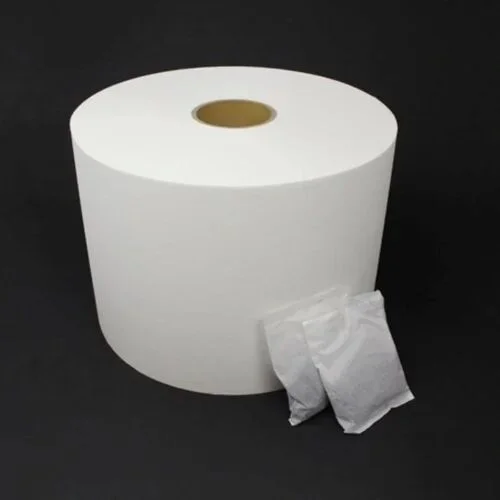
The oil entries comprise refined sunflower, soybean and rapeseed oils that typically meet free fatty acid (FFA) levels below 0.1 % and iodine values around 115‑130 g I₂/100 g, while the crude variants usually have higher FFA and moisture content. Refined soybean oil in the United States is commonly tested for peroxide values under 10 meq O₂/kg and meets USP <41> standards for food‑grade oil. Soybeans are offered in GMO and non‑GMO formats; non‑GMO beans generally contain 35‑40 % protein and 18‑20 % oil, and buyers often request a Non‑GMO Project verification. Yellow corn #2 (GMO) is a standard feed grain with moisture limits of 14 % and mycotoxin screening, whereas the non‑GMO animal feed corn #3 is similarly screened but labeled for GMO‑free markets. Refined cane and beet sugars both carry an ICUMSA 45 grade, meaning a whiteness index of at least 45 and moisture below 0.1 %. The antiseptic hand wipes use a 40 gsm non‑woven polyester/cellulose blend saturated with 70 % isopropyl alcohol, a configuration that complies with USP <41> for hand‑rub products. Typical packaging includes 20‑ft containers for bulk oils (often in 25 kg drums), 50 kg paper bags for sugars, 25 kg bulk bags for soybeans and corn, and sealed cartons for wipes and consumer items.
Trade and Export Information - RJM Nano Tech LLC
United States exporters of edible oils, soybeans, corn and sugar primarily serve markets in the European Union, the Middle East, East Asia (China, Japan, South Korea) and Latin America. HS 1509 and HS 1515 for refined and crude oils, HS 1201 for soybeans, HS 1005 for corn and HS 1701 for sugars are the standard tariff lines used in customs declarations. Buyers in these regions frequently require certifications such as USDA organic or Non‑GMO Project verification for soy and corn, ISO 9001 quality‑management, and FDA food‑safety registration for edible oils and sugars. Export shipments are commonly packed in 20‑ft or 40‑ft containers, bulk tanker trucks for oil drums, and bulk grain carriers for corn and soybeans. Typical Incoterms include FOB US Gulf ports or CIF to destination ports, with phytosanitary certificates and FDA Prior Notice mandatory for food commodities. The antiseptic wipes fall under HS 3808 and are subject to US EPA registration for disinfectants and may need compliance with EU REACH when destined to Europe.
Sourcing from RJM Nano Tech LLC - Buyer Guidance
When sourcing refined or crude oils from RJM Nano Tech LLC, buyers should request a Certificate of Analysis that lists free fatty acid, iodine value, peroxide number and moisture content, and confirm that the oil complies with the destination country’s food‑safety regulations. For soybeans, corn and soybean meal, a phytosanitary certificate, GMO status documentation (or Non‑GMO verification) and a test report for mycotoxins are standard prerequisites. Sugar shipments should be accompanied by an ICUMSA certificate confirming whiteness, moisture and ash levels, as well as a moisture‑content test report. Antiseptic hand wipes require a USP <41> compliance statement, a material safety data sheet (MSDS) for the isopropyl solution, and confirmation of the 40 gsm non‑woven composition. Buyers are advised to verify packaging dimensions, container loading plans and any required pre‑clearance documentation before finalising orders.
Frequently Asked Questions About RJM Nano Tech LLC
What HS codes are associated with RJM Nano Tech LLC’s products?
The antiseptic hand wipes are listed under HS 3808.94, the refined beet sugar under HS 1701.99, while the edible oils fall under HS 1509 (refined) or HS 1515 (crude), soybeans under HS 1201, corn under HS 1005 and animal by‑products such as chicken under the appropriate HS chapter for meat.
Which certifications should a buyer request for the edible oils?
Buyers typically request a Certificate of Analysis showing free fatty acid, iodine value and peroxide number, an FDA food‑facility registration confirmation, and any additional quality‑system certificates such as ISO 9001 or USDA organic if required by the destination market.
How can a buyer verify the GMO status of soybeans or corn?
Ask the supplier for a Non‑GMO Project verification or a GMO status declaration that includes laboratory test results. The documentation should specify whether the seed is GMO or non‑GMO and provide batch‑level traceability.
What quality parameters are standard for ICUMSA 45 sugar?
ICUMSA 45 sugar must meet a whiteness index of at least 45, moisture content below 0.1 %, ash content under 0.02 % and sucrose purity above 99.8 % as verified by an independent laboratory report.
What packaging is used for the antiseptic hand wipes?
The wipes are supplied in sealed cartons that contain the 40 gsm non‑woven polyester/cellulose blend saturated with 70 % isopropyl alcohol, typically packed in bulk for container loading.
Which documents are required for exporting chicken as an animal by‑product?
A veterinary health certificate, an export health certificate issued by the USDA APHIS, and a phytosanitary certificate are standard requirements for shipping chicken to most international markets.
What are the typical shipment sizes for the bulk commodities?
Bulk oils are usually shipped in 25 kg drums within 20‑ft containers, while soybeans, corn and sugar are often loaded in 25‑ton bulk shipments or 50 kg paper bags stacked in standard containers.




 , United States
![Yellow Corn Animal #3 [Non GMO]](/images/products/corn.webp)
![Soybean Meal [GMO]](/images/products/meat-and-bone-meal-mbm.webp)
![Soybeans [Non GMO]](/images/products/beans.webp)
![Soybean [GMO]](/images/categories/generic.webp)


![Soybean [GMO]](/images/categories/agriculture.webp)