Agriculture›
 Apparel and fashion accessories›
 Construction & real estate›💡Electronic & Electrical›🍎Food & Beverages›🛋️Home furnishing & supplies›⚗️Industrial goods & chemical›🪨Minerals & metals›📦Miscellaneous›Agriculture›Apparel and fashion accessories›Construction & real estate›💡Electronic & Electrical›🍎Food & Beverages›🛋️Home furnishing & supplies›⚗️Industrial goods & chemical›🪨Minerals & metals›📦Miscellaneous›
Rianta Door Industry Co., Ltd.
⚓ Harbor , ChinaNew supplier / no reviews yet
Rianta Door Industry Co., Ltd. Product Catalog
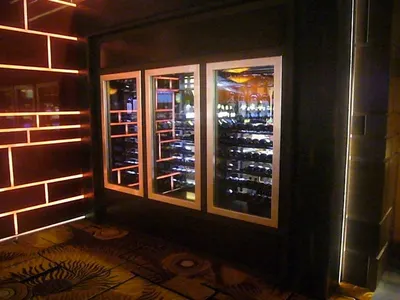
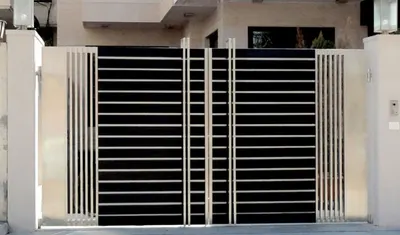
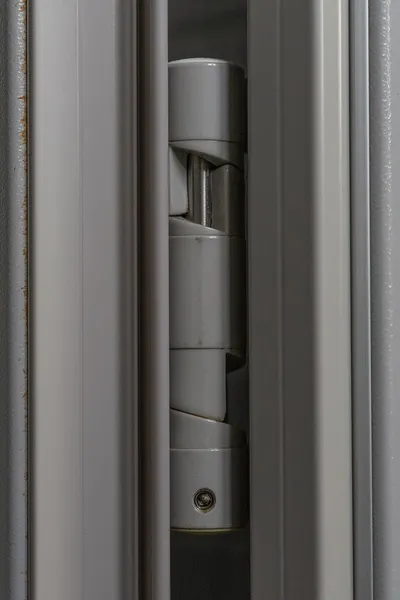
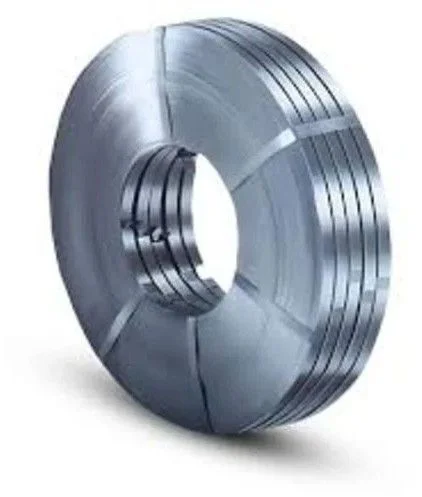
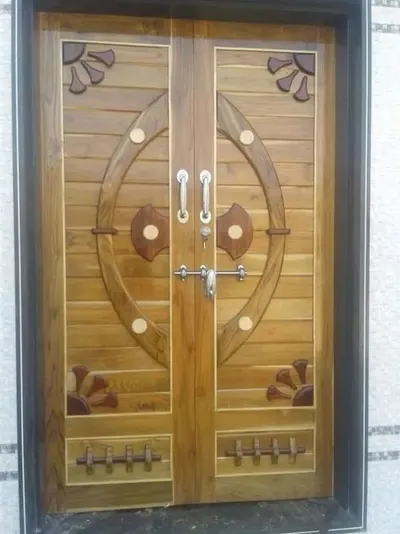
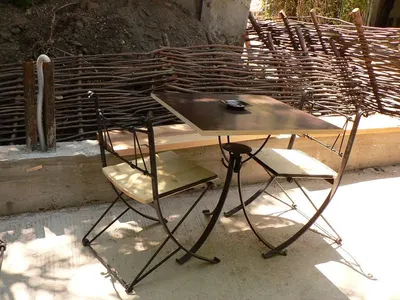
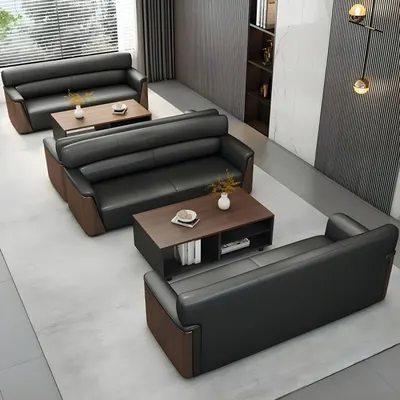
About Rianta Door Industry Co., Ltd. - Cupboards, Doors, Gates, Grills & Windows Supplier in China
China‑based Rianta Door Industry Co., Ltd. lists eight active products across its catalogue. The company groups its offerings under the broader categories of Cupboards, Doors, Gates, Grills & Windows, Agriculture and Canned Vegetables, although the current product set focuses on door and gate hardware. Two of the listed items carry HS code 7308.30, which classifies them as iron or steel doors, and one item uses HS code 4418.20 for wooden doors. The remaining entries include furniture pieces such as LED‑bar coffee tables, which are not assigned HS codes in the supplied data. The catalogue therefore combines metal‑door hardware with a limited selection of interior furniture items.
Product Range and Specialties of Rianta Door Industry Co., Ltd.
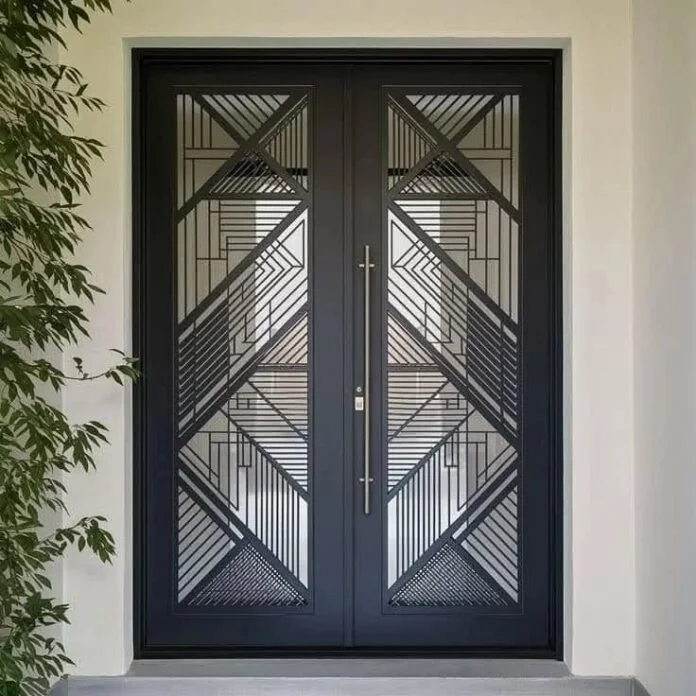
The catalogue includes a Steel Entry Door with Decorative Glass (galvanized or stainless steel frame, tempered decorative glass) classified under HS 7308.30, a Living Room Composite Door (wood composite core with MDF/HDF surface) under HS 4418.20, Nightclub Safety Front Steel Doors (carbon or galvanized steel) also under HS 7308.30, and a Stainless Steel Gate without a listed HS code. Industry practice for steel doors of this type typically specifies a steel gauge between 1.2 mm and 2.0 mm, corrosion‑resistant coatings such as hot‑dip galvanising, and tempered safety glass meeting IC 4 (or higher) standards. Composite interior doors commonly use a high‑density fibreboard core of 20 - 30 mm thickness, an HDF surface layer of 12 mm, and hardware that complies with EN 14351‑1 for thermal performance and acoustic insulation.
Frequently Asked Questions About Rianta Door Industry Co., Ltd.
What HS codes apply to the steel doors listed by Rianta Door Industry?
The steel entry door with decorative glass and the nightclub safety front steel doors are listed under HS code 7308.30, which covers iron or steel doors, windows and their frames.
Does the composite interior door have an HS code?
Yes, the living room composite door is assigned HS code 4418.20, the category for wooden doors.
Which material certifications should a buyer request for the steel frames?
Buyers should ask for a steel grade certification (e.g., Q235 or equivalent) and a corrosion‑resistance coating certificate such as hot‑dip galvanising or stainless‑steel passivation report.
What safety glass standards are typical for decorative glass doors?
Decorative glass in door applications is usually tempered to meet IC 4 (or higher) safety standards and should be accompanied by a temper‑glass test report showing impact resistance and optical clarity.
Are there common fire‑rating requirements for the composite doors?
Composite interior doors are often required to meet EN 13501‑1 fire classifications, such as Euroclass D or better, and a fire‑resistance test report should be provided.
ChinaRelated Suppliers & Products
Explore similar suppliers, related products and trending categories