Rexindo — Supplier
About Rexindo - Fabricated Houses Supplier in Indonesia
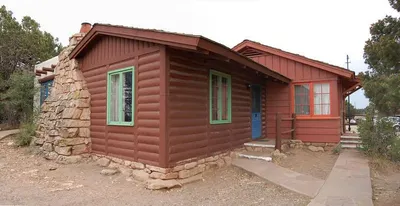
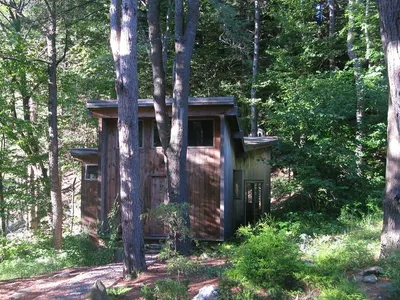
Rexindo operates from Indonesia and currently lists five active products in its catalogue. The company focuses on fabricated housing solutions, offering a variety of timber‑based structures such as Wooden house type, Cabin house, Gazebo, Wooden house, and Wooden house prefab. Each item falls under the broader classification of prefabricated wooden buildings, which are commonly recorded under HS chapters 44 (timber) and 94 (prefabricated buildings).
The supplier is recorded as an imported tier provider with a harbor trust tier, indicating that it meets basic compliance checks for cross‑border trade. Rexindo’s catalogue does not specify certifications, so buyers typically request standard documentation such as ISO 9001 quality management or CE conformity depending on the destination market. The product set targets buyers seeking ready‑to‑assemble timber housing components for residential or recreational use.
Product Range and Specialties of Rexindo
The product range includes single‑family wooden houses, cabin‑style dwellings, garden gazebos and fully prefabricated wooden house kits. In the prefabricated housing industry, timber frames are usually sourced in grades such as Class C16 or C24 for structural elements, with moisture content limited to 12‑15 % to prevent shrinkage. Prefab kits often comprise wall panels of 150 mm to 200 mm thickness, roof trusses designed to span at least 6 m, and foundations that comply with local building codes. Buyers also encounter variants treated with weather‑resistant preservatives or certified under FSC to assure sustainable sourcing.
Trade and Export Information - Rexindo
Indonesia is a major exporter of timber and prefabricated building components, with shipments frequently directed to Southeast Asian neighbours, the Middle East and selected European markets. Export logistics for wooden housing kits usually involve flat‑pack loading into 20‑ft or 40‑ft containers, with protective wooden pallets and moisture‑resistant wrapping to comply with phytosanitary regulations. Buyers often encounter HS chapter 44 for raw timber and HS chapter 94 for assembled prefabricated structures, and customs inspections may require a phytosanitary certificate and, where applicable, a certificate of origin. Common Incoterms for these shipments are FOB or CIF, allowing the buyer to manage inland transport after port discharge.
Sourcing from Rexindo - Buyer Guidance
When sourcing wooden housing kits from Rexindo, buyers should request detailed product data sheets that list timber grade, panel dimensions, moisture content and any preservative treatment. Sample panels can be ordered to verify surface finish and structural tolerance, and buyers typically ask for test reports such as ASTM D1037 (density and strength) and fire‑rating certificates if the end‑use requires compliance with local fire codes. Prior to contract, confirm that the supplier can provide FSC or PEFC sustainability certificates, a phytosanitary clearance and, where required by the importing country, an ISO 9001 quality‑management certificate. Verifying these documents helps assess compliance with building standards and reduces the risk of shipment delays.
Frequently Asked Questions About Rexindo
What types of prefabricated wooden houses does Rexindo offer?
Rexindo lists five products - Wooden house type, Cabin house, Gazebo, Wooden house and Wooden house prefab - all of which are timber‑based structures designed for quick assembly.
Are there standard timber grades or specifications for these products?
In the prefabricated housing market, structural timber is typically supplied in grades such as C16 or C24, with panel moisture content limited to 12‑15 % and panel thickness ranging from 150 mm to 200 mm. Buyers should verify the grade and moisture specifications for each kit.
Which certifications should a buyer request from Rexindo?
Since the catalogue does not list certifications, buyers normally request ISO 9001 quality‑management certification, FSC or PEFC sustainability proof, and a phytosanitary certificate for timber exports. Additional CE or fire‑rating certificates may be needed for specific markets.
What documentation is required for customs clearance of wooden housing kits from Indonesia?
Customs authorities commonly require a certificate of origin, a phytosanitary certificate, and HS code declarations (chapter 44 for timber, chapter 94 for prefabricated buildings). Providing these documents together with the commercial invoice facilitates clearance.
How are the products packaged for international shipment?
Prefabricated wooden components are typically flat‑packed, secured on wooden pallets, wrapped in moisture‑resistant film and loaded into 20‑ft or 40‑ft containers. This packaging protects against humidity and mechanical damage during sea freight.
What are typical minimum order quantities and lead times?
Minimum order quantities vary by product size but generally start from a single complete kit, allowing small‑scale buyers to order. Lead times in Indonesia for wooden housing kits are usually 4‑6 weeks after receipt of a confirmed purchase order and required documentation.
Which markets commonly import Indonesian prefabricated wooden houses?
Major importers include countries in Southeast Asia, the Middle East and parts of Europe where demand for fast‑track residential construction is high. Buyers in these regions often look for compliance with local building codes and sustainability standards.




 , Indonesia




.jpg.png)