Re-Plast — Supplier
About Re-Plast - Plastic Raw Materials Supplier in Poland
Poland hosts Re‑Plast, a supplier that currently lists eleven distinct plastic raw material and scrap items in its catalogue. The portfolio includes PC Metalized Regrind, PC Transparent Regrind, PMMA Colour Regrind, PMMA Transparent Regrind, ABS Black Regrind, various PMMA scrap grades, a mixed colour PMMA scrap, PMMA with glass‑fiber scrap, Mix Lumps, Metal Screws and HDPE Regrind blended with EVOH. Each entry falls under the broader HS‑code family for polymer regrind and plastic scrap (typically chapter 39.07 for plastics waste and regrind). The catalogue reflects a focus on engineered thermoplastics and blended polymer streams that are commonly reprocessed in injection‑moulding or extrusion applications.
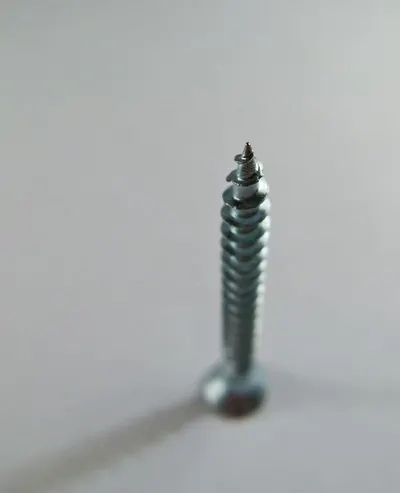
Re‑Plast’s listing spans both primary polymer regrind (polycarbonate, PMMA, ABS, HDPE) and secondary scrap forms such as mixed colour or glass‑filled PMMA. The inclusion of metal screws indicates a capability to handle ancillary hardware that often accompanies bulk plastic shipments. No additional product categories beyond Plastic Raw Materials and Plastic Scrap are mentioned, and the supplier’s trust tier is classified as “harbor”, suggesting a verified but not premium verification level within the platform.
Product Range and Specialties of Re-Plast
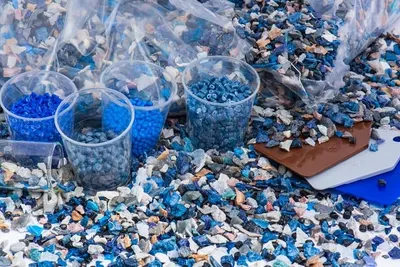
The product range covers clear, coloured and metalised polycarbonate (PC) regrind, clear and coloured polymethyl methacrylate (PMMA) regrind, black ABS regrind, and HDPE regrind blended with EVOH for improved barrier properties. In the wider industry, PC regrind is typically supplied with melt flow index (MFI) values between 5 and 30 g/10 min and colour consistency measured by ΔE < 3. PMMA regrind grades are often classified by intrinsic viscosity (IV) in the range 0.70 - 0.90 dL/g and may include glass‑fiber reinforcement levels of 10 - 30 wt %. HDPE/EVOH blends are usually specified by EVOH content (5 - 15 wt %) and moisture content below 0.1 %. Buyers also look for compliance with REACH and ISO‑standardised material specifications when sourcing these streams.
Trade and Export Information - Re-Plast
Polish exporters of polymer regrind and plastic scrap commonly ship to the EU (Germany, France, Italy), to North America and to Southeast Asian moulders. The HS‑code 3907 series governs most of the listed items, and customs authorities often require a material safety data sheet (MSDS) and a declaration of compliance with EU REACH regulations. Typical incoterms are FOB or CIF, with bulk deliveries in 20‑ft or 40‑ft containers packed in woven polypropylene bags or bulk boxes. Exporters from Poland benefit from well‑developed rail and road links to major ports such as Gdańsk and Szczecin, facilitating timely delivery to international buyers.
Sourcing from Re-Plast - Buyer Guidance
When sourcing from Re‑Plast, buyers should request a recent certificate of analysis that includes melt flow index, colour measurement (ΔE), residual metal content and moisture level for each regrind grade. A REACH‑compliance statement and a material safety data sheet are standard documents that help verify regulatory suitability. Samples of at least 5 kg per grade are typical for testing extrusion or injection‑moulding performance before committing to full container orders.
Frequently Asked Questions About Re-Plast
What types of polymer regrind does Re‑Plast provide?
Re‑Plast lists PC metalised, PC transparent, PMMA colour, PMMA transparent, ABS black, HDPE blended with EVOH and several PMMA scrap grades including glass‑filled variants.
Are the regrind grades suitable for food‑contact applications?
The catalogue does not specify food‑contact certification; buyers should request a specific food‑grade declaration and any relevant EU Regulation 1935/2004 compliance documentation.
What HS‑code should be used for customs clearance of the listed items?
Most of the polymer regrind and plastic scrap items fall under HS chapter 39, specifically code 3907 for waste, parings and scrap of plastics.
Which documents are typically required before placing an order?
Buyers usually ask for a certificate of analysis, REACH compliance statement, material safety data sheet and, if applicable, ISO‑9001 quality system certification.
What is the typical minimum order quantity for bulk regrind shipments?
Bulk regrind is commonly sold in container loads; a minimum of one 20‑ft container (≈18 metric tonnes) or a negotiated smaller lot of 5 tonnes is typical.
What packaging formats are used for the regrind products?
Re‑Plast ships regrind in woven polypropylene bags (usually 25 kg each) or bulk containers with internal liners, sealed to protect against moisture ingress.
How long does it take to prepare a shipment from Poland?
Lead times for containerised polymer regrind from Poland typically range from 2 to 4 weeks after order confirmation, depending on product availability and export documentation.
Can I request a sample before the full order?
Yes, a sample of 5 kg per grade can be arranged; the supplier usually provides the sample on a cost‑plus shipping basis, and the sample should be evaluated for melt flow, colour consistency and contamination levels.




 , Poland