Rare Botanics — Verified Supplier

About Rare Botanics - Sesame Seeds Supplier in Pakistan

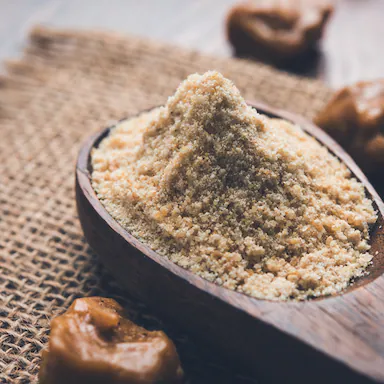
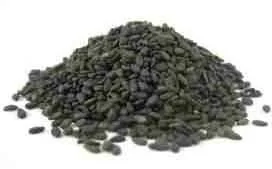
Pakistan‑based Rare Botanics lists nine active products across several botanical and nut categories. The supplier’s catalogue includes items such as Juniperus Communis seeds, Peganum Harmala (Syrian Rue) seeds, Ricinus Communis seeds, soapnuts, Rosa Centifolia dried petals, asafoetida resin products, apricot kernels, black raisins and pine‑nut kernels. The top‑level categories disclosed are Sesame Seeds, Herbal Extracts, Dry Fruits & Nuts, Dried Flowers, Asafoetida, Apricot, Raisins and Pine Nuts, indicating a focus on edible seeds, nuts and dried plant material. Each product is identified by its common name, with two items carrying HS codes - asafoetida (HS 1211.30) and apricot kernels (HS 0801.32).

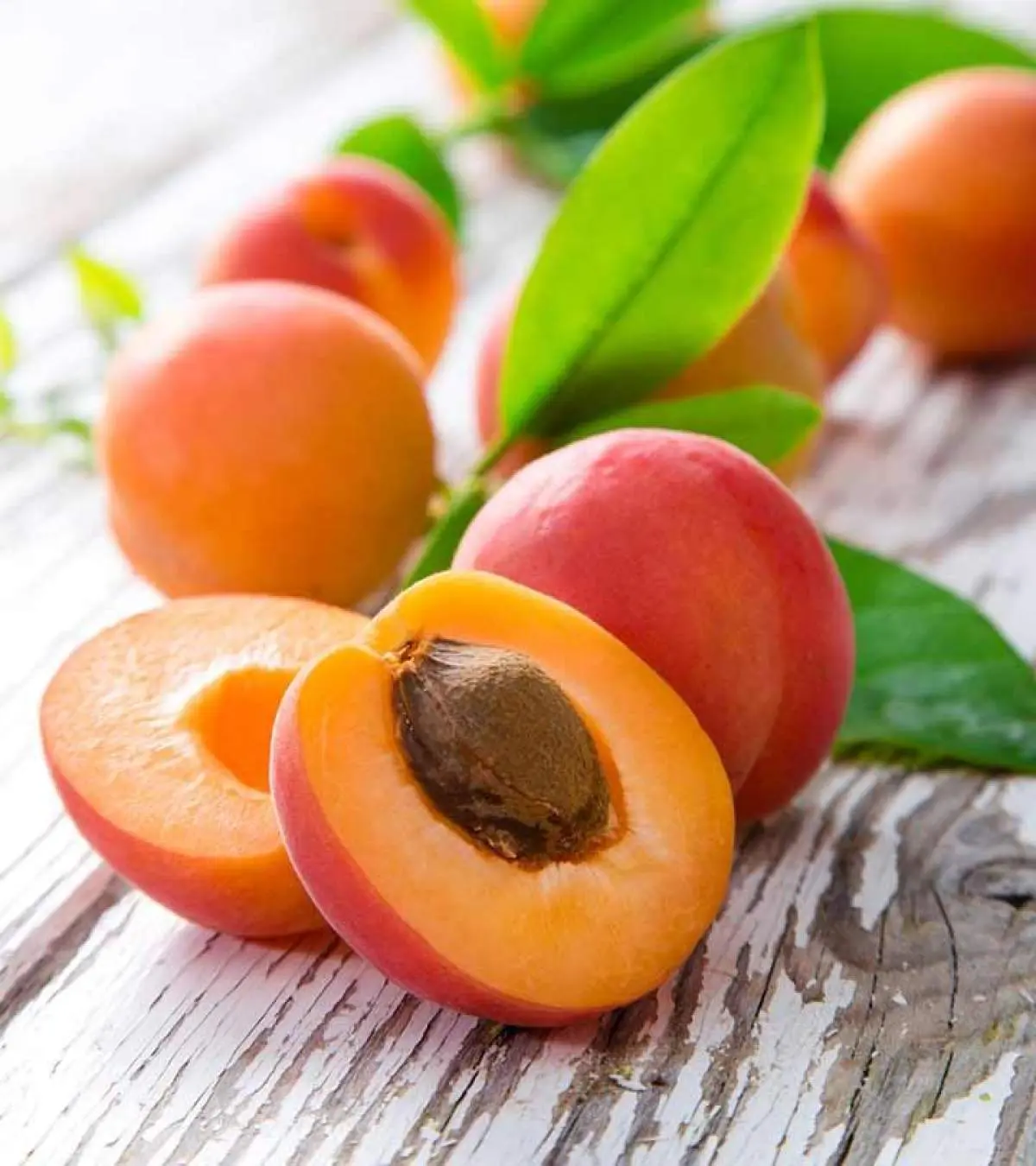
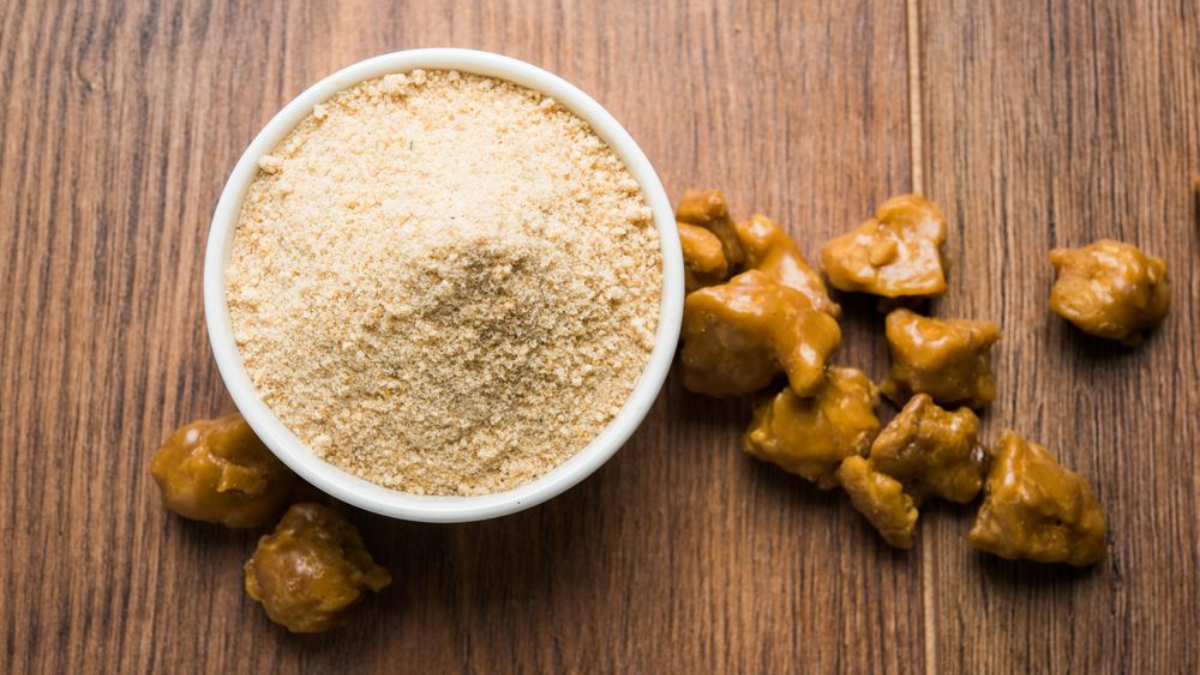
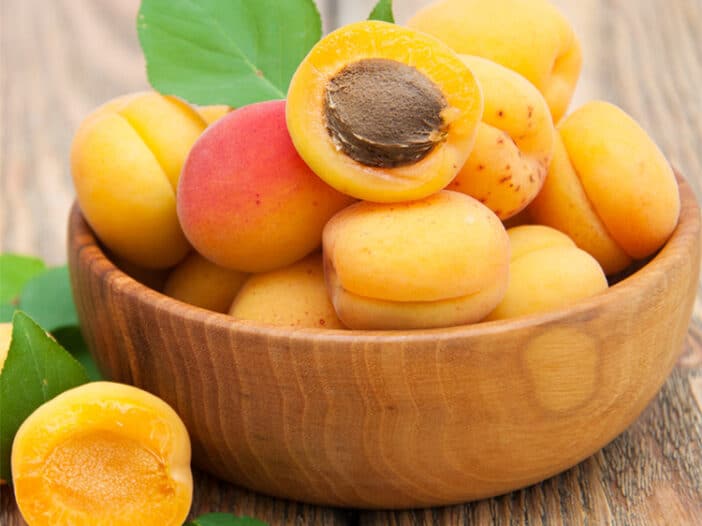
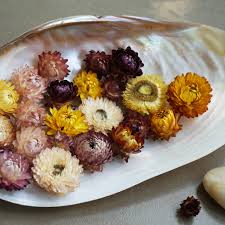
The nine listed items cover a range of seed and nut types as well as dried botanical parts. Juniperus Communis, Peganum Harmala and Ricinus Communis seeds are supplied without specific HS codes, while soapnuts are offered as a natural cleaning agent. Rosa Centifolia dried petals are presented for floral or aromatic use, and asafoetida is supplied in gum, paste and compounded forms, classified under HS 1211.30 and derived from Ferula Asafoetida resin. Apricot kernels, classified under HS 0801.32, are described as natural apricot seeds (Prunus Armeniaca). Black raisins and pine‑nut kernels complete the list, representing dried fruit and high‑value nut products respectively.

Product Range and Specialties of Rare Botanics

Rare Botanics’ catalogue features seed and nut products that are common in spice, confectionery and health‑food markets. In the global trade of seeds, grades such as size (e.g., 2‑4 mm for pine nuts), moisture content below 8 % for raisins and kernel purity above 95 % for apricot kernels are typical specifications. Asafoetida resin is usually sold in grades ranging from 10 % to 30 % volatile oil content, with paste formulations meeting a maximum of 2 % moisture. Dried flower petals like Rosa Centifolia are evaluated by colour index, petal length (10‑15 mm) and residual moisture under 6 %.

Buyers of seed and nut products often request analysis for aflatoxins, pesticide residues and microbiological limits, with limits set by Codex Alimentarius (e.g., aflatoxin B1 ≤ 5 µg kg⁻¹ for nuts). Standard packaging includes food‑grade polyethylene bags of 25 kg for seeds, 10 kg for nuts and 5 kg for dried petals, suitable for 20‑ft containers.

Trade and Export Information - Rare Botanics

Pakistan is a recognized exporter of edible seeds, nuts and dried botanical products, supplying markets in the Middle East, Europe and North America. HS 1211.30 (asafoetida) and HS 0801.32 (apricot kernels) fall under the broader Chapter 12 (oil seeds, oleaginous fruits) and Chapter 08 (fruit and nuts) respectively, which commonly require phytosanitary certificates and compliance with maximum residue limits (MRLs) of the importing country. Buyers typically request ISO 22000 or HACCP compliance for food safety, although such certifications must be verified with the supplier. Export logistics often use 20‑ft or 40‑ft containers with insulated liners for moisture‑sensitive items like raisins and pine nuts, and CIF or FOB terms are standard.

Sourcing from Rare Botanics - Buyer Guidance

When sourcing from Rare Botanics, buyers should request a recent phytosanitary certificate, a commodity‑specific test report covering moisture, aflatoxin and pesticide residues, and, where relevant, a certificate of analysis confirming purity percentages for apricot kernels or asafoetida oil content. Samples of seeds or nuts should be examined for uniform size, absence of foreign matter and colour consistency before finalizing bulk orders. Verify that packaging meets food‑grade standards and that the supplier can provide HS code declarations matching the product list to avoid customs discrepancies.

Frequently Asked Questions About Rare Botanics

What product codes are associated with Rare Botanics’ asafoetida offerings?

Asafoetida gum, paste and compounded forms are listed under HS 1211.30 and are derived from natural Ferula Asafoetida resin.

Are HS codes provided for all items in the catalogue?

HS codes are supplied for asafoetida (1211.30) and apricot kernels (0801.32); the remaining products are listed without HS codes in the catalogue.

What typical quality parameters should be checked for pine‑nut kernels?

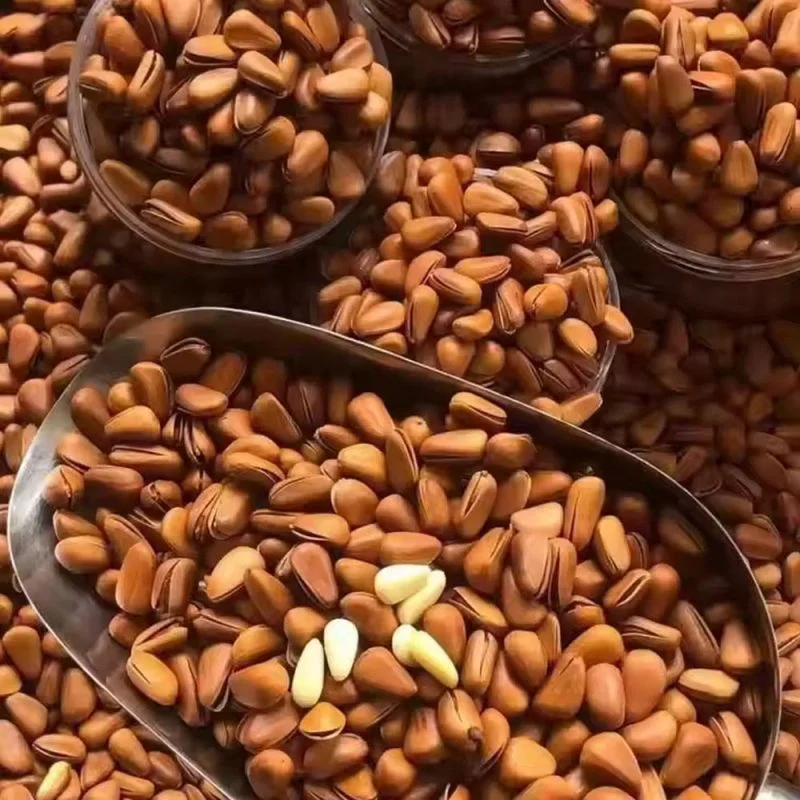
Buyers usually verify kernel size (2‑4 mm), purity above 95 %, moisture below 5 % and compliance with aflatoxin limits of 5 µg kg⁻¹.

Which certifications are commonly required for importing dried fruits like black raisins?

Importers often request ISO 22000 or HACCP certification, a phytosanitary certificate and a test report confirming moisture below 8 % and absence of pesticide residues.

How are Rosa Centifolia dried petals typically packaged for export?

They are generally packed in food‑grade polyethylene bags of 5 kg, protected with moisture‑barrier liners to maintain colour and moisture under 6 %.

What documentation is needed to clear customs for apricot kernels under HS 0801.32?

A commercial invoice, packing list, phytosanitary certificate and a certificate of analysis showing kernel purity and aflatoxin levels are standard documents.

What are the common lead times for seed products from Pakistan?

Lead times for seed batches such as Juniperus Communis or Ricinus Communis typically range from 30 to 45 days after order confirmation, depending on harvest season and export logistics.

Can Rare Botanics provide sample quantities for testing?

Yes, the supplier can arrange sample shipments of 1‑2 kg for seeds, nuts or dried petals, allowing buyers to evaluate size, moisture and purity before placing a full order.


Featured Products from this Supplier

Other Suppliers in Primary Category

Top Trusted Suppliers

Related Products

Trending in Parent Category

More Suppliers in Category

Related Products

Other Suppliers

EximNext
58.4K+ live requirements
Register Free🎁 5 free buy-lead credits
Post Requirement
🌍 Trusted by 224.4K+ businesses in 200+ countries|
58.4K+ active requirements right now
✉️ [email protected]
|
Sell on EximNextPost Requirement
EximNext
AgricultureApparelConstructionElectronicFoodHomeIndustrialMineralsMiscellaneous
🔥 Deals|✨ AI Match|🏭 Suppliers|📋 Buy Leads|💰 Trade Finance|⭐ Upgrade
58.4K+ live RFQs·194.4K+ suppliers
🎁 5 free credits →
EximNext
EximNext
Register Free
🎁 5 free buy-lead credits
Sign In
📋Post Requirement💬Get QuotesAI Match📋RFQ Marketplace
All Categories
Services & Tools
🏭Supplier Directory🔥Today's Deals💰Trade FinanceMembership
Sell on EximNext
AboutContactBlogHelp
🏭

Rare Botanics

Harbor
Country flag , Pakistan
🛡️
55/100
Trust Score

Rare Botanics Product Catalog

Showing 10 of 10 products
View all products →
Ricinus Communis Seeds
Harbor
Ricinus Communis Seeds
Contact
MOQ: 1 Unit
Soapnuts
Harbor
Soapnuts
Contact
MOQ: 1 Unit
Rosa Centifolia Dried Petals
Harbor
Rosa Centifolia Dried Petals
Contact
MOQ: 1 Unit
Asafoetida Gum, Paste and Compounded
Harbor
Asafoetida Gum, Paste and Compounded
Contact
MOQ: 1 Unit
Apricot Kernels
Harbor
Apricot Kernels
Contact
MOQ: 1 Unit
Black Raisins
Harbor
Black Raisins
Contact
MOQ: 1 Unit
Pine Nut Kernels
Harbor
Pine Nut Kernels
Contact
MOQ: 1 Unit
Juniperus Communis Seeds
Harbor
Juniperus Communis Seeds
Contact
MOQ: 1 Unit
Peganum Harmala Seeds Syrian Rue Seeds
Harbor
Peganum Harmala Seeds Syrian Rue Seeds
Contact
MOQ: 1 Unit
Madder Roots
Harbor
Madder Roots
Contact
MOQ: 1 Unit

About Rare Botanics - Sesame Seeds Supplier in Pakistan

Pakistan‑based Rare Botanics lists nine active products across several botanical and nut categories. The supplier’s catalogue includes items such as Juniperus Communis seeds, Peganum Harmala (Syrian Rue) seeds, Ricinus Communis seeds, soapnuts, Rosa Centifolia dried petals, asafoetida resin products, apricot kernels, black raisins and pine‑nut kernels. The top‑level categories disclosed are Sesame Seeds, Herbal Extracts, Dry Fruits & Nuts, Dried Flowers, Asafoetida, Apricot, Raisins and Pine Nuts, indicating a focus on edible seeds, nuts and dried plant material. Each product is identified by its common name, with two items carrying HS codes - asafoetida (HS 1211.30) and apricot kernels (HS 0801.32).

The nine listed items cover a range of seed and nut types as well as dried botanical parts. Juniperus Communis, Peganum Harmala and Ricinus Communis seeds are supplied without specific HS codes, while soapnuts are offered as a natural cleaning agent. Rosa Centifolia dried petals are presented for floral or aromatic use, and asafoetida is supplied in gum, paste and compounded forms, classified under HS 1211.30 and derived from Ferula Asafoetida resin. Apricot kernels, classified under HS 0801.32, are described as natural apricot seeds (Prunus Armeniaca). Black raisins and pine‑nut kernels complete the list, representing dried fruit and high‑value nut products respectively.

Product Range and Specialties of Rare Botanics

Rare Botanics’ catalogue features seed and nut products that are common in spice, confectionery and health‑food markets. In the global trade of seeds, grades such as size (e.g., 2‑4 mm for pine nuts), moisture content below 8 % for raisins and kernel purity above 95 % for apricot kernels are typical specifications. Asafoetida resin is usually sold in grades ranging from 10 % to 30 % volatile oil content, with paste formulations meeting a maximum of 2 % moisture. Dried flower petals like Rosa Centifolia are evaluated by colour index, petal length (10‑15 mm) and residual moisture under 6 %.

Buyers of seed and nut products often request analysis for aflatoxins, pesticide residues and microbiological limits, with limits set by Codex Alimentarius (e.g., aflatoxin B1 ≤ 5 µg kg⁻¹ for nuts). Standard packaging includes food‑grade polyethylene bags of 25 kg for seeds, 10 kg for nuts and 5 kg for dried petals, suitable for 20‑ft containers.

Trade and Export Information - Rare Botanics

Pakistan is a recognized exporter of edible seeds, nuts and dried botanical products, supplying markets in the Middle East, Europe and North America. HS 1211.30 (asafoetida) and HS 0801.32 (apricot kernels) fall under the broader Chapter 12 (oil seeds, oleaginous fruits) and Chapter 08 (fruit and nuts) respectively, which commonly require phytosanitary certificates and compliance with maximum residue limits (MRLs) of the importing country. Buyers typically request ISO 22000 or HACCP compliance for food safety, although such certifications must be verified with the supplier. Export logistics often use 20‑ft or 40‑ft containers with insulated liners for moisture‑sensitive items like raisins and pine nuts, and CIF or FOB terms are standard.

Sourcing from Rare Botanics - Buyer Guidance

When sourcing from Rare Botanics, buyers should request a recent phytosanitary certificate, a commodity‑specific test report covering moisture, aflatoxin and pesticide residues, and, where relevant, a certificate of analysis confirming purity percentages for apricot kernels or asafoetida oil content. Samples of seeds or nuts should be examined for uniform size, absence of foreign matter and colour consistency before finalizing bulk orders. Verify that packaging meets food‑grade standards and that the supplier can provide HS code declarations matching the product list to avoid customs discrepancies.

Frequently Asked Questions About Rare Botanics

What product codes are associated with Rare Botanics’ asafoetida offerings?

Asafoetida gum, paste and compounded forms are listed under HS 1211.30 and are derived from natural Ferula Asafoetida resin.

Are HS codes provided for all items in the catalogue?

HS codes are supplied for asafoetida (1211.30) and apricot kernels (0801.32); the remaining products are listed without HS codes in the catalogue.

What typical quality parameters should be checked for pine‑nut kernels?

Buyers usually verify kernel size (2‑4 mm), purity above 95 %, moisture below 5 % and compliance with aflatoxin limits of 5 µg kg⁻¹.

Which certifications are commonly required for importing dried fruits like black raisins?

Importers often request ISO 22000 or HACCP certification, a phytosanitary certificate and a test report confirming moisture below 8 % and absence of pesticide residues.

How are Rosa Centifolia dried petals typically packaged for export?

They are generally packed in food‑grade polyethylene bags of 5 kg, protected with moisture‑barrier liners to maintain colour and moisture under 6 %.

What documentation is needed to clear customs for apricot kernels under HS 0801.32?

A commercial invoice, packing list, phytosanitary certificate and a certificate of analysis showing kernel purity and aflatoxin levels are standard documents.

What are the common lead times for seed products from Pakistan?

Lead times for seed batches such as Juniperus Communis or Ricinus Communis typically range from 30 to 45 days after order confirmation, depending on harvest season and export logistics.

Can Rare Botanics provide sample quantities for testing?

Yes, the supplier can arrange sample shipments of 1‑2 kg for seeds, nuts or dried petals, allowing buyers to evaluate size, moisture and purity before placing a full order.

About Rare Botanics - Sesame Seeds Supplier in Pakistan

Pakistan‑based Rare Botanics lists nine active products across several botanical and nut categories. The supplier’s catalogue includes items such as Juniperus Communis seeds, Peganum Harmala (Syrian Rue) seeds, Ricinus Communis seeds, soapnuts, Rosa Centifolia dried petals, asafoetida resin products, apricot kernels, black raisins and pine‑nut kernels. The top‑level categories disclosed are Sesame Seeds, Herbal Extracts, Dry Fruits & Nuts, Dried Flowers, Asafoetida, Apricot, Raisins and Pine Nuts, indicating a focus on edible seeds, nuts and dried plant material. Each product is identified by its common name, with two items carrying HS codes - asafoetida (HS 1211.30) and apricot kernels (HS 0801.32).

The nine listed items cover a range of seed and nut types as well as dried botanical parts. Juniperus Communis, Peganum Harmala and Ricinus Communis seeds are supplied without specific HS codes, while soapnuts are offered as a natural cleaning agent. Rosa Centifolia dried petals are presented for floral or aromatic use, and asafoetida is supplied in gum, paste and compounded forms, classified under HS 1211.30 and derived from Ferula Asafoetida resin. Apricot kernels, classified under HS 0801.32, are described as natural apricot seeds (Prunus Armeniaca). Black raisins and pine‑nut kernels complete the list, representing dried fruit and high‑value nut products respectively.

Product Range and Specialties of Rare Botanics

Rare Botanics’ catalogue features seed and nut products that are common in spice, confectionery and health‑food markets. In the global trade of seeds, grades such as size (e.g., 2‑4 mm for pine nuts), moisture content below 8 % for raisins and kernel purity above 95 % for apricot kernels are typical specifications. Asafoetida resin is usually sold in grades ranging from 10 % to 30 % volatile oil content, with paste formulations meeting a maximum of 2 % moisture. Dried flower petals like Rosa Centifolia are evaluated by colour index, petal length (10‑15 mm) and residual moisture under 6 %.

Buyers of seed and nut products often request analysis for aflatoxins, pesticide residues and microbiological limits, with limits set by Codex Alimentarius (e.g., aflatoxin B1 ≤ 5 µg kg⁻¹ for nuts). Standard packaging includes food‑grade polyethylene bags of 25 kg for seeds, 10 kg for nuts and 5 kg for dried petals, suitable for 20‑ft containers.

Trade and Export Information - Rare Botanics

Pakistan is a recognized exporter of edible seeds, nuts and dried botanical products, supplying markets in the Middle East, Europe and North America. HS 1211.30 (asafoetida) and HS 0801.32 (apricot kernels) fall under the broader Chapter 12 (oil seeds, oleaginous fruits) and Chapter 08 (fruit and nuts) respectively, which commonly require phytosanitary certificates and compliance with maximum residue limits (MRLs) of the importing country. Buyers typically request ISO 22000 or HACCP compliance for food safety, although such certifications must be verified with the supplier. Export logistics often use 20‑ft or 40‑ft containers with insulated liners for moisture‑sensitive items like raisins and pine nuts, and CIF or FOB terms are standard.

Sourcing from Rare Botanics - Buyer Guidance

When sourcing from Rare Botanics, buyers should request a recent phytosanitary certificate, a commodity‑specific test report covering moisture, aflatoxin and pesticide residues, and, where relevant, a certificate of analysis confirming purity percentages for apricot kernels or asafoetida oil content. Samples of seeds or nuts should be examined for uniform size, absence of foreign matter and colour consistency before finalizing bulk orders. Verify that packaging meets food‑grade standards and that the supplier can provide HS code declarations matching the product list to avoid customs discrepancies.

Frequently Asked Questions About Rare Botanics
What product codes are associated with Rare Botanics’ asafoetida offerings?
Asafoetida gum, paste and compounded forms are listed under HS 1211.30 and are derived from natural Ferula Asafoetida resin.
Are HS codes provided for all items in the catalogue?
HS codes are supplied for asafoetida (1211.30) and apricot kernels (0801.32); the remaining products are listed without HS codes in the catalogue.
What typical quality parameters should be checked for pine‑nut kernels?
Buyers usually verify kernel size (2‑4 mm), purity above 95 %, moisture below 5 % and compliance with aflatoxin limits of 5 µg kg⁻¹.
Which certifications are commonly required for importing dried fruits like black raisins?
Importers often request ISO 22000 or HACCP certification, a phytosanitary certificate and a test report confirming moisture below 8 % and absence of pesticide residues.
How are Rosa Centifolia dried petals typically packaged for export?
They are generally packed in food‑grade polyethylene bags of 5 kg, protected with moisture‑barrier liners to maintain colour and moisture under 6 %.
What documentation is needed to clear customs for apricot kernels under HS 0801.32?
A commercial invoice, packing list, phytosanitary certificate and a certificate of analysis showing kernel purity and aflatoxin levels are standard documents.
What are the common lead times for seed products from Pakistan?
Lead times for seed batches such as Juniperus Communis or Ricinus Communis typically range from 30 to 45 days after order confirmation, depending on harvest season and export logistics.
Can Rare Botanics provide sample quantities for testing?
Yes, the supplier can arrange sample shipments of 1‑2 kg for seeds, nuts or dried petals, allowing buyers to evaluate size, moisture and purity before placing a full order.

🏭
Rare Botanics
Country flag , Pakistan
Harbor
55/100
Trust Score
📦
10
Products
Free to contact — no commission
Escrow payment available
Verified business identity
Compare more suppliers
Post a requirement — get 10 quotes free
Let verified suppliers compete for your business. Free, fast, no commitment.
EximNext Verified Supplier
Business identity verified
Physical address confirmed
Financial history checked
Certifications authenticated
Trade references validated
Due Diligence
Verify this supplier's real shipping history.
Every shipment, every buyer, every port. Trade data that can't be faked.
Run due diligence →
Discover More

Related Suppliers & Products

Explore similar suppliers, related products and trending categories

Featured Products from this Supplier

Other Suppliers in Primary Category

Top Trusted Suppliers

Related Products

Trending in Parent Category

More Suppliers in Category

Stay ahead in global trade
Weekly market insights & new supplier alerts.
EximNext
Exim Next is a leading global B2B marketplace, connecting over 205,000 verified suppliers and buyers across 200+ countries. As a trusted import export marketplace, it serves as the essential B2B portal for businesses worldwide, empowering them to expand their international reach. With Exim Next, businesses can trade smarter and grow faster.
SECURE PAYMENTS
VISAMastercardPayPalSWIFTL/CEscrow
Follow us
© 2026 EximNext