Rajbindu Gigawatt Private Limited — Verified Supplier
About Rajbindi Gigawatt Private Limited - Spices Powder Supplier in India
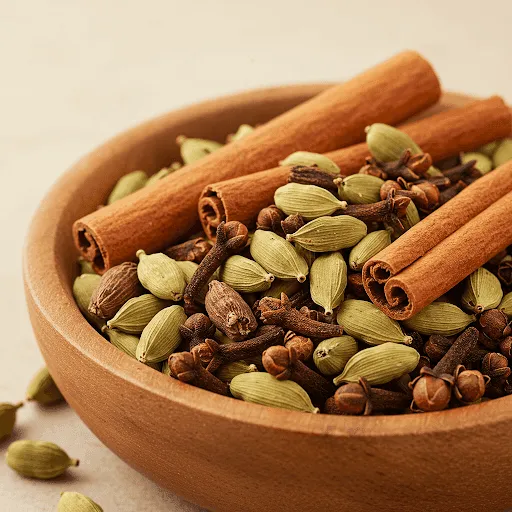
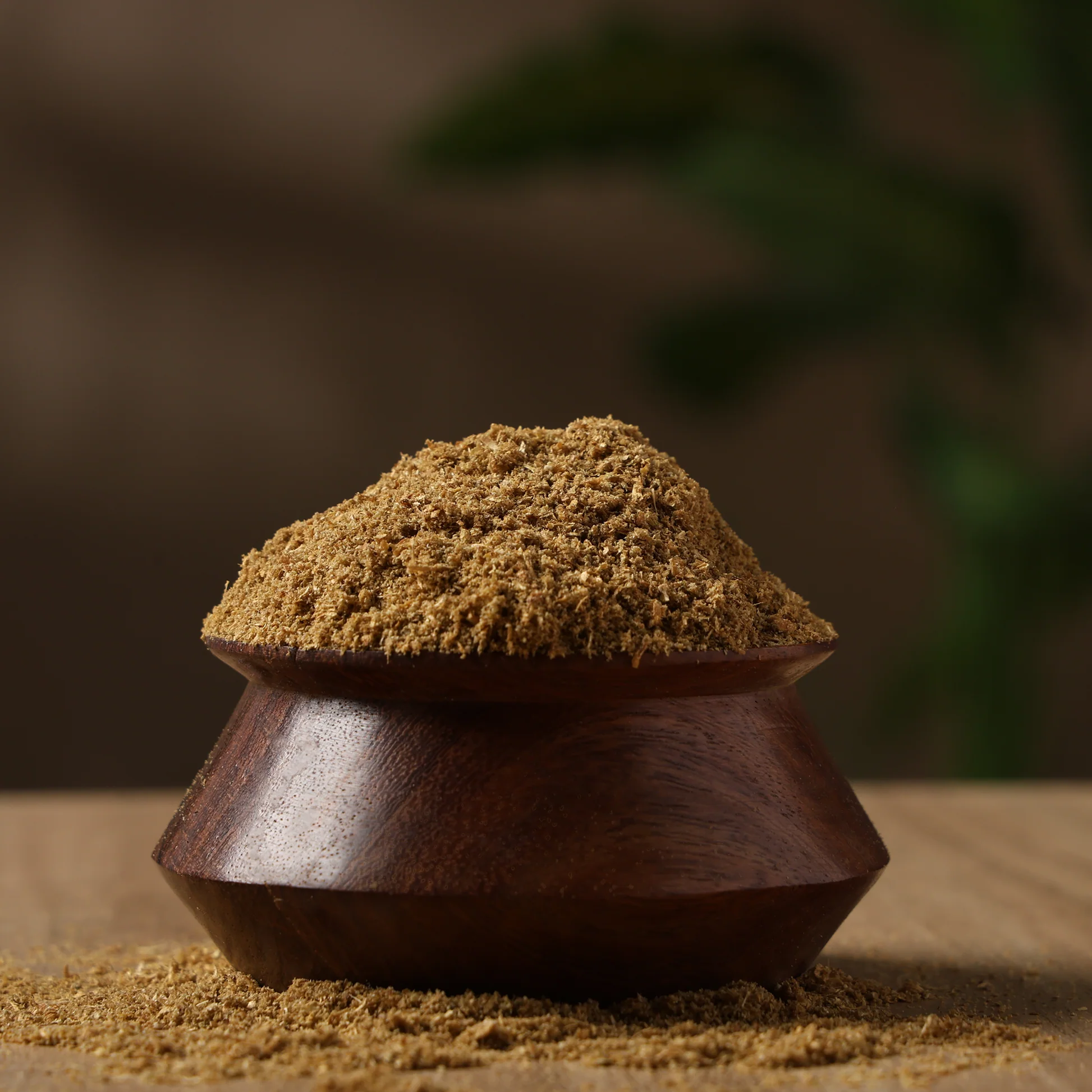
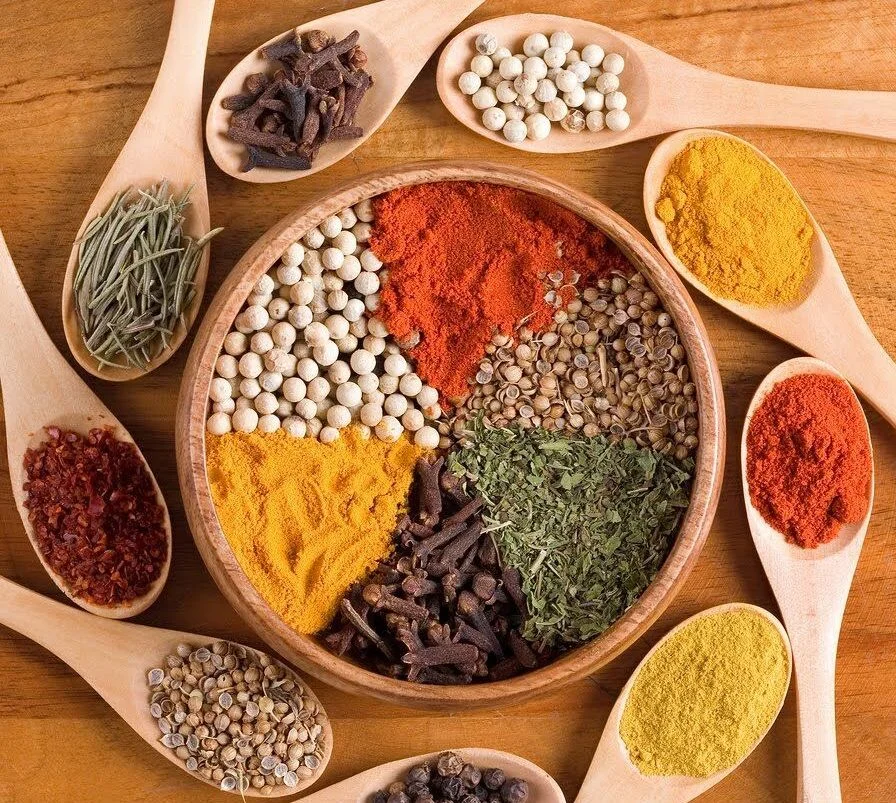
Based in India, Rajbindi Gigawatt Private Limited lists 80 active products across several food categories. The catalogue includes spice powders, whole seeds, lentils and beans, reflecting typical Indian culinary ingredients. Products are grouped under HS chapter 09 for spices and HS chapter 12 for dried herbs, with the Bay Leaf entry coded as 1211.90. The supplier’s top categories comprise Spices Powder, Lentils, Black Cardamom, Cumin Seeds, Mustard Seeds, Chickpeas, Kidney Beans and Chilli Powder. The product list covers both blended masalas such as Pav Bhaji Masala and single‑ingredient spices like Garlic Powder.
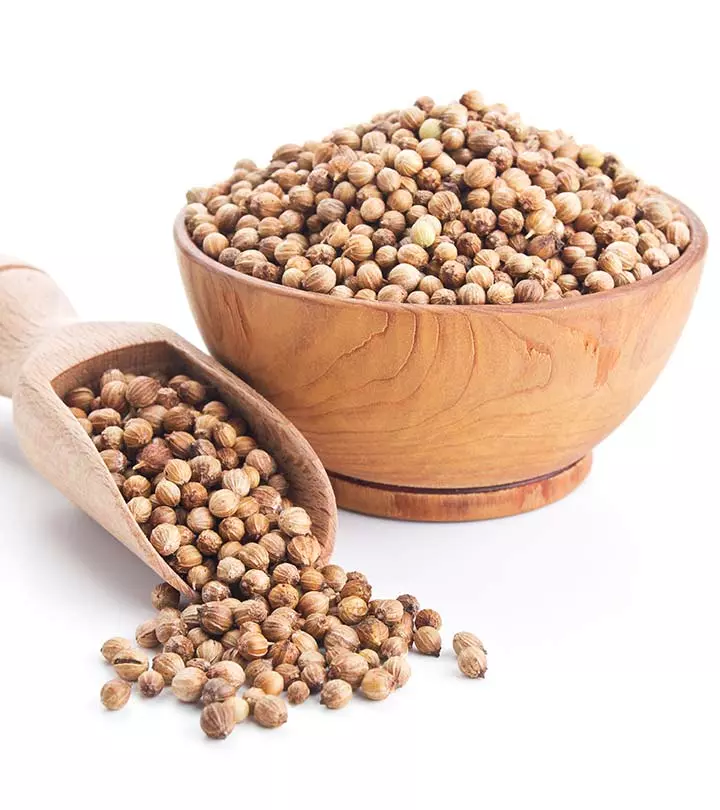
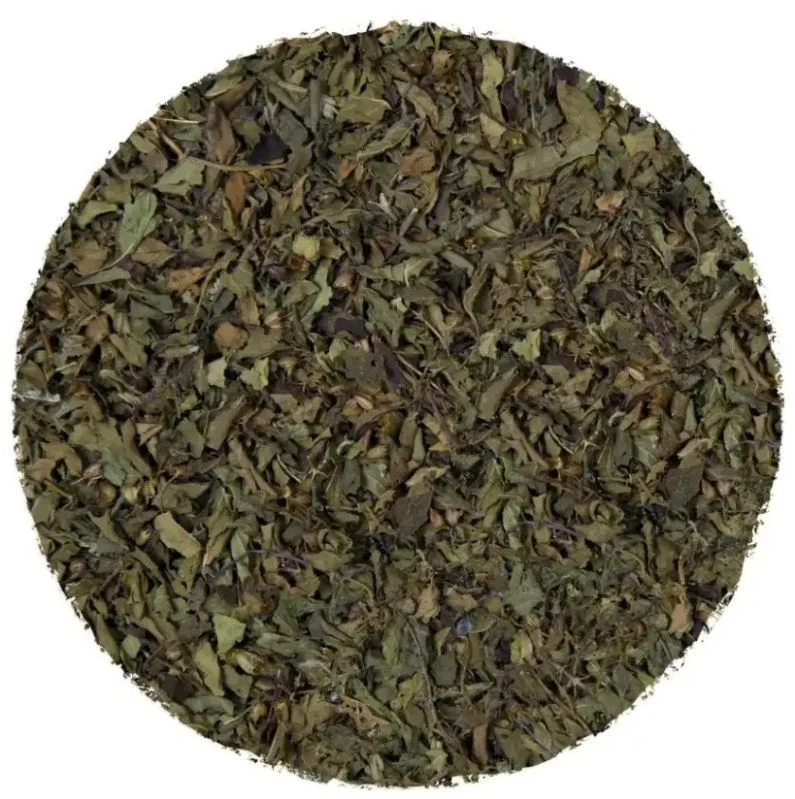
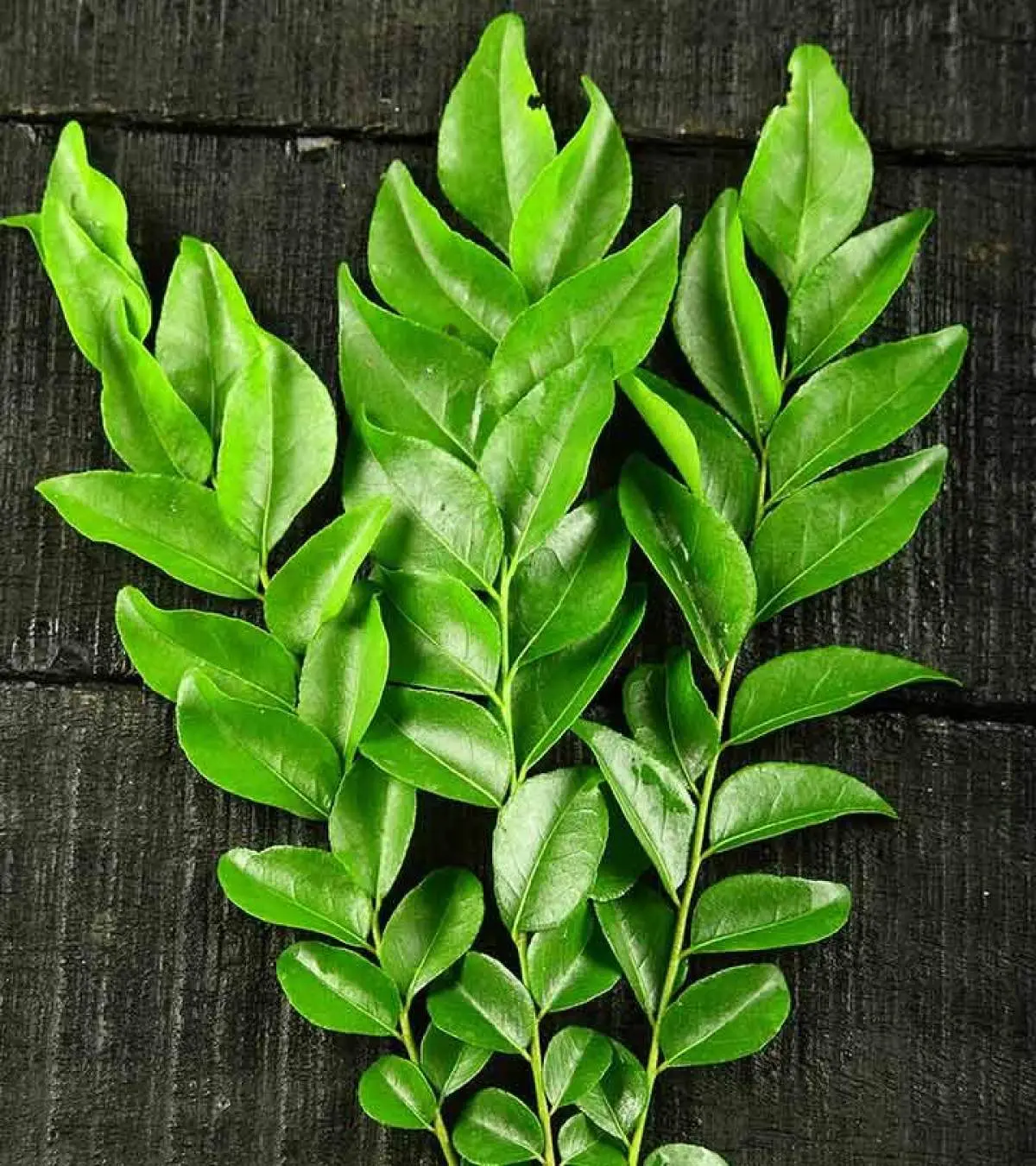
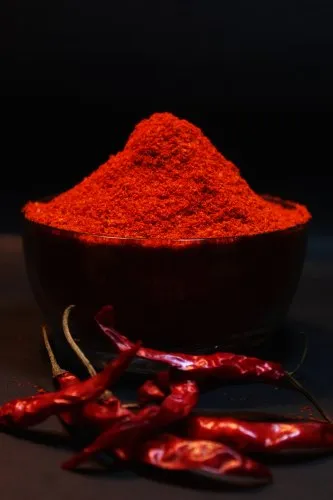
Specific items in the catalogue range from dry powders (e.g., Red Chilli Powder, Black Pepper Powder) to whole seeds (e.g., Sesame Seeds, Yellow Mustard Seeds) and dried herbs (e.g., Bay Leaf, Rosemary). Pulse products include Kidney Beans (Rajma) and Chickpeas (White Chana). The inclusion of specialty blends such as Garam Masala and Sambar Masala adds value for buyers seeking ready‑to‑use seasoning mixes. Each entry is described without reference to certifications, relying on standard industry specifications for purity and moisture.
Product Range and Specialties of Rajbindi Gigawatt Private Limited
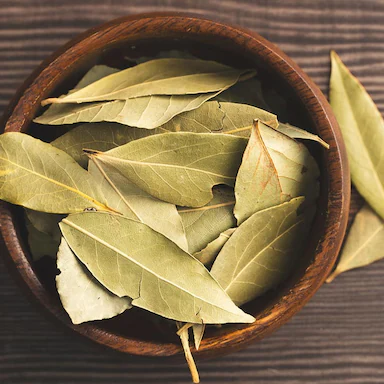
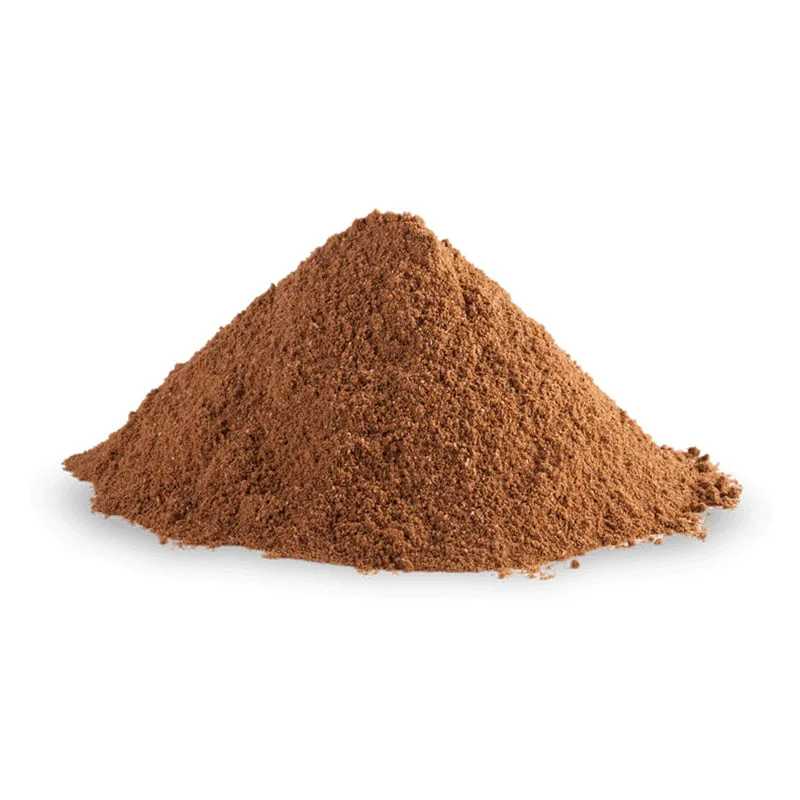
The spice powders listed are typical of Indian ground spices, where buyers commonly require particle size below 600 µm and moisture content under 12 %. Black Pepper and White Pepper powders are usually graded by pungency (piperine % ≈ 5‑9 %). Whole seed products such as Cumin Seeds and Mustard Seeds are evaluated for 99 %+ whole seed count and low foreign matter (<0.5 %). Dried herbs like Bay Leaf (HS 1211.90) are expected to meet ISO 3632‑type colour and oil‑content standards. Pulse items like Kidney Beans and Chickpeas are generally sorted to size 18‑20 mm and cleaned to <0.2 % broken grains.
Trade and Export Information - Rajbindi Gigawatt Private Limited
India ranks among the top global exporters of spices and pulses, with Europe, the United States and the Middle East representing the largest import markets. Export shipments are typically packed in multi‑wall kraft bags of 1 kg or 25 kg for bulk orders, placed on 20‑ft or 40‑ft containers. HS chapter 09 (e.g., 0904 for chilli peppers) and chapter 12 (e.g., 1211 for bay leaves) are the primary customs classifications used for these goods.
Importing countries often require food‑safety certifications such as FSSAI registration, ISO 22000, HACCP and, where applicable, organic certification. Phytosanitary certificates are standard for pulses, while spice consignments may be subject to residue testing under EU Regulation 396/2005. Buyers usually specify Incoterms CIF or FOB, with temperature‑controlled containers for volatile spice blends.
Sourcing from Rajbindi Gigawatt Private Limited - Buyer Guidance
When sourcing from Rajbindi Gigawatt Private Limited, buyers should request a Certificate of Analysis that details moisture, ash, piperine or capsaicin levels, and microbiological limits (e.g., total plate count < 10⁴ CFU/g). For pulse products, a phytosanitary certificate confirming freedom from pests is standard.
Samples are commonly provided in 100 g sealed sachets for quality verification. Verify that packaging complies with food‑grade standards and that the supplier can meet typical minimum order quantities of 500 kg for bulk spices or 1 ton for pulses, with lead times ranging from 15 to 30 days after order confirmation.
Frequently Asked Questions About Rajbindu Gigawatt Private Limited
What product categories does the supplier offer?
The catalogue includes ground spice powders, whole‑seed spices, dried herbs, and pulses such as kidney beans and chickpeas, covering items like Red Chilli Powder, Bay Leaf (HS 1211.90) and Cumin Seeds.
Which HS codes are applicable to the listed products?
Products fall under HS chapter 09 for spices (e.g., chilli powder) and HS 1211.90 for dried bay leaves; each item is classified according to its material type.
What typical quality specifications should buyers verify?
Buyers usually check moisture below 12 % for powders, seed whole‑grain percentage above 99 %, piperine content for pepper, and absence of pesticide residues above the limits set by EU or US regulations.
How can a buyer obtain a sample?
The supplier can dispatch 100 g sealed samples of any listed spice or pulse; buyers should request the sample in writing and specify the intended use to receive the appropriate batch.
What certifications are commonly required for Indian spice exporters?
Importers often request FSSAI registration, ISO 22000 or HACCP food‑safety certificates, and a phytosanitary certificate for pulses; these should be confirmed with the supplier before purchase.
What are the typical minimum order quantities and lead times?
Minimum order quantities are generally 500 kg for ground spices and 1 ton for pulses, with lead times of 15‑30 days after order confirmation, depending on product availability.
Which packaging and shipping methods are used?
Goods are packed in food‑grade kraft bags (1 kg or 25 kg) and loaded into 20‑ft or 40‑ft containers; common Incoterms are FOB or CIF, and temperature‑controlled containers are used for aromatic masala blends.




 , India