R P Agro Products — Verified Supplier

About R P Agro Products - Pulses Supplier in India

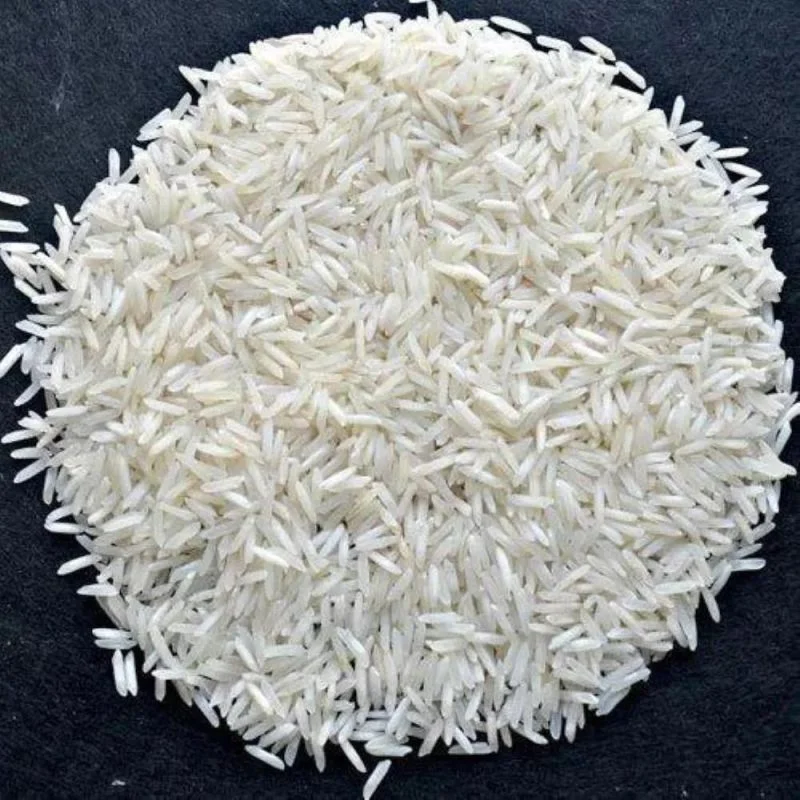
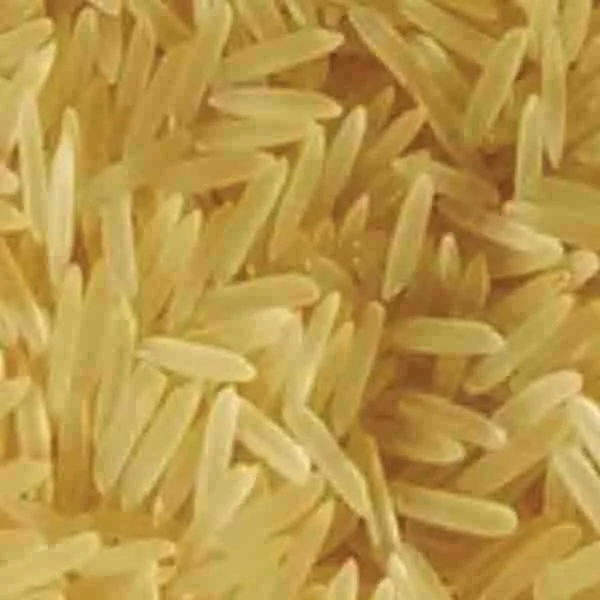
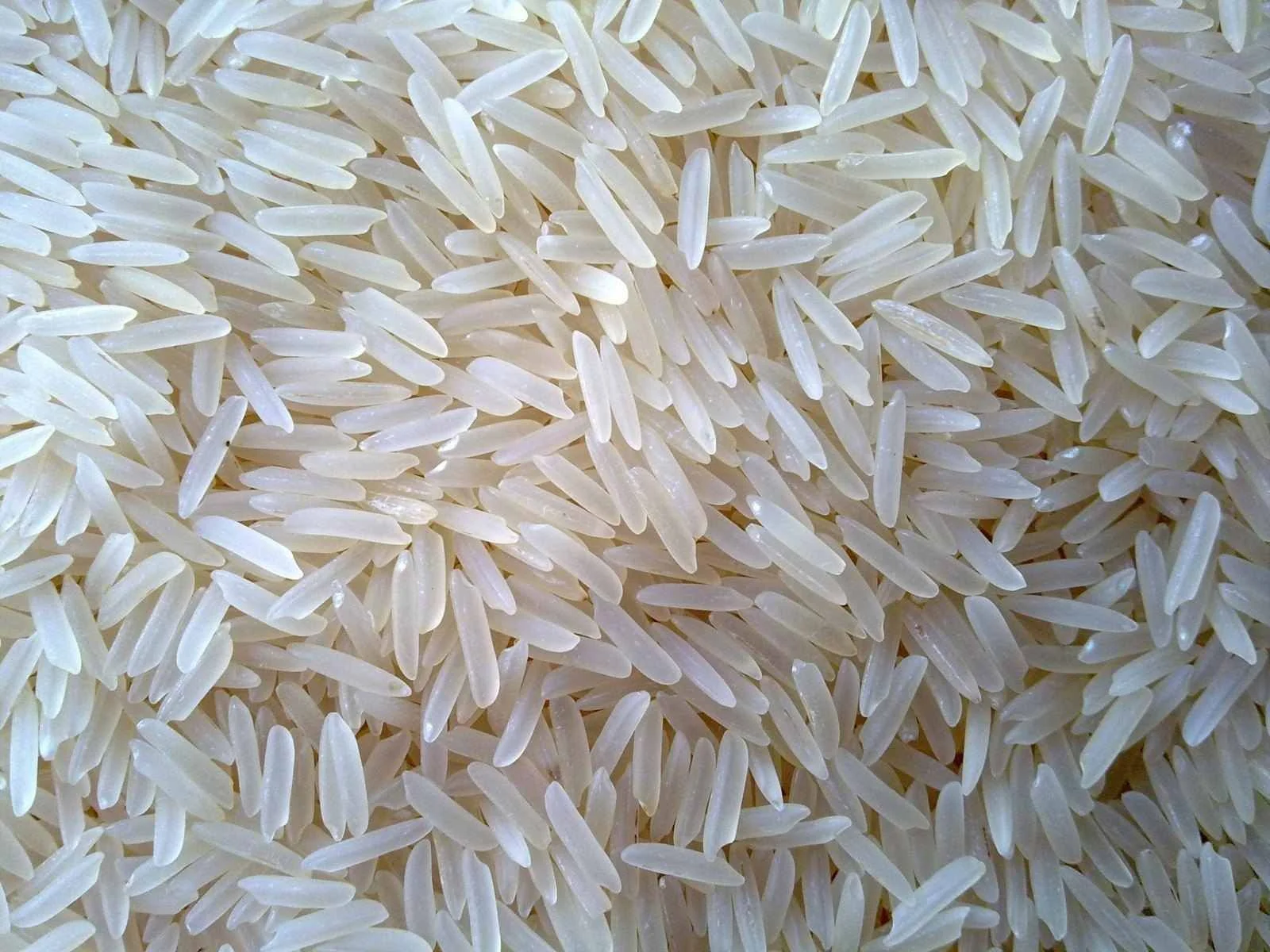
India, a country known for its diverse agricultural produce, is home to R P Agro Products, a supplier with an active product count of 169. Based in this origin country, R P Agro Products lists a variety of products including Sunflower Seeds, Cucumber Seeds, Poppy Seeds, and Sabja Seeds, among others. Their product range also includes rice varieties like Pusa 1 Basmati Rice and Pusa 1 Brown Basmati, with specific HS codes such as 1006.30 and 1006.20 respectively. The materials used for these products include Polished Milled Rice and Pusa 1 Brown Basmati Rice.

The supplier's catalogue is extensive, covering different categories such as Pulses, Flour, Juice, Rice, Wheat, Millet, Sugar, and Peas. For instance, their rice products are classified under the HS code chapter 1006, which pertains to rice in various forms. Buyers can expect to find a range of rice types, including white, brown, and special varieties like Basmati and Red Rice. The company's location in India, a major agricultural hub, facilitates the sourcing of quality raw materials for their products.

Product Range and Specialties of R P Agro Products

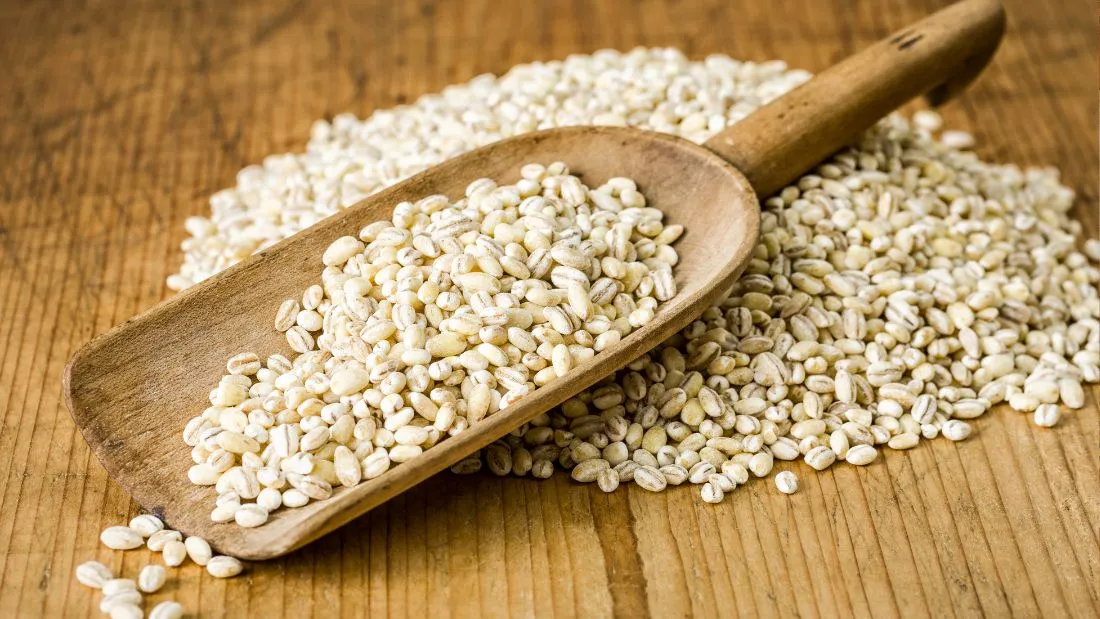
R P Agro Products' actual catalogue encompasses a broad spectrum of agricultural products and derivatives. Their product range includes seeds like Sunflower Seeds and Cucumber Seeds, which are crucial for the agricultural sector. Additionally, they offer various types of rice, including Pusa 1 Basmati Rice and Sona Mansoori Brown Rice, each with its unique characteristics and applications. The flour category includes Barley Flour, Multigrain Flour, and Rice Flour, catering to different culinary and industrial needs. The typical grades and standards for these categories, such as ICUMSA for sugar or the moisture content in rice, are essential considerations for buyers.

For the Pulses category, which includes products like Arhar Dal and Chana Dal, buyers usually look for specific quality parameters such as grain size, moisture content, and purity percentage. Similarly, for rice products, factors like grain length, head rice percentage, and broken rice percentage are critical. Understanding these industry standards is vital for sourcing the right quality of products from suppliers like R P Agro Products.

Trade and Export Information - R P Agro Products

Exporters of agricultural products like R P Agro Products typically deal with a broad selection of international markets. The HS code families involved, such as 1006 for rice, 1008 for maize, and 1201 for soybeans, are crucial for customs clearance and regulatory compliance. Buyers of these goods usually require certifications like ISO 22000 for food safety or compliance with specific national standards like the USDA Organic seal for organic products. The logistics of exporting these goods involve considerations of packaging, with common practices including the use of jute bags or polypropylene bags for pulses and rice, and the choice of Incoterms like FOB or CIF, which determine the responsibilities of the buyer and seller.

The origin country, India, has specific export regulations and incentives for agricultural products. Exporters must comply with the regulations set by the Export Inspection Council (EIC) and the Agricultural and Processed Food Products Export Development Authority (APEDA). Understanding these regulations and the typical requirements of the importing countries is essential for a smooth export process. Regions like the Middle East, Africa, and Southeast Asia are common importers of these goods, driven by demand for food security and diversity.

Sourcing from R P Agro Products - Buyer Guidance

When sourcing from R P Agro Products, buyers should request specifications, samples, and test reports to ensure the products meet their quality requirements. For instance, asking for the moisture content, purity percentage, and grain size for pulses can help in verifying the quality. Similarly, for rice products, inquiring about the head rice percentage, broken rice percentage, and grain length can provide necessary insights. It's also advisable to request certifications like ISO 9001 for quality management or ISO 22000 for food safety, which are commonly required in the industry.

Buyers should verify the supplier's compliance with relevant regulations and standards, such as those related to food safety, environmental sustainability, and social responsibility. Confirming the packaging and shipping details, including the use of appropriate packaging materials and the Incoterms, is also crucial to avoid any discrepancies. Understanding the typical industry practices and standards for the products of interest can guide buyers in what to expect and request from suppliers like R P Agro Products.

Frequently Asked Questions About R P Agro Products

What is the significance of the HS code for rice products?

The HS code, such as 1006.30 for Pusa 1 Basmati Rice, is crucial for customs clearance and determining the applicable tariffs and regulations. Buyers should ensure the HS code provided by the supplier matches the product they are sourcing.

How do buyers verify the quality of pulses?

Buyers can verify the quality of pulses by requesting specifications like grain size, moisture content, and purity percentage. They should also ask for samples and test reports to ensure the products meet their requirements.

What certifications are commonly required for agricultural products?

Certifications like ISO 22000 for food safety, ISO 9001 for quality management, and compliance with national standards like the USDA Organic seal are commonly required. Buyers should request these certifications from suppliers to ensure compliance with international standards.

What are the typical packaging practices for rice and pulses?

Common packaging materials include jute bags or polypropylene bags. The choice of packaging depends on the product, destination, and logistical considerations. Buyers should confirm the packaging details with the supplier.

How do Incoterms affect the export process?

Incoterms like FOB or CIF determine the responsibilities of the buyer and seller regarding the delivery of goods. Buyers should understand the implications of the chosen Incoterm on their responsibilities and costs.

What regions typically import agricultural products from India?

Regions like the Middle East, Africa, and Southeast Asia are common importers of agricultural products from India, driven by demand for food security and diversity. Buyers from these regions should be aware of the specific regulations and requirements for importing these goods.

How can buyers ensure compliance with export regulations?

Buyers should work closely with the supplier to ensure compliance with all relevant regulations, including those set by the Export Inspection Council (EIC) and the Agricultural and Processed Food Products Export Development Authority (APEDA). They should also be aware of the regulations in their own country regarding the import of agricultural products.

What is the role of certifications in ensuring product quality?

Certifications like ISO 22000 and ISO 9001 play a significant role in ensuring product quality by setting standards for food safety and quality management. Buyers should request these certifications from suppliers to ensure the products meet international quality standards.


Featured Products from this Supplier

Other Suppliers in Primary Category

Top Trusted Suppliers

Related Products

Trending in Parent Category

More Suppliers in Category

Related Products

Other Suppliers

EximNext
58.4K+ live requirements
Register Free🎁 5 free buy-lead credits
Post Requirement
🌍 Trusted by 224.4K+ businesses in 200+ countries|
58.4K+ active requirements right now
✉️ [email protected]
|
Sell on EximNextPost Requirement
EximNext
AgricultureApparelConstructionElectronicFoodHomeIndustrialMineralsMiscellaneous
🔥 Deals|✨ AI Match|🏭 Suppliers|📋 Buy Leads|💰 Trade Finance|⭐ Upgrade
58.4K+ live RFQs·194.4K+ suppliers
🎁 5 free credits →
EximNext
EximNext
Register Free
🎁 5 free buy-lead credits
Sign In
📋Post Requirement💬Get QuotesAI Match📋RFQ Marketplace
All Categories
Services & Tools
🏭Supplier Directory🔥Today's Deals💰Trade FinanceMembership
Sell on EximNext
AboutContactBlogHelp
🏭

R P Agro Products

Harbor
Country flag , India
🛡️
77/100
Trust Score

R P Agro Products Product Catalog

Showing 12 of 170 products
View all products →
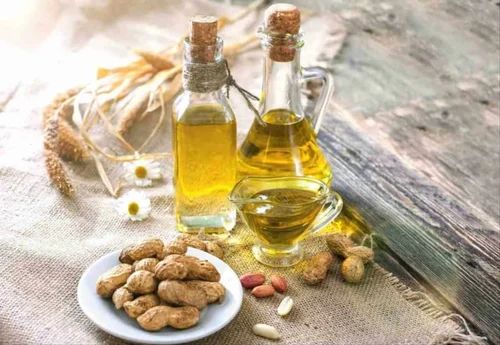
Cold Pressed Safflower Oil
Harbor
Cold Pressed Safflower Oil
Contact
MOQ: 1 Unit
Vedic Desi Tharparkar Cow Ghee
Harbor
Vedic Desi Tharparkar Cow Ghee
Contact
MOQ: 1 Unit
Cashew Whole
Harbor
Cashew Whole
Contact
MOQ: 1 Unit
Raisins
Harbor
Raisins
Contact
MOQ: 1 Unit
Moong Split Washed (mogar)
Harbor
Moong Split Washed (mogar)
Contact
MOQ: 1 Unit
Rajma Red (capsule)
Harbor
Rajma Red (capsule)
Contact
MOQ: 1 Unit
Urad Split Wahsed (dhuli)
Harbor
Urad Split Wahsed (dhuli)
Contact
MOQ: 1 Unit
Moth Whole
Harbor
Moth Whole
Contact
MOQ: 1 Unit
Horse Gram (kulath)
Harbor
Horse Gram (kulath)
Contact
MOQ: 1 Unit
Black Salt
Harbor
Black Salt
Contact
MOQ: 1 Unit
Black Pepper Whole
Harbor
Black Pepper Whole
Contact
MOQ: 1 Unit
Cinnamon Sticks
Harbor
Cinnamon Sticks
Contact
MOQ: 1 Unit

About R P Agro Products - Pulses Supplier in India

India, a country known for its diverse agricultural produce, is home to R P Agro Products, a supplier with an active product count of 169. Based in this origin country, R P Agro Products lists a variety of products including Sunflower Seeds, Cucumber Seeds, Poppy Seeds, and Sabja Seeds, among others. Their product range also includes rice varieties like Pusa 1 Basmati Rice and Pusa 1 Brown Basmati, with specific HS codes such as 1006.30 and 1006.20 respectively. The materials used for these products include Polished Milled Rice and Pusa 1 Brown Basmati Rice.

The supplier's catalogue is extensive, covering different categories such as Pulses, Flour, Juice, Rice, Wheat, Millet, Sugar, and Peas. For instance, their rice products are classified under the HS code chapter 1006, which pertains to rice in various forms. Buyers can expect to find a range of rice types, including white, brown, and special varieties like Basmati and Red Rice. The company's location in India, a major agricultural hub, facilitates the sourcing of quality raw materials for their products.

Product Range and Specialties of R P Agro Products

R P Agro Products' actual catalogue encompasses a broad spectrum of agricultural products and derivatives. Their product range includes seeds like Sunflower Seeds and Cucumber Seeds, which are crucial for the agricultural sector. Additionally, they offer various types of rice, including Pusa 1 Basmati Rice and Sona Mansoori Brown Rice, each with its unique characteristics and applications. The flour category includes Barley Flour, Multigrain Flour, and Rice Flour, catering to different culinary and industrial needs. The typical grades and standards for these categories, such as ICUMSA for sugar or the moisture content in rice, are essential considerations for buyers.

For the Pulses category, which includes products like Arhar Dal and Chana Dal, buyers usually look for specific quality parameters such as grain size, moisture content, and purity percentage. Similarly, for rice products, factors like grain length, head rice percentage, and broken rice percentage are critical. Understanding these industry standards is vital for sourcing the right quality of products from suppliers like R P Agro Products.

Trade and Export Information - R P Agro Products

Exporters of agricultural products like R P Agro Products typically deal with a broad selection of international markets. The HS code families involved, such as 1006 for rice, 1008 for maize, and 1201 for soybeans, are crucial for customs clearance and regulatory compliance. Buyers of these goods usually require certifications like ISO 22000 for food safety or compliance with specific national standards like the USDA Organic seal for organic products. The logistics of exporting these goods involve considerations of packaging, with common practices including the use of jute bags or polypropylene bags for pulses and rice, and the choice of Incoterms like FOB or CIF, which determine the responsibilities of the buyer and seller.

The origin country, India, has specific export regulations and incentives for agricultural products. Exporters must comply with the regulations set by the Export Inspection Council (EIC) and the Agricultural and Processed Food Products Export Development Authority (APEDA). Understanding these regulations and the typical requirements of the importing countries is essential for a smooth export process. Regions like the Middle East, Africa, and Southeast Asia are common importers of these goods, driven by demand for food security and diversity.

Sourcing from R P Agro Products - Buyer Guidance

When sourcing from R P Agro Products, buyers should request specifications, samples, and test reports to ensure the products meet their quality requirements. For instance, asking for the moisture content, purity percentage, and grain size for pulses can help in verifying the quality. Similarly, for rice products, inquiring about the head rice percentage, broken rice percentage, and grain length can provide necessary insights. It's also advisable to request certifications like ISO 9001 for quality management or ISO 22000 for food safety, which are commonly required in the industry.

Buyers should verify the supplier's compliance with relevant regulations and standards, such as those related to food safety, environmental sustainability, and social responsibility. Confirming the packaging and shipping details, including the use of appropriate packaging materials and the Incoterms, is also crucial to avoid any discrepancies. Understanding the typical industry practices and standards for the products of interest can guide buyers in what to expect and request from suppliers like R P Agro Products.

Frequently Asked Questions About R P Agro Products

What is the significance of the HS code for rice products?

The HS code, such as 1006.30 for Pusa 1 Basmati Rice, is crucial for customs clearance and determining the applicable tariffs and regulations. Buyers should ensure the HS code provided by the supplier matches the product they are sourcing.

How do buyers verify the quality of pulses?

Buyers can verify the quality of pulses by requesting specifications like grain size, moisture content, and purity percentage. They should also ask for samples and test reports to ensure the products meet their requirements.

What certifications are commonly required for agricultural products?

Certifications like ISO 22000 for food safety, ISO 9001 for quality management, and compliance with national standards like the USDA Organic seal are commonly required. Buyers should request these certifications from suppliers to ensure compliance with international standards.

What are the typical packaging practices for rice and pulses?

Common packaging materials include jute bags or polypropylene bags. The choice of packaging depends on the product, destination, and logistical considerations. Buyers should confirm the packaging details with the supplier.

How do Incoterms affect the export process?

Incoterms like FOB or CIF determine the responsibilities of the buyer and seller regarding the delivery of goods. Buyers should understand the implications of the chosen Incoterm on their responsibilities and costs.

What regions typically import agricultural products from India?

Regions like the Middle East, Africa, and Southeast Asia are common importers of agricultural products from India, driven by demand for food security and diversity. Buyers from these regions should be aware of the specific regulations and requirements for importing these goods.

How can buyers ensure compliance with export regulations?

Buyers should work closely with the supplier to ensure compliance with all relevant regulations, including those set by the Export Inspection Council (EIC) and the Agricultural and Processed Food Products Export Development Authority (APEDA). They should also be aware of the regulations in their own country regarding the import of agricultural products.

What is the role of certifications in ensuring product quality?

Certifications like ISO 22000 and ISO 9001 play a significant role in ensuring product quality by setting standards for food safety and quality management. Buyers should request these certifications from suppliers to ensure the products meet international quality standards.

About R P Agro Products - Pulses Supplier in India

India, a country known for its diverse agricultural produce, is home to R P Agro Products, a supplier with an active product count of 169. Based in this origin country, R P Agro Products lists a variety of products including Sunflower Seeds, Cucumber Seeds, Poppy Seeds, and Sabja Seeds, among others. Their product range also includes rice varieties like Pusa 1 Basmati Rice and Pusa 1 Brown Basmati, with specific HS codes such as 1006.30 and 1006.20 respectively. The materials used for these products include Polished Milled Rice and Pusa 1 Brown Basmati Rice.

The supplier's catalogue is extensive, covering different categories such as Pulses, Flour, Juice, Rice, Wheat, Millet, Sugar, and Peas. For instance, their rice products are classified under the HS code chapter 1006, which pertains to rice in various forms. Buyers can expect to find a range of rice types, including white, brown, and special varieties like Basmati and Red Rice. The company's location in India, a major agricultural hub, facilitates the sourcing of quality raw materials for their products.

Product Range and Specialties of R P Agro Products

R P Agro Products' actual catalogue encompasses a broad spectrum of agricultural products and derivatives. Their product range includes seeds like Sunflower Seeds and Cucumber Seeds, which are crucial for the agricultural sector. Additionally, they offer various types of rice, including Pusa 1 Basmati Rice and Sona Mansoori Brown Rice, each with its unique characteristics and applications. The flour category includes Barley Flour, Multigrain Flour, and Rice Flour, catering to different culinary and industrial needs. The typical grades and standards for these categories, such as ICUMSA for sugar or the moisture content in rice, are essential considerations for buyers.

For the Pulses category, which includes products like Arhar Dal and Chana Dal, buyers usually look for specific quality parameters such as grain size, moisture content, and purity percentage. Similarly, for rice products, factors like grain length, head rice percentage, and broken rice percentage are critical. Understanding these industry standards is vital for sourcing the right quality of products from suppliers like R P Agro Products.

Trade and Export Information - R P Agro Products

Exporters of agricultural products like R P Agro Products typically deal with a broad selection of international markets. The HS code families involved, such as 1006 for rice, 1008 for maize, and 1201 for soybeans, are crucial for customs clearance and regulatory compliance. Buyers of these goods usually require certifications like ISO 22000 for food safety or compliance with specific national standards like the USDA Organic seal for organic products. The logistics of exporting these goods involve considerations of packaging, with common practices including the use of jute bags or polypropylene bags for pulses and rice, and the choice of Incoterms like FOB or CIF, which determine the responsibilities of the buyer and seller.

The origin country, India, has specific export regulations and incentives for agricultural products. Exporters must comply with the regulations set by the Export Inspection Council (EIC) and the Agricultural and Processed Food Products Export Development Authority (APEDA). Understanding these regulations and the typical requirements of the importing countries is essential for a smooth export process. Regions like the Middle East, Africa, and Southeast Asia are common importers of these goods, driven by demand for food security and diversity.

Sourcing from R P Agro Products - Buyer Guidance

When sourcing from R P Agro Products, buyers should request specifications, samples, and test reports to ensure the products meet their quality requirements. For instance, asking for the moisture content, purity percentage, and grain size for pulses can help in verifying the quality. Similarly, for rice products, inquiring about the head rice percentage, broken rice percentage, and grain length can provide necessary insights. It's also advisable to request certifications like ISO 9001 for quality management or ISO 22000 for food safety, which are commonly required in the industry.

Buyers should verify the supplier's compliance with relevant regulations and standards, such as those related to food safety, environmental sustainability, and social responsibility. Confirming the packaging and shipping details, including the use of appropriate packaging materials and the Incoterms, is also crucial to avoid any discrepancies. Understanding the typical industry practices and standards for the products of interest can guide buyers in what to expect and request from suppliers like R P Agro Products.

Frequently Asked Questions About R P Agro Products
What is the significance of the HS code for rice products?
The HS code, such as 1006.30 for Pusa 1 Basmati Rice, is crucial for customs clearance and determining the applicable tariffs and regulations. Buyers should ensure the HS code provided by the supplier matches the product they are sourcing.
How do buyers verify the quality of pulses?
Buyers can verify the quality of pulses by requesting specifications like grain size, moisture content, and purity percentage. They should also ask for samples and test reports to ensure the products meet their requirements.
What certifications are commonly required for agricultural products?
Certifications like ISO 22000 for food safety, ISO 9001 for quality management, and compliance with national standards like the USDA Organic seal are commonly required. Buyers should request these certifications from suppliers to ensure compliance with international standards.
What are the typical packaging practices for rice and pulses?
Common packaging materials include jute bags or polypropylene bags. The choice of packaging depends on the product, destination, and logistical considerations. Buyers should confirm the packaging details with the supplier.
How do Incoterms affect the export process?
Incoterms like FOB or CIF determine the responsibilities of the buyer and seller regarding the delivery of goods. Buyers should understand the implications of the chosen Incoterm on their responsibilities and costs.
What regions typically import agricultural products from India?
Regions like the Middle East, Africa, and Southeast Asia are common importers of agricultural products from India, driven by demand for food security and diversity. Buyers from these regions should be aware of the specific regulations and requirements for importing these goods.
How can buyers ensure compliance with export regulations?
Buyers should work closely with the supplier to ensure compliance with all relevant regulations, including those set by the Export Inspection Council (EIC) and the Agricultural and Processed Food Products Export Development Authority (APEDA). They should also be aware of the regulations in their own country regarding the import of agricultural products.
What is the role of certifications in ensuring product quality?
Certifications like ISO 22000 and ISO 9001 play a significant role in ensuring product quality by setting standards for food safety and quality management. Buyers should request these certifications from suppliers to ensure the products meet international quality standards.

🏭
R P Agro Products
Country flag , India
Harbor
77/100
Trust Score
📦
170
Products
Free to contact — no commission
Escrow payment available
Verified business identity
Compare more suppliers
Post a requirement — get 10 quotes free
Let verified suppliers compete for your business. Free, fast, no commitment.
EximNext Verified Supplier
Business identity verified
Physical address confirmed
Financial history checked
Certifications authenticated
Trade references validated
Due Diligence
Verify this supplier's real shipping history.
Every shipment, every buyer, every port. Trade data that can't be faked.
Run due diligence →
Discover More

Related Suppliers & Products

Explore similar suppliers, related products and trending categories

Featured Products from this Supplier

Other Suppliers in Primary Category

Top Trusted Suppliers

Related Products

Trending in Parent Category

More Suppliers in Category

Stay ahead in global trade
Weekly market insights & new supplier alerts.
EximNext
Exim Next is a leading global B2B marketplace, connecting over 205,000 verified suppliers and buyers across 200+ countries. As a trusted import export marketplace, it serves as the essential B2B portal for businesses worldwide, empowering them to expand their international reach. With Exim Next, businesses can trade smarter and grow faster.
SECURE PAYMENTS
VISAMastercardPayPalSWIFTL/CEscrow
Follow us
© 2026 EximNext