Agriculture›
 Apparel and fashion accessories›
 Construction & real estate›💡Electronic & Electrical›🍎Food & Beverages›🛋️Home furnishing & supplies›⚗️Industrial goods & chemical›🪨Minerals & metals›📦Miscellaneous›Agriculture›Apparel and fashion accessories›Construction & real estate›💡Electronic & Electrical›🍎Food & Beverages›🛋️Home furnishing & supplies›⚗️Industrial goods & chemical›🪨Minerals & metals›📦Miscellaneous›
Qingdao Megatro Holding Inc.
⚓ Harbor , ChinaNew supplier / no reviews yet
Qingdao Megatro Holding Inc. Product Catalog

About Qingdao Megatro Holding Inc. - Telecommunication Infrastructure/Equipments Supplier in China
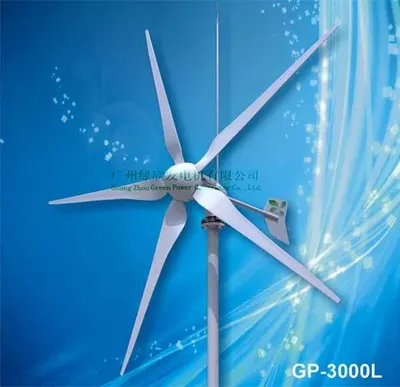
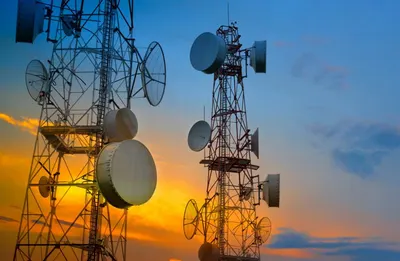
China, with a catalogue of five distinct tower products, is the base for Qingdao Megatro Holding Inc. The supplier lists telecom towers, power transmission line towers, wind turbines, wind towers, and camouflage towers. These items are classified under HS chapters commonly used for steel structures (e.g., HS 7308) and heavy machinery (e.g., HS 8421). The product set aligns with the top categories of telecommunication infrastructure equipment, steel structures, and power plant spares. The catalogue reflects a focus on large‑scale structural steel components for utility and communications networks.
The five products cover both standard and specialized tower designs. Telecom towers are typically lattice or monopole structures used for cellular antenna mounting. Power transmission line towers support high‑voltage conductors over long distances. Wind turbines and wind towers are engineered for renewable energy installations, while camouflage towers are customized for low‑visibility applications. All products are fabricated from structural steel and are intended for export to infrastructure projects worldwide.
Product Range and Specialties of Qingdao Megatro Holding Inc.
Telecom towers are usually fabricated from Q235 or Q345 steel, with galvanised or paint coating to meet IEC 60721 environmental class specifications. Load‑bearing capacity ranges from 10 to 30 tonnes, and tower heights vary from 15 m to 60 m. Power transmission line towers follow IEC 60826 standards, using high‑strength steel grades and often feature anti‑corrosion treatments for outdoor service.
Wind turbine towers conform to IEC 61400, commonly built from seamless steel tubes of grade S355, with design wind speed ratings up to 25 m/s. Wind towers for smaller installations may use fabricated lattice sections. Camouflage towers are produced to the same structural standards but with non‑reflective paint systems for military or covert uses. Buyers typically assess tower sections by weight per metre (kg/m), overall height, and foundation load calculations.
Frequently Asked Questions About Qingdao Megatro Holding Inc.
What types of tower products does Qingdao Megatro Holding Inc. list in its catalogue?
The catalogue includes telecom towers, power transmission line towers, wind turbines, wind towers, and camouflage towers, all fabricated as steel structures.
Which standards should buyers verify for telecom and power line towers?
Buyers should request compliance with IEC 60721 for environmental classification of telecom towers and IEC 60826 for power transmission line towers, plus material certificates for steel grades such as Q235/Q345.
What documentation is typically required before placing an order for wind turbine towers?
Required documents include IEC 61400 compliance certificates, mill test reports for the steel grade, coating specifications, and a third‑party inspection report.
How are the towers usually packaged for international shipment?
Towers are commonly crated in wooden pallets for lattice sections or loaded on open‑top flat racks for full assemblies, and then placed in 20‑ft or 40‑ft containers or shipped as break‑bulk cargo.
What are common Incoterms used for exporting these tower products from China?
Exporters typically operate under FOB Qingdao for containerized shipments or CIF destination for bulk freight, allowing the buyer to arrange inland transport.
ChinaRelated Suppliers & Products
Explore similar suppliers, related products and trending categories


.jpg.png)