Puresil India — Supplier
About Puresil India - Silica Sand Supplier in India
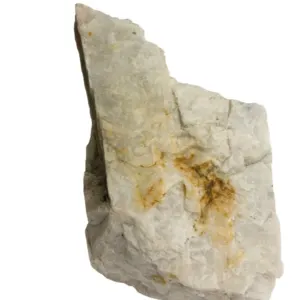
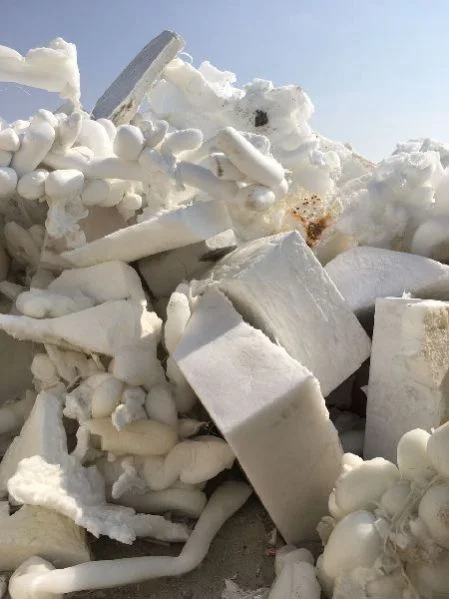
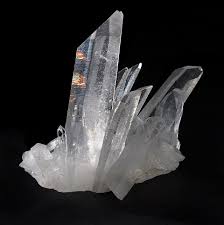
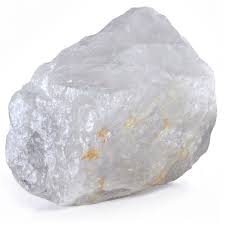
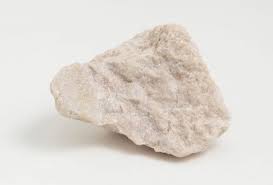
Puresil India operates from India and lists ten active mineral products in its catalogue. The company’s portfolio includes feldspar, quartz lumps, silica sand, various forms of kaolin and clay, and silica quartz powder, all classified under HS Chapter 25 which covers mineral products such as silica, feldspar and kaolin. The product list reflects a focus on raw materials used in glass, ceramics, foundry and paint industries. Each entry in the catalogue is presented without additional branding or client references, staying strictly within the disclosed product set.
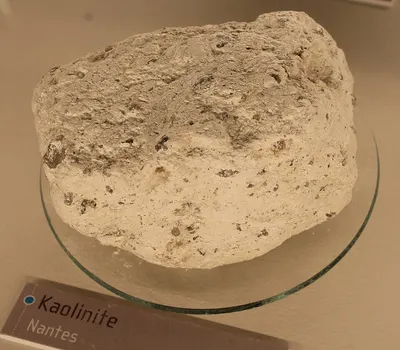
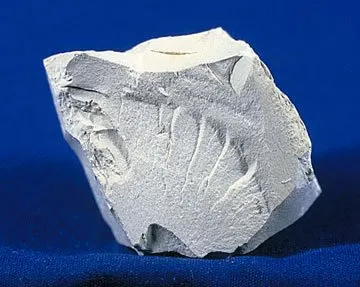
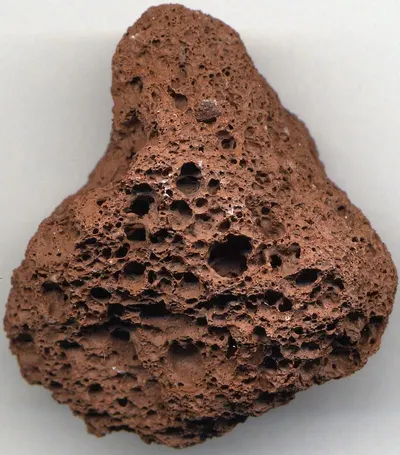
The catalogue enumerates specific mineral grades such as Kaolin Clay, Hydrous Kaolin, China Clay, Calcined Kaolin and Ball Clay, alongside quartz and feldspar variants. These materials are typically supplied in bulk form for downstream processing, and the supplier notes a self‑sourced material base described as “million tons.” No additional certifications or corporate history are asserted beyond the product descriptions.
Product Range and Specialties of Puresil India
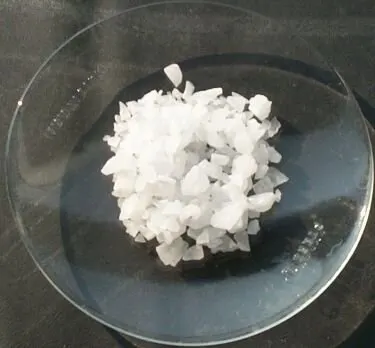
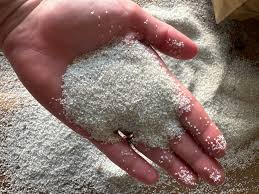
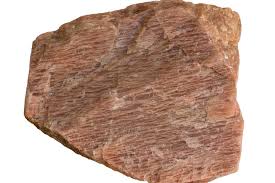
The listed products cover the primary mineral raw materials required by glass manufacturers, ceramic producers and metal casting operations. Silica sand is commonly offered in grain size ranges from 0.1 mm to 2 mm with purity levels of 99 % SiO₂ or higher, while quartz lumps are supplied in larger aggregates for refractory applications. Feldspar grades used in glassmaking are usually classified by alkali content and particle size, often falling within the 60‑70 % K₂O range.
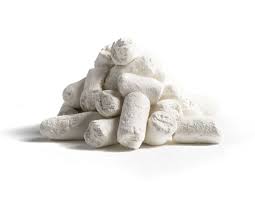
Kaolin and its derivatives (Hydrous Kaolin, China Clay, Calcined Kaolin, Ball Clay) are typically graded by brightness (ISO 9276), plasticity and impurity limits such as Fe₂O₃ < 0.2 %. Silica quartz powder is generally marketed with a median particle size (D₅₀) of 10‑30 µm and a moisture content below 1 %. These industry benchmarks provide buyers with reference points for quality evaluation.
Trade and Export Information - Puresil India
India is a major exporter of mineral raw materials, and shipments of silica sand, feldspar and kaolin from the country are commonly directed to Europe, the United States, the Middle East and Southeast Asia. Buyers typically import these goods under HS codes in the 2504‑2506 range, requiring compliance with the destination country’s material safety data sheet (MSDS) and, where applicable, conformity to REACH or ASTM standards. Bulk shipments are usually loaded in 20 ft or 40 ft containers, or in open‑top containers for large‑volume sand deliveries, with standard Incoterms such as FOB or CIF.
Importers frequently request certificates of analysis, ISO 9001 quality management certification, and third‑party inspection reports (e.g., SGS, Bureau Veritas) to verify chemical composition and physical parameters. While Puresil India does not list specific certifications in its public facts, buyers should confirm the existence of such documents before finalizing contracts. Indian mineral exporters often work with customs brokers familiar with HS Chapter 25 duties and export licensing requirements.
Sourcing from Puresil India - Buyer Guidance
When sourcing from Puresil India, buyers should request a recent certificate of analysis that details SiO₂ content for silica sand, Al₂O₃ and Fe₂O₃ levels for kaolin, and particle‑size distribution curves for all bulk powders. It is advisable to obtain a mill test report that includes bulk density, moisture content and bulk handling characteristics, especially for refractory clay and quartz powder.
Buyers should also verify that the supplier can provide standard industry certifications such as ISO 9001 or an SGS inspection report, and confirm the packaging format - typically 20 kg polypropylene bags for powders or bulk freight for sand. Clarifying the minimum order quantity (often a full container load) and typical lead time (30‑45 days from order confirmation) helps align production schedules with project timelines.
Frequently Asked Questions About Puresil India
What mineral products does Puresil India list in its catalogue?
The catalogue includes feldspar, quartz lumps, silica sand, kaolin clay, hydrous kaolin, China clay, silica quartz powder, refractory clay, calcined kaolin and ball clay.
Are there standard certifications I should request for these minerals?
Buyers usually ask for ISO 9001 quality management certification and a third‑party inspection report (e.g., SGS) that verifies chemical composition and physical properties.
What are typical purity specifications for silica sand from Indian exporters?
Silica sand is often supplied with SiO₂ purity of 99 % or higher and a moisture content below 0.5 %.
Which HS code chapters cover the products offered by Puresil India?
The minerals fall under HS Chapter 25, which includes codes for silica sand (2505), feldspar (2504) and kaolin/clay (2506).
What packaging formats are used for the powdered minerals?
Powders such as silica quartz powder and calcined kaolin are typically packed in 20 kg polypropylene bags, while bulk clay may be shipped in open‑top containers.
What is the usual minimum order quantity and lead time?
Minimum orders are generally based on a full container load, and lead times are typically 30 to 45 days after order confirmation.
Which regions import these Indian mineral raw materials most frequently?
Key import markets include Europe, the United States, the Middle East and Southeast Asian countries with strong glass, ceramics and foundry sectors.
How can I verify the material’s compliance with international standards?
Request the latest certificate of analysis, a mill test report, and any third‑party inspection certificates; these documents confirm compliance with ASTM, REACH or other relevant standards.




 , India